Managing transgender hirsutism with expert treatments, tips, and confidence
Managing Transgender Hirsutism with Expert Care, Simple Tips, and Real Confidence
Managing transgender hirsutism can feel hard. Unwanted facial or body hair can clash with your identity and goals. Good news: many treatments, grooming steps, and natural methods can cut down hair. They can also help healthy hair grow where you want it and help you feel at ease in your body. This guide links expert care, easy grooming tips, and ways to build your confidence. A special note goes to scalp-friendly care like Watermans Grow Me Shampoo that helps head hair thrive while you work on hair you do not need.
What Is Transgender Hirsutism?
Transgender hirsutism means having too much thick, dark hair in places seen as male-pattern areas. These places include the face, chest, stomach, back, or thighs. Many transgender women (AMAB) and some non-binary people feel distress from this during or after transition.
It can also affect some transgender men (AFAB), especially when testosterone starts changing hair growth. The patchy or uneven hair can feel wrong.
Typical Areas Affected
- Face (upper lip, chin, cheeks, jawline)
- Neck and chest
- Stomach (including the "happy trail")
- Upper and lower back
- Upper arms, thighs, and sometimes buttocks
The hair itself is one part. How it meets gender feelings and social views is another part.
Why Transgender Hirsutism Happens
Knowing the causes helps you choose care steps. Often, many factors work at once.
1. Androgens (Testosterone and DHT)
Androgens, such as testosterone and DHT, drive hair to grow thickly on the face and body. For:
- Trans women / AMAB non-binary people: High androgens before transition can form dark, thick hair. Hormones (estrogen and blockers) slow new growth but do not remove old hairs.
- Trans men / AFAB non-binary people: Testosterone brings more hair, but early changes can look patchy and feel off.
2. Genetics
Family traits count. If your family has thick hair, you may see strong hair growth. Your genes also set how each hair follicle responds to hormones.
3. Hormone Therapy Timelines
- For trans women, hormone care usually cuts new growth over time. Yet, old hairs may persist. Laser or electrolysis may help.
- For trans men, it may take 1–5 years for facial hair to come in evenly. In between, stubble may hurt your self-image.
4. Underlying Conditions
Some health issues can add to hirsutism. They include:
- Polycystic ovary syndrome (PCOS) in AFAB folks
- Congenital adrenal hyperplasia (CAH)
- Some medications
- Thyroid problems or insulin issues
A trans-aware doctor can check for these issues (Endocrine Society).
Emotional Impact: Dysphoria, Anxiety, and Self-Image
Transgender hirsutism affects more than your looks. It touches your self-view, how others see you, and your ease in public.
Common Emotional Experiences
- Feeling more dysphoria when shaving shows hints of hair
- Worry about being noticed due to hair on face or body
- Avoiding activities like swimming, gyms, or dating
- Feeling low when care takes long to show change
Know that your pain is real. Hair does not make you less of your true self. It is a condition that you can care for in many ways.
Core Medical Steps to Manage Transgender Hirsutism
Medical care aims to cut new hair growth, change how hair feels, and thin old hairs. It works best when done with a trans-friendly doctor.
1. Hormone Therapy for Trans Women
For AMAB folks seeking female or non-binary looks, the common plan uses:
- Estrogen – which lowers high testosterone over time.
- Androgen blockers – such as spironolactone, cyproterone acetate, or GnRH analogs to block hormones further.
Effect on Hirsutism:
- New hair grows slower
- New hairs may turn finer and lighter
- Old thick hair may need removal like laser or electrolysis
It may take 6–18 months to note clear change.
2. Hormone Therapy and Hair for Trans Men
For AFAB folks on testosterone:
- Testosterone makes hair appear on the face and body.
- Early on, the hair may look uneven.
Some trans men may see hair thinning on the scalp. For gentle care of head hair, many pick non-medical topical support such as Watermans Grow Me Shampoo. It helps the scalp and adds volume at the roots.
3. Oral Medications for Hair Change
Some drugs can affect hair:
- Finasteride or dutasteride – stop testosterone from turning into DHT. They help head hair loss in some cases.
- Minoxidil (oral or topical) – boosts hair growth on the scalp.
Always talk with a doctor who knows transgender care. They will check hormone balance and other needs.
Long-Lasting Hair Removal Choices
To manage unwanted hair in a lasting way, many pair hormone care with near-permanent hair removal.
1. Laser Hair Removal
Laser light hits the pigment in hair. It weakens the hair root and slows regrowth.
Best for: Dark hair on light or medium skin. Newer laser tools work on darker skin too.
Pros:
- Works faster than electrolysis on large areas
- Cuts hair density and coarseness
- Often a first step for facial hair before finer methods
Cons:
- You need many sessions (6–12 or more)
- Less effective on very light, gray, or red hair
- Results may need follow-up sessions
2. Electrolysis
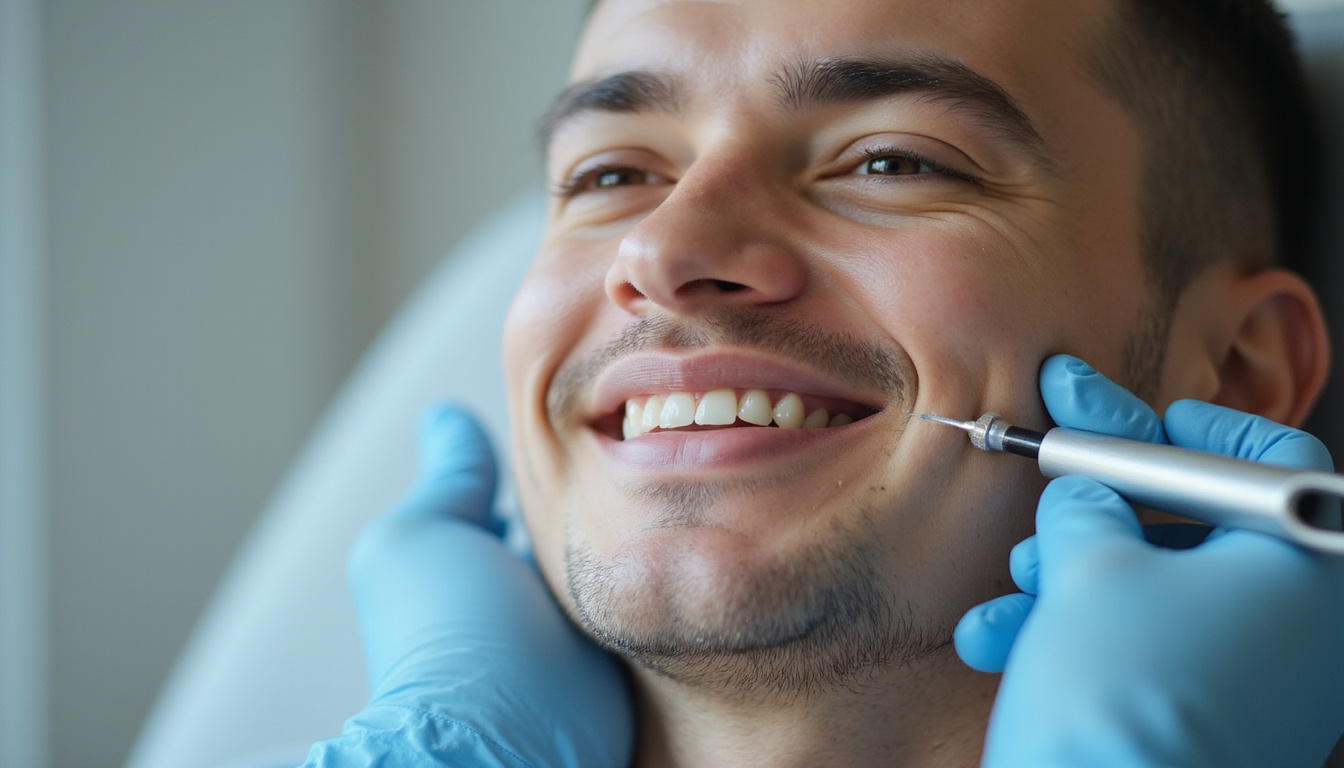
Electrolysis sends tiny energy bursts into each follicle. It destroys the hair root.
Best for: All hair and skin kinds, even light, gray, or red hair.
Pros:
- The only method that is permanent
- Works best on small areas like the face
Cons:
- It is slow and can cost more overall
- It may hurt and needs many sessions
3. Mixing Laser and Electrolysis
A common plan for transgender hirsutism is:
- Use laser to cut many dark hairs.
- Then use electrolysis to remove the rest.
This mix can save time and money while reaching permanent results.
Short-Term and At-Home Hair Management Options
Short-term methods bring ease while you plan long-term care.
Shaving
- It is quick and low-cost.
- Works well on face and body.
- Use a clean razor with shaving cream and shave along hair growth to ease irritation.
Waxing and Sugaring
- They pull hair out from the root. Regrowth takes 3–6 weeks.
- They can hurt, especially on sensitive skin.
- Over time hair may return finer.
Depilatory Creams
- The creams dissolve hair at the skin surface.
- Test a small area first. Some skin may react.
- They may be best for the body unless made for the face.
Trimming and Grooming
- Sometimes hair is managed better by a trim than full removal.
- For trans masc or non-binary people, shaping hair can feel more right.
Supporting Head Hair While Managing Hirsutism Elsewhere
Many transgender people want fewer unwanted hairs while keeping strong scalp hair. This balance matters for:
- Trans women who fear thinning hair
- Trans men who see a receding hairline or crown thinning
- Non-binary people who want rich head hair with less body hair
Gentle, Active Hair Care
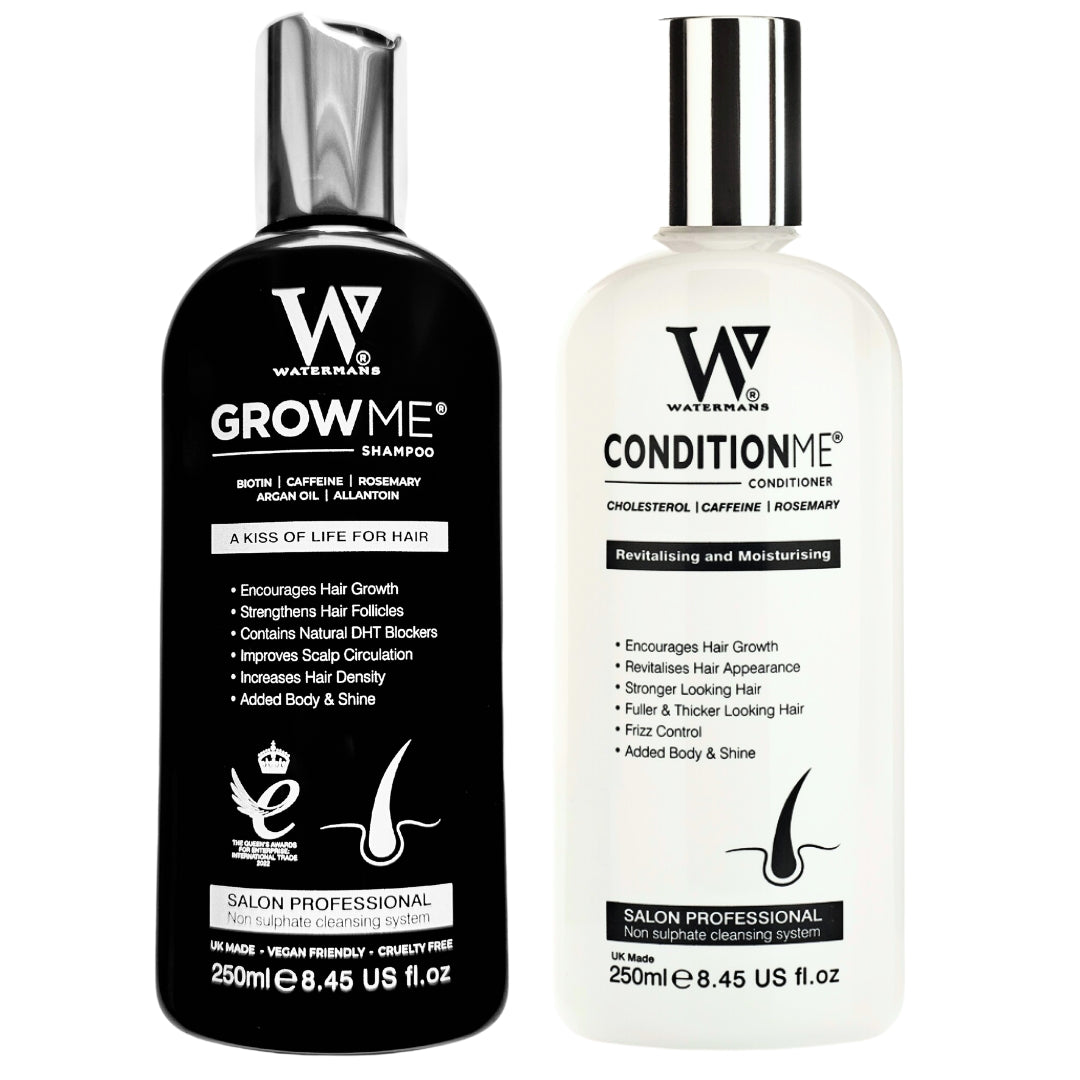
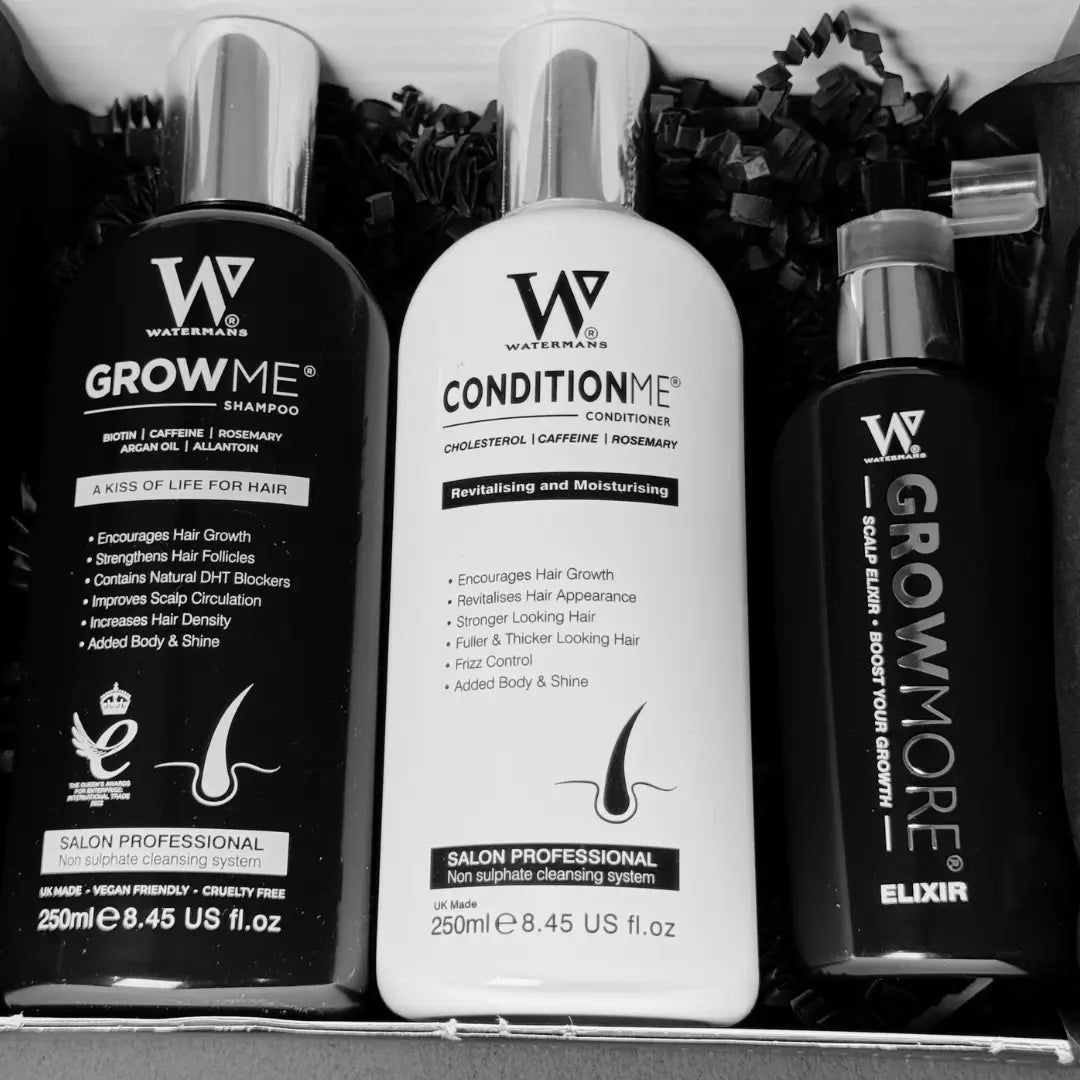
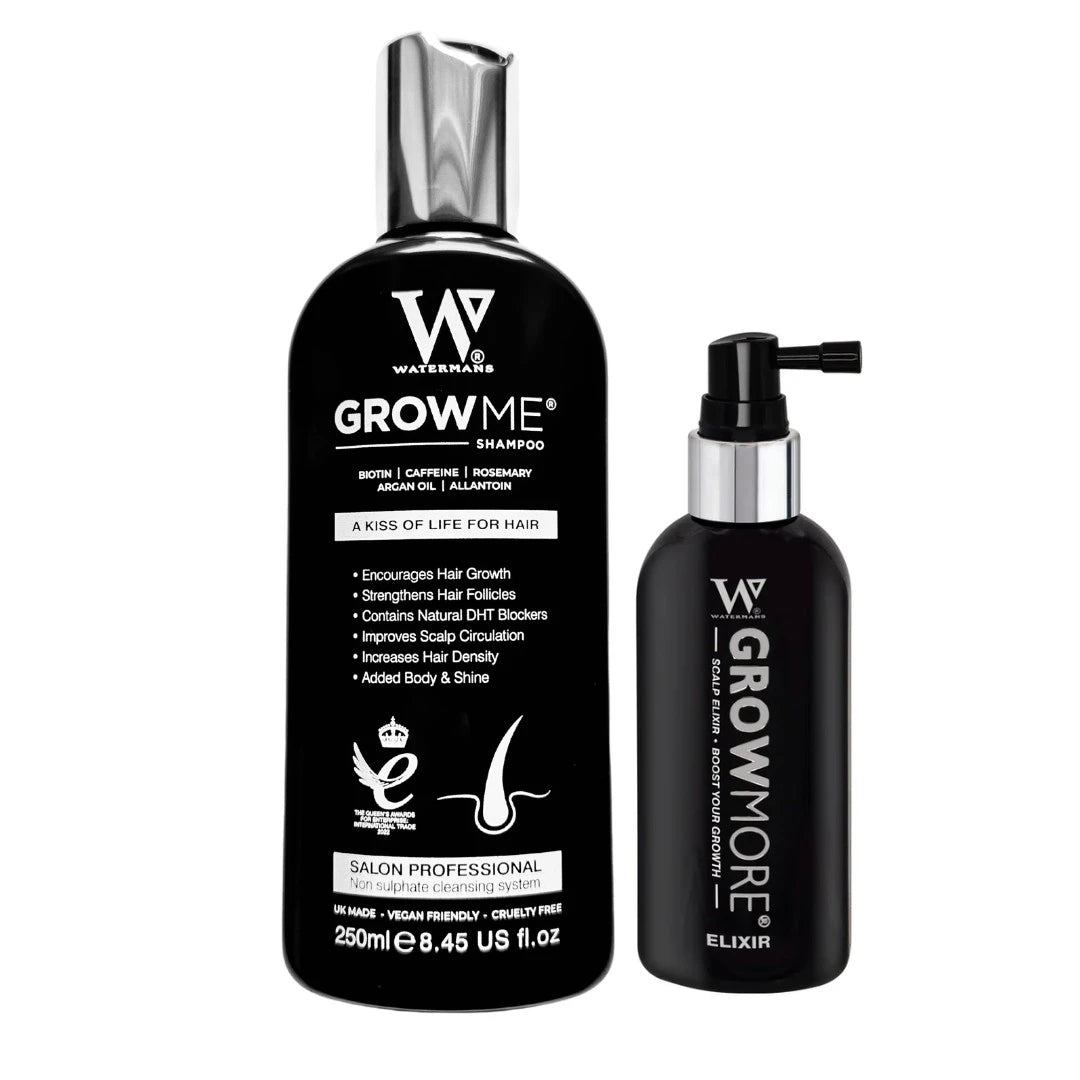
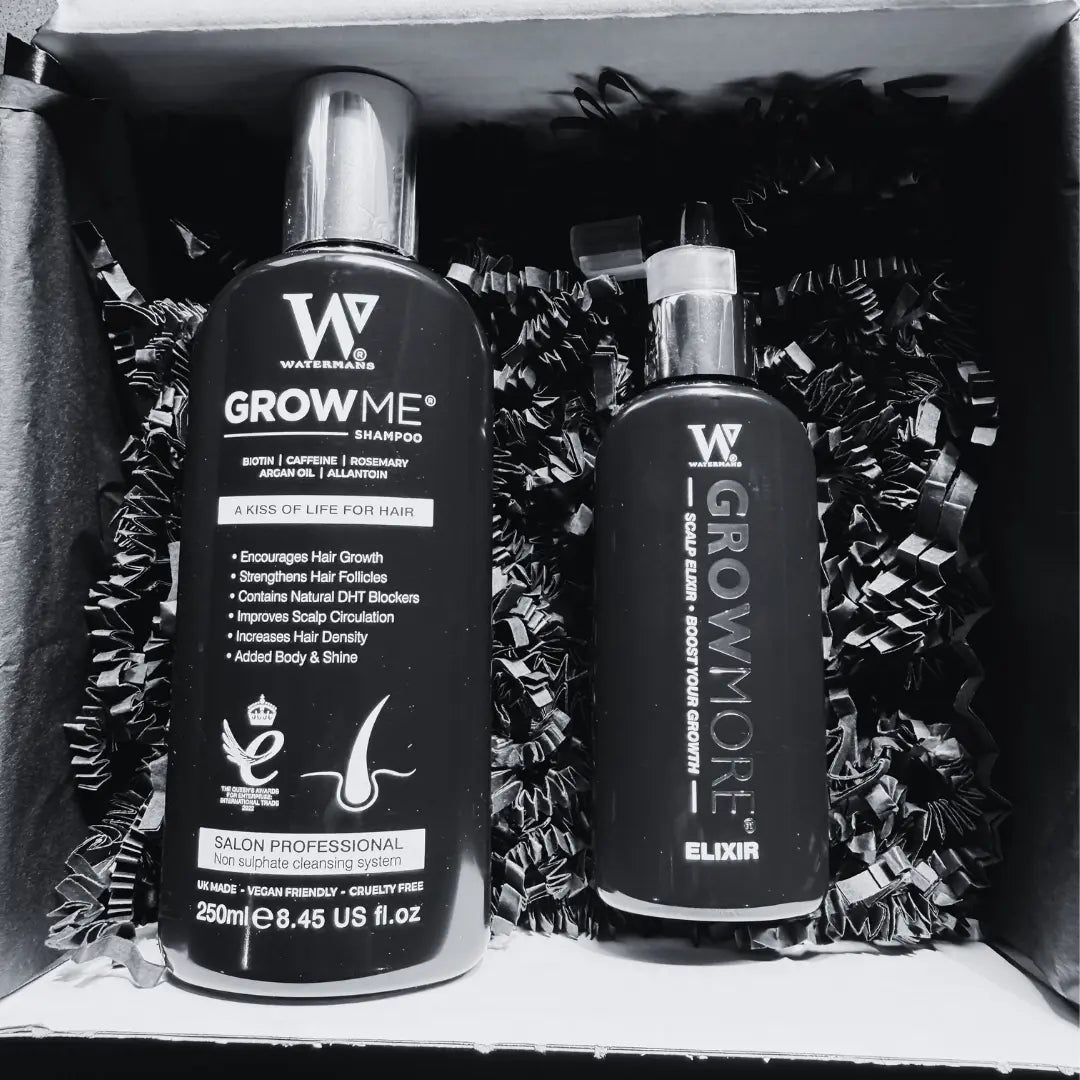
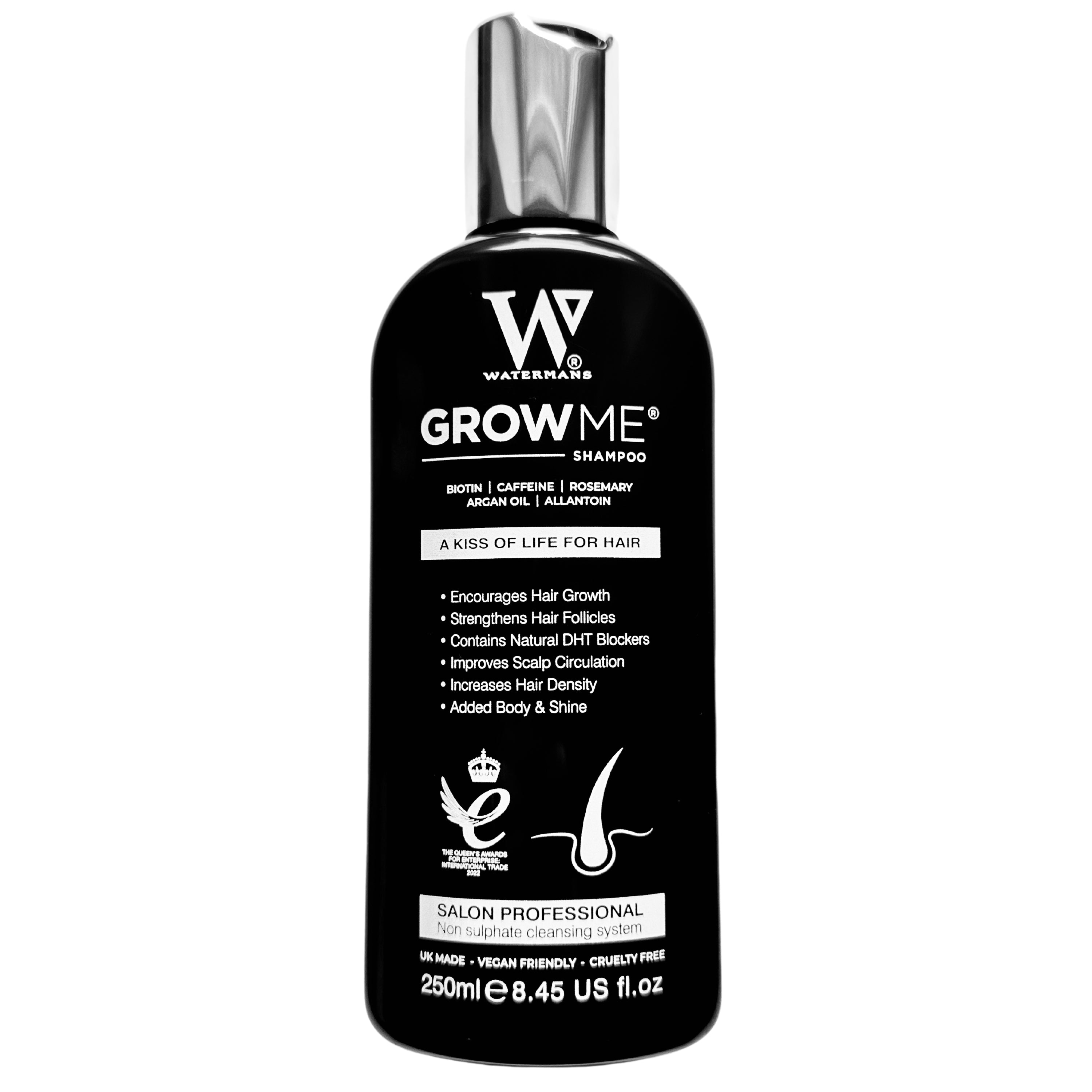
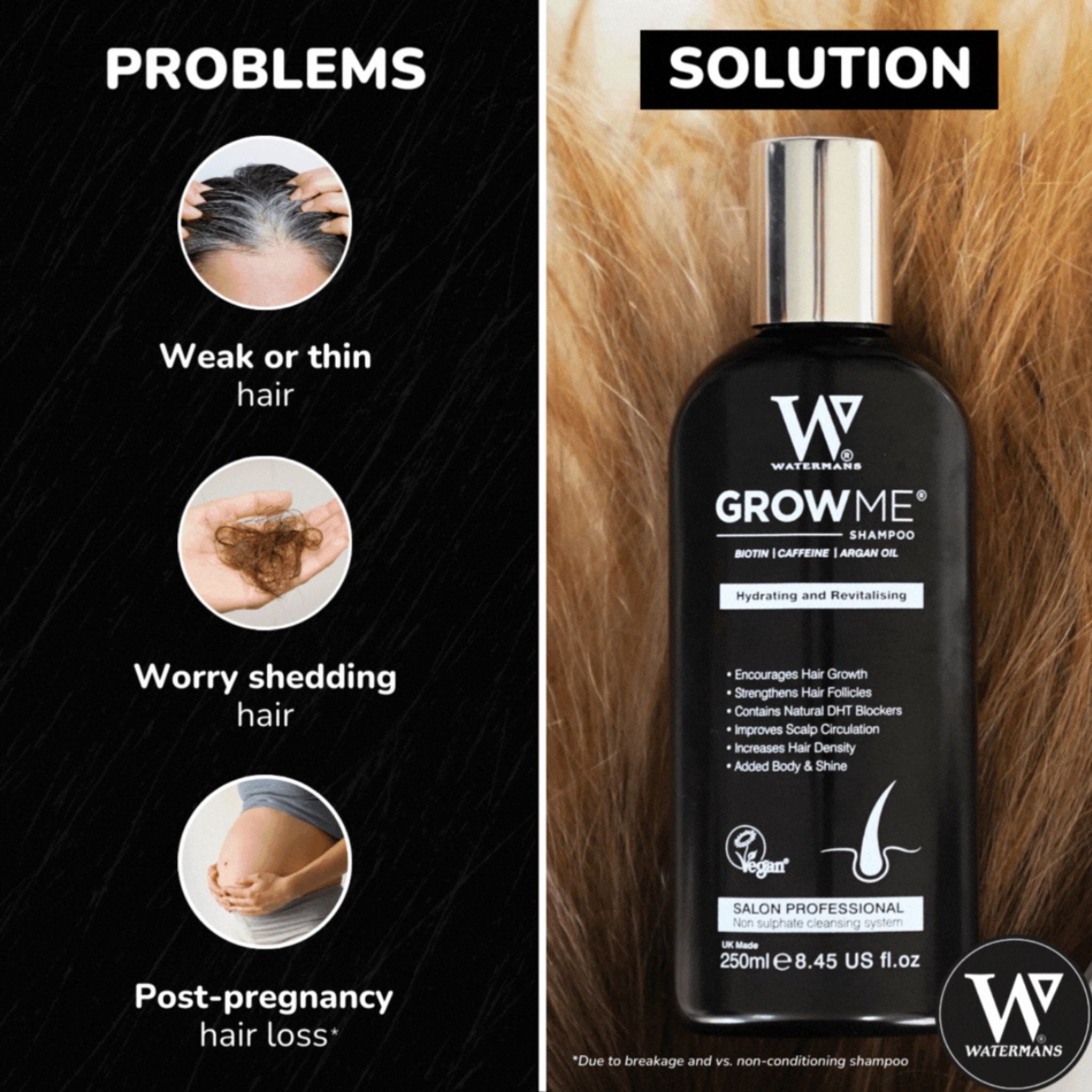
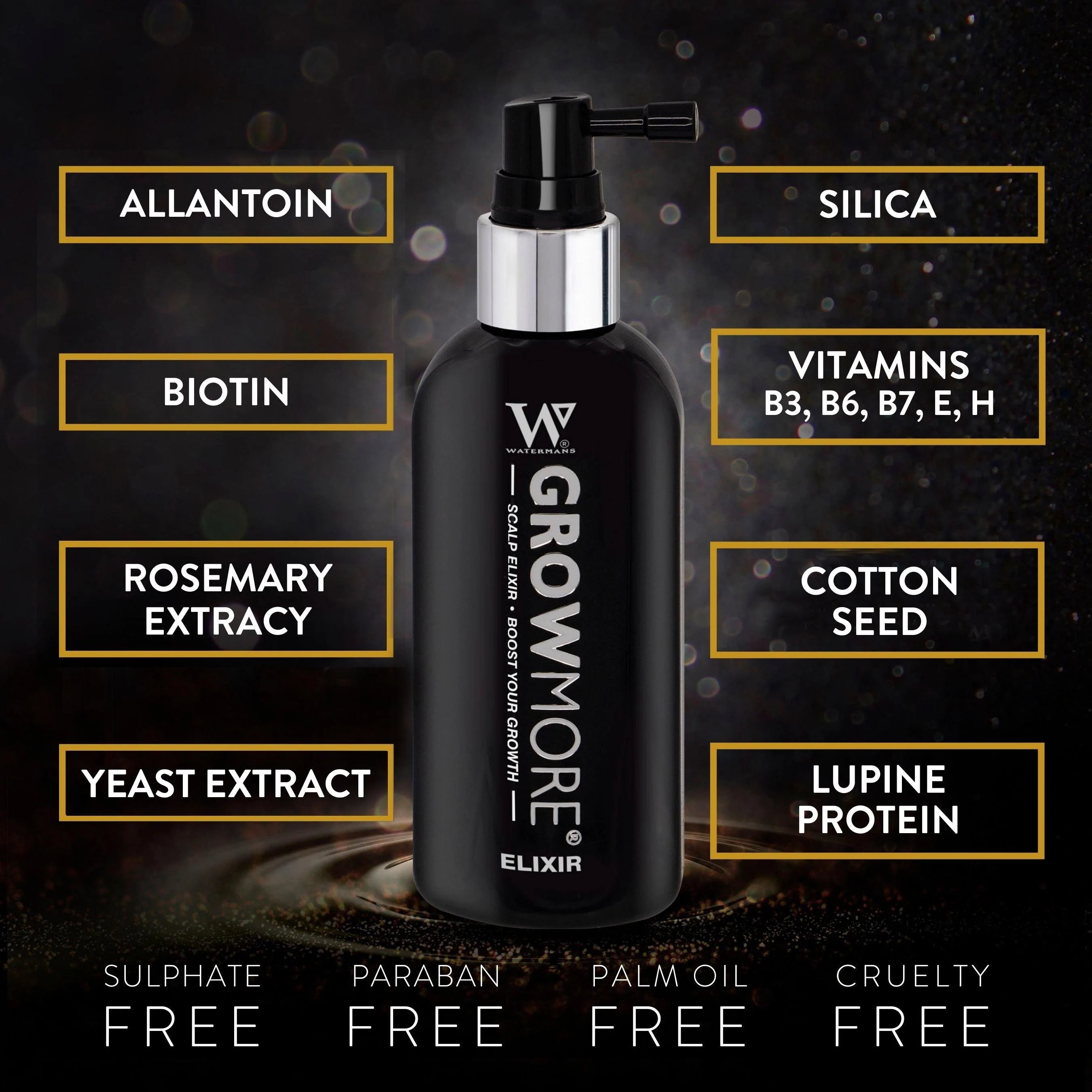
Before or with other treatments, using a mild product can help the scalp and hair. One top natural choice is Watermans Grow Me Shampoo. It has:
- Biotin to support hair's structure
- Rosemary to improve blood flow
- Caffeine to keep follicles strong
- Niacinamide to boost the scalp's barrier
- Argan Oil to smooth hair and reduce breakage
- Allantoin to calm the scalp
- Lupin Protein to add strength
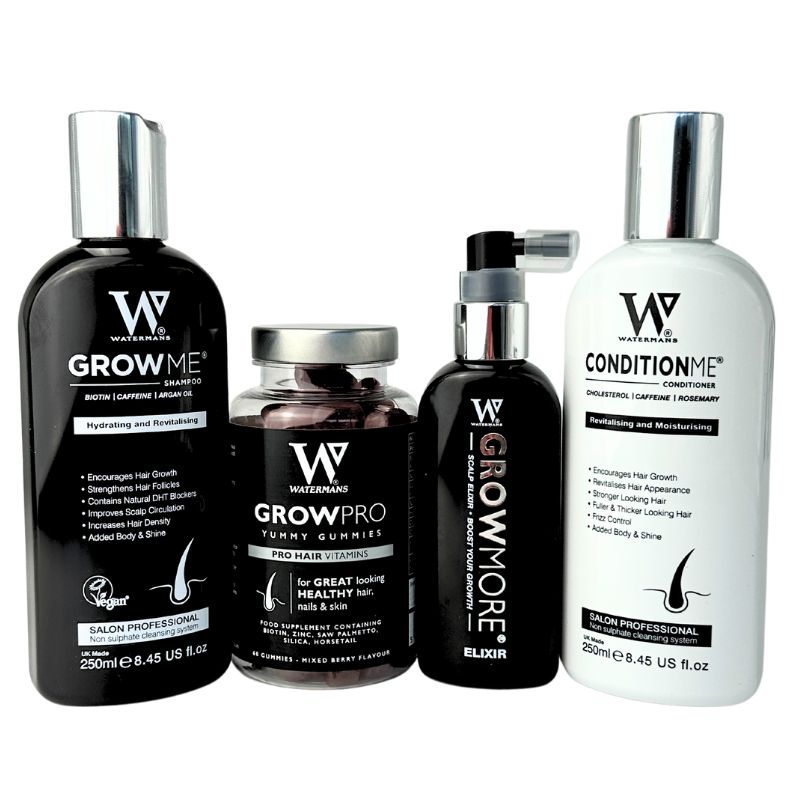
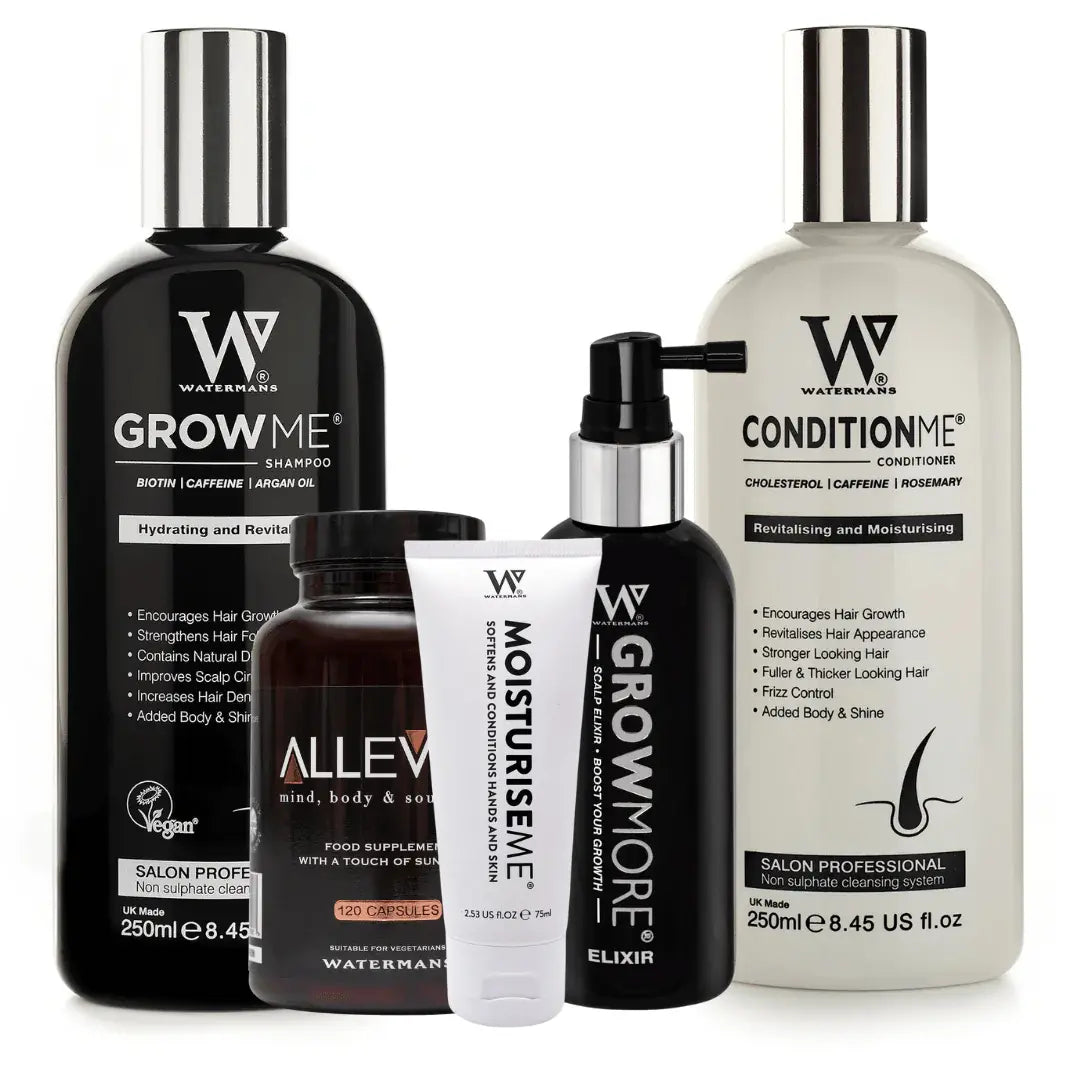
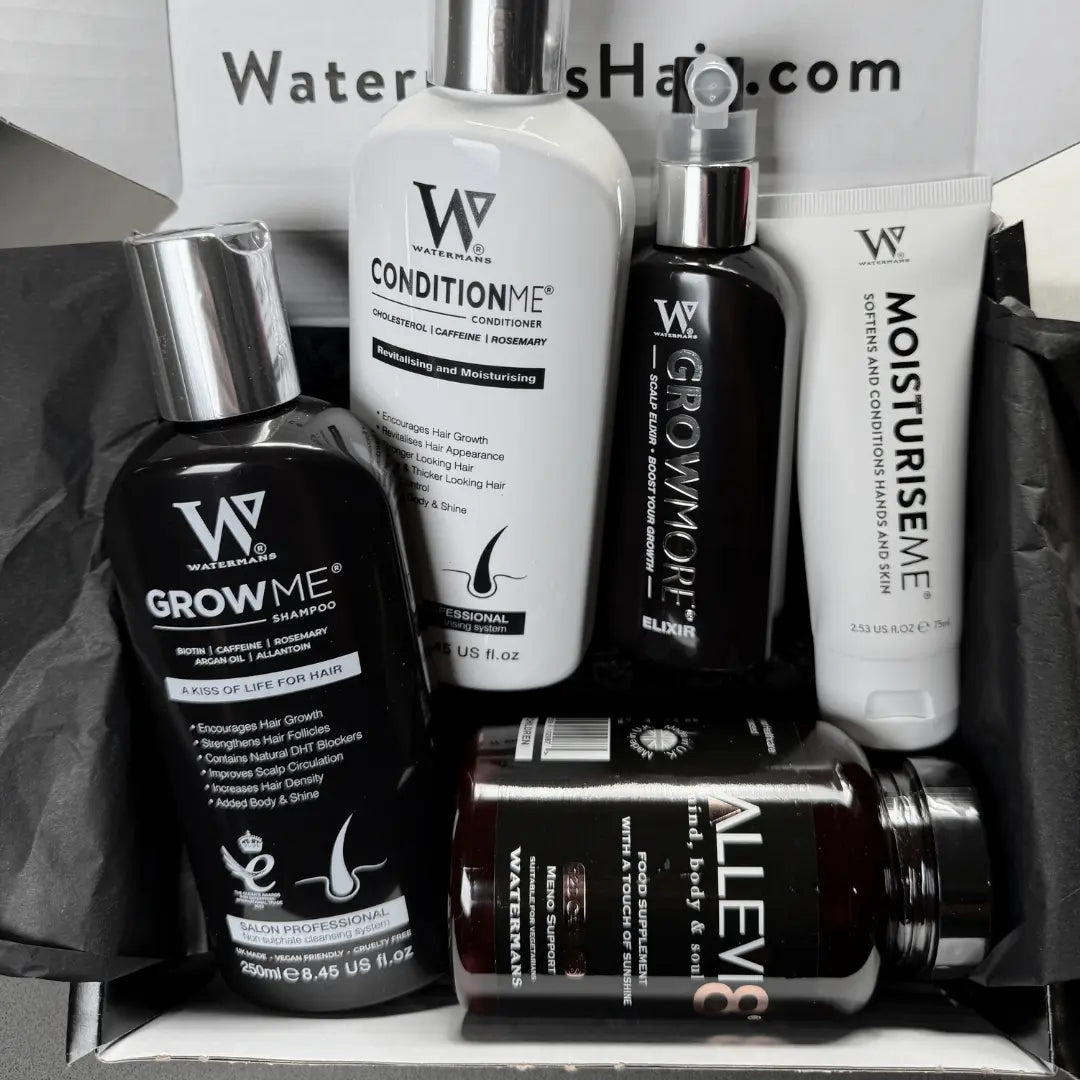
This blend helps the scalp and makes hair full from the roots. For more, try the Watermans Hair Survival Kit that adds extra support for full, strong hair.
Skin Care for Shaving, Laser, and Electrolysis
Taking care of your skin is as key as removing hair.
Before Shaving
- Wash with warm water to soften the hair.
- Use a gentle cleanser that does not dry your skin.
- Exfoliate lightly 1–2 times a week to avoid ingrown hairs.
During Shaving
- Apply a shaving gel or cream made for sensitive skin.
- Shave along the hair growth and only go against it if you must.
- Clear the razor often and change blades often.
After Shaving or Removal
- Rinse with cool water to calm your skin.
- Use a soothing, alcohol-free product with aloe, allantoin, or panthenol.
- Avoid harsh scrubs on treated skin.
Good skin care can cut down on razor burn, uneven skin tone, and ingrown hairs.
Balancing Feminine and Masculine Hair Goals
Manage hirsutism in ways that match your transition aims. No single method fits everyone.
For Trans Women / AMAB Non-Binary People
Many try to:
- Cut down facial hair, such as beard shadow
- Soften or reduce body hair to feel more feminine
- Keep head hair thick and healthy
Plans include:
- Estrogen plus blockers to slow growth
- Laser and electrolysis to clear the face long-term
- Using gentle scalp care like Watermans Grow Me Shampoo for head hair strength
For Trans Men / AFAB Non-Binary People
Goals often are:
- Grow fuller facial hair for a more masculine look
- Keep body hair in a neat, shaped form
- Stop or slow head hair thinning
Plans include:
- Testosterone therapy for overall hair change
- Regular grooming or trimming of body hair
- Early scalp care with products like Watermans shampoo and later, doctor-recommended treatments.
For Non-Binary People
Non-binary people set their own goals:
- Some want very little hair
- Some want a mix, like body hair but not on the face
- Many aim for a look that is true to them
You can choose:
- Which parts to remove permanently
- Where to trim or shave only
- How to treat head hair versus body hair
Building a Personal Transgender Hirsutism Plan
A clear plan puts you in charge and makes choices less hard. Try these steps:
- Define your hair and gender goals. List which areas you want clear, which you can manage short-term, and how key head hair is to you.
- Get a health and hormone check. Work with a trans-aware doctor to check hormone levels and spot any conditions that add to hirsutism.
- Begin or adjust hormone care if needed. This step is often the base of your plan. Set clear goals and timeframes.
-
Choose your method for hair removal.
- Laser for quick cut in dark hair
- Electrolysis for permanent removal
- Shaving, waxing, or creams for everyday care
- Support head hair health. Start a routine with products like Watermans Grow Me Shampoo or the Watermans Hair Survival Kit to keep your scalp strong while you manage other hair.
- Watch your progress and adjust. Take photos every few months. Change is slow but clear when you look back.
Everyday Tips for Living with Transgender Hirsutism
While longer treatments work, daily choices help you feel better.
Clothing and Styling
- Wear fabrics and cuts that give you comfort if you are shy about body hair. For example, try rash guards or long sleeves.
- Darker hues and textured cloth can hide hair or stubble.
Makeup and Camouflage
- Use colour correctors (such as peach/orange under blue-toned areas) under your base makeup. This light touch can hide hair shadows.
- Light, buildable layers work better than thick makeup.
Timing Your Routine
- Many trans women find that shaving just before makeup gives the smoothest start.
- Plan hair removal sessions when you can rest afterward. Your skin may be red or tender for a short time.
Mental Health and Confidence While Managing Hirsutism
Hirsutism affects your mind as well as your body.
Self-Compassion
- You are not falling short if hair removal is slow or needs more work.
- Your gender stays true, no matter your hair.
- Each step you take—whether booking a checkup, shaving gently, or using affirming products—is a step forward.
Community Support
- Online and local trans groups share advice on laser care, easing electrolysis pain, and what to expect.
- Hearing other voices can ease feelings of loneliness.
Professional Support
- Therapists who support gender identity can guide you through dysphoria, self-image, and anxiety.
- If hirsutism brings deep sadness or self-harm thoughts, seek help right away. Your well-being comes first.
Hormones, Hirsutism, and Long-Term Health
Taking care of transgender hirsutism means caring for your whole health.
Regular Hormone Checks
- Blood tests help keep estrogen, testosterone, and other levels in check.
- Too much suppression or unchecked levels may cause other health issues.
Nutrition and Daily Habits
- Eat enough protein to support hair growth where you want it.
- Include omega-3 fats, greens, and fruits to help skin and hair stay healthy.
- Drink water often. Well-hydrated skin fares better with shaving and treatments.
- Avoid smoking. It harms blood flow and weakens hair follicles.
Frequently Asked Questions About Transgender Hirsutism
1. How long does it take for transgender hirsutism to improve after starting hormones?
For many trans women, notice comes in 6–18 months with estrogen and blockers. While new hair may slow and soften, existing thick hair often stays. This is why methods like laser or electrolysis come into play. Body hair may change faster than facial hair. Patience is key.
2. What is the best hair removal method for transgender facial hirsutism?
Often, a mix of methods works best:
- Laser treatment cuts dark, rough hair to lower density.
- Electrolysis removes light or stubborn hairs for a full clear.
- Shaving and makeup fill gaps between sessions.
3. Can I manage transgender hirsutism and hair loss at the same time?
Yes. Many transgender people work to reduce body and facial hair while keeping head hair strong. In addition to drugs like finasteride or minoxidil (discussed with your doctor), you can start with natural scalp care, such as Watermans Grow Me Shampoo and the Watermans Hair Survival Kit. These help boost scalp strength and volume as you work on long-term solutions.
Take the Next Step in Managing Transgender Hirsutism
Transgender hirsutism can weigh on your emotions, but you can manage it with steady care. Medical treatments, hair removal steps, daily grooming, and kind scalp care all make a part of a real plan. You deserve to feel good in your skin. Whether you choose a smooth face, a shaped look, or thick head hair that fits your true self, your choice matters.
Start with clear goals. Meet with a trans-aware doctor about hormone care and explore referrals for laser or electrolysis. At the same time, care for your scalp with mild products like Watermans Grow Me Shampoo and the Watermans Hair Survival Kit. With steady care, support, and time, you can build a pattern of hair and self that fits who you are.