androgen suppression: what patients need to know about side effects
Androgen Suppression: What Patients Need to Know About Side Effects
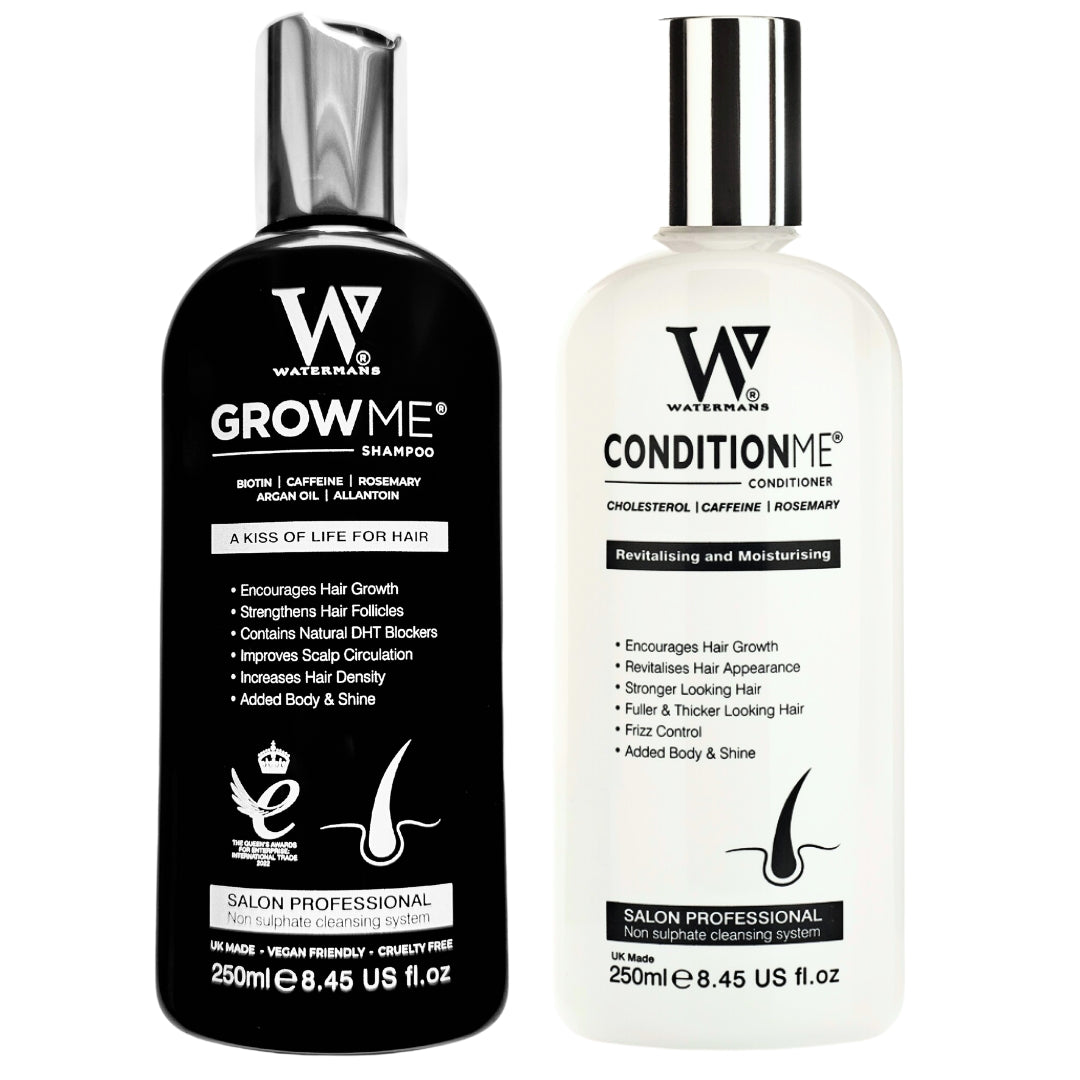
Androgen suppression cuts hormone levels to slow growth in some diseases. It can save lives in prostate cancer and other conditions. It also brings changes in the body and mind. Patients may not expect these shifts. Knowing how the treatment works and why side effects happen can help you plan your care. This guide explains the treatment in plain words. It lists common and less-known side effects. It also gives simple tips for handling them, such as using Watermans Grow Me Shampoo for hair care.
What Is Androgen Suppression?
Androgens are hormones like testosterone and DHT. They play a role in many body parts. Androgen suppression, also called ADT or hormone therapy, stops these hormones from working.
Why Are Androgens Suppressed?
Androgen suppression is used when:
- Prostate cancer needs treatment since cancer cells grow with these hormones.
- Transgender care needs hormone changes.
- Other conditions need treatment when hormones cause disease.
In prostate cancer, lowering androgen levels can slow tumor growth, ease symptoms, and extend life.
How Androgen Suppression Works
Different treatments work in close steps. They either lower hormone levels or block hormone action. Short sentences keep ideas near each other.
Common Forms of Androgen Suppression
-
LHRH Agonists and Antagonists (Injections or Implants)
- Drugs like leuprolide or goserelin act on the pituitary.
- They lower testosterone from the testicles.
- They often treat prostate cancer.
-
Orchiectomy (Surgical Removal of Testicles)
- The testicles are removed by surgery.
- This cuts testosterone fast and for good.
- It is less common today.
-
Anti-androgens (Tablets)
- Drugs such as bicalutamide block the hormone receptors.
- This stops testosterone and DHT from sending signals.
-
Androgen Synthesis Inhibitors
- For example, abiraterone stops an enzyme needed for making androgens.
-
Combination Androgen Blockade
- Sometimes injections are paired with tablets for full effect.
Androgens work in many body parts. Changing them gives many effects across body and brain.
Why Does Androgen Suppression Cause Side Effects?
Testosterone and DHT help in:
- Building and keeping muscle
- Keeping bones strong
- Making red blood cells
- Distributing fat
- Driving a healthy sex life
- Lifting mood and energy
- Growing hair
- Balancing metabolism
When levels fall, the body must change. Some parts adjust fast; others change slowly. How you feel depends on your age, health, treatment type, dose, length, and sensitivity. Recognizing side effects can help you act early.
Most Common Side Effects of Androgen Suppression
1. Hot Flashes and Night Sweats
Hot flashes come early in treatment. They bring:
- A sudden heat in the face, neck, or chest
- Flushed skin and sweating
- A fast heartbeat
- Occasional chills later
To ease these:
- Wear light clothes.
- Stop using hot rooms, spicy food, and alcohol.
- Try breathing slowly and relaxing.
- Ask your doctor about certain medicines.
Hot flashes may become less strong with time.
2. Sexual Side Effects
Changes in sexual life can be hard to face. They may include:
- Less desire
- Trouble with keeping or getting erections
- Lowered fluid volume
- Changes in orgasm or feeling
- Smaller genitals with long treatment
To help:
- Talk openly with your healthcare team.
- Consider medicines or mechanical aids.
- Seek sexual help or counselling.
- Know that some changes may go away after treatment ends, while others might last.
3. Emotional and Cognitive Changes
Hormone changes can affect your mood and mind. This may show as:
- Low mood or depression
- Anxiety or irritability
- Less drive and energy
- Slower thinking or mild memory problems
- Quick changes in emotions
Help may come from:
- Checking for mood changes regularly. Tell your team when you feel low.
- Getting help through counselling or support groups.
- Staying connected with friends and hobbies.
- Checking your medicines, as some may add to the effect.
Your feelings matter. Take them seriously and seek help when you need it.
4. Changes in Body Composition and Weight
Lower hormones may change your body shape. This can look like:
- Less muscle and strength
- More fat, especially around the belly
- A body that feels softer
- A slower metabolism and quick weight gain
To combat this:
- Do strength exercises a few times a week.
- Do moderate aerobic exercise, like walking or cycling.
- Eat protein and cut down on processed, sugary foods.
- Talk with a dietitian if you can.
Exercise builds strength and helps keep your body working well.
5. Bone Thinning (Osteoporosis and Fracture Risk)
Testosterone helps keep bones firm. When levels drop:
- Bone loss speeds up.
- Bone weakness can lead to fractures, especially in the spine, hip, and wrist.
- You may even see a loss in height or back pain.
To protect bones:
- Get scans to check bone density.
- Eat enough calcium and vitamin D.
- Do weight-bearing and strength exercises.
- Avoid smoking and heavy drinking.
- Discuss bone medicines with your doctor if needed.
Bone care fits in with your overall treatment.
6. Metabolic and Cardiovascular Changes
Androgen suppression may also affect your heart and metabolism. This may show as:
- More body fat and belly fat
- Trouble with blood sugar control
- Changes in cholesterol
- Higher blood pressure in some
To keep watch:
- Have your blood pressure, sugar, and cholesterol tested.
- Monitor your weight and waist size.
- Watch for signs like chest pain or difficulty breathing.
- Work with your team on lifestyle changes and possible medicine.
7. Fatigue and Low Energy
Many feel tired during treatment. Causes include changes in hormones, anemia, sleep loss, or the illness itself. To do better:
- Build activity slowly into your day.
- Create a sleep-friendly routine.
- Manage pain, anxiety, and mood changes.
- Check for issues like anemia or thyroid problems with tests.
Breaking your day into small parts can help you save energy.
Hair Changes with Androgen Suppression
Many worry about hair during androgen suppression. The scalp and body hair may change.
Scalp Hair
Androgens (especially DHT) affect hair on the head. With lower hormone levels:
- Some men see less hair loss or a small regrowth.
- The scalp may feel drier or more sensitive.
- Hair may grow slower or feel finer.
Androgen suppression is not a cure for hair loss. Age, genes, stress, and nutrition still matter.
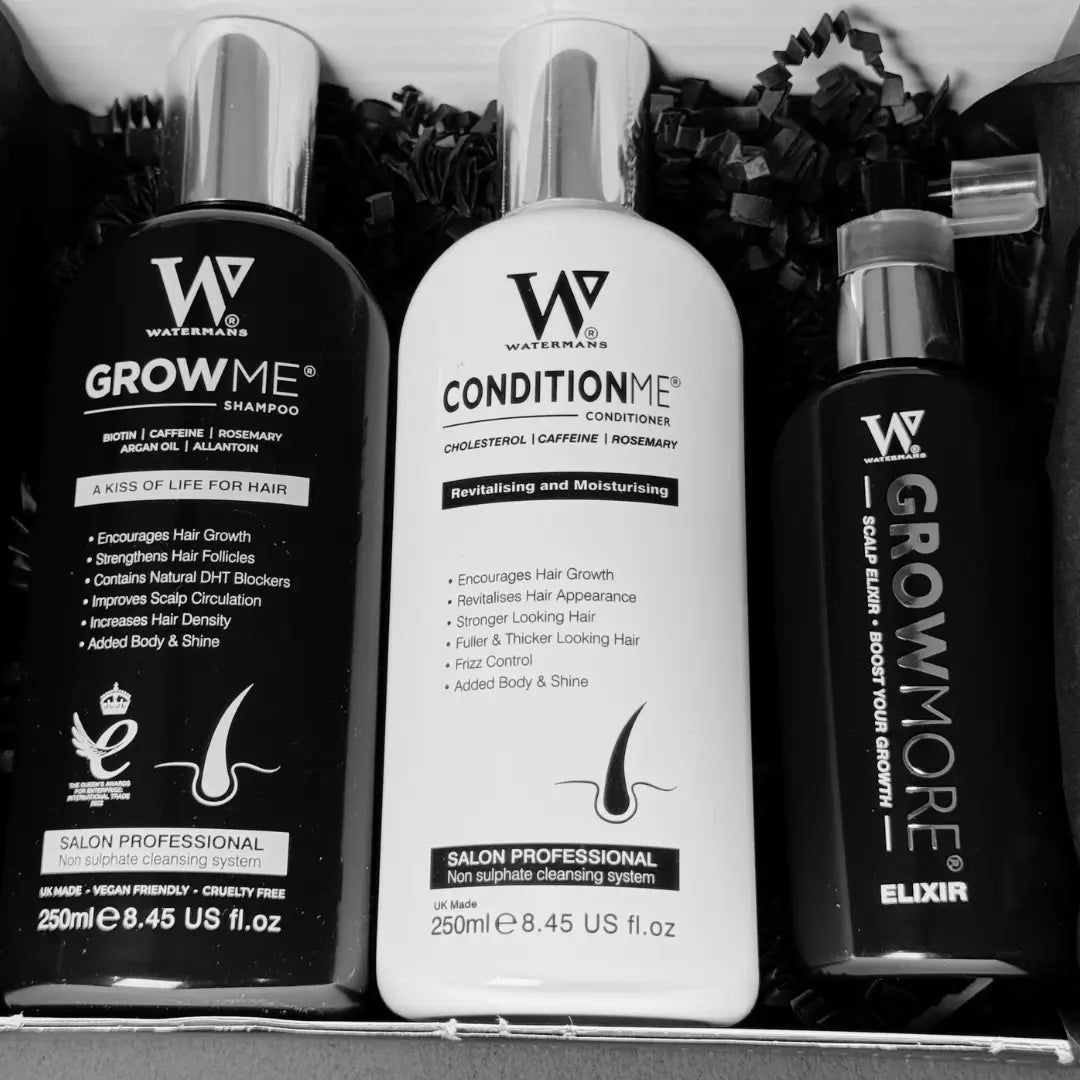
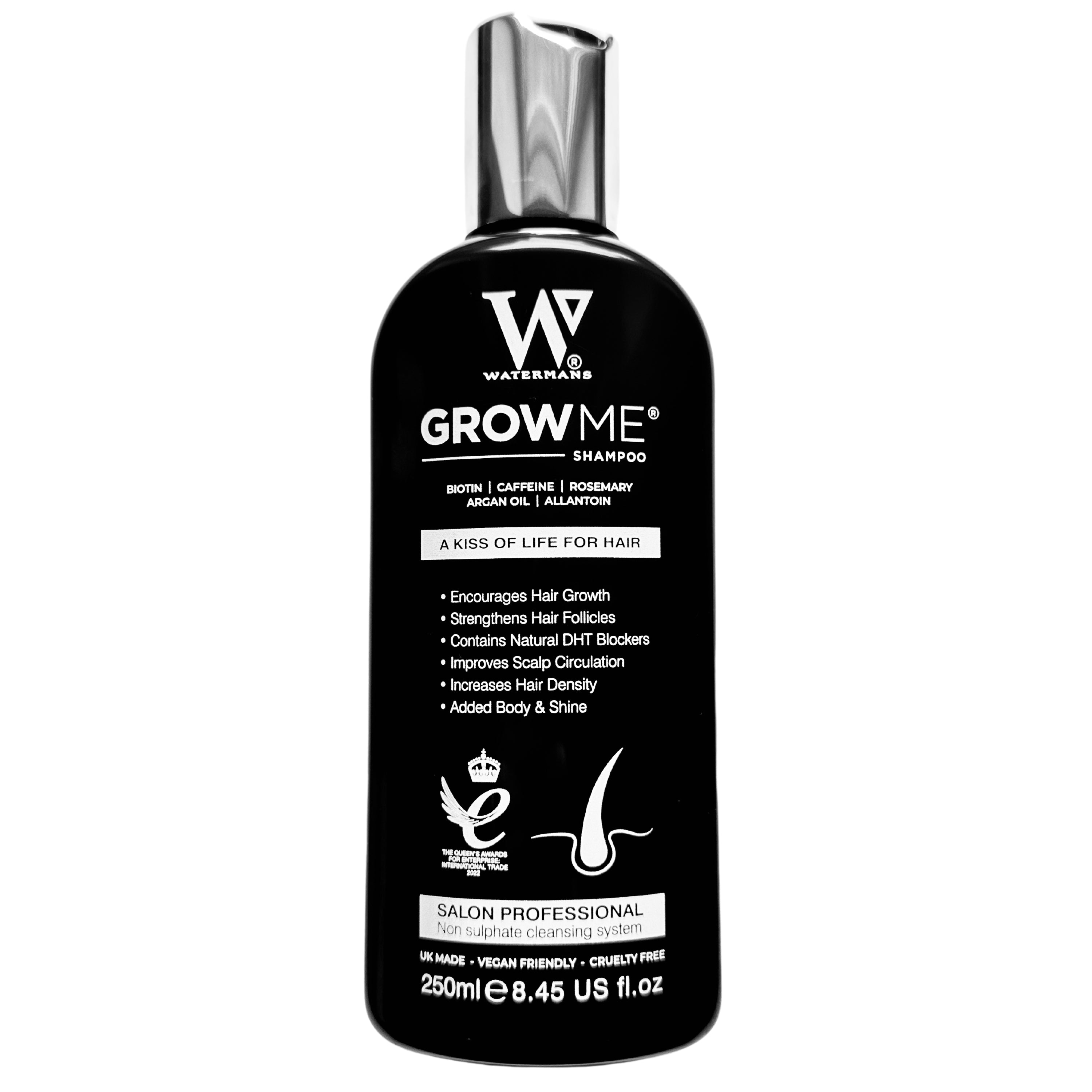
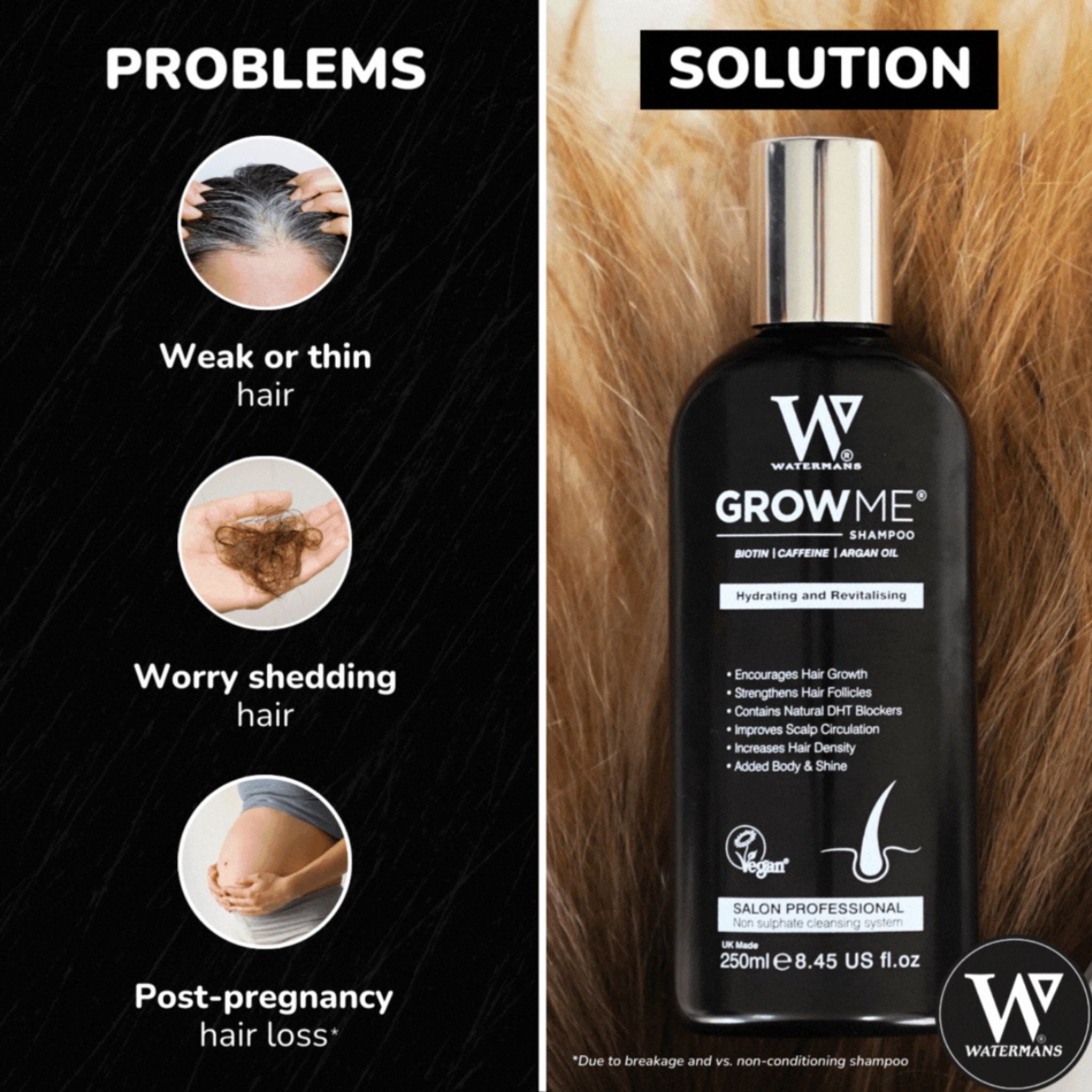
For those worried about hair quality, a mild, natural method can help. Watermans Grow Me Shampoo is one such choice. It contains:
- Biotin to build hair structure.
- Rosemary to support blood flow on the scalp.
- Caffeine to give a boost to hair follicles.
- Niacinamide to support scalp skin.
- Argan Oil to nourish the hair.
- Allantoin to soothe the scalp.
- Lupin Protein to support hair strength.
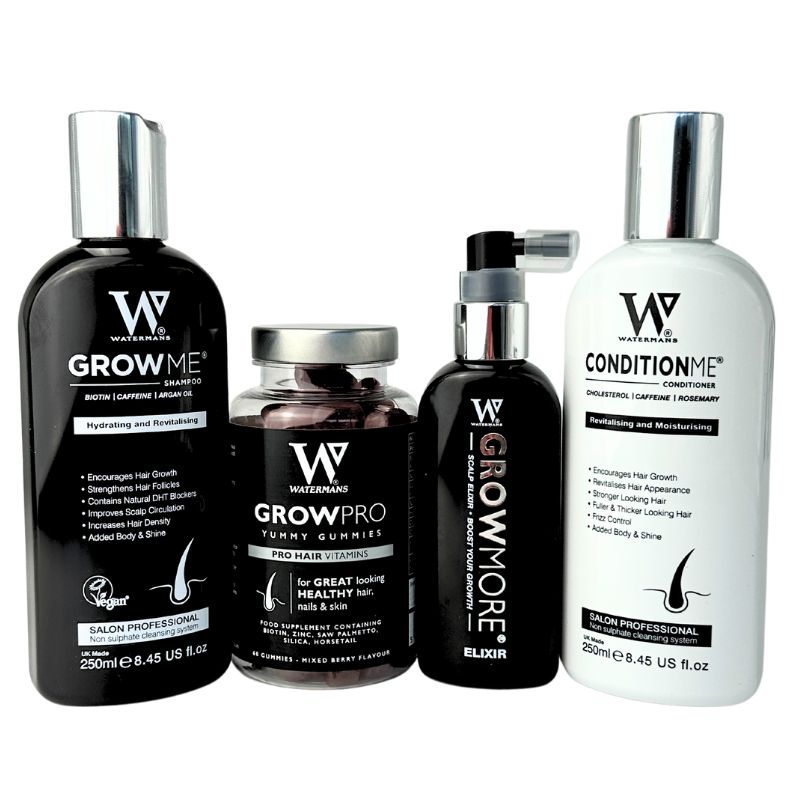
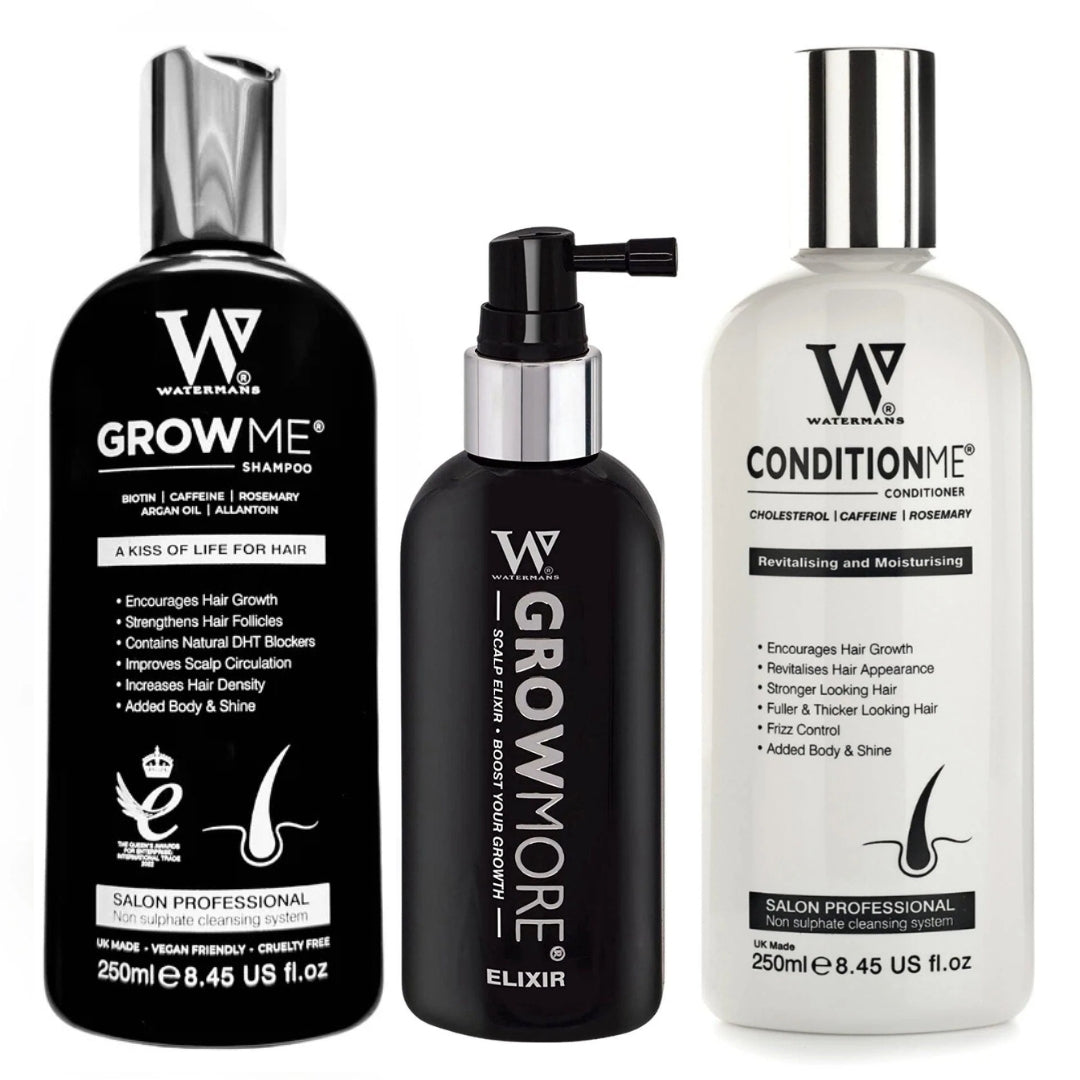
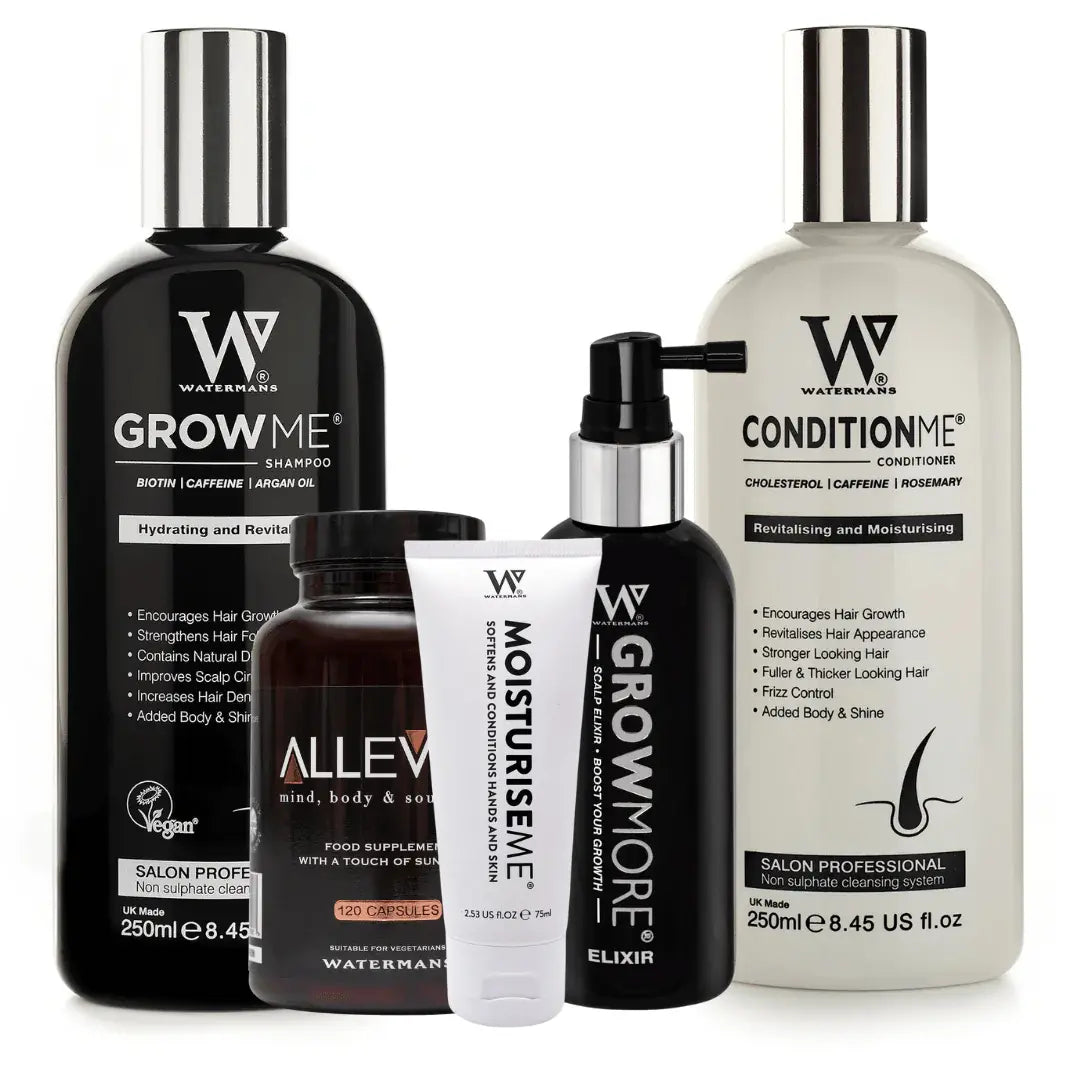
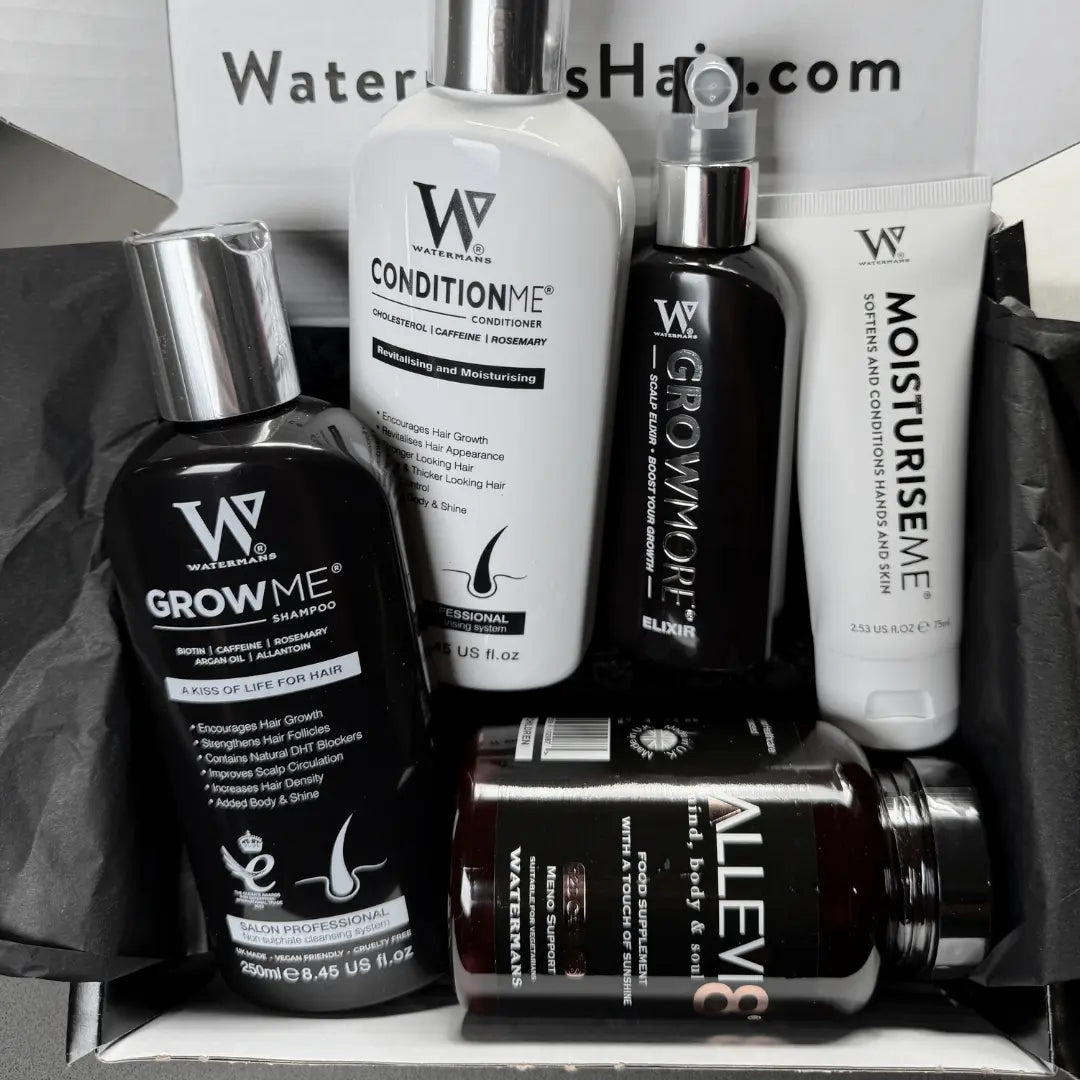
Some also choose the Watermans Hair Survival Kit. This set packs different products that work well together for hair and scalp care.

Body and Facial Hair
Fewer androgens slow hair growth on the body and face. This means:
- A slower beard and body hair growth.
- Less frequent shaving.
- Over time, hair on the chest, arms, and legs may thin.
For transgender women and some nonbinary people, this change can feel right. For others, it may seem like a sign of treatment.
Less Common but Noteworthy Side Effects
1. Gynecomastia and Breast Tenderness
Some treatments may cause breast tissue to grow or feel sore. This change may be small or more clear. It can lead to discomfort or worry about body image.
To manage:
- Some cases may use low-dose radiation early on.
- The treatment plan may be adjusted.
- Severe cases might even need surgery.
Let your doctor know about any breast changes.
2. Anemia
Testosterone helps make red blood cells. When levels fall:
- Blood counts may drop.
- You might feel tired or out of breath.
- Your skin may look pale.
Your healthcare team will check your blood counts. If you show signs of anemia, they can plan treatments such as iron checks or other medicines.
3. Effects on Liver and Other Organs
Some anti-androgens and androgen blockers taken by mouth may affect the liver or other organs. Your team will check:
- Liver test results
- Electrolytes
- Kidney function
Attend all tests and report signs like yellow skin, dark urine, or pain in the upper stomach.
Managing Side Effects of Androgen Suppression Every Day
You can work on your health during treatment. Here are simple daily steps:
Lifestyle Changes That Help
-
Exercise regularly
Use strength training to keep muscles and bones strong. Add walking, cycling, or swimming for your heart. -
Eat well
Fill your plate with vegetables, fruits, lean proteins, whole grains, and healthy fats. Get enough calcium and vitamin D. Cut back on sugary drinks, processed foods, and too much alcohol. -
Sleep well
Keep to a regular sleep schedule. Fix problems like hot flashes or pain that disturb your sleep. Turn off screens before bed and keep heavy meals away from bedtime. -
Reach out for support
Consider counselling or a support group. Try relaxing exercises or mindfulness. Always tell your doctor if feelings or moods change. -
Caring for your skin and hair
Use skin and hair products that feel gentle. A shampoo that cares for your scalp, like Watermans Grow Me Shampoo, can help if your hair seems dull. For a full set of products, check the Watermans Hair Survival Kit.
Androgen Suppression and Quality of Life: Weighing Pros and Cons
For many with prostate cancer, androgen suppression can:
- Slow down cancer growth
- Ease pain from urination or bone issues
- Extend life and help when combined with other treatments
For transgender women:
- The treatment helps make their body match their identity.
- It lowers body hair and improves the effect of estrogen.
- It can ease feelings of gender discomfort.
These benefits come with real changes in your body and mind. The aim is to control the illness or support your identity while keeping your life as good as possible.
A good view is to see androgen suppression as one part of a larger plan. This plan includes:
- Medical treatment
- Daily habits
- Emotional and relationship care
- Grooming and skin routines that help you feel good
Key Questions for Your Healthcare Team
Before and during treatment, ask clear questions. This helps build a good plan.
You might ask:
-
Why is androgen suppression the right choice for me?
Learn if the goal is to control the disease, ease symptoms, or support gender care. -
What type of treatment will I get, and for how long?
Find out if you will have injections, tablets, surgery, or a mix. -
Which side effects should I expect?
Ask based on your age, health, and medicines. -
How will my health be checked during treatment?
Know about tests for blood, bones, and hormones. -
What can I do at home to help my health?
Get tips on exercise, food choices, and self-care. -
If side effects are hard to live with, what are my choices?
Ask about changing doses, switching medicines, or taking breaks if safe. -
Should I meet other specialists?
Ask if you need to see a heart doctor, diet expert, or counsellor.
Open talk helps shape a plan that meets your needs.
Frequently Asked Questions about Androgen Suppression
1. Do side effects always last after treatment?
Many side effects—like hot flashes, lower desire, and some mood shifts—often improve when treatment stops and hormone levels return. The chance for full recovery depends on your age, treatment length, and overall health. Some changes may not fully go back but can improve with the right care.
2. Can androgen suppression help with hair loss?
Lowering androgens can slow hair loss driven by DHT. Some people see a bit of regrowth; others see little change. Age, genes, and overall hair health still count. If you want better hair feel and look while on treatment, try a supportive method such as Watermans Grow Me Shampoo. Its mix of Biotin, Rosemary, Caffeine, Niacinamide, Argan Oil, Allantoin, and Lupin Protein works to boost your scalp and hair.
3. What are the long-term risks of lowering androgens?
Long-term treatment may speed bone loss, add to weight changes and insulin issues, and affect the heart. It may also lead to lasting sexual or mood changes. Not everyone sees all these issues. Keep up with tests and follow suggestions on bone and heart care. Keep the conversation open with your team about how long to treat and if breaks might help.
Taking an Active Role in Your Androgen Suppression Journey
You are a key part of your treatment. This means:
- Asking until you understand the plan.
- Telling your doctor when side effects start.
- Building a healthy routine with movement, good food, and enough sleep.
- Seeking support when you need a listening ear.
Notice how you feel each day. Small acts of care, like a steady grooming routine or using good skin and hair products, can help you feel more yourself. If you worry about hair thickness or volume, consider Watermans Grow Me Shampoo. The Watermans Hair Survival Kit is another complete option to boost your hair care during treatment.
This simple, step-by-step approach keeps words and ideas close. It helps you understand each step as you work with your healthcare team for your well-being.