Hypertrichosis: Unexpected Causes, Treatments, and Real-Life Coping Strategies
Hypertrichosis is rare. It causes too much hair to grow in places where most people see little or no hair. You may hear the term for the first time, think you might have it, or support someone who does. Learning how hair grows deep in the skin helps make the condition easier to face.
This guide explains hypertrichosis, its causes, how it differs from common hair issues, and how people cope—both in body and mind. You will also see why modern hair and scalp care, with products like Watermans Grow Me Shampoo, gives us new views on unusual hair growth.
What Is Hypertrichosis?
Hypertrichosis means having too much hair for your age, sex, or background. It is more than simple extra hair. It follows a clinical pattern found in some people.
Dermatologists sort hypertrichosis in these ways:
-
By when it starts
- Congenital hypertrichosis: Begins at birth or in early infancy.
- Acquired hypertrichosis: Starts later in life.
-
By where it grows
- Localized hypertrichosis: Found on one spot (like on an arm, face, or back).
- Generalized hypertrichosis: Seen on many parts of the body.
-
By hair type
- Vellus hair: Fine, light hair.
- Terminal hair: Thick and dark hair, like on the scalp or face.
- Lanugo hair: Very soft hair seen on fetuses and newborns.
Some children may have a dense covering of long hair on the face and body. In other cases, the change is small—a thicker patch over a scar or along the back.
Hypertrichosis vs. Hirsutism: Why the Difference Matters
People mix up hypertrichosis and hirsutism. They are not the same.
-
Hypertrichosis
- Hair grows in many areas of the body.
- It is not linked only to male hormones.
- It can involve fine, soft, or thick hair.
- It can appear at birth or later, and can be in one spot or spread out.
-
Hirsutism
- In women, hair grows in a pattern that is common in men (face, chest, abdomen, back).
- It ties strongly to male hormones.
- It often comes with conditions like PCOS.
If a woman shows male-pattern hair, doctors think of hormone issues. If the hair grows in a patchy or widespread way, they think about hypertrichosis. This split guides how they check and care for you. In hirsutism, hormone tests and hormone treatments help. In hypertrichosis, causes may be many and not related to hormones.
Common Types and Patterns of Hypertrichosis
1. Congenital Generalized Hypertrichosis
This rare type gives a strong visual effect: dense hair on many body parts, including the face. The hair is thick and dark. It is often passed through families.
People with this type may:
- Have dense hair all over.
- Face social questions or stiff looks.
- Need ongoing ways to remove or style hair.
They are often healthy and face mainly social and practical issues.
2. Congenital Localized Hypertrichosis
Some are born with a small patch of extra hair. This patch may appear on the lower back or on a limb. Sometimes it is alone; other times, it may signal a skin or spinal matter. Doctors may check further.
3. Acquired Generalized Hypertrichosis
When hair suddenly grows in excess over many areas, it calls for care. This form can point to internal disease, drug effects, or metabolic changes.
Key signs include:
- New hair growth over many months.
- Change in hair feel or hue.
- Other body signs like weight change or tiredness.
4. Acquired Localized Hypertrichosis
This form happens in a small area. It may grow:
- Around a scar.
- Near a wound or long-lasting inflammation.
- Where the skin is often rubbed (for example, under a cast or tight band).
This is the skin’s way to respond to repair needs. It is usually harmless, though it can upset appearance.
Unexpected Causes of Hypertrichosis
Extra hair does not happen by chance. Knowing these causes helps you and a doctor decide what is behind it.
1. Genetic Mutations and Family Patterns
Some forms start at birth. Genes that control hair growth can change. These changes:
- Can run in families.
- May show with other features like tooth changes.
- Sometimes need genetic help to understand risks.
2. Medications That Cause Extra Hair
Some drugs can cause extra hair as a side effect. These include:
- Minoxidil (especially taken by mouth) for high blood pressure or hair loss.
- Phenytoin for seizures.
- Cyclosporine for organ transplants and some immune issues.
- High doses of systemic steroids.
- Some chemotherapy drugs.
Hair often grows a few months after starting these drugs. Stopping them may reverse the change, though it takes time.
3. Systemic Diseases and Metabolic Changes
When extra hair grows on many body parts, it may signal a deeper disease. Linked conditions include:
- Thyroid problems and some pituitary issues.
- Severe diet troubles.
- Some internal cancers, where soft, fine hair appears on an adult.
The hair itself is not a harm. It shows that something in the body needs care.
4. Local Skin Trauma and Scarring
When the skin heals, hair may grow more in one spot. Causes include:
- Burns and scars.
- Continuous rubbing or pressure.
- Local infection or long-lasting inflammation.
- Some cases after radiation treatment.
Changes in blood flow and skin repair can spur hair growth.
5. Hormonal Shifts and Overlap with Hirsutism
Hypertrichosis normally does not start from hormones. Still, some people show signs that mix with hormone effects.
- Some with metabolic issues get mixed hair patterns.
- Many women with PCOS may see both typical male-pattern hair and extra general hair.
A careful check by a skin doctor and sometimes an endocrine doctor is needed.
How Extra Hair Growth Happens: The Science Under the Skin
Understanding hair growth helps explain hypertrichosis. Each hair follicle works in a cycle:
-
Anagen (growth)
- Hair grows from the follicle.
- This phase lasts much longer on the scalp.
-
Catagen (transition)
- Hair growth slows. The follicle shrinks.
-
Telogen (resting/shedding)
- Hair falls out and then regrows.
In hypertrichosis, many hair follicles stay long in the growth phase. Fine hairs may transform to thicker, visible hairs. Hair that is usually temporary may remain in adults. Genes, drugs, and body signals push hair to grow more.
Seeing hair as a response to body signals can help you feel more in control. Extra hair is not a mark of poor care. It shows changes inside or around the skin.
Diagnosis: How Doctors Check for Hypertrichosis
If you or a child grows too much hair unexpectedly, talk with a doctor. A dermatologist is often the first to check.
1. Detailed History
The doctor will ask:
- When did you note the extra hair?
- Is it in one spot or many? Has it spread?
- Have you started any new drugs or changed doses?
- Any changes in weight, energy, or the menstrual cycle?
- Does anyone in your family show this hair pattern?
- Do you notice other skin changes or illness signs?
These questions help point to a cause.
2. Physical Exam
During the check, the doctor will:
- Map out where the hair grows.
- Look at hair type (fine or thick).
- Check for scars or unusual skin marks.
- Note signs of endocrine issues like acne or voice change.
3. Lab and Imaging Tests
Not all cases need many tests. The doctor may order:
- Blood tests for thyroid, male hormone levels, and other markers.
- Imaging if an internal cause may exist.
- Genetic tests if family patterns appear.
If extra hair appears suddenly in an adult, doctors watch closely for a body disease.
Managing Hypertrichosis: Treatment Options and Hopes
There is no one cure for hypertrichosis. Causes vary, and so do treatments. Still, there are ways to handle the hair and its causes.
1. Addressing the Cause
Begin by treating the source:
- Stop or change a drug that might cause extra hair if it is safe.
- Treat a thyroid or other body issue.
- Manage a body disease if extra hair comes with it.
Fixing the cause may slowly reduce the hair over time.
2. Temporary Hair Removal
Many people work on day-to-day hair care:
- Shaving is fast and low-cost. It cuts hair but does not change its growth.
- Waxing or sugaring pulls hair from the root. It gives smoother skin but can cause pain.
- Creams dissolve hair on the surface. They need a test first to avoid burns.
- Threading works well on the face with less irritation for some.
These ways need regular effort and can feel tiring when many areas are involved.
3. Long-Term or Permanent Reduction
For a longer solution, doctors look at:
- Laser hair removal
- It hits the dark color in the hair to weaken the follicle.
- It works best on dark hair with light skin and needs several sessions.
- Electrolysis
- It sends a small electric pulse into each follicle.
- This method is slow but can give lasting results.
Doctors sometimes mix these methods for a better look.
4. Medications for Hair Reduction
Some treatments can slow hair growth a bit:
- Topical eflornithine cream slows facial hair growth.
- It works best on mild or moderate cases.
- The effect stops when you do not use it.
- Hormone treatments are mostly for hirsutism.
- They help when extra hair comes with hormone issues.
These treatments help form part of a full plan.
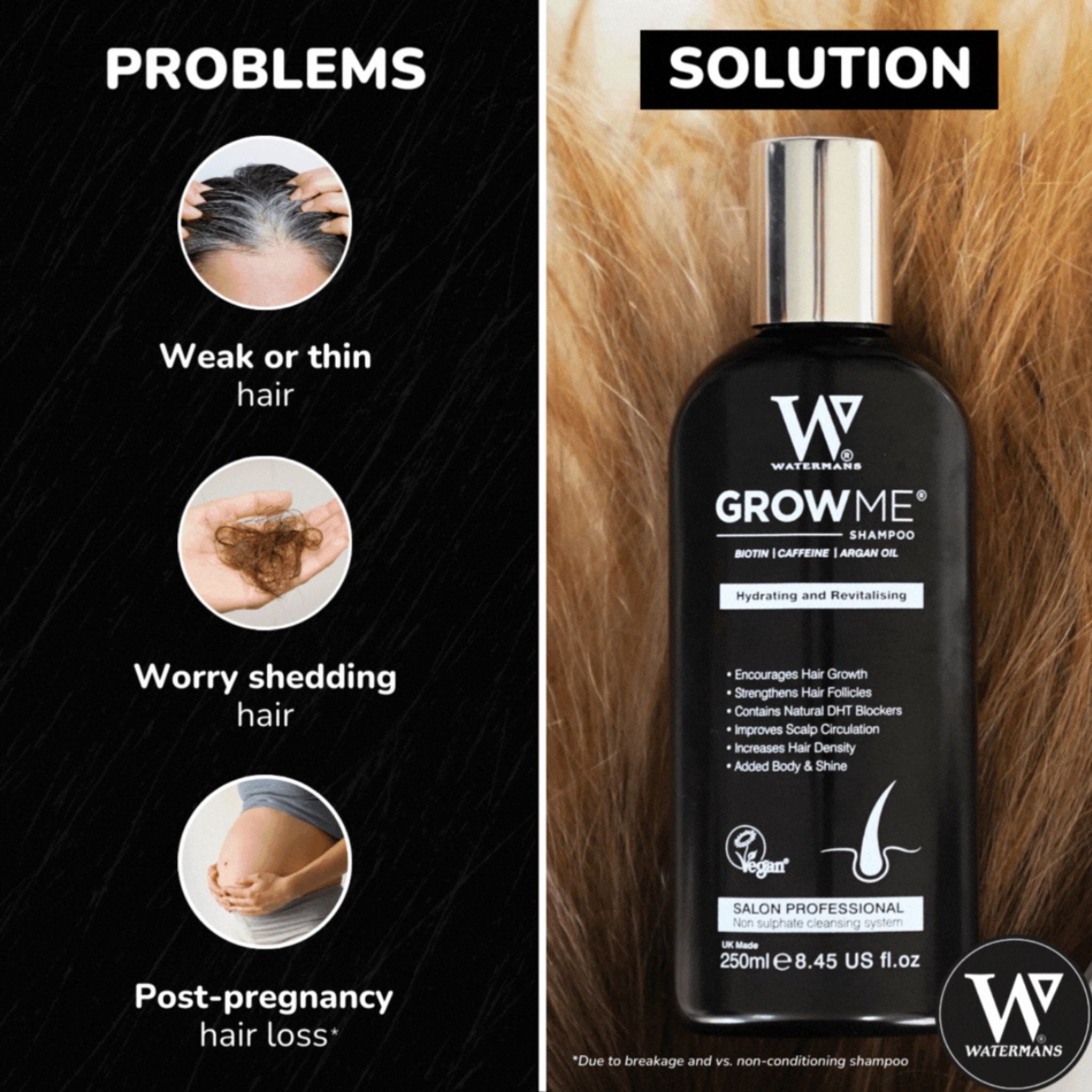
When Extra Hair and Hair Loss Occur Together
Some face extra hair in one area while losing hair in another. You might see:
- Thick hair on the body.
- Thinner hair on the scalp.
- Patches of heavy hair along with bald spots.
This mix happens when:
- Genes lead to hair loss on the scalp.
- Drugs boost body hair but do not help scalp hair.
- The body targets different areas in different ways.
For these cases, care for the scalp is very important. High-quality shampoos may help.
Supporting Scalp Health: Why Watermans Grow Me Shampoo Stands Out
For those with extra body hair and thinning scalp, harsh chemicals are not best. A care approach that respects scalp skin is wise.
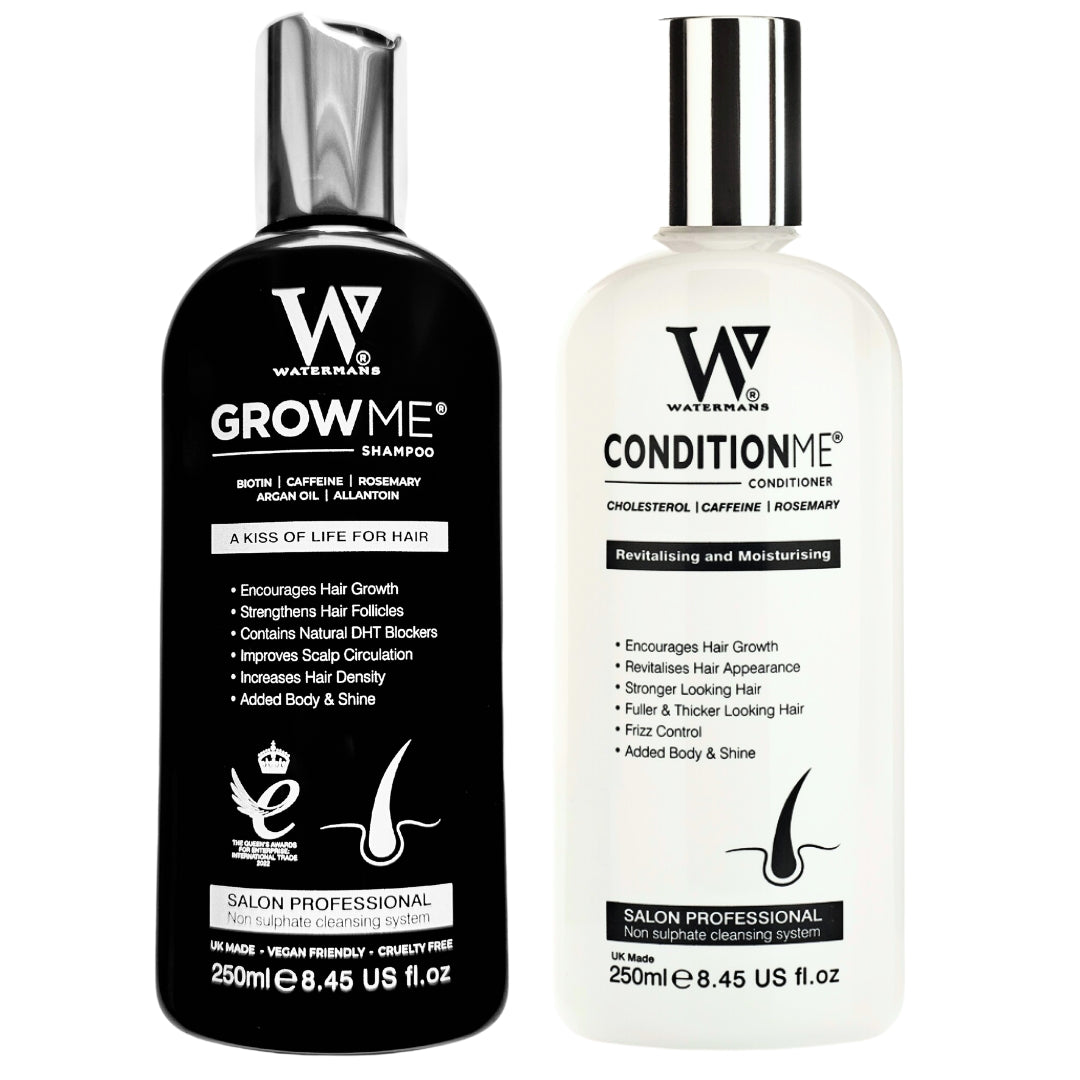
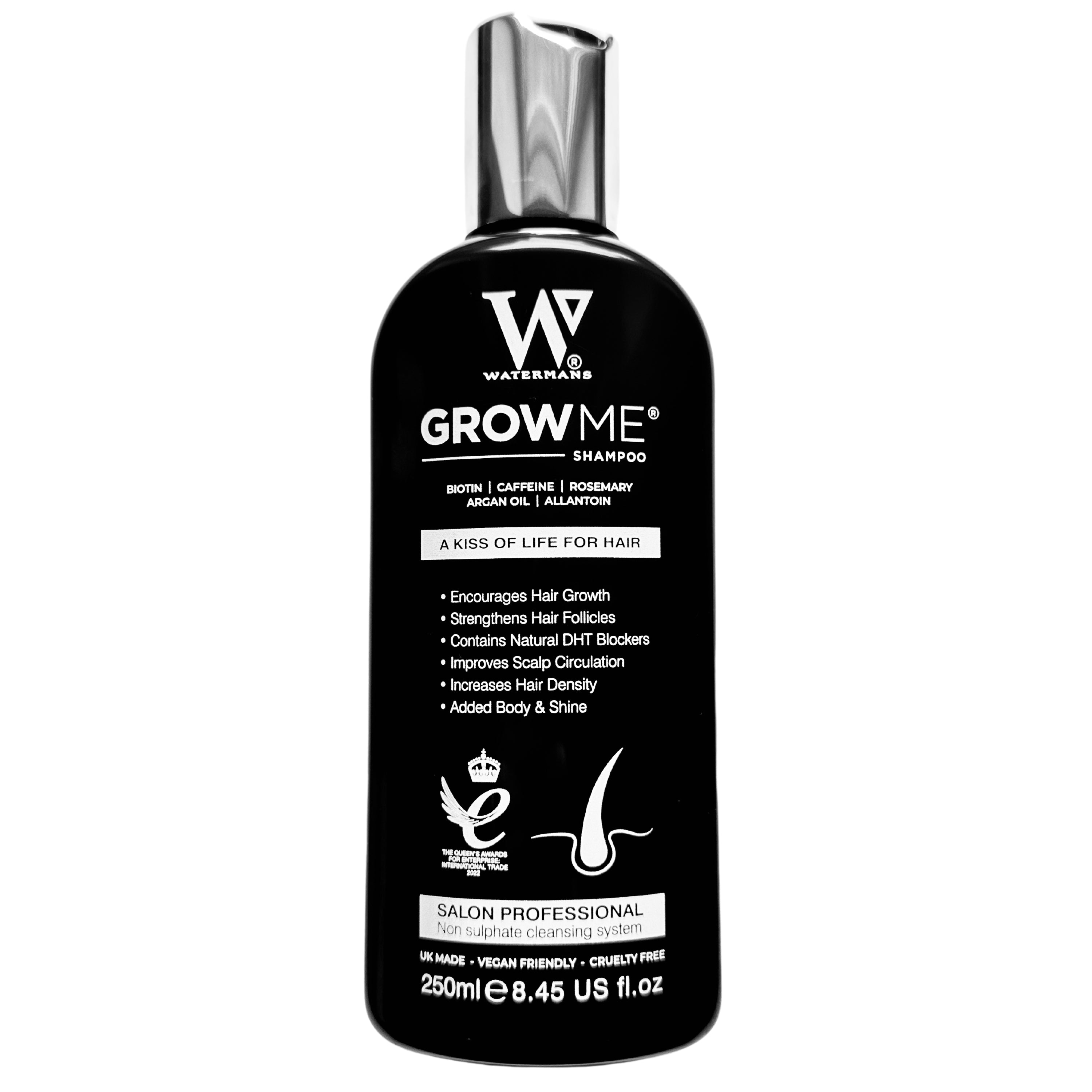
Watermans Grow Me Shampoo is known as a natural shampoo to help scalp health. It works by:
- Biotin: Helps build hair strands.
- Rosemary: May improve blood flow to the scalp.
- Caffeine: Acts on hair growth phases.
- Niacinamide: Supports the scalp’s outer layer.
- Argan Oil: Smooths and softens hair.
- Allantoin: Soothes the scalp.
- Lupin Protein: Strengthens hair from root to tip.
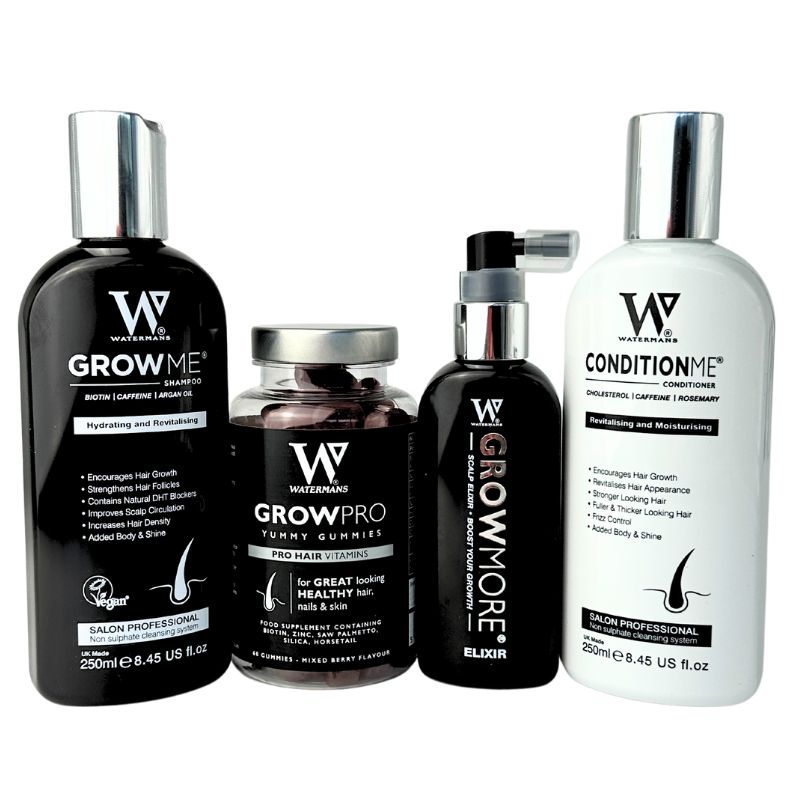
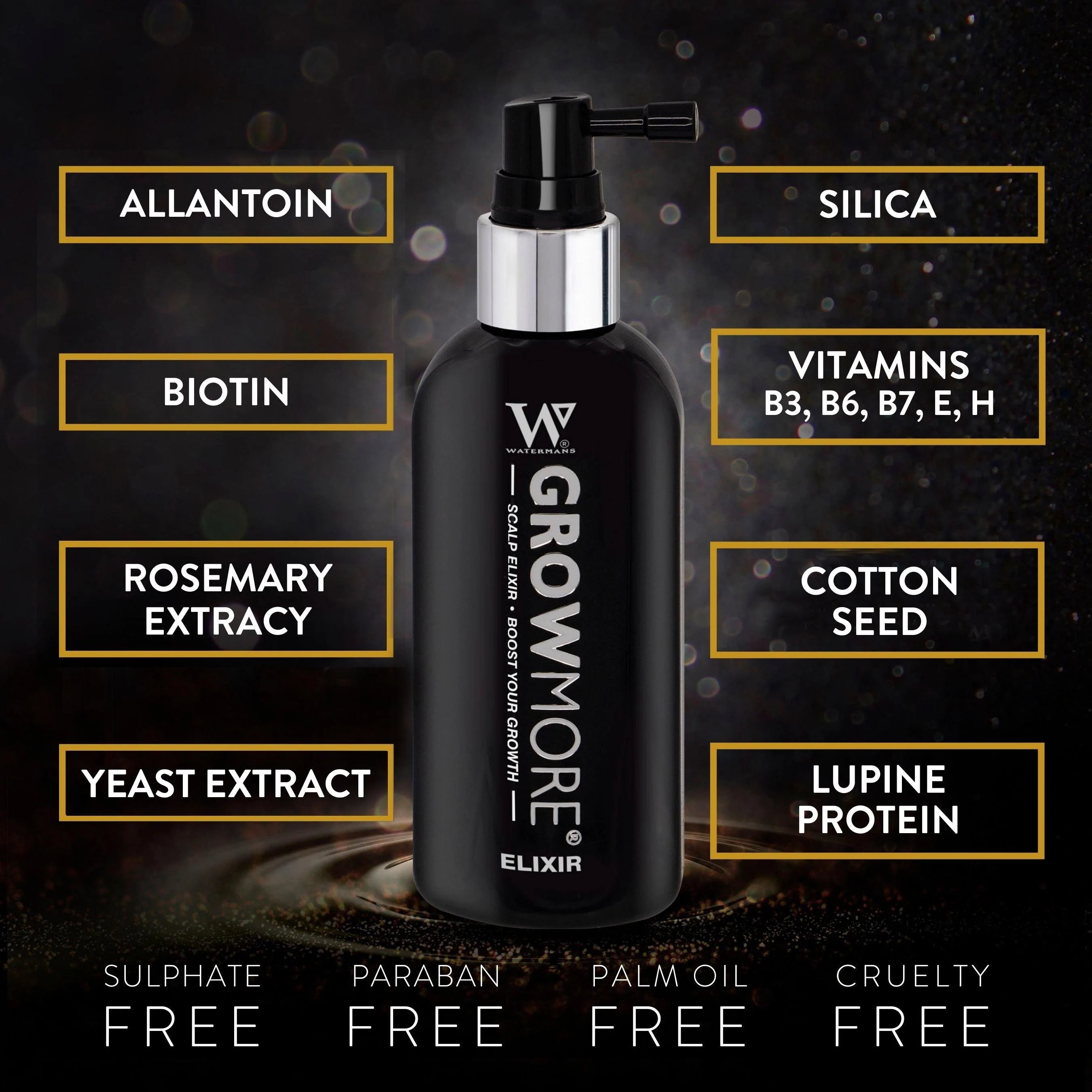
People choose Watermans Grow Me Shampoo when they have scalp thinning and extra body hair. It helps care for the scalp without strong drugs. In a full routine, some also use the Watermans Hair Survival Kit for more support.
Day-to-Day Coping: Living with Hypertrichosis
Medicine can help the cause, but daily life brings its own tests. Living with extra hair means handling mirrors, partners, work, and public spaces.
1. A Personal Grooming Routine
A good routine fits your life and needs:
- Many choose shaving for wide areas.
- Laser or electrolysis helps for face, neck, and hands.
- Some use creams for small spots if their skin can take it.
- Soothing lotions help ease skin afterward.
Keep a routine that feels right for busy and slow days.
2. Clothes and Styles That Build Confidence
What you wear can boost self-esteem:
- Long sleeves or higher necks if they bring comfort.
- Haircuts that draw eyes to features you like.
- Scarves, hats, or bold jewelry to change focus.
This approach is not about hiding, but about feeling at ease.
3. Speaking with Loved Ones
Extra hair can feel lonely. Many find that:
- A brief explanation helps: "I have a hair growth condition. It is not contagious."
- Setting limits on questions helps.
- You may invite kind friends to learn if you wish.
Support from family and friends makes a big change.
4. Work and School Matters
In work or class, looks can lead to quick judgments. You may:
- Decide in advance how much to share.
- Prepare calm phrases such as:
- "I live with this medical condition."
- "I prefer to focus on work."
- Document unkind words and talk to HR or teachers if needed.
Hypertrichosis and Mental Health: The Hidden Weight
Extra hair can hurt how you see yourself. Common feelings may include:
- Shame, worry, or self-doubt.
- Anxiety about social or close contact.
- Stress over constant grooming.
- Sadness or low self-worth.
Studies show that how we feel about our looks can affect our mind. Support from mental health professionals may help you see yourself in a kinder light.
Mental Health Support
Talking with a therapist or counselor can help. Many join groups where they meet others with similar challenges. Learning about beauty standards and finding self-worth in other ways can lift some stress.
Hypertrichosis in Children: Special Considerations
When children have extra hair, care focuses on:
- Protecting the child from teasing.
- Helping them feel safe and normal.
- Working with skin doctors, pediatricians, and sometimes genetic experts.
Caregivers can say:
- "This is how your body grows hair. Everyone is different."
- "Your body helps you run and play. Hair is just one part of you."
- Work with schools to stop bullying.
- Let the child help decide on hair care as they grow.
Some families look at treatments like laser hair reduction in adolescence to ease daily stress.
Healthy Hair Habits Without Over-Stimulation: A Balanced Approach
Living with hypertrichosis can feel like a tug of war. One fear is that treatment may boost unwanted hair. The other is to ignore scalp care and risk more loss.
A balanced plan means caring where it matters:
- Treat the scalp as skin that needs gentle washing and care.
- Use products like Watermans Grow Me Shampoo to help make hair on the scalp look fuller.
- Avoid harsh chemicals or heavy plucking on extra hair areas.
- Do not starve your body. Good protein, iron, zinc, and B vitamins help hair stay in balance.
- Listen to your skin. Stop a product if it brings irritation.
A slow, steady care plan helps you keep control of your hair health.
Frequently Asked Questions About Hypertrichosis
1. Is hypertrichosis permanent, or can extra hair fade?
It depends on the type and cause. Congenital hypertrichosis usually stays for life. Hair removal or treatments like laser may help. If extra hair starts from medication or a disease, it may lessen when the trigger stops. Changes may take months or years. It is best to talk with your doctor.
2. How is hypertrichosis different from “just being hairy”?
Hypertrichosis goes beyond normal hair patterns. It shows hair growth that does not fit a person’s age, sex, or background. It can mean dense hair on the face or trunk or sudden hair growth in an adult. A dermatologist can help decide if your hair is normal.
3. Can extra hair and hair thinning occur together?
Yes. Many experience extra body hair and thinning scalp hair at the same time. This may happen if genes cause scalp hair loss while other body areas keep growing hair. Managing the scalp with gentle, face-safe products like Watermans Grow Me Shampoo and proper hair removal elsewhere is a practical method.
Taking the Next Step: From Facts to Action
Hypertrichosis may feel hard, but it does not define you. Extra hair is a reaction of the body to genes, drugs, or an internal matter. When you understand this, you can swap fear for steps that help.
If you see signs in yourself or someone you love:
- Set up a talk with a dermatologist.
- Check your medications with your doctor.
- Build a gentle grooming routine that suits your life.
- Care for your scalp with non-medical solutions that feel right.
Your hair is one part of your life. With the right support, care that feels good, and clear steps, hypertrichosis becomes just one part of your story.