HRT Hair Retention Secrets That Boost Growth and Confidence
If you notice shedding, thinning, or texture change while on hormone therapy, you are not alone. Hair links with who you are. A change may shake your sense of self. The good news is that care and simple products can help keep your strands and bring back new growth.
Below is a guide made for people. It shows how hormone treatments affect hair, what you can try to keep it, and how to build a routine that suits your life.
Understanding HRT Hair Retention: What Is Happening?
Hormone therapy shifts your body signals. These signals affect every hair follicle. Hair relies on these signals, and small shifts can change how it grows.
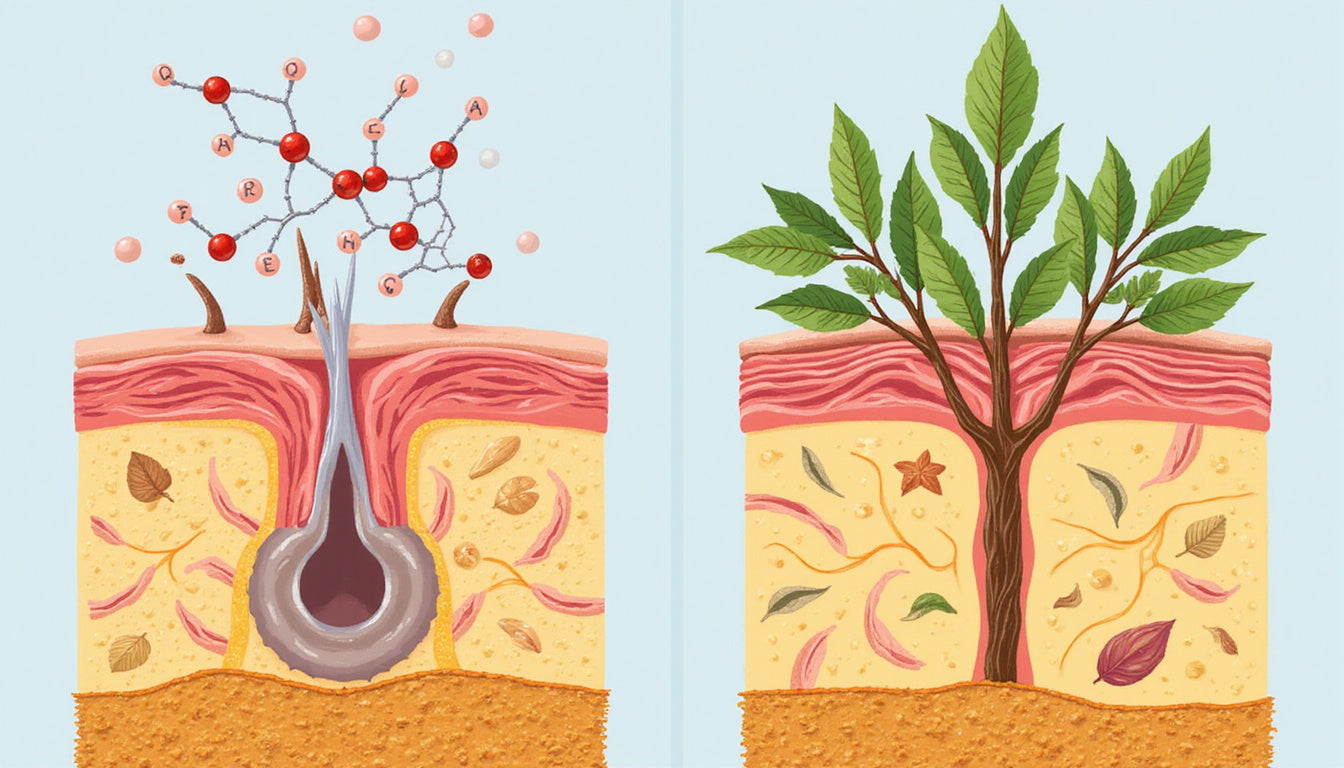
How Hormones Affect Hair Follicles
Each follicle goes through phases:
- Anagen – the growth phase
- Catagen – the switch phase
- Telogen – the rest phase
- Exogen – the shedding phase
Hormones tie closely to these phases. They can keep hair in the growth phase or push it into rest and shedding.
Key hormones include:
- Estrogen – tends to help hair grow longer
- Progesterone – may aid in hair density
- Testosterone – sometimes turns into DHT, which may shrink follicles and cause hair to thin
Hormone therapy shifts this mix. This is why the topic of HRT hair retention matters for many.
Different HRT Journeys, Different Hair Stories
Each person’s hormone path is unique. Your personal story can point you to methods that work for you.
1. Menopause and Perimenopause HRT
During menopause and its start, estrogen and progesterone drop. Androgens, such as testosterone, gain more weight. This shift can cause:
- General thinning over the top
- A wider part
- Extra hair loss when combing
Hormone treatment with estrogen may help keep hair for some people. At the same time, careful scalp care and a healthy lifestyle matter.
2. Transfeminine HRT (AMAB Individuals Transitioning to Female)
Transfeminine therapy adds:
- Estrogen
- Medicines to lower testosterone
These changes can slow hair loss and may even make hair denser where follicles still work. However, hair that is long inactive may not return. Here, working on hair retention means caring for the follicles you still have.
3. Transmasculine HRT (AFAB Individuals Transitioning to Male)
Transmasculine treatment brings testosterone. That may raise DHT levels. For those with sensitivity, this may cause:
- A receding hairline
- Thinning at the crown
- Male-pattern balding with time
If you are on testosterone and see changes, acting early on hair retention can help keep thickness and maintain your self-image.
Why Some People Shed More After Starting HRT
A burst of extra shedding is common a few months after hormone changes start. This type of shedding is known as telogen effluvium. It can come from:
- Shifts in your hormones
- Stress from body or mind
- Gaps in nutrition
- Changes in medicine
In this process, many hairs stop growing at once and then fall out in a wave after 2–4 months. For many, the pattern will reverse, even if the sight is hard to bear at first.
The key is that not all loss is forever. HRT hair retention means letting follicles work well in a good setting.
Core Principles of HRT Hair Retention
Keep your routine simple. Build your plan on a few steady ideas.
Principle 1: Treat Your Scalp Like Skin
Your scalp is skin with hair buds. If it feels dry, blocked, or sore, hair will suffer.
Try to:
- Wash gently to clear buildup but keep good oils
- Keep blood flow strong to give follicles what they need
- Avoid harsh chemicals and rough styling that harm the scalp
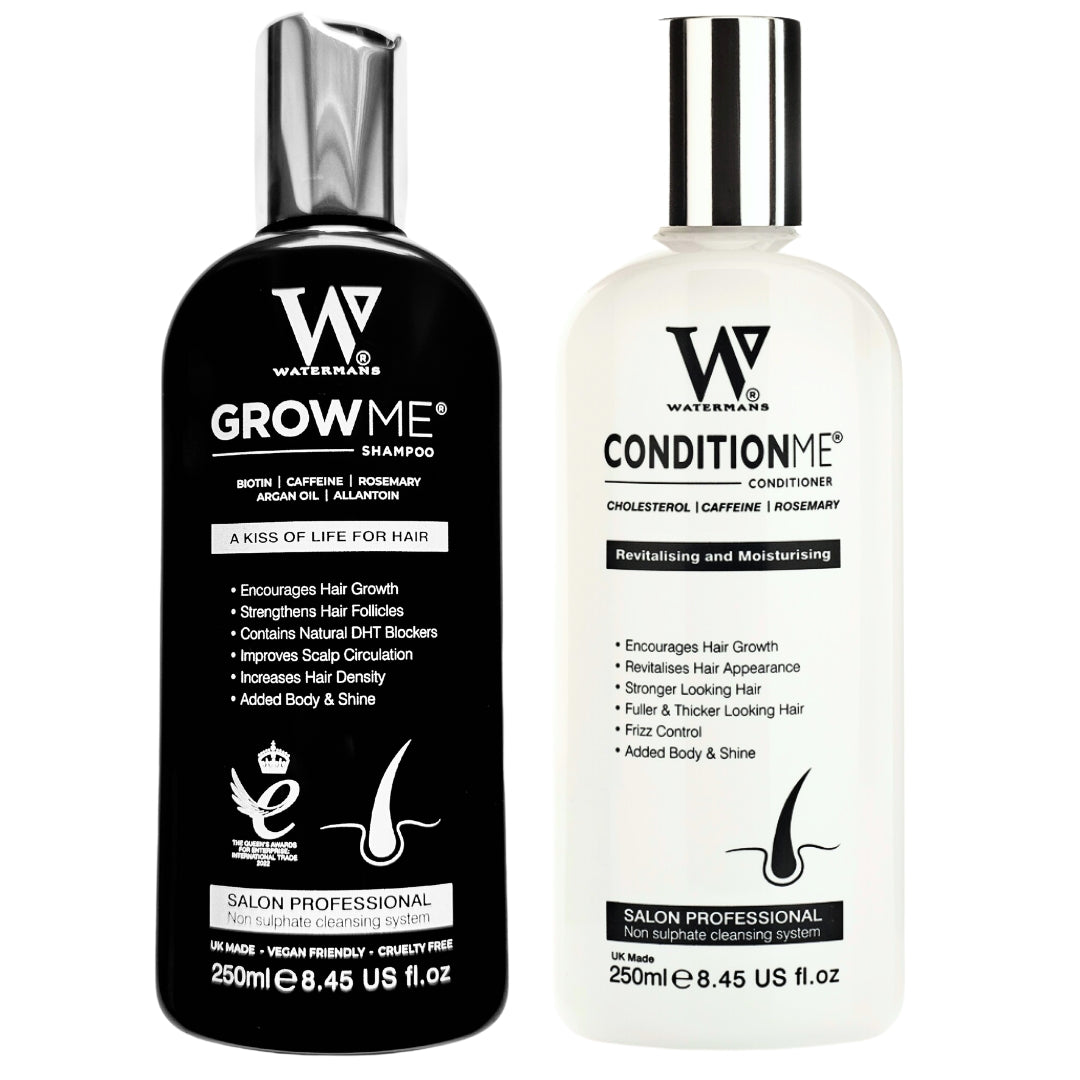
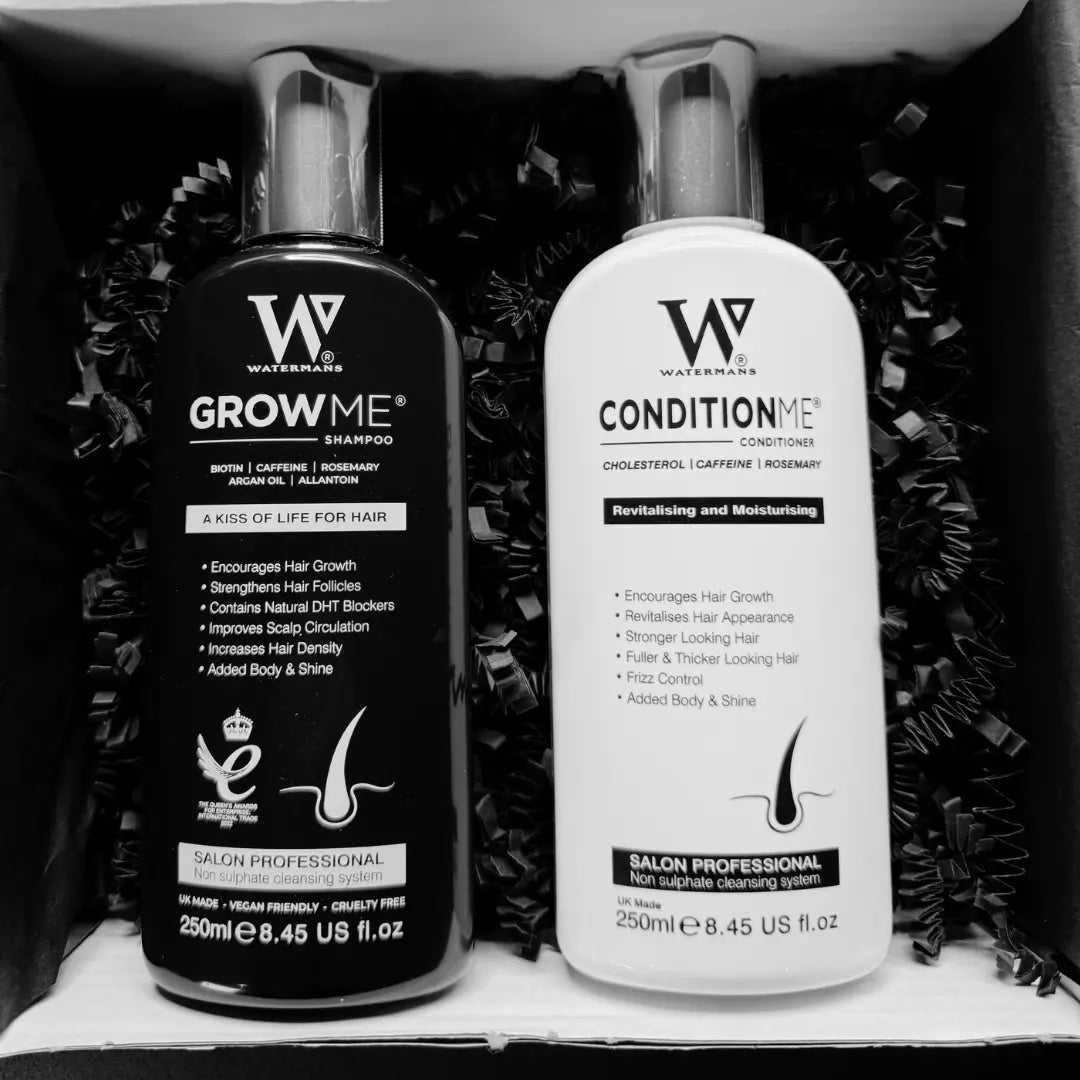
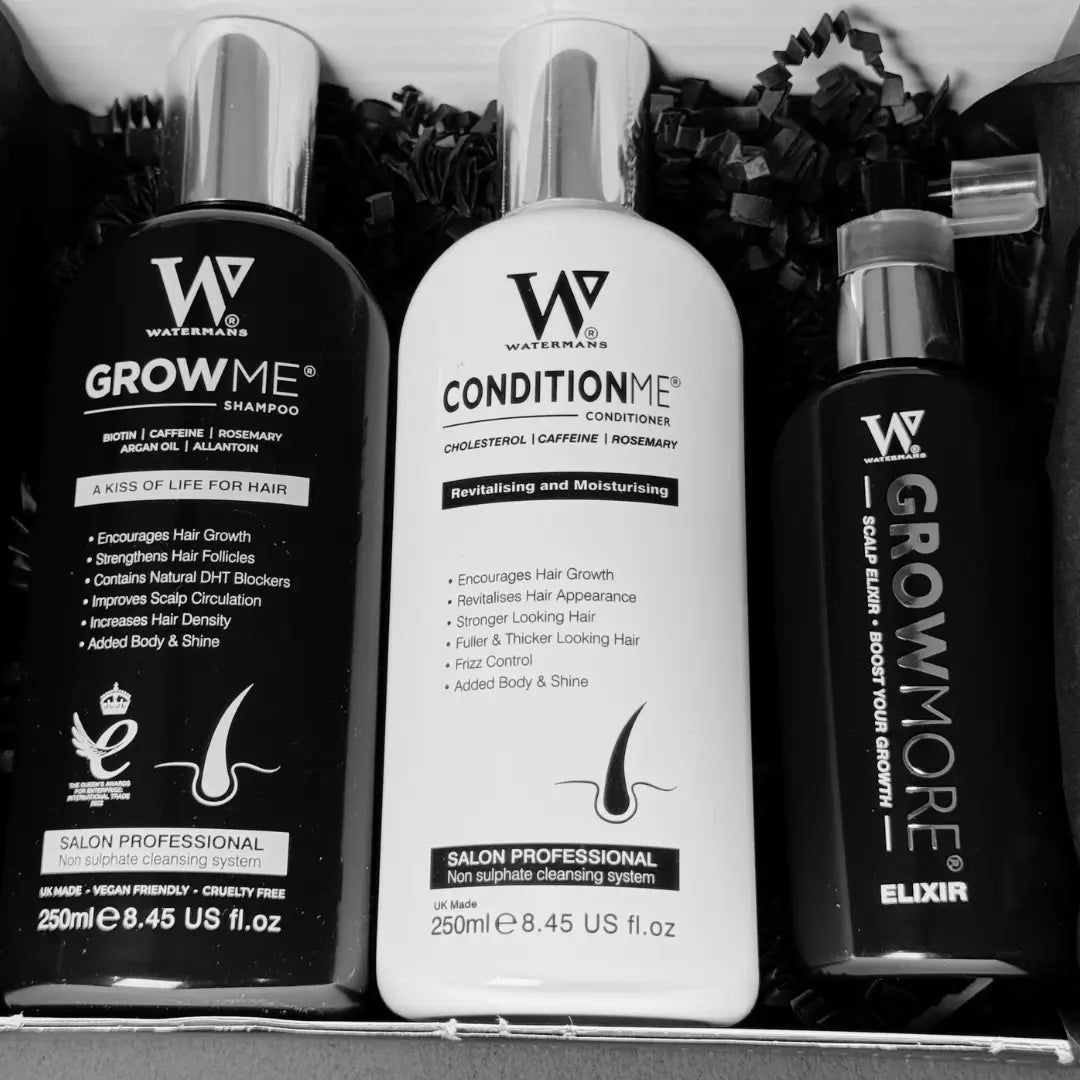
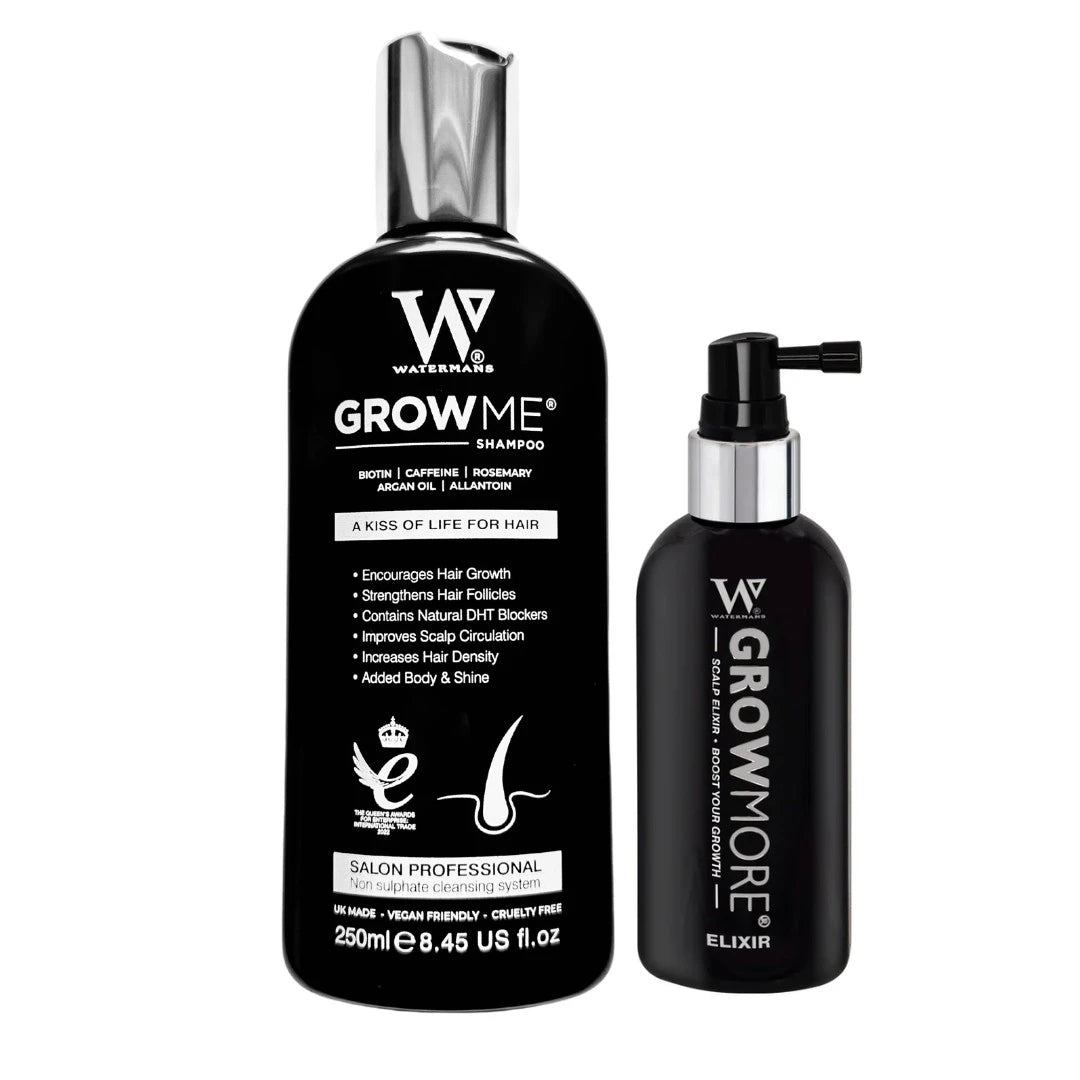
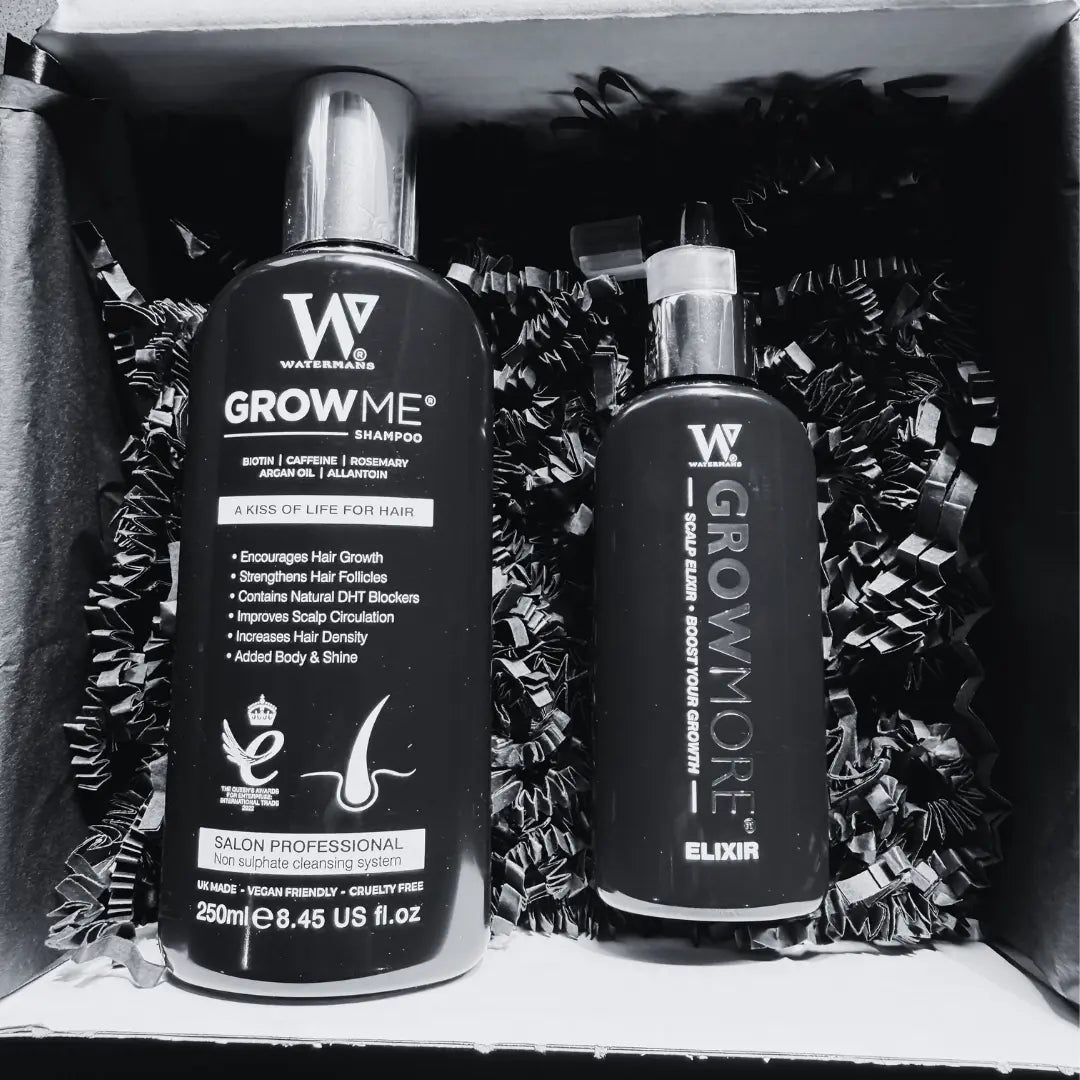
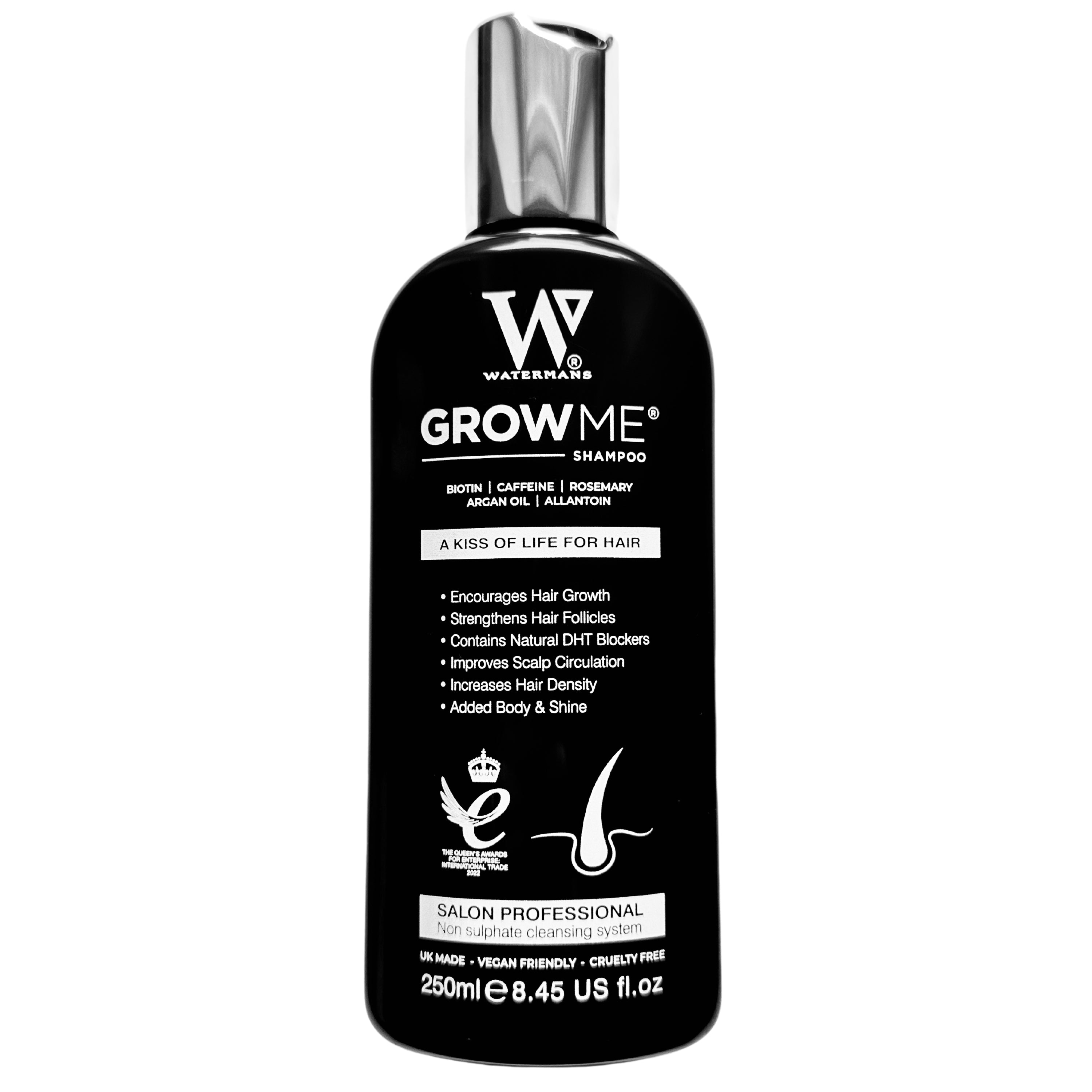
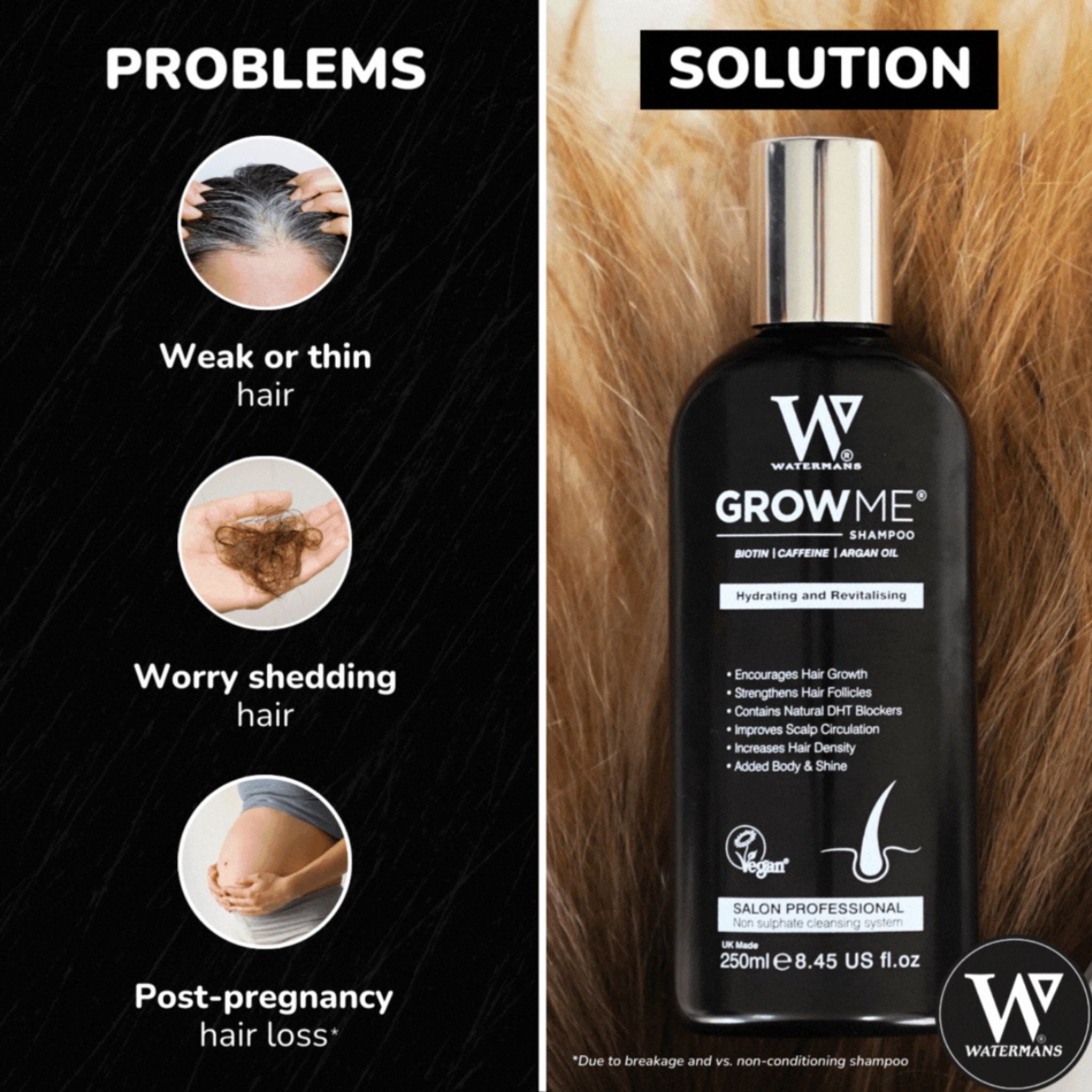
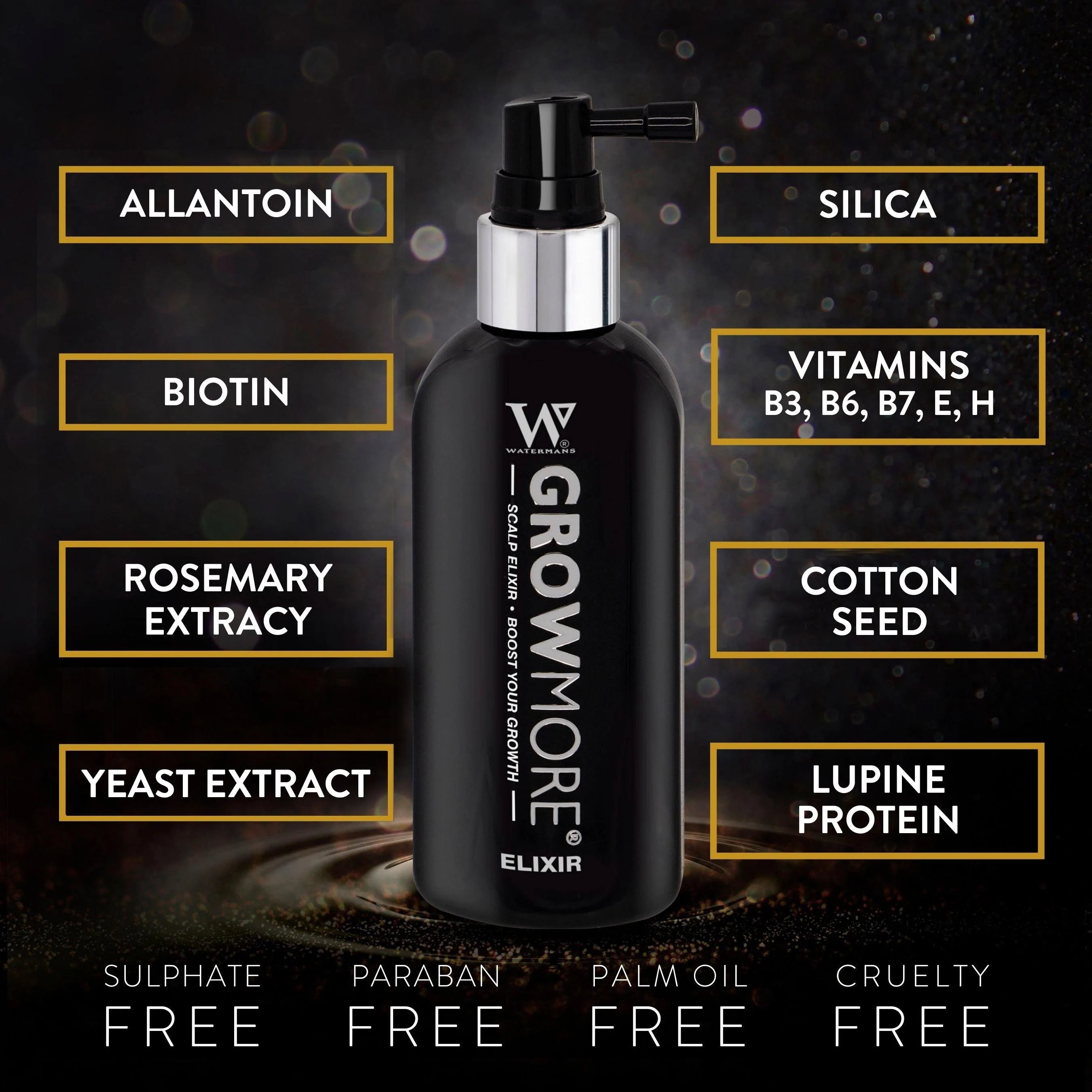
A good start is to choose a shampoo made to support hair growth. One choice is the Watermans Grow Me Shampoo. It cares for the scalp and adds volume at the roots.
It holds:
- Biotin – helps build hair protein
- Rosemary – can wake up the scalp
- Caffeine – may work against some DHT effects
- Niacinamide – helps blood flow and skin health
- Argan Oil – feeds and softens hair
- Allantoin – calms the scalp
- Lupin Protein – can make hair stronger and fuller
For those on hormone therapy, a shampoo like this can fit well with any doctor advice.
Principle 2: Support Follicles from the Inside Out
Hair is a luxury tissue for the body. When nutrients run low, the body picks vital organs over hair. So, to support your follicles, try to:
- Eat enough protein in every meal
- Get iron, vitamin D, B-vitamins, zinc, and omega-3 fats
- Avoid extreme diets, which may drive shedding
A doctor can check for any shortages. This is key when hormones change how your body uses food.
Principle 3: Minimise Stress on Follicles
The follicles are small but work hard. Everyday stress—whether from tight hairstyles, strong chemicals, or rough handling—can slow down growth.
To work on hair retention:
- Avoid very tight styles that pull on hair
- Stay away from frequent bleaching or high heat
- Choose gentler accessories and pillowcases that reduce friction
These steps help your follicles keep their strength.
Building a Simple HRT Hair Retention Routine
A few steady steps work better than a long list. Stick with a plan that you can do every day.
Step 1: Choose the Right Shampoo and Conditioner
Start in the shower where you use the shampoo most. For those on hormone therapy, Watermans Grow Me Shampoo is a smart first choice. It cleans without overdoing it, stirs blood flow at the scalp, and gives volume at the roots.
Match it with a conditioner or treatment from the same line. This helps keep hair moist while your roots stay light.
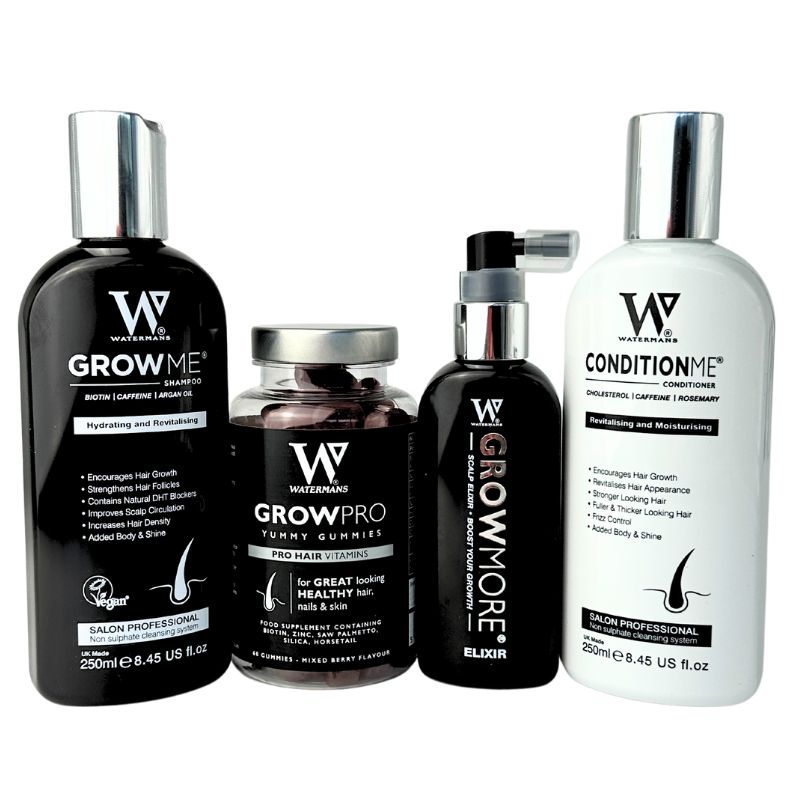
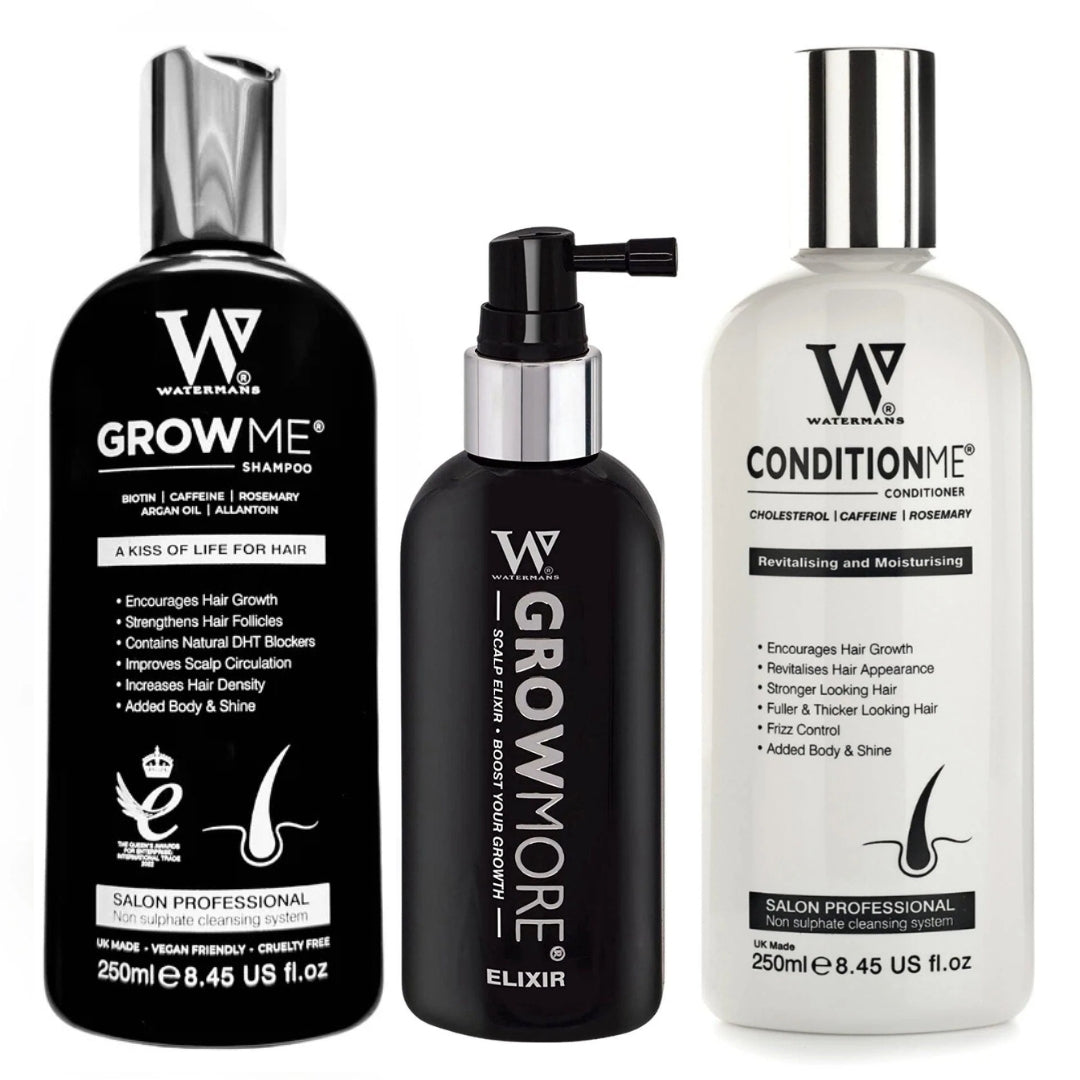
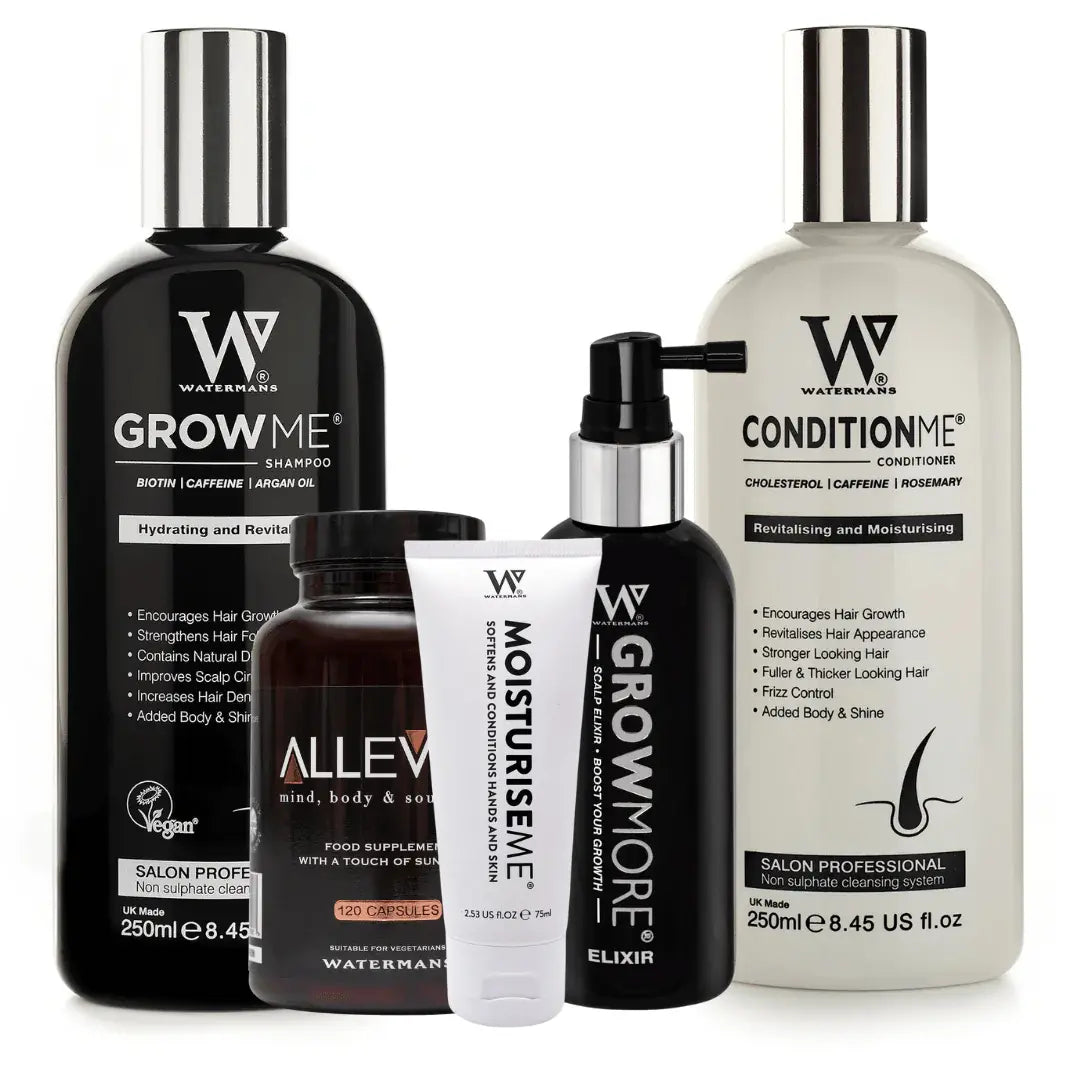
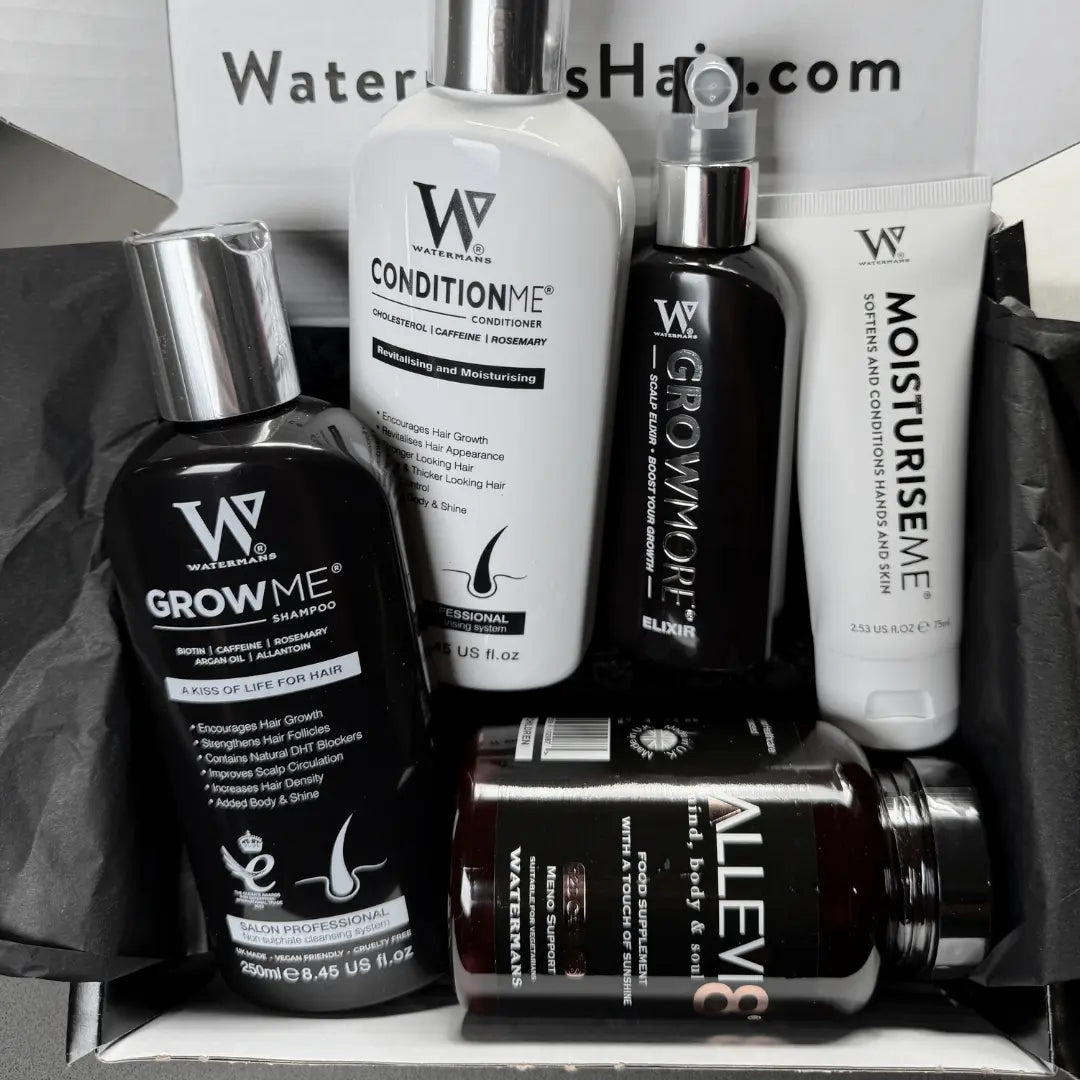
If you want a set, you can also try the Watermans Hair Survival Kit. The kit covers several needs with one simple routine.
Step 2: Adopt a Scalp Massage Ritual
Massaging your head for a few minutes boosts blood flow to the hair roots.
Try to:
- Use your fingertips in small circles for 3–5 minutes
- Do this daily or at least 3–4 times every week
- Work the massage into your shampoo time, or on dry hair with a gentle oil
When you use Watermans Grow Me Shampoo, let it sit for a minute so that the massage matters more.
Step 3: Find the Right Wash Frequency
Too much washing can strip needed oils. Too little can make buildup form. A balanced wash routine helps hair keep its strength:
- Many find that 2–4 washes per week work well
- If your scalp feels oily, you might clean it more, yet stick with a gentle shampoo
- If your scalp is dry or sensitive, try mild water and soothing products
Watch your hair and scalp. Adjust the routine as you see the changes.
Step 4: Protect Hair During Styling
Every day actions may cause harm.
Try these small changes:
- Spray a heat shield before blow-drying or curling
- Choose loose styles rather than tight buns or ponytails
- Swap tough hair ties for soft, twisty types
- Sleep on a satin or silk pillowcase to lower friction
These steps do not change your hormones. They help keep each strand as safe as they can be.

Menopause, HRT, and Hair Retention: A Closer Look
During the changes of menopause or perimenopause, hair may grow thinner. You might see a thinner ponytail, a broader part, or more scalp.
How Menopause Affects Hair
- A drop in estrogen shortens the growth time
- Hair may lose volume and appear finer
- Androgens play a larger role, leading to a pattern of loss
Hormone treatment with estrogen may help some. Yet, each person responds on their own. This is why a routine that cares for the scalp and hair makes a difference.
Practical Menopause Hair Retention Tips
- Use a shampoo that lifts hair from the roots, like Watermans Grow Me
- Try a haircut that creates the look of more volume
- Ask your doctor about iron, vitamin D, and thyroid tests. These issues may show around menopause and can add to the shedding.
A steady routine may help hair look more dense and feel easier to manage.
Transfeminine HRT Hair Retention: Meeting Feminine Hair Goals
For people on transfeminine therapy, hair can mean much more than just growth. Starting estrogen and medicines to lower testosterone can lead to fuller hair. Some may see a slow loss turn into filling in, while others might see less change.
What to Expect on Transfeminine HRT
People may notice:
- A slower pace of loss at the crown or hairline
- Some filling in of areas where follicles still work
- A softer texture in hair over time
HRT does not return hair that is gone for good. This plan, which cares for your scalp and hair, can help keep what you have.
Maximising Results with a Hair-Focused Routine
Mix your hormone plan with care by:
- Using Watermans Grow Me Shampoo to keep the scalp active
- Being gentle. Avoid harsh coloring or very tight braids that hurt faint hair
- Remembering that hair change takes time. Count on a few months before you see a change
This small, steady care can help you feel more in charge of your look.
Transmasculine HRT and Hair Retention: Balancing Testosterone and Hair
For people on transmasculine therapy, testosterone can bring many changes. It may cause useful changes like facial hair. At the same time, it may lead to thinning in some who are prone to DHT effects.
Recognising Early Signs
Watch for:
- A slight retreat of hair at the temples
- Thinning at the top
- More scalp visible when light shines
Early care can keep hair thicker for longer.
Simple Steps to Slow Hair Thinning
- Stick with a shampoo that supports growth, like Watermans Grow Me
- Avoid hats and styles that press down tightly on hair
- Keep a good diet with protein and the right vitamins
Starting early makes the plan work better over time.
Lifestyle Habits That Support HRT Hair Retention
Hormones are only one piece of growing hair. Daily habits help shape the home for follicles.
Nutrition for Stronger, Thicker Hair
Hair needs a good diet. Try to:
- Get protein from each meal
- Include fats from sources like olive oil, fish, or nuts
- Fill your plate with a rainbow of vegetables and fruits
- Drink enough water every day to keep skin and scalp happy
If you face other issues, such as thyroid changes, a diet expert may give you tips that fit your needs.
Sleep, Stress, and Hair Shedding
When stress builds up and sleep falls short, more hairs may rest and then fall out later.
Try:
- A quiet wind-down routine such as reading or stretching
- A short walk or light exercise to boost blood flow
- Using a journal or mindful moment to keep stress low
These habits help set a better scene for hair to grow.
Common Mistakes That Hurt HRT Hair Retention
A few false steps can hurt your plan.
Mistake 1: Expecting Quick Regrowth
Hair grows slowly—about 1 to 1.5 centimeters a month. It may take 3–6 months to see good change. Jumping from product to product can keep you from knowing what works.
Mistake 2: Using Strong Shampoos for "Oily" Shedding
When hair sheds, some may wash too hard. This hard wash can harm the scalp. Pick a shampoo like Watermans Grow Me that cleans softly and keeps the scalp safe.
Mistake 3: Focusing Only on Hair Length
It is common to treat mid-lengths and ends with too many products while ignoring the scalp. Remember that keeping hair starts at the root.
Practical Daily & Weekly HRT Hair Retention Plan
Keep the plan neat with these steps.
Daily
- Massage your scalp for 3–5 minutes, with or without product
- Protect hair from too much heat and friction
- Eat balanced meals that include protein
- Use one small step to lower stress, such as a short walk or a few breaths
2–4 Times a Week
- Wash your hair with Watermans Grow Me Shampoo. Let the shampoo sit a short time while you massage.
- Use conditioner on your hair tips instead of the roots
- Air dry when you can, or use a low-heat setting with a heat guard
Monthly or Quarterly
- Check your hair for signs of change and take photos if you like
- Talk with your doctor about any new medicines or changes in your life
- Restock your key products once you find a work plan
Why Watermans Fits Well in an HRT Hair Retention Plan
If you keep up with hormone work and doctor visits, you need a simple system for hair care. You want something that works, is easy to get, and is not too hard to follow.
Watermans Grow Me Shampoo meets these points. It is not a medicine but works well with hormone plans. Its mix of biotin, caffeine, rosemary, niacinamide, argan oil, allantoin, and lupin protein aims to wake up the scalp and add volume at the roots.
For a full set, the Watermans Hair Survival Kit gives a neat routine that moves from shampoo to treatment without extra steps.
Frequently Asked Questions About HRT Hair Retention
1. Does HRT always cause hair loss, or can it help keep hair?
Hormones can work in two ways. Estrogen treatments may help hair become thicker. Testosterone plans may raise DHT and cause thinning. A solid routine, with care for the scalp and products like Watermans Grow Me Shampoo, can improve the outlook for most.
2. How long does it take to see results?
Hair is slow. Most people will see clear changes after 3–6 months of daily care. This timeline fits for both hormone changes and hair care routines. Patience with a steady plan is key.
3. Can I use Watermans Grow Me Shampoo while on HRT?
Yes. Watermans Grow Me Shampoo works on the scalp and hair. Its mix of ingredients suits those on estrogen or testosterone therapy. If you have a special scalp issue, ask your skin doctor before trying new products.
Take Back Control of Your HRT Hair Retention Journey
You may not control every hormone change, but you can care for your hair through it. By knowing how hormones meet your follicles, treating your scalp like skin, and keeping your routine simple, you help create a good space for hair growth and strength.
If you want to act, begin in the shower:
- Switch to a scalp-focused shampoo like Watermans Grow Me Shampoo that works at the roots
- Consider the Watermans Hair Survival Kit for a tidy routine that does not overwhelm
With steady self-care, good hormone plans, and gentle styling, you can change hair care from a worry into a way to care for yourself each time you see your reflection.