

Follicular Unit Transplantation Explained: Insider Tips for Natural Results
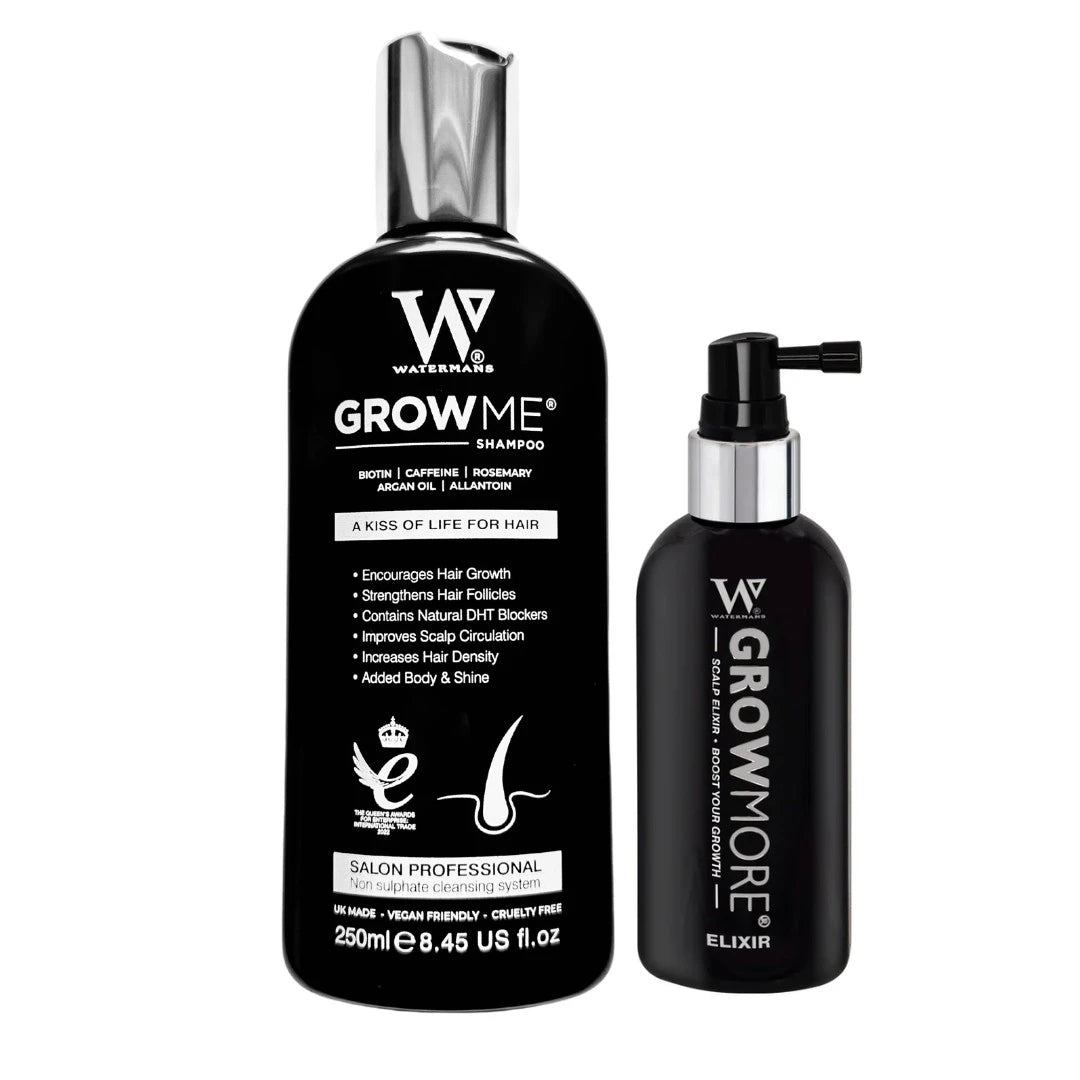
Follicular Unit Transplantation (FUT) is a long-used hair transplant method. Researchers seek permanent ways to fix thinning hair or recession. FUT works by moving small hair groups from a donor area. You can mix FUT with non‐surgical care, such as the Watermans Grow Me Shampoo, to get fuller, natural-looking hair while keeping your current hair safe.
This guide explains FUT in plain words. It shows tips that surgeons use to get natural results. It also shows how to build a scalp-care routine that helps your transplant over time.
What Is Follicular Unit Transplantation (FUT)?
FUT is a surgery that moves hair from one place to another. A narrow strip of scalp is cut from the donor area, usually at the back of the head. The team cuts the strip into small bundles that occur in nature. They then move these bundles to thin or bare spots on the front or crown.
FUT vs. Follicular Units: Understanding the Words
Hair grows in small clusters. Each cluster usually has:
- 1 to 4 terminal hairs
- Sebaceous glands
- A small arrector pili muscle
- Nearby tissue and blood vessels
FUT keeps these small clusters intact. This is why the result can look very natural if done with care.
How Follicular Unit Transplantation Works Step-by-Step
Knowing the FUT steps helps you ask clear questions and pick a clinic that works with care.
1. Planning and Hairline Design
Your surgeon checks:
- Your age, family hair history, and hair loss pattern
- Donor hair thickness and number
- Scalp stretch
- Hair features like curl and color, and skin tone
At this stage, the surgeon draws the new hairline. Good outcomes need:
- A hairline that is not too low or too straight
- A natural zigzag and uneven look
- Single-hair bundles at the front to frame your face
Surgeons plan ahead as your hair may change over time.
2. Donor Strip Harvesting
Under local anesthesia, the surgeon removes a thin scalp strip from the donor area, usually between the ears at the back. Key points:
- The strip is about 1–1.5 cm high
- Its length fits the needed hair groups
- Edges are stitched to hide marks
New closing techniques let hair grow over the scar to hide it.
3. Microscopic Follicular Unit Dissection
Technicians use a microscope to cut the strip into bundles. They make:
- Single-hair bundles for the front hairline
- Two- or three-hair bundles behind the line
- They handle the grafts gently and keep them wet
This step shows why FUT can yield many healthy bundles.
4. Recipient Site Creation
While the grafts are prepared, the surgeon makes tiny cuts in the thin or bare areas. These cuts shape the final look. A skilled surgeon will:
- Match the angle and growth of your current hair
- Make the cuts close and irregular to match nature
- Use smaller cuts at the front and a bit larger ones behind
- Be careful not to harm any native hair
The skill in making these cuts stops the “pluggy” look.
5. Graft Placement
The team places each hair bundle into the small cuts. Good placement needs:
- Gentle handling
- The right depth
- Regular moistening of grafts during the process
After placing the grafts, the scalp is cleaned and bandaged. Most patients leave the same day.
FUT vs. FUE: Which Is Better for Natural Hair Transplants?
FUT is compared with Follicular Unit Extraction (FUE). In FUE, each hair is taken out one by one.
Each method has its own strengths. Knowing these helps you choose the right one.
Scarring Pattern
- FUT: Leaves a fine line scar at the back, hidden by even short hair.
- FUE: Leaves many small dot scars that can fade with short hair.
If you prefer a short haircut, FUE might be the choice. If you keep longer hair at the back, FUT hides the scar well.
Graft Yield and Density
FUT usually supplies more hair groups per session. It is best for those with advanced hair loss because:
- It gives many grafts in one go
- It uses the best part of the donor area well
Some clinics mix FUT and FUE for large cases.
Donor Management Over a Lifetime
Good clinics plan for years ahead. FUT can:
- Save donor hair for future FUE if needed
- Keep the donor area full
- Match the density in the back and sides
Too many FUE sessions can thin the donor area while FUT keeps surrounding hair intact.
Procedure Time and Comfort
- Both FUT and FUE need local anesthesia
- FUT takes less time for cutting the strip but might cause a few days of discomfort
- FUE avoids a long cut but can take longer for many grafts
Patient comfort is similar. The choice depends on your hair style and the number of grafts needed.
Who Is a Good Candidate for Follicular Unit Transplantation?
Not every hair loss case fits FUT. A careful check by a hair transplant doctor is needed.
Ideal FUT Candidate Profile
You may be a good candidate if you have:
- Moderate to advanced hair loss (Norwood 3–7)
- Good donor hair at the back and sides
- A stretchy scalp
- Comfort with a line scar hidden by hair
- A need for full coverage in one or a few procedures
Patients with wavy or curly hair and close hair/skin color often get even better results.
Medical and Lifestyle Factors
Your doctor checks:
- Your overall health and medications
- Any bleeding or clotting issues
- A history of raised scars
- Smoking or vaping habits (since they affect healing)
They may also ask you to check your hormones, thyroid, and nutrition if hair loss is fast or early.
Preparing for Follicular Unit Transplantation: Insider Checklist
How you get ready can affect healing and the final look.
Medications and Supplements
Follow the doctor’s instructions. Common advice is to:
- Stop blood-thinning drugs and supplements (such as aspirin, ibuprofen, fish oil, vitamin E) several days before, if safe
- Skip alcohol for 48–72 hours before surgery
- Limit caffeine on the day of surgery
Do not stop taking any prescribed medicine without your doctor’s go-ahead.
Scalp and Hair Care Before FUT
A healthy scalp helps the grafts work better. Many patients spend a few weeks getting their scalp ready.
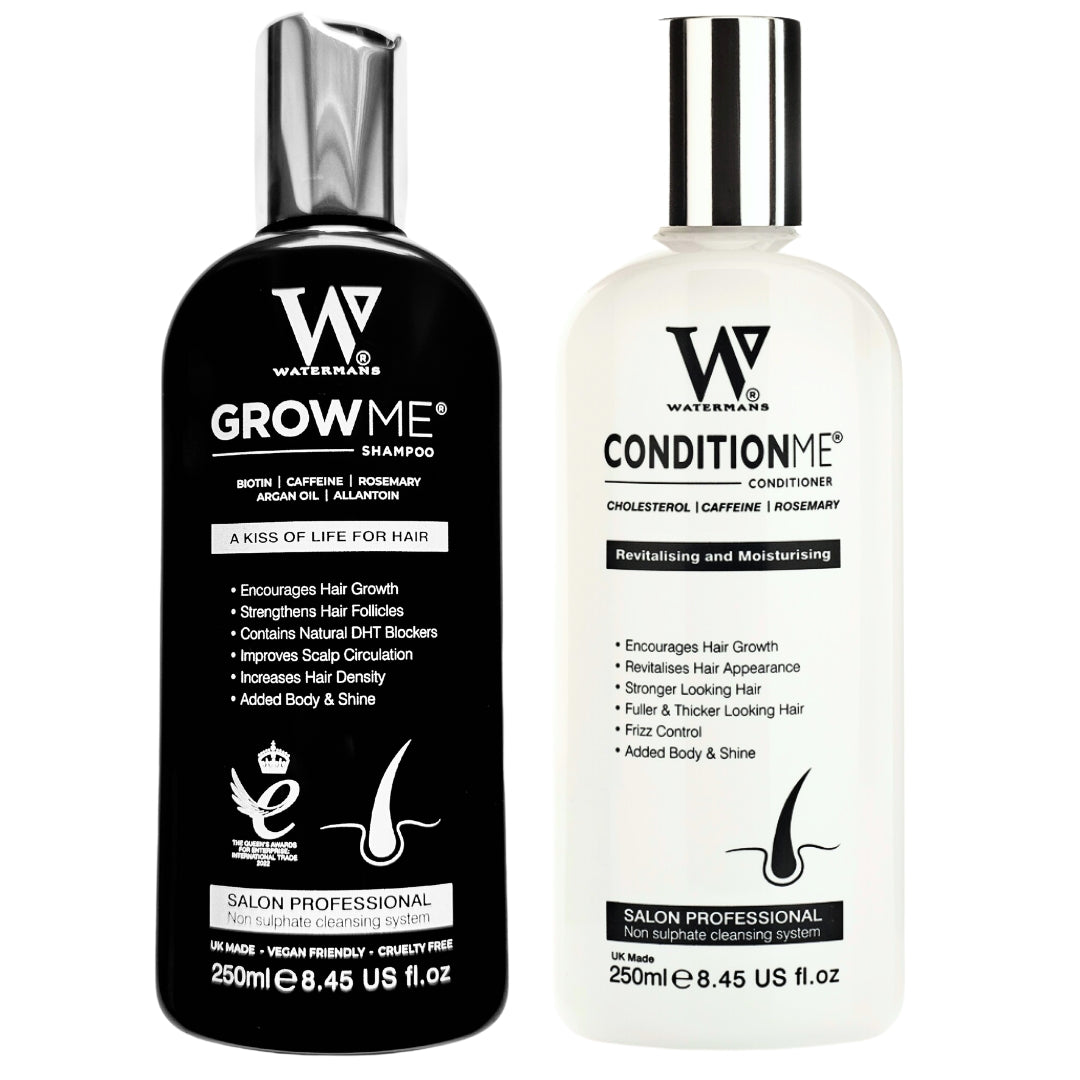
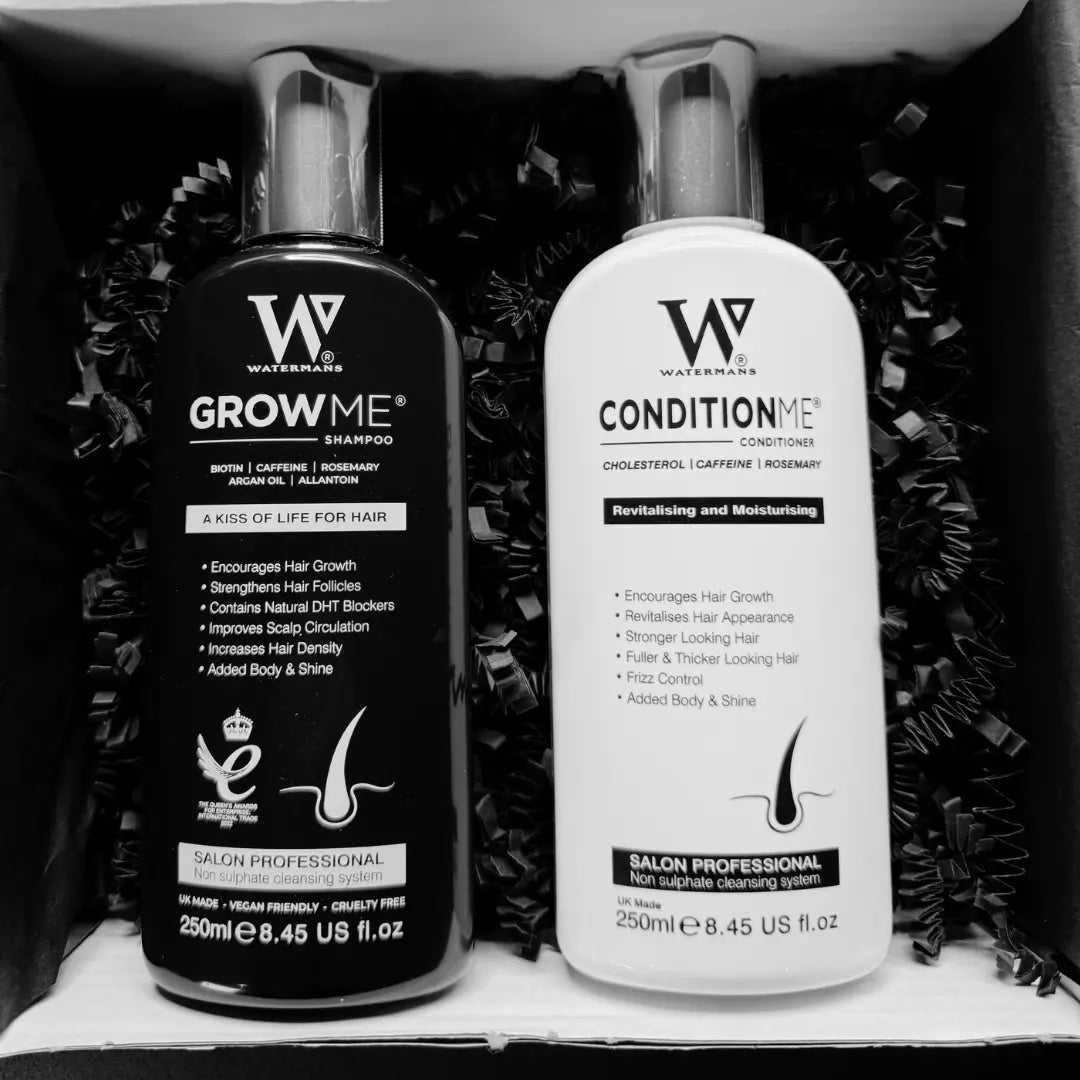
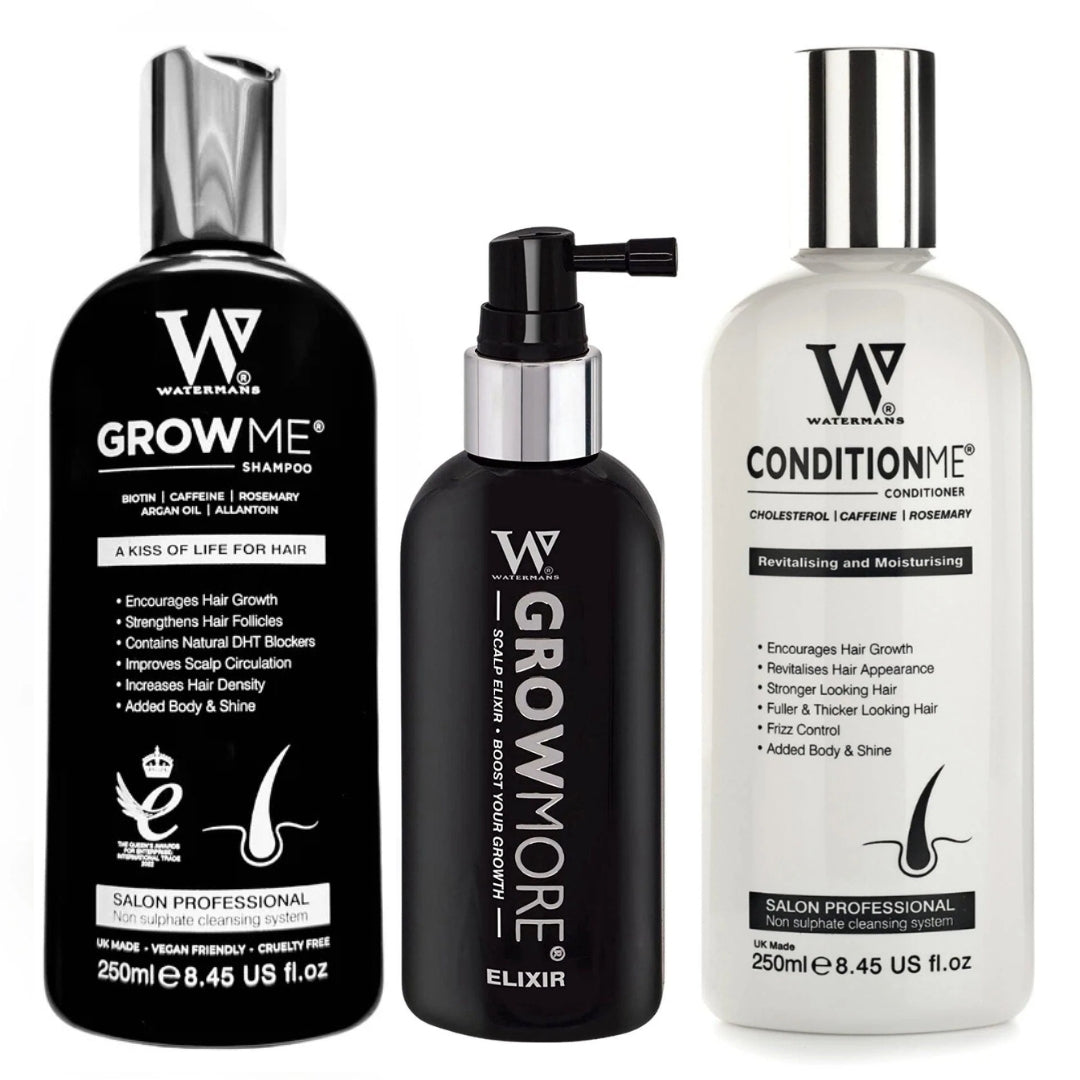
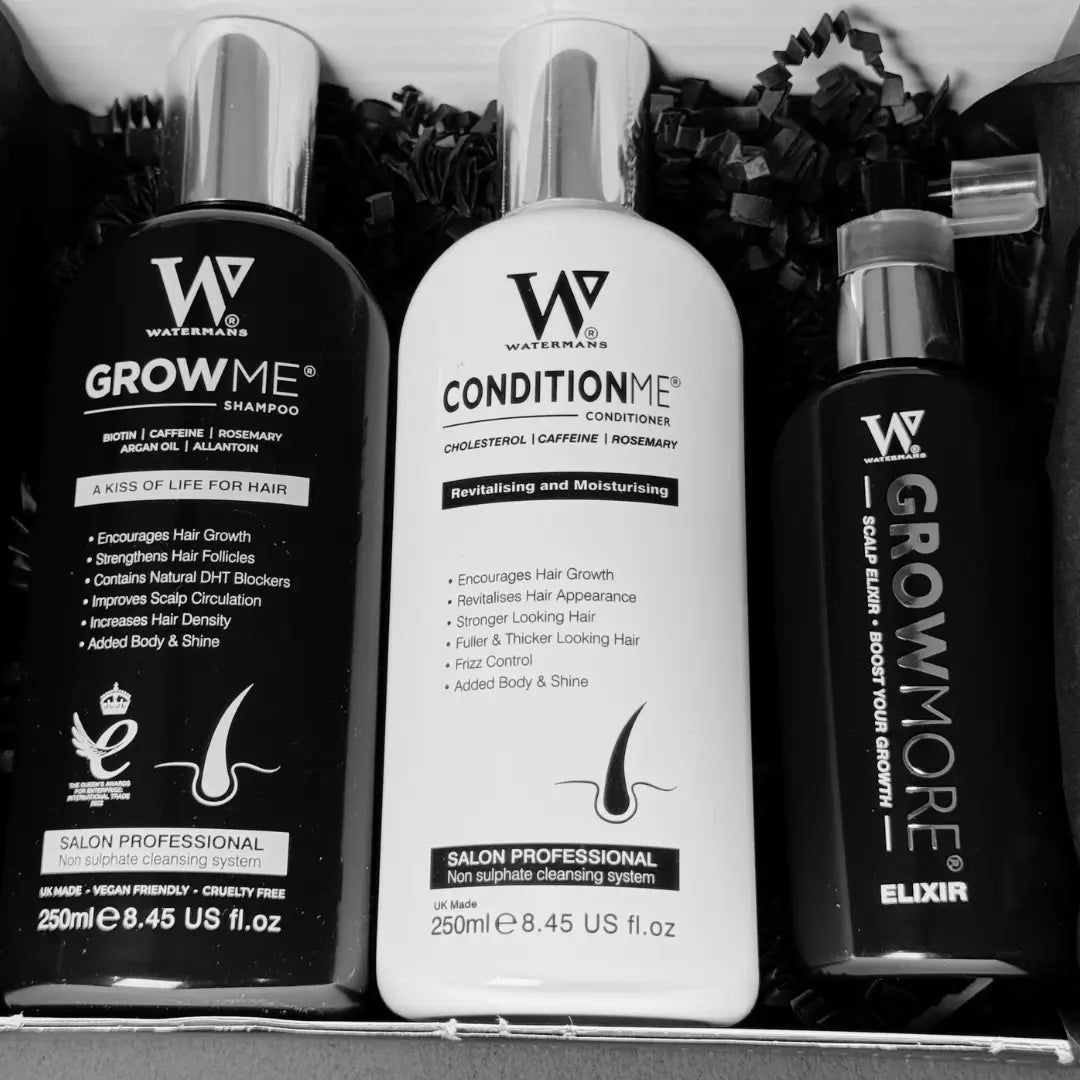
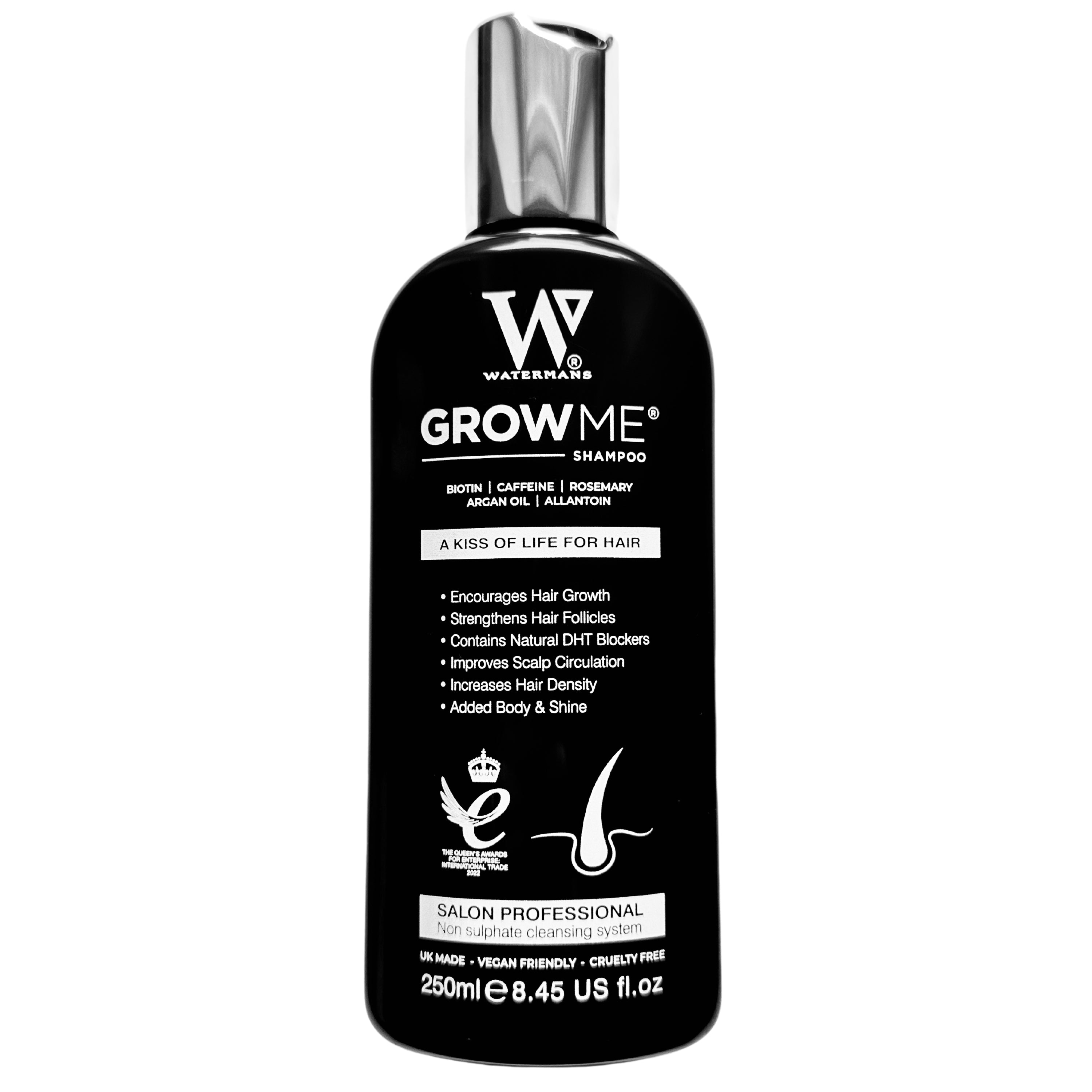
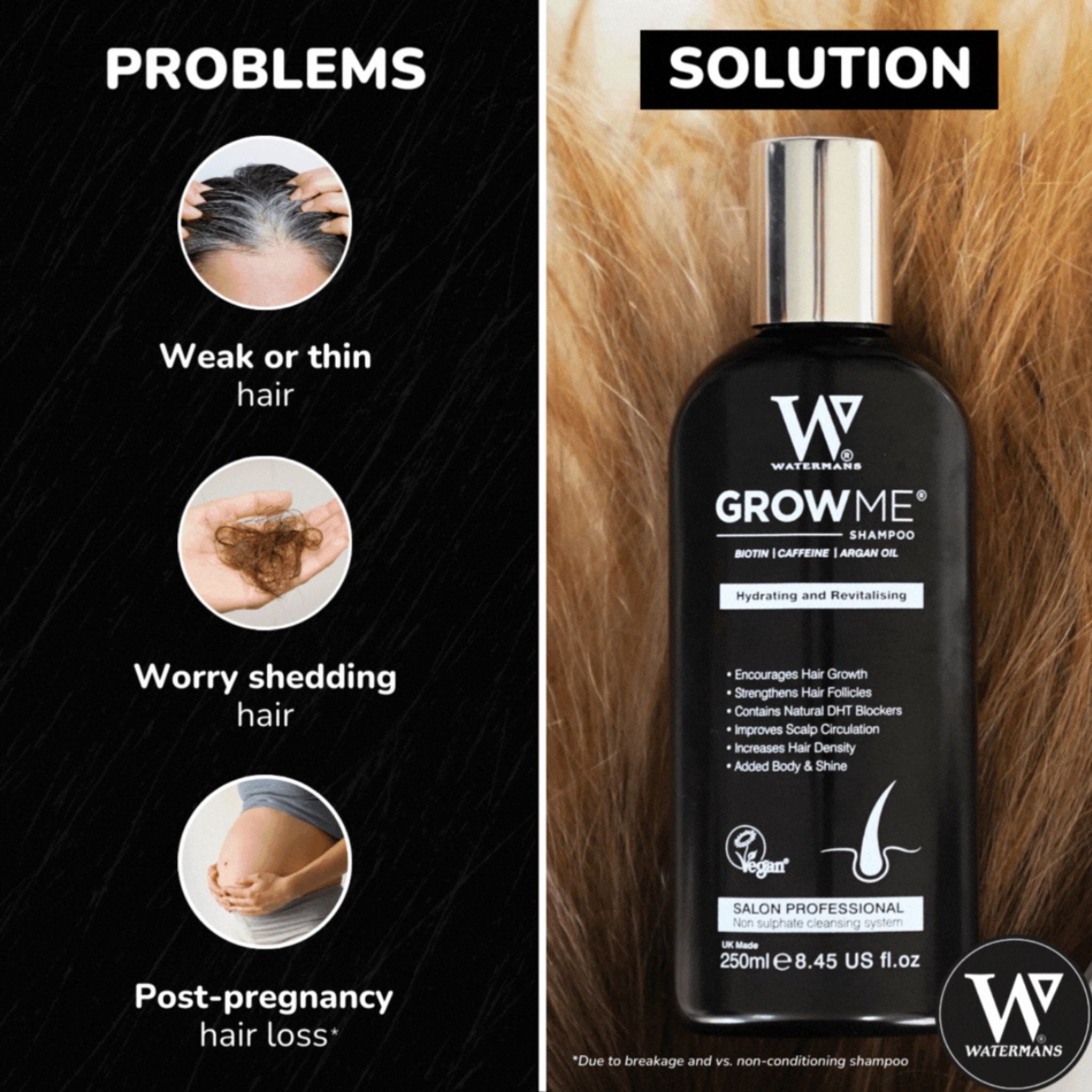
This is a good time to use a non-medical shampoo like Watermans Grow Me Shampoo, which uses:
- Biotin to help build hair fibers
- Rosemary to boost scalp circulation
- Caffeine to act against DHT locally
- Niacinamide to support the scalp barrier
- Argan oil to soften hair
- Allantoin to calm and repair skin
- Lupin protein to strengthen hair from the roots
Using this shampoo before FUT helps your hair and scalp stay in good shape, as native hair may continue to thin.
What to Expect on the Day of FUT Surgery
Knowing what happens that day can cut your worry and help you stay at ease.
Check‑In and Marking
- You check the plan and sign papers
- Photos are taken for records
- The surgeon marks the donor area and plans the hairline
Anesthesia and Donor Harvest
- Local anesthesia numbs the donor spot
- The strip is removed while you lie on your stomach or side
- The donor area is closed with stitches or staples
You may feel pressure but not pain during this stage.
Breaks and Comfort
FUT can last 4 to 8+ hours, based on graft count. During the procedure:
- You may get snacks or lunch
- You can watch TV or listen to music
- You have short breaks for rest or a restroom visit
Implantation and Final Check
When the grafts are ready and the cuts made, implantation starts. At the end:
- The surgeon checks the overall look and hair direction
- The scalp is lightly bandaged
- Aftercare steps are well explained
You usually go home the same day with a friend or family member to drive you.
FUT Recovery Timeline: Day-by-Day Guide
Healing from FUT is usually simple. Knowing the stages helps you relax and follow the plan.
First 48–72 Hours
- You may feel slight pain or tightness in the donor area
- Small scabs form on each graft
- There might be mild swelling near the forehead
Pain medicine and sometimes antibiotics help. Sleep with your head raised to cut swelling.
Days 3–7
- Swelling tends to drop
- Scabs dry out and fall off
- The donor area might itch a bit as it heals
You can start to gently wash your hair as directed. A mild, growth-friendly shampoo like Watermans Grow Me Shampoo may be used if the doctor approves.
2–4 Weeks
- Most of the transplanted hairs fall out. This "shock loss" is normal.
- Stitches or staples are removed (usually 10–14 days after surgery)
- Redness fades away
The follicles stay under the skin. Only the hair shafts drop, which is part of the cycle.
3–6 Months
- New hair starts to grow from each transplant
- At first, the hair may be fine or wiry
- Over time, the hair thickens more and more
Good scalp care and the right products make the new hair look healthy.
6–12+ Months
- The new hair grows thicker and matures
- Full density shows up most clearly after about a year
- Some changes may continue up to 18 months
FUT moves hair that resists pattern loss. This hair should keep growing for life.
Insider Tips for the Most Natural FUT Results
A natural look needs careful design, smart methods, and true expectations.
1. Choose a Surgeon Who Knows FUT Well
Not all doctors work on FUT the same way. Look for:
- A gallery of before‑and‑after FUT cases
- Soft, natural hairlines and good temple work
- Surgeons who keep their daily case load low for quality care
Ask who handles your grafts and how many they place each day.
2. Insist on a Hairline That Fits Your Age
A good hairline works well now and when you get older. Tips include:
- A hairline with a higher and slightly receded edge
- A look that avoids a very flat or low line
- A bit of asymmetry and small differences that suit a natural look
A too-aggressive hairline may look odd as you get older.
3. Plan for Future Hair Loss, Not Just Today's Coverage
As your non-transplanted hair may thin further, a long-term plan helps. This means:
- Saving enough donor hair for any future sessions
- Combining FUT with treatments that support healthy hair
- Focusing on density where it counts most
A good doctor will discuss a plan that covers many years.
4. Use Daily Scalp Support to Keep Native Hair Strong
The transplanted hair is strong, but your old hair needs care. A daily, non-medical routine such as a targeted shampoo like Watermans Grow Me Shampoo can help. This shampoo:
- Works to boost scalp circulation with rosemary and caffeine
- Contains biotin, lupin protein, and argan oil to add strength
- Mixes niacinamide and allantoin to support the skin
This routine helps both new and old hair look fuller.
5. Follow Your Aftercare Steps Exactly
The first 7–10 days are key for healing. Remember:
- Let scabs drop naturally
- Keep away from heavy exercise and sweating
- Shield your scalp from the sun
- Do not use tight hats until your doctor says it is safe
Even a perfect surgery can be hurt by poor aftercare.
6. Stay Patient and Keep a Cool Head
FUT takes time. Many know that:
- The first few months may seem slow, as hair falls out and regrows
- By month 6, many see the change
- The full look often appears at 12 months or later
Take regular photos in the same light. This helps you see true progress.
Common Myths About Follicular Unit Transplantation
There are many false ideas about FUT. Clear facts help protect you from bad choices.
“FUT Leaves a Big, Obvious Scar”
In the past, wide strips and poor stitching left visible scars. Today:
- Strips are much narrower
- Tension is handled with care
- Modern closures let hair grow over the scar
With a skilled surgeon and good scalp stretch, many patients can wear short hair without visible marks.
“FUT Looks Pluggy Compared to FUE”
A pluggy look comes from:
- Large grafts with too many hairs in one spot
- Poor placement and angle
These issues may happen in any method if not done well. FUT today uses small, natural bundles and tiny cuts to keep a natural look.
“Transplanted Hair Needs No Maintenance”
Even though transplanted hair resists pattern loss, you must:
- Keep up overall scalp care
- Support native hair with good products
- Use proper shampoo and conditioner when needed
Ignoring native hair care can lead to patches of loss around the transplants.
Risks and Side Effects of Follicular Unit Transplantation
Every surgery has risks. Most FUT side effects are mild and short-lived when done by experts.
Short-Term Side Effects
- Pain or a tight feeling in the donor area
- Swelling of the forehead or around the eyes
- Temporary numbness near the scar
- Tiny crusts or scabs on the grafts
These problems usually fade in days or weeks.
Less Common Complications
- Infection (rare with good care and antibiotics)
- Noticeable or wider scars
- Poor hair growth from grafts
- Shock loss of existing hair (usually temporary)
You can cut these risks by choosing a trusted clinic, following aftercare, avoiding smoking, and staying healthy.
Long-Term Considerations
- The slim scar remains but usually stays hidden
- Future surgeries may depend on the remaining donor hair
- Ongoing hair loss in other areas might need extra treatment
A long-term care plan that includes daily products like Watermans Grow Me Shampoo helps maintain overall hair health.
Cost of Follicular Unit Transplantation: What Influences the Price?
FUT costs differ from one clinic to the next. Main factors are:
Number of Grafts
Many clinics charge by graft or by the number of groups. More grafts mean:
- A longer surgery
- A larger donor strip
- A bigger team working on you
Surgeon Skill and Reputation
Experienced, well-known surgeons may charge more because they:
- Create natural, dense results
- Have fewer complications
- Give more tailored care
For permanent results, quality often matters more than the lowest price.
Location and Clinic Quality
Prices change by region because of:
- Local costs of living and pay rates
- The quality of equipment and tools
- The clinic’s accreditation and standards
When traveling for surgery, count in travel, lodging, time off work, and follow-up.
Consult a few clinics. Look at the overall value, not just cost.
How to Choose a FUT Clinic and Surgeon
Your surgeon is more important than the exact technique.
Key Points to Check
-
Experience with FUT
- Years of work in hair restoration
- How many FUT cases they do compared to FUE
- Ongoing education and membership in professional groups
-
Before-and-After Results
- Many cases that match your situation
- Clear photos that show a natural look
- Good density and soft hairlines
-
The Consultation
- Do you meet the surgeon or a salesperson?
- Is the plan explained honestly?
- Do you feel rushed into booking?
-
The Team and Facility
- Sufficient trained technicians
- Use of a microscope to handle grafts
- A clean and approved surgical setting
Ask many specific questions. Know how they keep grafts safe and design a natural look.
Supportive Care: Maximizing FUT Results with Smart Daily Habits
Surgery is one part of the journey. Daily habits also affect how your hair looks and feels.
Gentle, Targeted Scalp Cleansing
After healing, a harsh shampoo can hurt the scalp. It is better to use a balanced shampoo like:
-
Watermans Grow Me Shampoo that:
- Uses biotin, rosemary, and caffeine to wake the scalp
- Mixes niacinamide and allantoin to calm the skin
- Adds argan oil and lupin protein to build volume and strength
Regular use helps keep both transplanted and natural hair healthy.
Nutrition and Lifestyle
Hair asks for plenty of protein and nutrients. Some tips are:
- Eat enough protein since hair is mostly keratin
- Include iron, zinc, vitamin D, and B vitamins in your diet or with supplements approved by your doctor
- Keep stress low with exercise, sleep, or calm moments
- Avoid smoking or vaping, which can lower blood flow to hair follicles
Layer Your Care With Medical Treatments
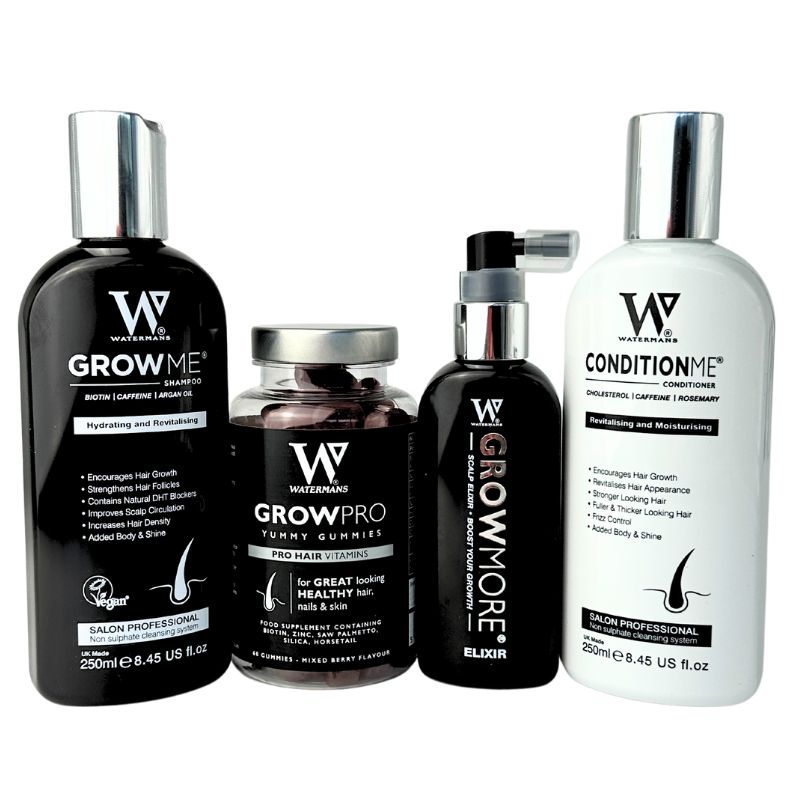
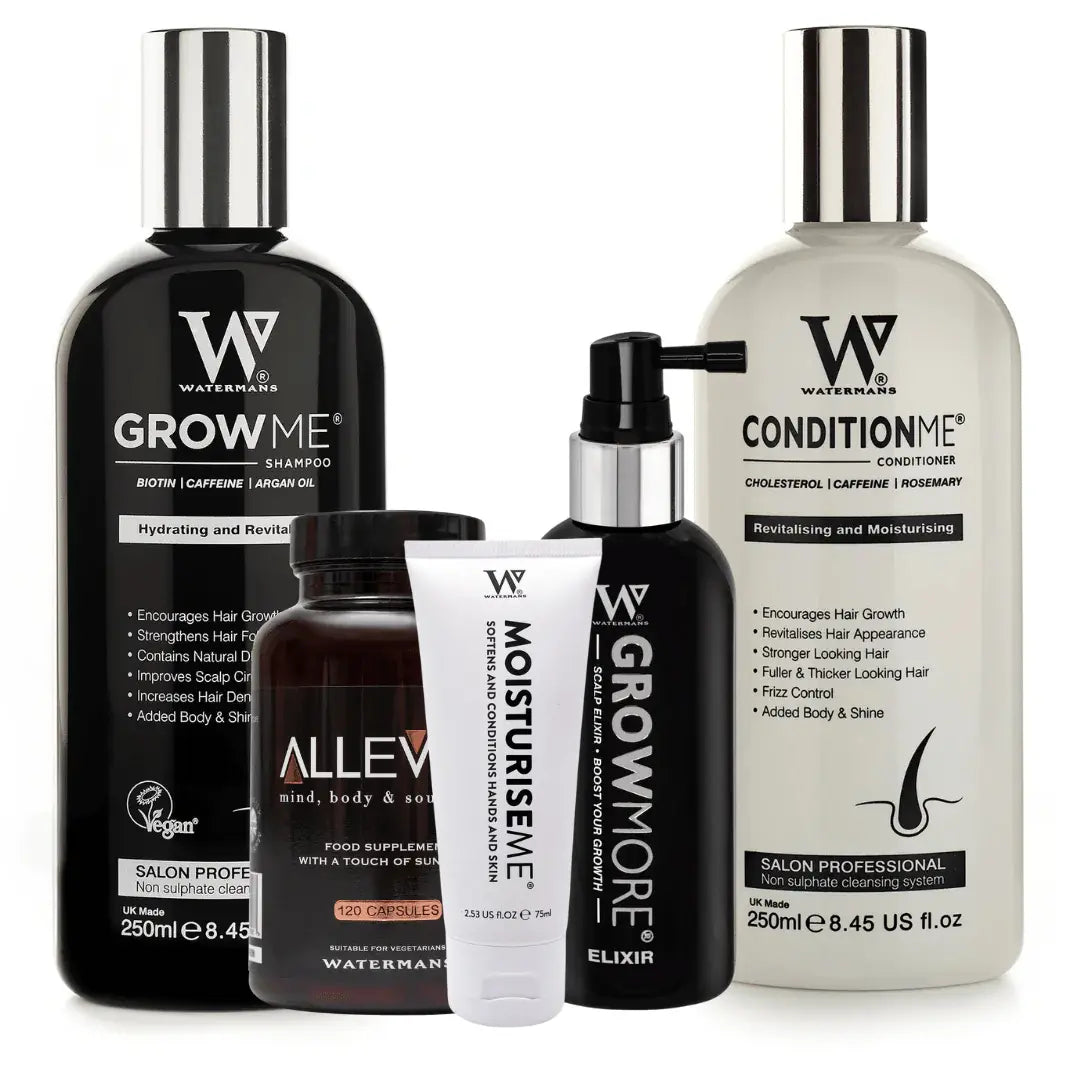
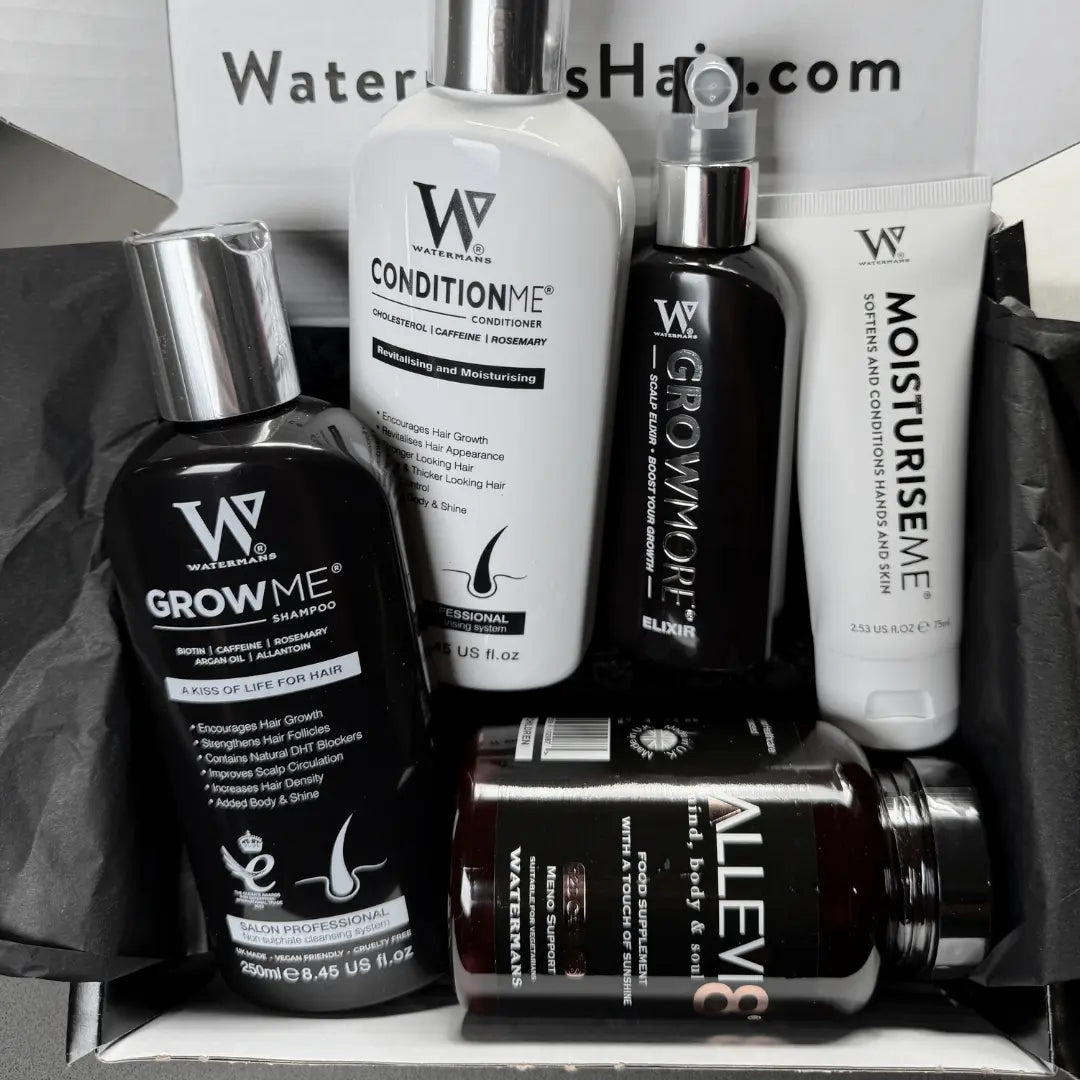
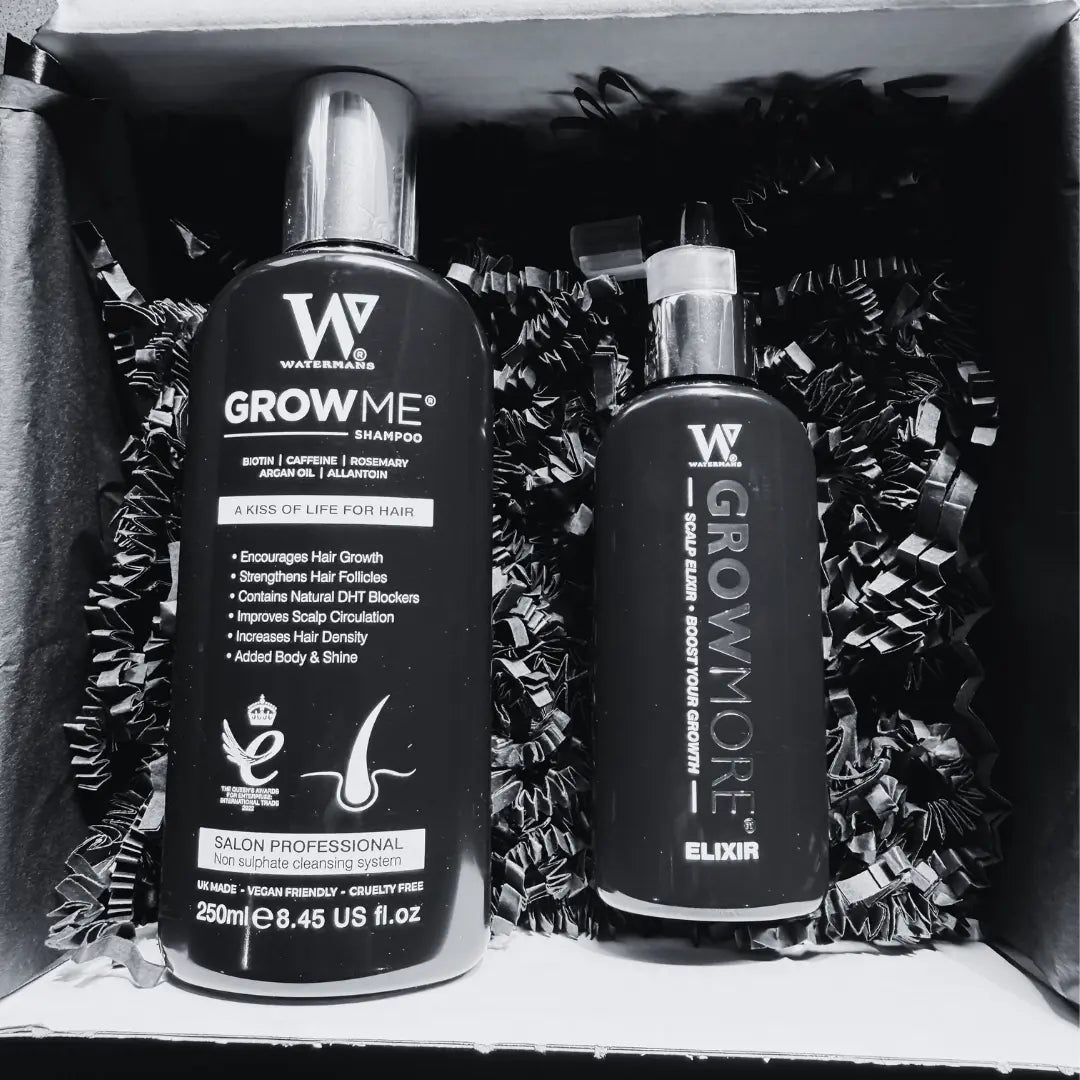
Many patients mix FUT with treatments like finasteride or minoxidil under doctor guidance. Combining these with daily care—such as the Watermans Hair Survival Kit—helps keep your scalp and hair strong.
Follicular Unit Transplantation FAQs
Is Follicular Unit Transplantation permanent?
FUT moves hair from the donor zone, which usually does not thin. That is why FUT is seen as permanent. However, your other hair may continue to thin. That is why daily scalp care, such as with Watermans Grow Me Shampoo, is useful.
How many grafts can be transplanted with FUT in one session?
The number of grafts depends on your donor hair and scalp stretch. Many patients get between 1,500 and 3,000 grafts. Some reach more than 4,000 if conditions are good. FUT is efficient when many grafts are needed.
Is FUT better than FUE for natural results?
Both FUT and FUE can give a natural look when done by a skilled surgeon. FUT may give more grafts, which helps in advanced hair loss. FUE works well for short hair styles. The doctor’s skill is the main factor in a natural look.
Take Control of Your Hair Journey After FUT
If you choose FUT, you take a strong step toward lasting hair restoration. The best path mixes skilled surgery with a long-term care plan that helps both transplanted and natural hair.
Before your consultation, build a strong start at home. Try a targeted shampoo like Watermans Grow Me Shampoo that contains biotin, rosemary, caffeine, niacinamide, argan oil, allantoin, and lupin protein. This shampoo helps wake your scalp and adds volume from the roots. For a complete routine that supports thicker, fuller hair, check out the Watermans Hair Survival Kit.
Combine permanent FUT with daily, gentle care. This sets you on the path to enjoy thicker, more natural-looking hair for many years.




%20is%20a%20long-used%20hair%20transplant%20method.%20Researchers%20seek%20permanent%20ways%20to%20fix%20thinning%20hair%20or%20recession.%20FUT%20works%20by%20moving%20small%20hair%20groups%20from%20a%20donor%20a...)