Androgen Rebound: Symptoms, Causes, and Effective Management Strategies
Androgen rebound means your hormones rise after a time of being low. Androgens, the male hormones, fall then come back strong. This shift affects your hair, skin, mood, muscles, and sexual health.
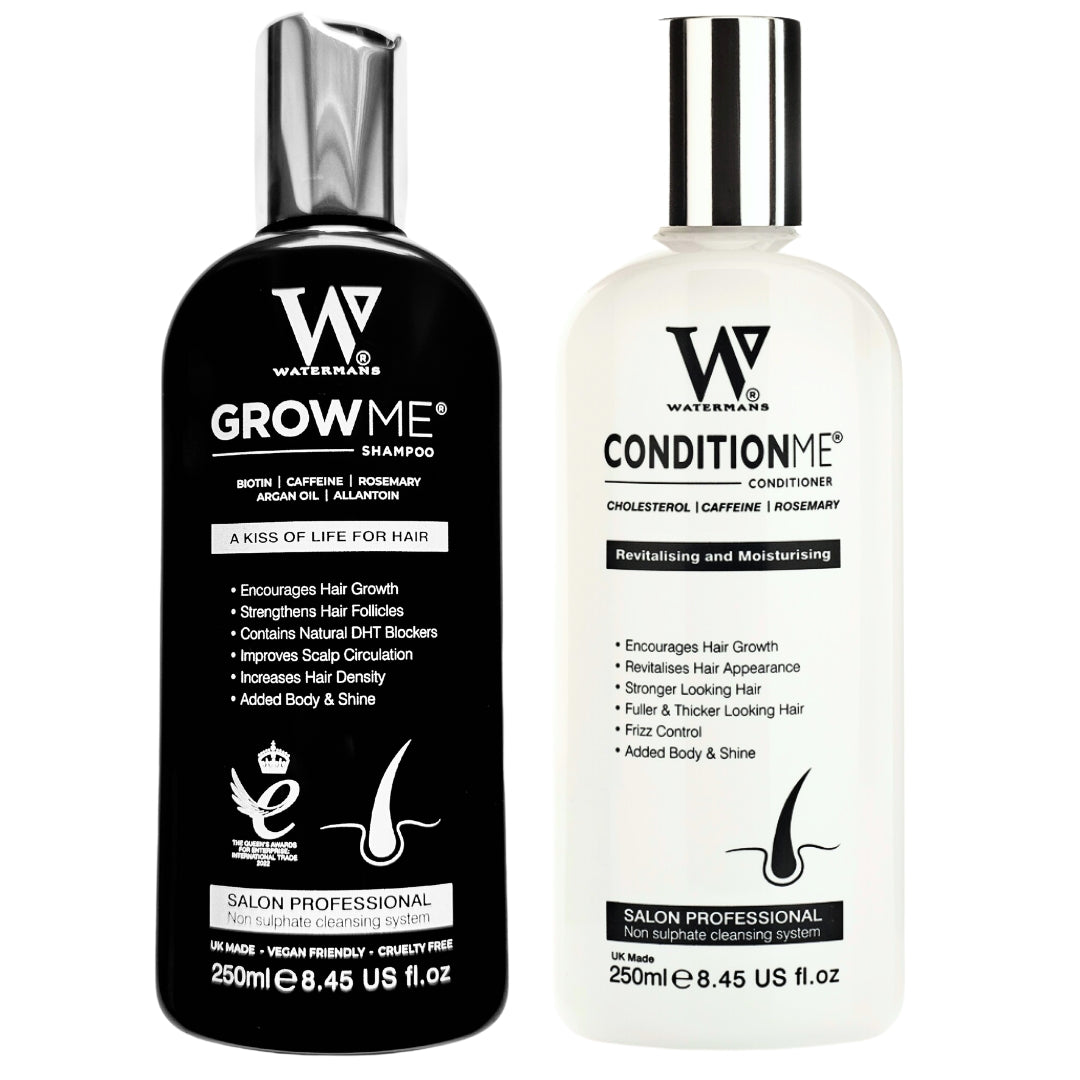
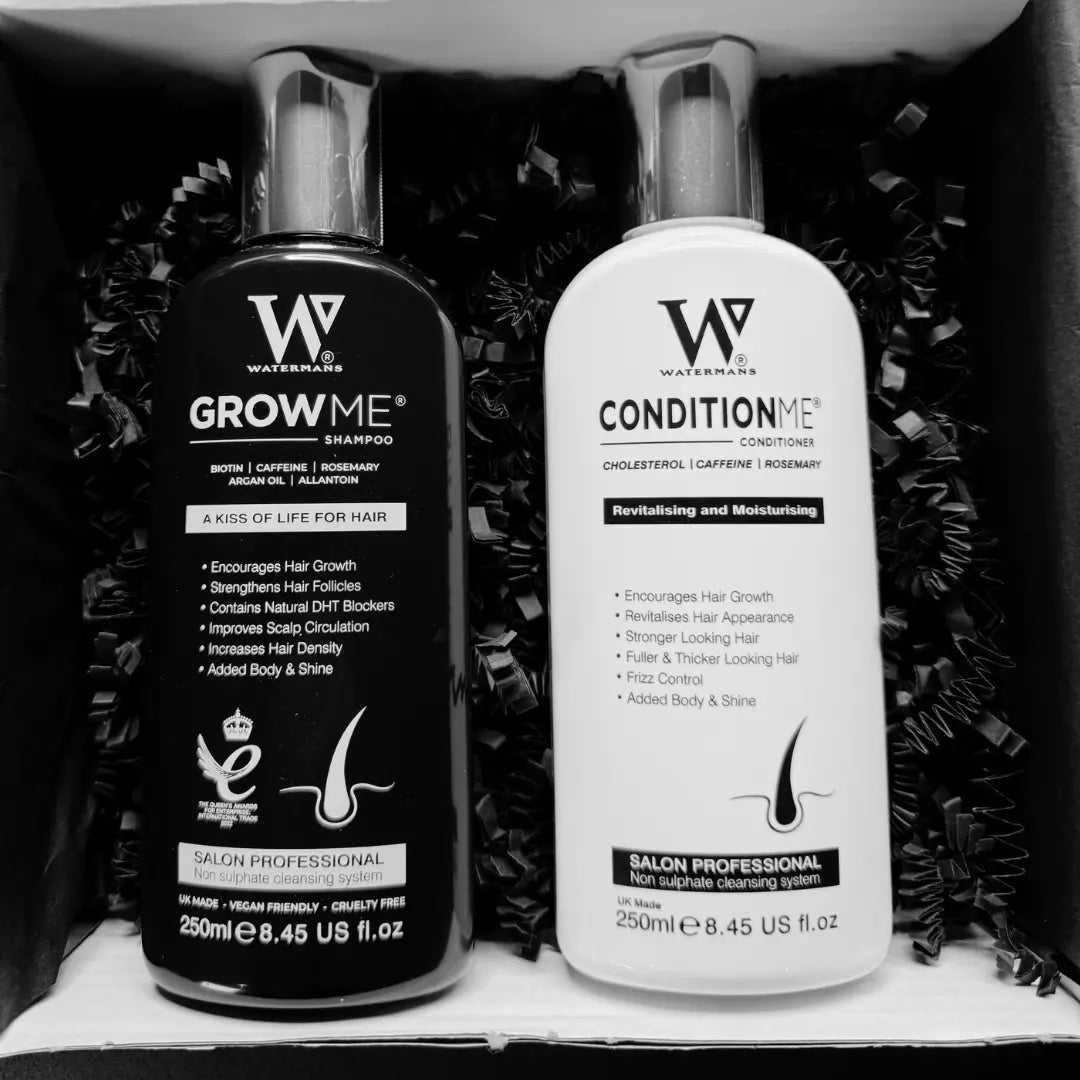
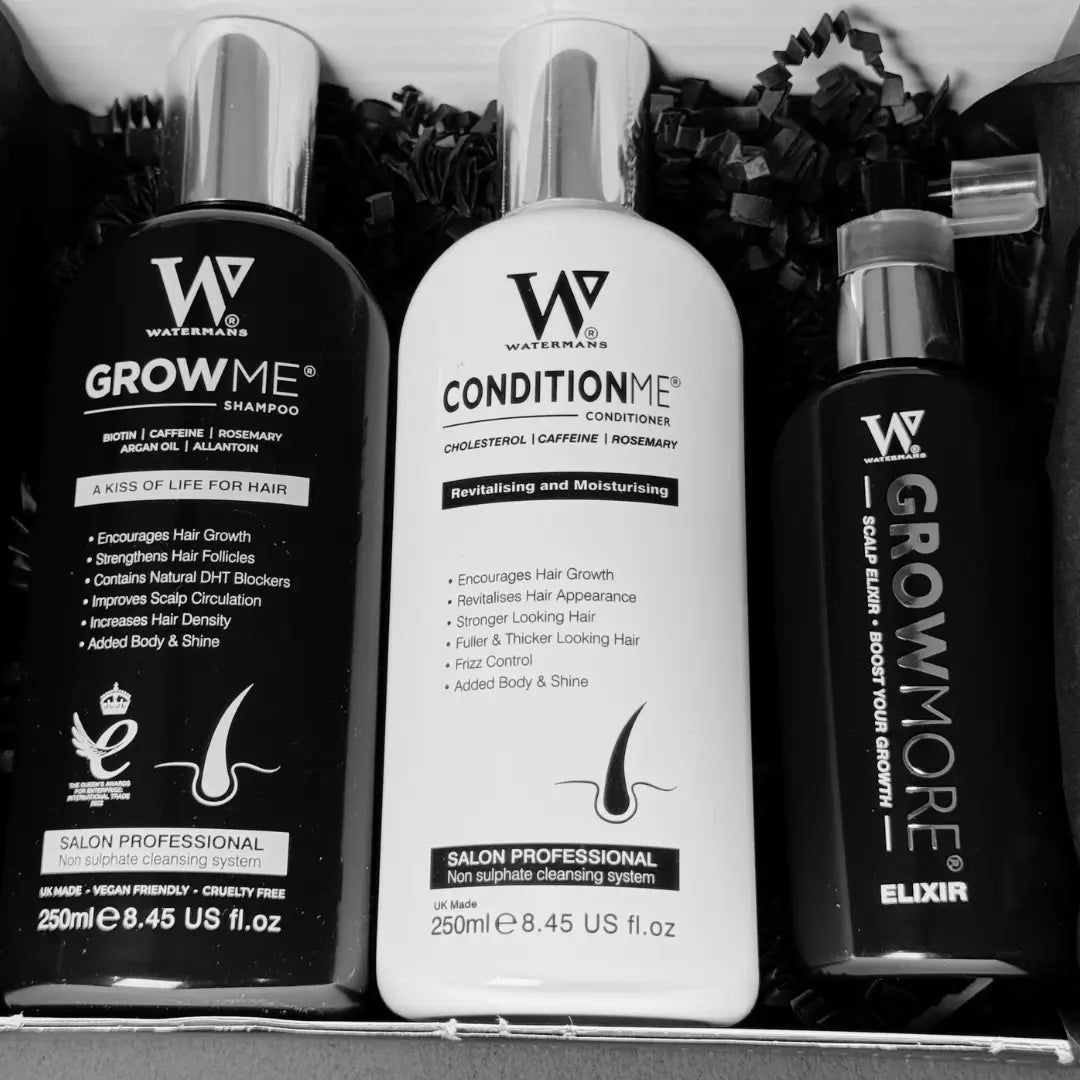
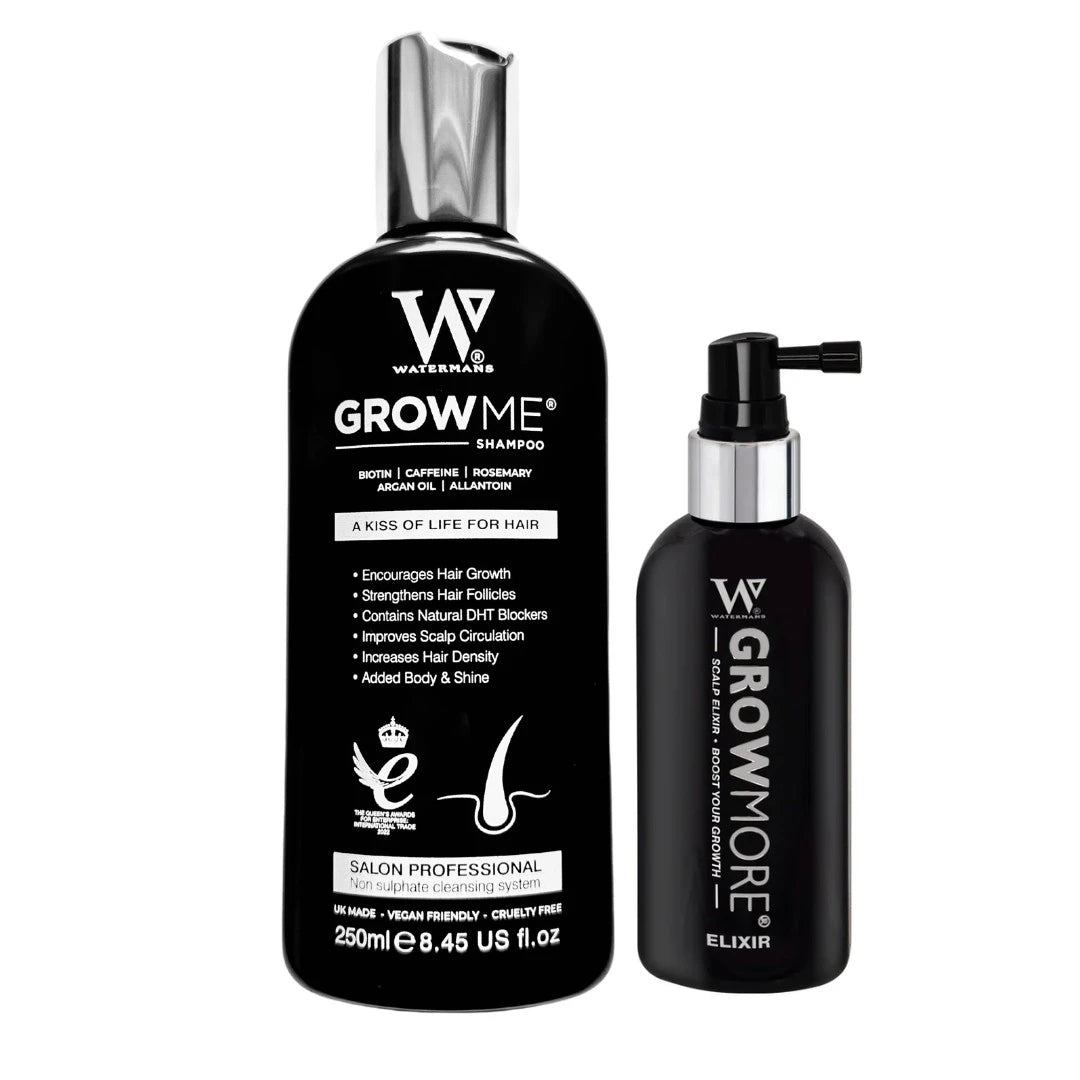
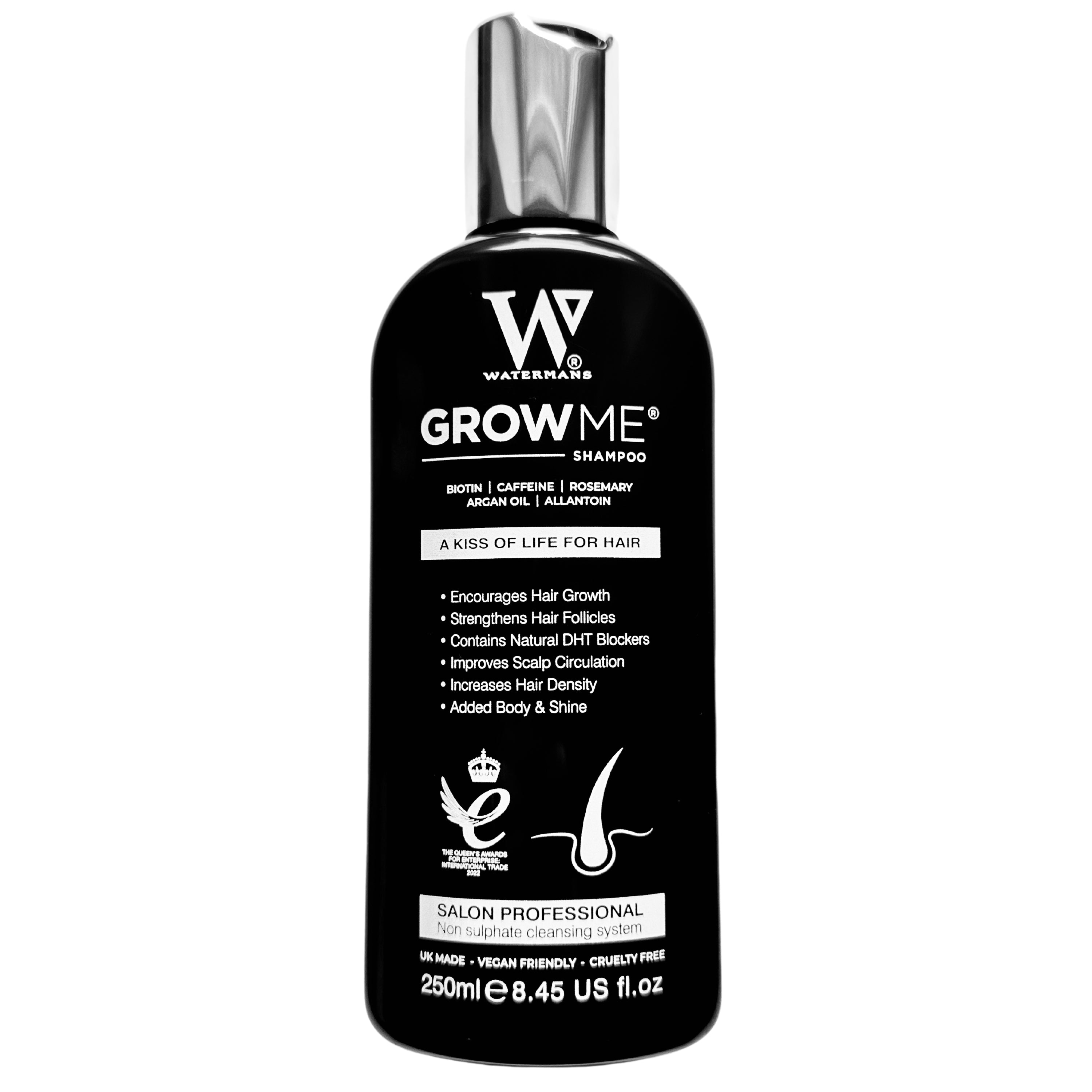
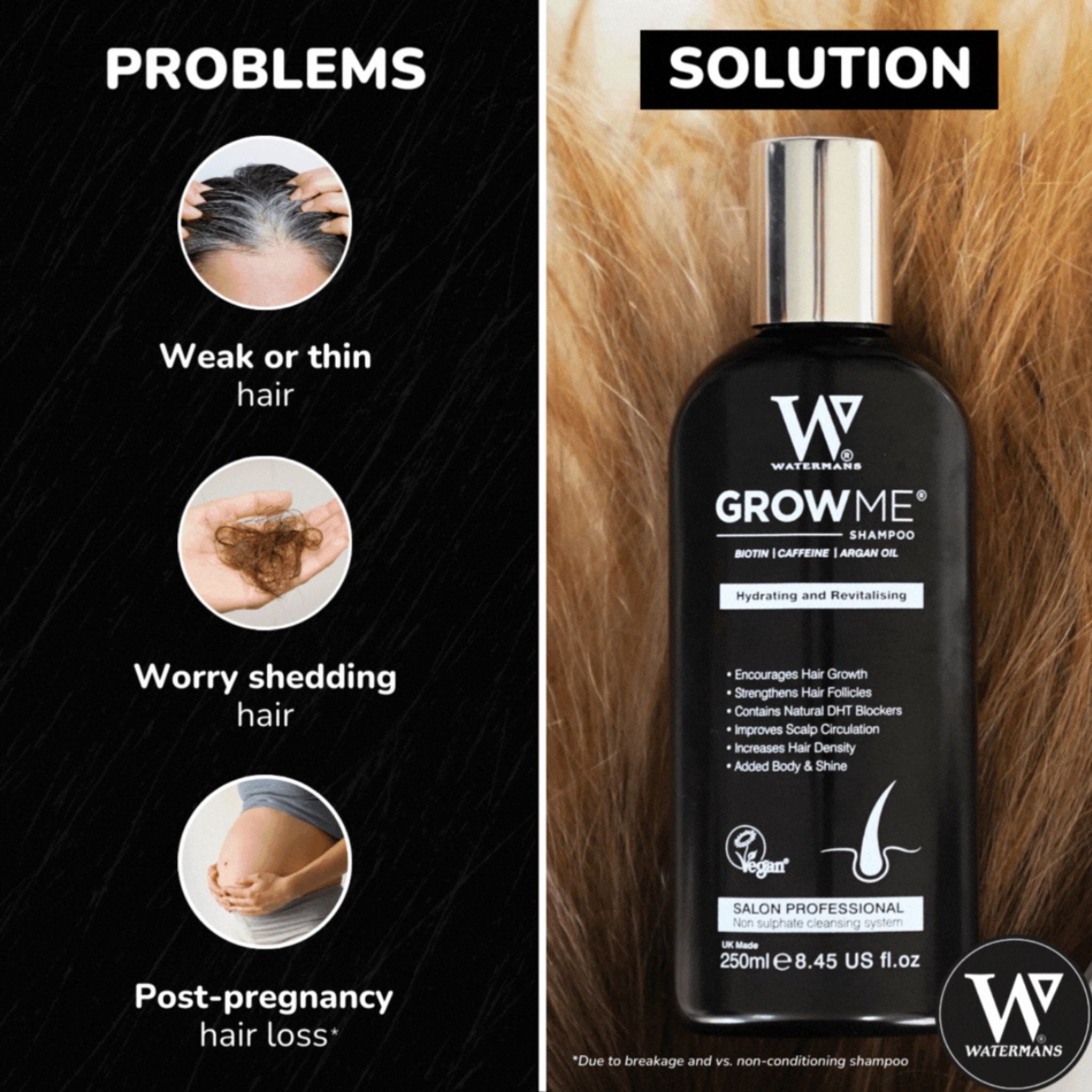
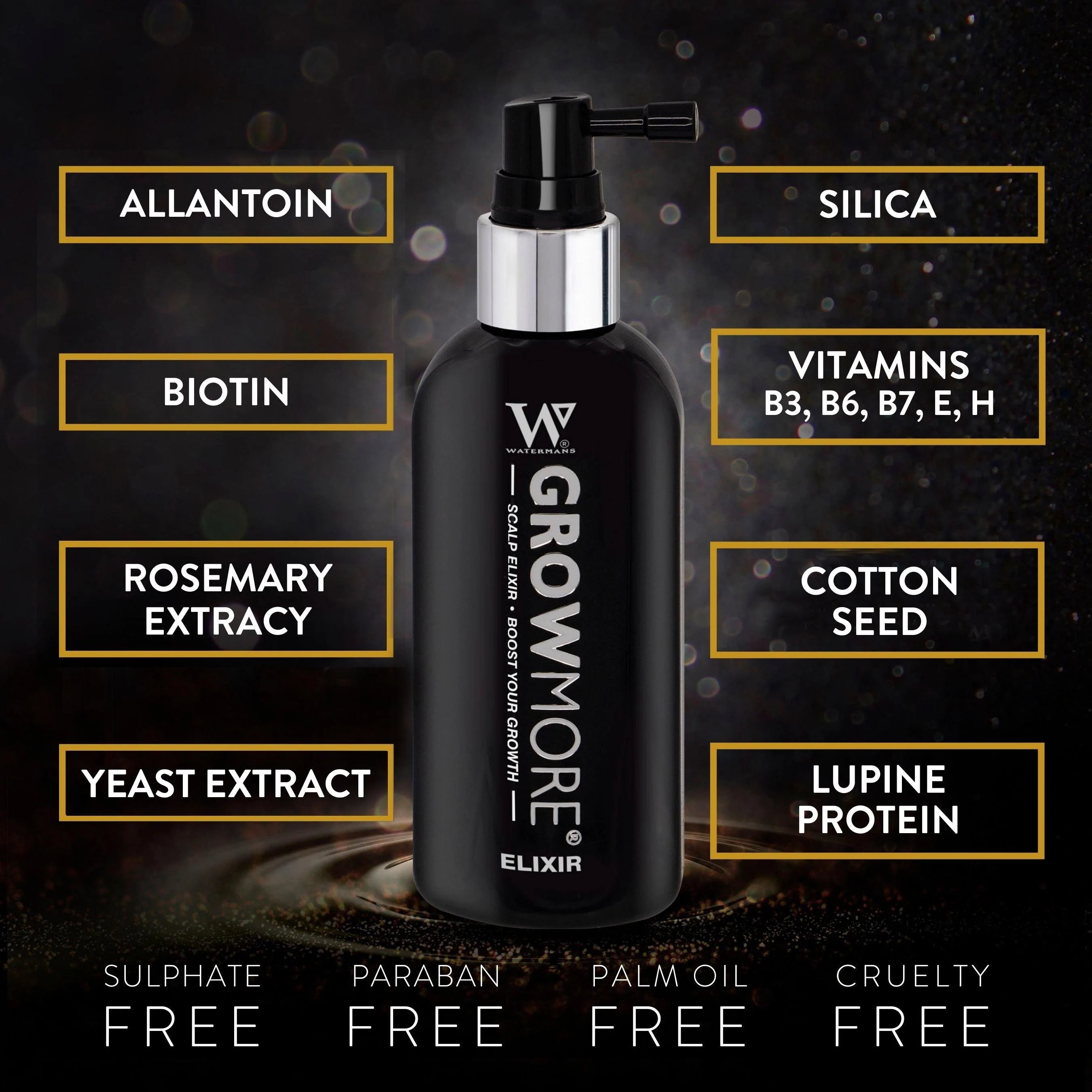
Before trying strong drugs or other measures, a well‐chosen haircare routine can help you protect your hair when hormones shift. Many people use Watermans Grow Me Shampoo as a natural way to support scalp health and slow hair shedding linked to these shifts.
In this guide, you will see how androgen rebound happens, which signs to watch, and what steps you can take to keep things under control safely.
What Is Androgen Rebound?
Androgens like testosterone and DHT help with:
• Sex drive and erection
• Muscle and bone strength
• Energy levels and mood
• Body and scalp hair patterns
Androgen rebound happens when these hormones rise again after a period of low levels. The rise can be:
• Light and short, with small changes
• Strong and clear, with side effects like acne or hair shedding
You may see androgen rebound when you:
• Stop using anabolic steroids or prohormones
• Quit certain anti-androgen drugs
• Finish a medical treatment that lowers testosterone
• Change your lifestyle or diet significantly
Knowing the cause helps you decide the best way to handle it.
Androgen Rebound vs. Normal Hormone Fluctuations
Everyone has daily hormone changes. That is usual. Androgen rebound is different because:
• It happens after a clear low period caused by drugs or therapy.
• The body works to bring hormone levels back up quickly.
• The change is strong enough to cause visible signs.
For example, a person on a medication might have low testosterone. Once the drug ends, hormones rise fast. This change can disturb skin and hair follicles.
Common Causes of Androgen Rebound
1. Discontinuing Anabolic Steroids or Prohormones
Steroids and prohormones fill your body with man-made androgens. They also lower natural testosterone. When you stop them:
- The man-made hormones fall fast.
- Your body begins to make its own testosterone.
- The system may overshoot and raise hormone levels too high.
This rise may lead to:
• Acne and oily skin
• Hair shedding, especially if you are prone to hair loss
• Mood swings or irritability
2. Stopping 5‑Alpha Reductase Inhibitors (e.g., Finasteride)
Medications like finasteride and dutasteride block the enzyme that makes DHT. They are used for:
• Male pattern hair loss
• An enlarged prostate
When you stop these drugs:
• DHT levels slowly come back.
• Some people feel a rebound as DHT returns.
A rise in DHT may cause hair follicles to shrink faster, which many see as a wave of hair shedding or thinning.
3. Ending Anti‑Androgen Therapy
Medicines for:
• Prostate issues
• Severe acne
• Hormone therapy
act to lower androgen effects. When you stop, your body’s sensitivity can return and hormone levels can rise in relation to that sensitivity.
4. Weight Changes, Diet, and Lifestyle Shifts
Not all rebound comes from drugs. Big lifestyle changes may press your hormone system. These include:
• Fast weight loss or gain
• Extreme diet patterns or heavy bulking phases
• A sudden stop in heavy drinking
• Big changes in sleep or stress
Fat tissue helps manage hormones. Quick changes in fat or insulin levels can alter testosterone and DHT, which some see as rebound.
5. Recovery From Long-Term Stress or Illness
High cortisol from long-term stress can lower sex hormones. When stress decreases—through better sleep, therapy, or life changes—testosterone may rise from earlier low levels.
This rise can be good for some. But for those with a strong family history of hair loss or oily skin, it may cause unwanted changes.
Androgen Rebound Symptoms: What to Watch For
Not everyone has all of these signs. Common signals include:
1. Changes in Hair and Scalp
• More shedding—finding extra hair on your pillow, in the shower, or on your brush.
• Thinning around the crown or temples if you are prone to hair loss.
• A faster receding hairline after a hormone-suppressing drug ends.
• An oily scalp with slight itching or mild irritation.
Hair follicles are very sensitive to hormone shifts. That is why a steady scalp routine is key. A non‑medical routine with Watermans Grow Me Shampoo may help keep your scalp active and your roots strong.
2. Skin Changes
• Sudden or worse acne along the jaw, back, and chest.
• Oily skin on the face and scalp.
• Larger pores or skin congestion.
These signs happen because androgens trigger the oil glands in your skin.
3. Changes in Libido and Sexual Function
• A boost in sexual desire after low libido.
• Stronger or more frequent morning erections.
• Sometimes an odd anxiety with performance as hormones shift.
4. Shifts in Mood, Energy, and Behavior
• A greater drive or feelings of competitiveness or impatience.
• Swings between high energy and tiredness.
• Irritability, especially when sleep and stress change.
5. Changes in Body Composition
• Easier muscle gain or a return of strength after low hormone levels.
• A small drop in body fat when you train and eat well.
• Changes in water retention that may make you feel fuller or more pumped.
If these changes come fast after stopping a hormone-related drug, androgen rebound may be at play.
How Androgen Rebound Affects Hair Health
Your hair shows the state of your hormones. This is how androgen rebound connects to hair follicles:
Androgens and Hair Follicles
• Testosterone changes into DHT in your scalp through an enzyme.
• DHT attaches to receptors in hair follicles.
• In sensitive individuals, DHT makes follicles shrink gradually.
This process:
- Shortens the growth phase of hair.
- Lengthens the resting phase of hair.
- Leads to thinner, shorter hair.
In androgen rebound, an increase in DHT or sensitivity may quicken the shrinking of follicles.
Why Hair Shedding Can Spike After Stopping Medications
While on DHT blockers, your follicles may regain some thickness. When you stop, DHT goes up again. Then, vulnerable follicles start to shrink once more. This may cause extra shedding weeks to months later. While not always a permanent change, it can be surprising if you are unready. A steady hair and scalp care routine becomes key during this time.
Non‑Medical First Step: Supporting the Scalp Environment
Before you consider strong drugs, many people start with non‑medical methods:
• Use shampoos and conditioners that help the scalp gently.
• Give your scalp a massage to boost blood flow.
• Avoid harsh chemicals that harm your scalp.
Watermans Grow Me Shampoo fits well at this stage. Its ingredients:
• Biotin shapes strong hair structure.
• Rosemary may improve blood flow and scalp feel.
• Caffeine might slow DHT effects on follicles.
• Niacinamide works to protect and soothe the scalp.
• Argan Oil helps soften and avoid breakage.
• Allantoin calms the skin and helps renew it.
• Lupin Protein adds strength to the hair shaft.
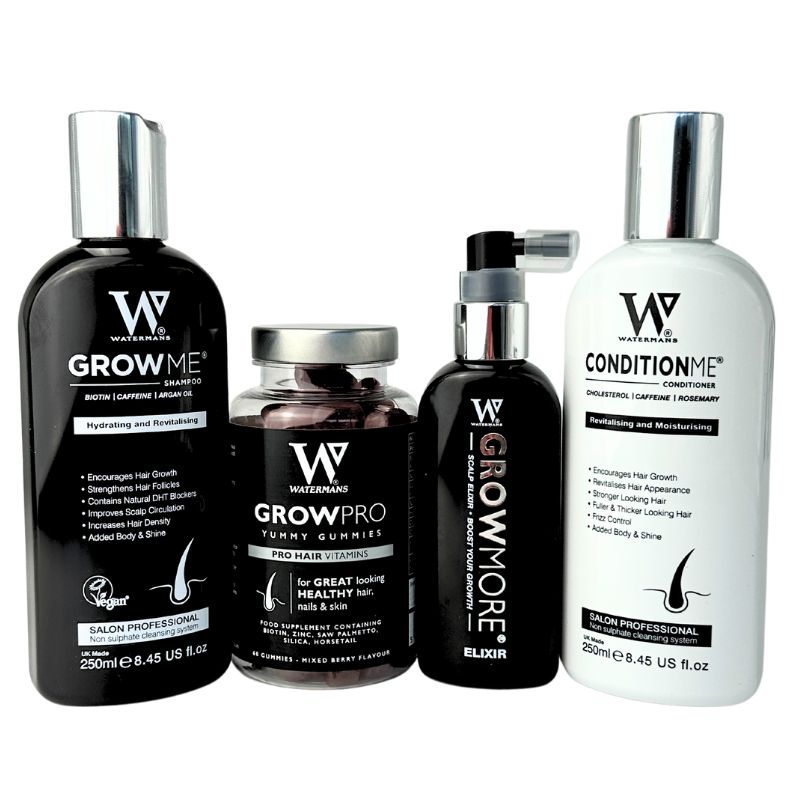
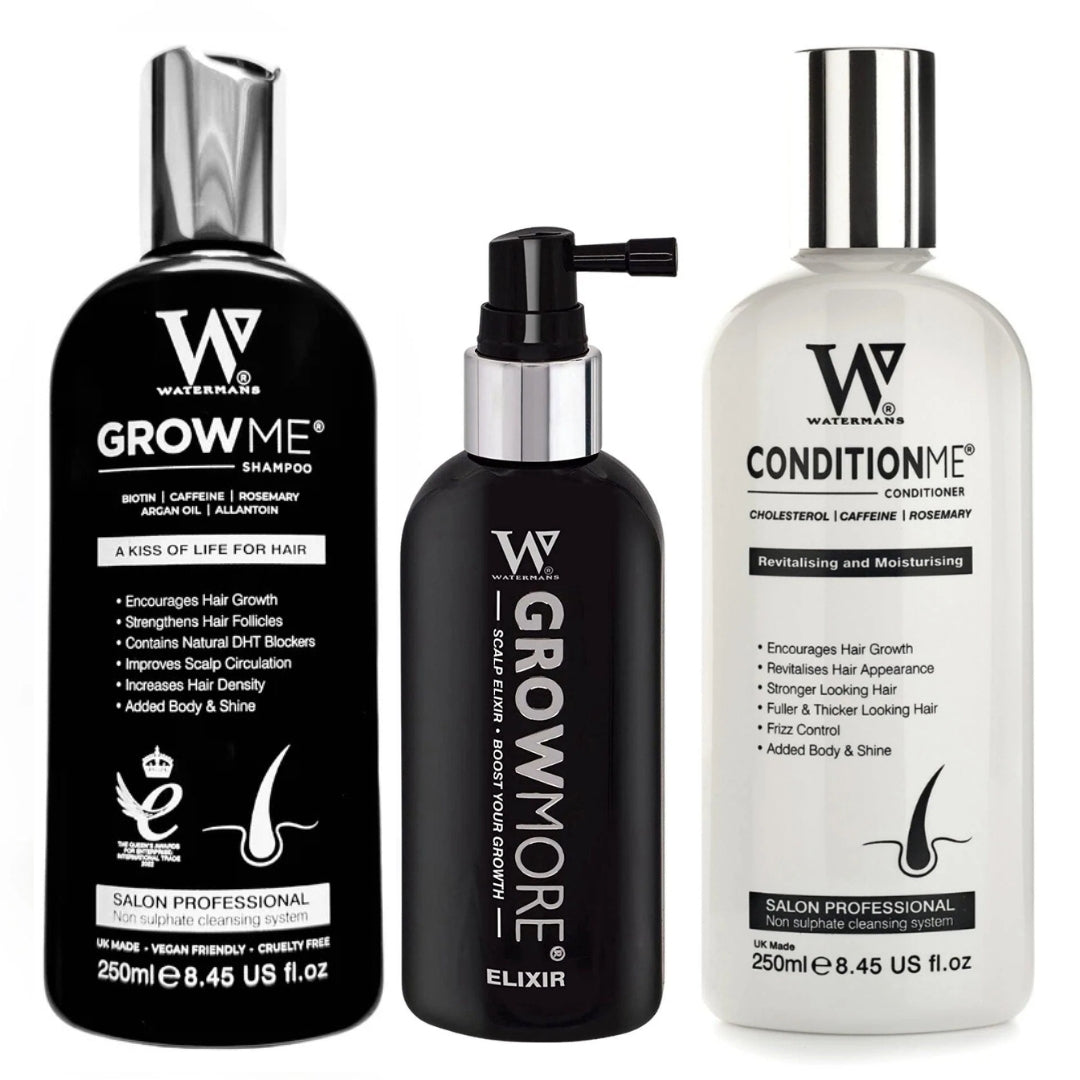
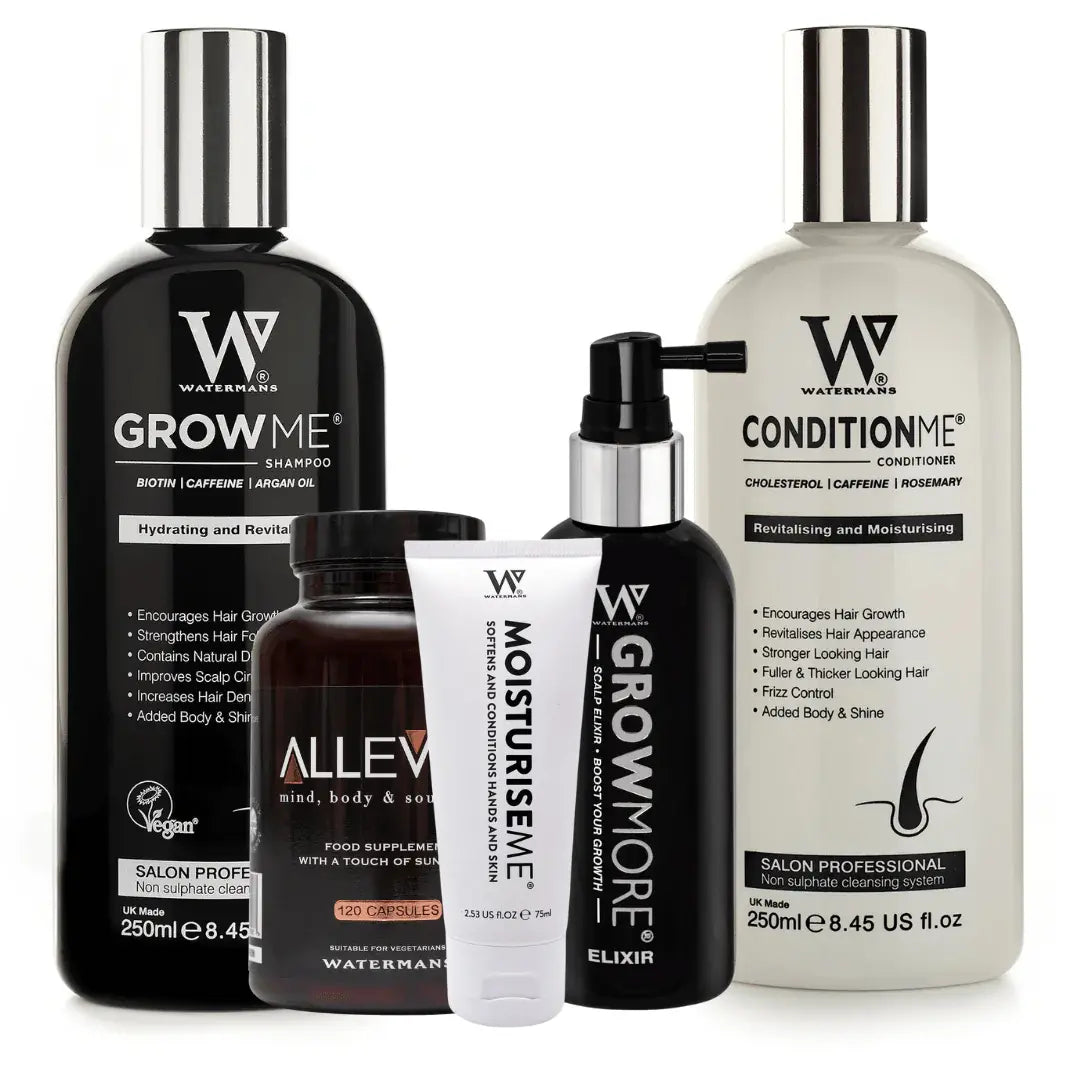
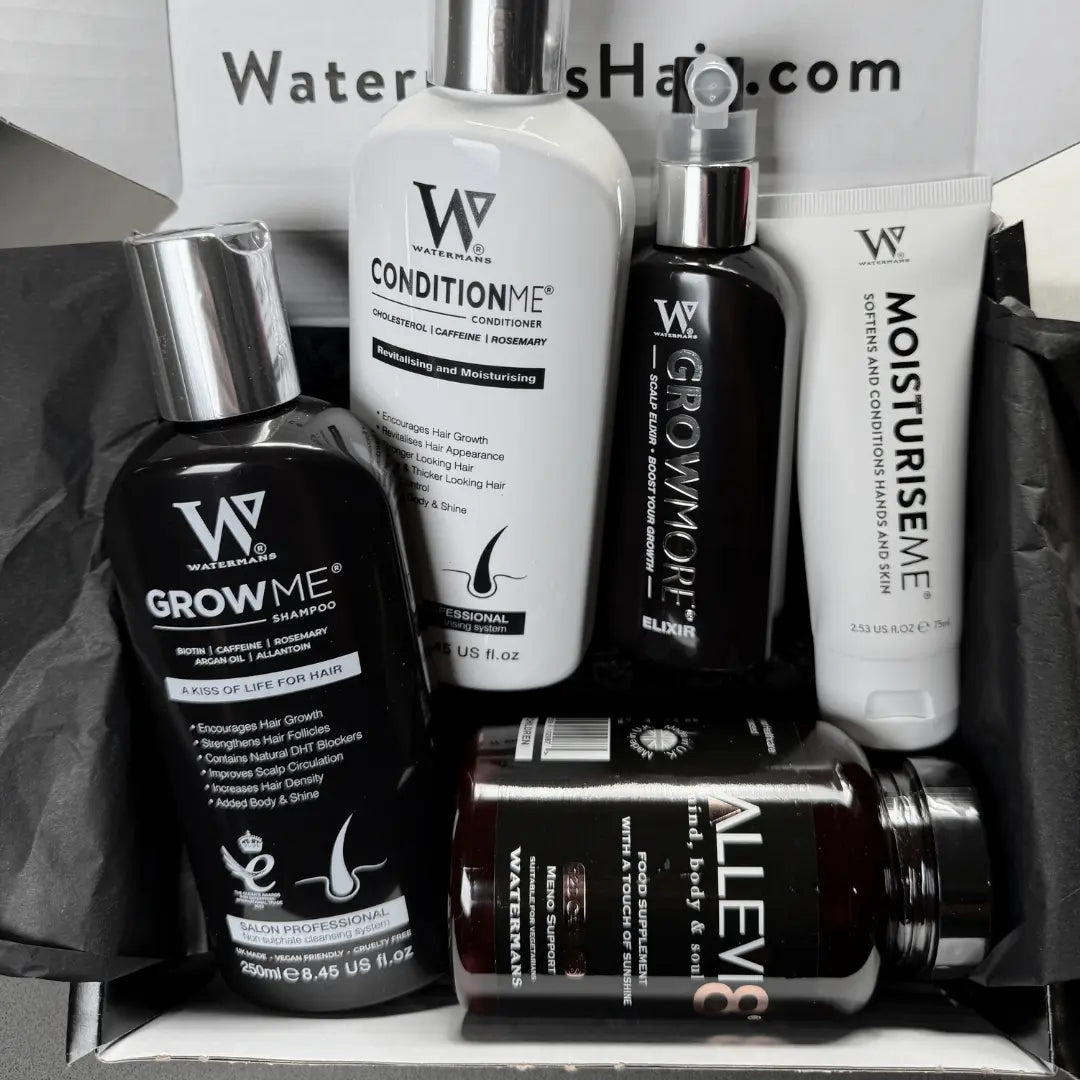
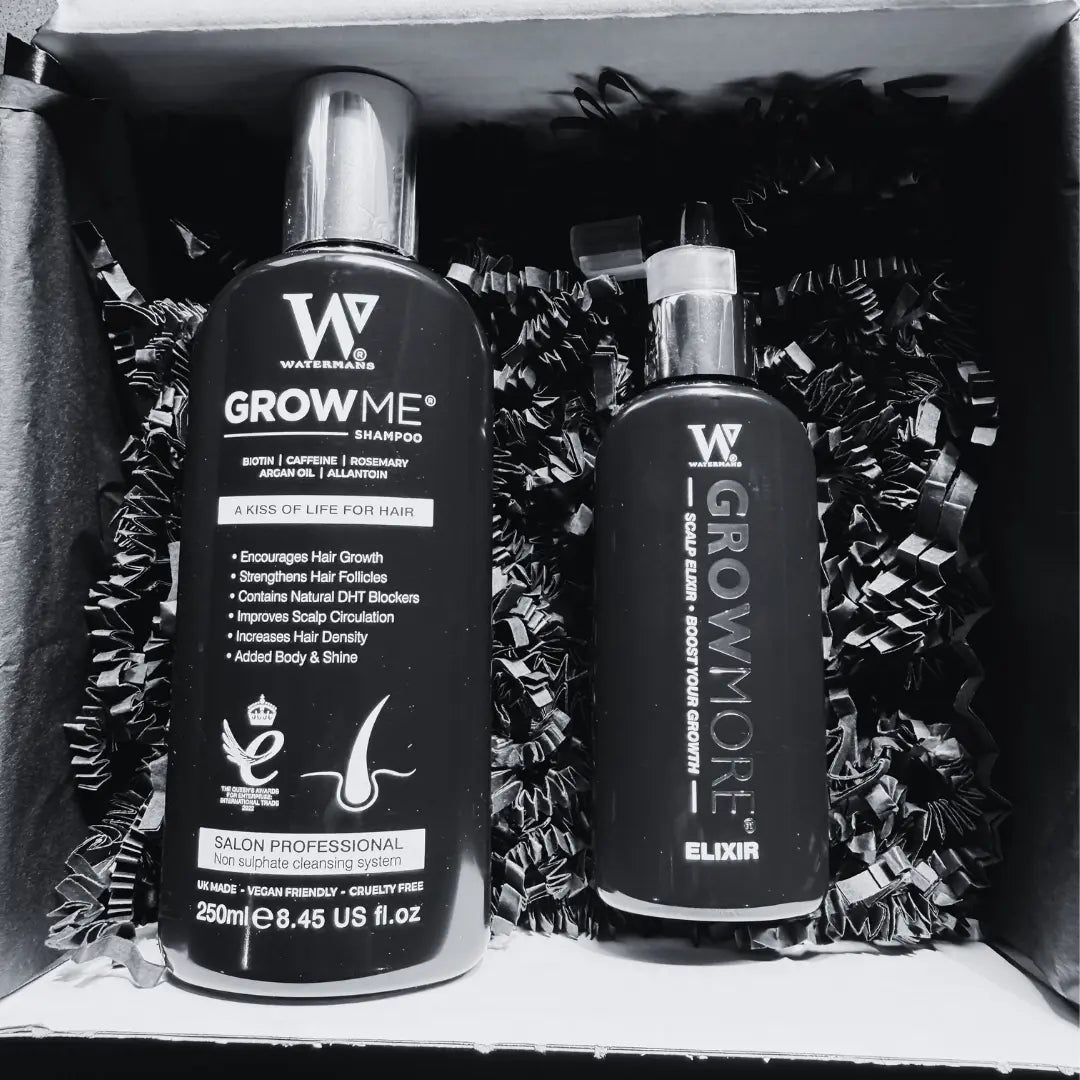
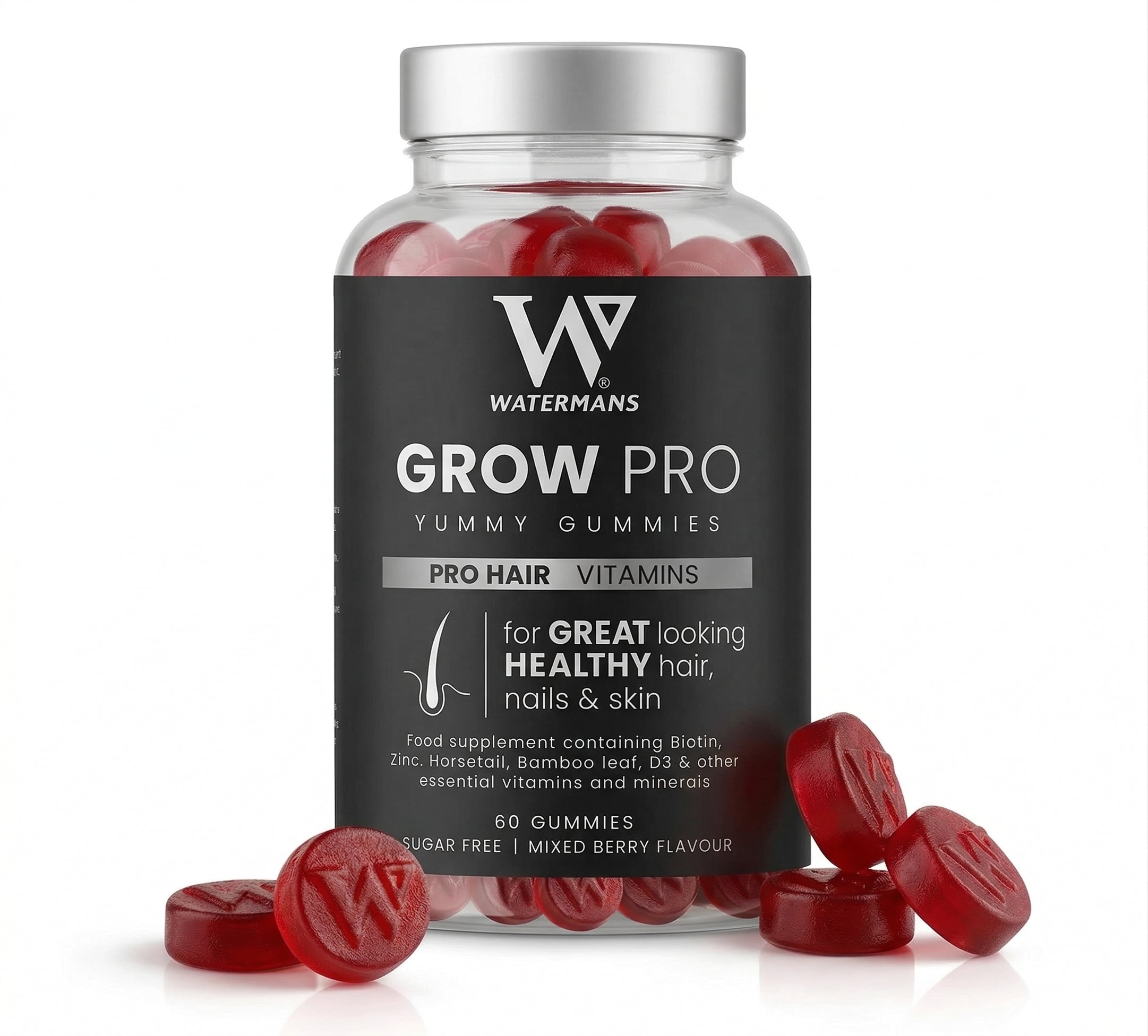
It helps wake your scalp and thickens hair at the root. Many choose the Watermans Hair Survival Kit for all-around support.
Medical and Lifestyle Triggers of Androgen Rebound
Knowing what starts your androgen rebound helps plan proper care.
Post‑Cycle Therapy (PCT) and Steroid Users
People who stop steroid cycles may follow post‑cycle therapy. PCT helps:
• Boost natural testosterone levels.
• Keep estrogen levels normal.
• Ease symptoms of the hormonal drop.
Even with PCT, some see waves of hormones as the body “catches up.” This may show as oily skin, acne, or hair changes.
Finasteride Discontinuation
Users stop finasteride for many reasons such as side effects or family plans. After you stop:
• DHT rises gradually over weeks or months.
• Hair may change in a period when shedding increases.
It is wise to adjust expectations and support your hair externally while hormones settle.
Changes in Contraception or Hormonal Therapy
Changes in:
• Testosterone therapy
• Anti‑androgen drugs
• Gender‑affirming hormone treatments
can cause rebound if doses change suddenly. Working with an expert in hormones is key to a careful change.
Is Androgen Rebound Dangerous?
For most healthy adults, androgen rebound is more of an annoyance or a cosmetic worry than a health risk. It shows your body is re‑balancing after a treatment.
Yet, keep in mind:
• If you have heart issues, quick hormone changes might affect blood pressure or cholesterol.
• Mood and mind may suffer, as some feel anxious or unstable during these swings.
• In those at risk of prostate issues, changing hormone levels may matter.
If you have serious or lasting symptoms—chest pain, deep depression, extreme tiredness, or ongoing sexual problems—see your doctor.
Effective Management Strategies for Androgen Rebound
Handling androgen rebound is about keeping your body steady. Some steps include:
1. Work with a Knowledgeable Healthcare Professional
Especially if you have used steroids or hormone drugs, a doctor can help. The doctor may:
• Check your hormone levels (testosterone, DHT, and others).
• Test your cholesterol, liver, and blood counts.
• Help lower medications slowly when needed.
• Advise if you need any treatment.
Avoid using many unregulated supplements or black-market drugs.
2. Allow for Gradual Changes
Stopping hormone drugs fast can bring a strong rebound. Your doctor might:
• Suggest you lower the dose slowly.
• Use a planned therapy after steroid use under care.
• Adjust your dose bit by bit so your body can adapt.
3. Start with Scalp and Hair Care Right Away
Since androgen rebound shows in your hair, a steady hair‑care plan helps both looks and confidence.
Think about:
• Using trusted non‑drug products as a first step.
• Washing your hair gently to boost scalp circulation.
• Avoiding cleansers that strip moisture away.
This is where Watermans Grow Me Shampoo works well. It is made for handling shedding, thinning, or breakage during hormonal changes. Many like it because its ingredients:
• Strengthen hair with Biotin and Lupin Protein.
• Use Caffeine and Rosemary to wake the scalp.
• Rely on Niacinamide, Argan Oil, and Allantoin to keep scalp balance.
For extra support, the Watermans Hair Survival Kit gives a full routine as your hormone levels steady.
4. Stick to Good Daily Lifestyle Steps
Everyday basics help your hormone recovery and reduce rebound signs.
• Sleep: Get 7–9 hours a night as hormones follow your body clock.
• Nutrition: Eat enough protein, healthy fats, and key vitamins (like zinc, vitamin D, iron, and B‑vitamins).
• Exercise: Mix weight training with light cardio. Too much or too little can upset hormones.
• Stress: Manage stress through mindfulness, therapy, or deep breathing to keep stress hormones low.
5. Take Care of Your Skin and Acne
If rebound makes acne worse:
• Use cleansers that do not block pores.
• Try products with salicylic acid or benzoyl peroxide if needed.
• Avoid over-scrubbing the skin.
For heavier breakouts, a skin doctor can offer treatments that respect your hormonal changes.
6. Think About Your Fertility Plans
If you plan to have a baby, hormone changes matter. Discuss with your doctor:
• Your family-planning timing.
• How your past hormone treatments might affect fertility.
• If you need a temporary plan while your hormones settle.
Psychological and Emotional Aspects of Androgen Rebound
Hormones affect both the body and the mind. As they change, many feel:
• Not quite themselves.
• Concern over physical changes like hair loss or acne.
• Regret over past choices in hormone-related drugs.
It helps to:
• Accept that mood shifts often pass as your body finds balance.
• Seek support from friends, online groups, or therapists who know hormone issues.
• Focus on what you can change: your routines, healthy habits, and care for hair and skin.
Taking steps—such as updating your hair-care with a high-performing product like Watermans—can help you feel steadier as your hormones balance out.
Myths and Misconceptions About Androgen Rebound
Misinformation can spread quickly, especially in fitness circles and online. Here, we fix a few myths.
“Androgen Rebound Always Destroys Your Hair.”
That is not always true. Hair changes depend on:
• Your family history of hair loss.
• How much and for how long hormones were changed.
• How well you care for your scalp during the change.
Early scalp support with non‑medical care can slow hair loss.
“Once Androgen Rebound Starts, You Can’t Do Anything.”
This is not true. You can:
• Get help from a doctor to guide hormone recovery.
• Adjust your lifestyle to keep steady hormone levels.
• Take care of your scalp to get the most out of each hair.
• Use topical or non‑medical products to keep a good look and confidence.
A mix of these steps helps even though there is no single cure.
“Androgen Rebound Is Permanent.”
The rebound phase does not last forever. Hormones will settle into a new balance. Still:
• If follicles shrink too much, some hair changes might last.
• Early care and support can help maintain the hair you have.
Who Is Most at Risk for Problematic Androgen Rebound?
While anyone who changes hormone levels might see rebound, some are more likely to have signs.
1. People With a Strong Family History of Hair Loss
If men or women in your family lost hair early or fast, you may see a quick change when hormones shift.
2. Long‑Term Steroid or Prohormone Users
Long high-dose use can lower natural hormone production deeply. Recovery is harder and the rebound may be stronger.
3. Those With Underlying Endocrine Issues
Conditions such as:
• Low sex hormone production
• Polycystic ovary conditions
• Thyroid problems
make hormone balance more delicate. Carefully follow any changes with a doctor.
4. People Under Constant High Stress
Long-term stress can upset many hormone systems. When you stop a hormone drug, the whole system may swing more widely.
Practical Daily Routine During Androgen Rebound
If you think you are in androgen rebound or are about to end a hormone treatment, a daily plan can help you cope. Here is one plan that you can adjust with advice from your doctor:
-
Morning
– Drink water when you wake.
– Do some light stretching to get the blood moving.
– Shower and use Watermans Grow Me Shampoo every other day. Gently massage your scalp for about 1–2 minutes to boost circulation.
– Use any skin products your dermatologist has recommended. -
Nutrition
– Eat protein at every meal to support hair and muscle.
– Include healthy fats such as olive oil, nuts, seeds, or fatty fish to help with hormone production.
– Eat a range of vegetables and greens. You might add a multivitamin if your doctor agrees. -
Work and Stress Control
– Plan short breaks so stress does not build up.
– Use short mindfulness or breathing breaks when needed. -
Training
– Work out with a mix of resistance training and light cardio 3–5 times a week.
– Avoid pushing to total fatigue every day because too much strain can lower hormone levels again. -
Evening
– Follow a wind-down routine (dim the lights and avoid heavy screens 30–60 minutes before sleep).
– Give your scalp a gentle massage with your fingertips to boost blood flow.
– Try to go to bed at the same time each night. -
Weekly Checks
– Note any extra hair shedding (check your shower drain or pillows).
– Track your mood, energy, and skin.
– Adjust your habits when needed and talk with your doctor about big changes.
Using the Watermans Hair Survival Kit in your routine can provide all‑round support as your hormones adjust.
When to Seek Professional Help
Most androgen rebound issues can be managed at home. But if you notice these signs, get help:
• Sudden, large patches of hair loss (this could show another condition).
• Severe feelings of depression, anxiety, or anger that you cannot control.
• Ongoing erectile issues or low sex drive for many months after stopping a drug.
• Breast tenderness, lumps, or discharge.
• Big, unexpected weight changes.
• Chest pain, a fast heartbeat, or trouble breathing.
Your doctor can tell if your symptoms are from androgen rebound or another health matter.
Short FAQ on Androgen Rebound
1. How long does androgen rebound last after stopping hormone-related medications?
Most people see clear rebound signs for several weeks to a few months. The hormones may take 6–12 months to settle fully. Since hair changes can take longer to show up, a steady use of Watermans Grow Me Shampoo can help throughout this period.
2. Can androgen rebound cause permanent hair loss?
Androgen rebound may speed up the shrinking of hair follicles in people with a genetic tendency. Some loss may stick if the follicles shrink too far. Early care with a good lifestyle, doctor guidance, and scalp support may slow this process.
3. What is the safest way to manage androgen rebound naturally?
A safe natural approach combines slow changes guided by a doctor, good sleep and food, stress control, balanced training, and a strong hair-care routine. Many choose Watermans Grow Me Shampoo and the Watermans Hair Survival Kit as a first step to help the scalp while hormones settle.
Take Control of Androgen Rebound and Protect Your Hair
Androgen rebound does not have to shake your confidence, your hair, or your health picture. When you understand why it happens, watch for the early signs, and plan your actions, you can keep the effects lower.
Focus on what you can manage every day: your habits and your hair-care routine. If you notice shedding, changes in hair texture, or want to be ready before a hormone change, start by supporting your scalp.
Try Watermans Grow Me Shampoo as your non-medical, hair-focused choice during androgen rebound. For full support, consider the Watermans Hair Survival Kit to build a routine that wakes your scalp, adds volume from the roots, and helps your hair look its best while your hormones adjust.