stem cell therapy myths and proven treatments for chronic pain
Stem Cell Therapy Myths and Proven Treatments for Chronic Pain
Stem cell therapy claims to fix many chronic pain problems. Clinics and websites show quick fixes, bold photos, and strong words such as “permanent regeneration.” Real science stays more complex. This guide shows what stem cell therapy is, what it may do for chronic pain, and which treatments work through clear evidence. It also ties together overall body health and simple self-care steps.
What Is Stem Cell Therapy, Really?
Stem cell therapy uses special cells that can change into other cells. Clinics inject these cells in your body to help mend or support worn tissues.
Types of Stem Cells Commonly Discussed
Many clinics mention a few kinds of stem cells when they talk about joint or spine pain:
-
Adult (somatic) stem cells
These cells are taken from:- Bone marrow
- Fat tissue
They are the most common type for joint and back issues.
-
Perinatal stem cells
These come from:- Umbilical cord blood
- Amniotic fluid or membrane
They have growth factors and cells that may help, though many products send signals more than true cell transplants.
-
Embryonic stem cells (ESCs)
These cells work in many ways but have strong legal and ethical limits. You will not see these in pain clinics. -
Induced pluripotent stem cells (iPSCs)
These are cells made in labs to work like embryonic cells. Research focuses on these, but they are not common for pain care now.
For joint pain and osteoarthritis, clinics use bone marrow or fat-derived injections. They may mix these with platelet-rich plasma (PRP). Notice the details: claims of embryonic or iPSC use in routine practice should make you careful.
Common Myths About Stem Cell Therapy for Chronic Pain
Myths can hide the facts. Here are some popular ideas and a look at each one.
Myth 1: Stem Cell Therapy Can Regrow Any Damaged Tissue
You may read words like “reverse arthritis,” “grow a new disc,” or “turn back the clock on joints.” Stem cells can help repair, but they do not fully rebuild worn tissue.
- In strong osteoarthritis, the cartilage is very worn, and the joint is hurt in many ways. Injections rarely regrow a smooth new cartilage.
- In very worn spinal discs, the disc may collapse and cause nerve pain. Cells alone cannot lift the heavy compression.
Some patients feel less pain. Full tissue repair in advanced cases is not shown by large trials.
Myth 2: Stem Cell Therapy Works for Everyone With Chronic Pain
Results vary a lot:
- People with early or mild osteoarthritis may feel less pain.
- Those with very damaged joints might only see a small change and could need surgery later.
- When pain comes from nerves or a widespread source, injections may help little.
Hearing a claim like “Works for 95–100% of patients” should make you cautious.
Myth 3: All Stem Cell Clinics Are the Same
Clinics differ in rules, skill, and care:
- Some clinics do little cell processing and use vague mixtures.
- Other clinics work with stricter tests and careful protocols.
- The field is still new, and many details are unknown.
The treatment quality may differ much from one clinic to another.
Myth 4: Stem Cell Therapy Is Risk-Free Because It Is Natural
Natural does not mean free of risk. Some risks are:
- Infection where the cell is placed
- Bleeding or bruising
- Local pain or swelling
- Rare cases of serious harm (especially near the spine)
Reports exist of harm from unapproved cell products. The source of cells, processing methods, injection area, and clinic conditions all count. Claims of zero risk are not realistic.
Myth 5: Stem Cell Therapy Must Last a Long Time
Some patients get long-term relief. Others see only short-term gains. Factors that change the result include:
- How bad your condition is
- How your joints bear weight
- Your activity and weight
- The overall inflammation in your body
- Whether you do physical therapy and other care
See stem cell therapy as one tool that can sometimes give relief rather than a sure fix.
Myth 6: A Clinic’s Stem Cell Service Is Always Approved
In many places:
- Some cell procedures from your own tissue have different rules than new drugs.
- Many stem cell treatments are not approved by agencies like the FDA. They work in gray zones or under local rules.
These treatments do not meet the same proof standards as approved medications or surgery. Always ask:
- “Is this a fully approved treatment for my problem?”
- “Does it have the support of a registered trial?”
- “What proof do you have of its benefit?”
What Science Says So Far: Stem Cell Therapy and Chronic Pain
Research shows mixed links between stem cell therapy and pain relief.
Osteoarthritis (Knee, Hip, and Other Joints)
For knee osteoarthritis:
- Studies using bone marrow or fat cells show:
- A modest drop in pain
- Better function in daily tasks
- A chance to slow joint wear in early cases
- Studies last one to two years; data past that is less clear.
For hip, shoulder, or ankle issues, studies exist but need more proof. There is a chance for help in early disease, but results vary.
Spinal Degeneration and Low Back Pain
In degenerative disc disease and back pain:
- Small studies mention injections into discs that may lower pain.
- The spine has many parts. Nerves, muscles, and stress all play a role.
- Most experts call disc cell injections experimental. They work best in trials or well-chosen cases.
Tendinopathies and Soft Tissue Injuries
Problems such as:
- Tennis elbow
- Shoulder tendon pain
- Achilles tendon pain
have been treated with cell or PRP injections. PRP comes with more proof than stem cells. Early studies show:
- A drop in pain levels
- Improved tendon look on scans
- Better function over time
While more research is needed, these local treatments may have a role.
Inflammatory and Autoimmune Conditions
For diseases like rheumatoid arthritis, lupus, or multiple sclerosis:
- Treatments adjust the immune system.
- They are done in very controlled studies.
- These treatments differ from joint injections offered by many clinics.
When Stem Cell Therapy Might Be Considered
This is not medical advice. Patterns in research and expert checks show:
- You might talk to a specialist if you have pain from mild to moderate osteoarthritis that does not improve with usual care.
- You may be young or not ready for joint replacement while you have pain.
- You must understand that the treatment is under study and weigh risks against gains.
- You should only use a trusted clinic with clear methods and follow-up.
Be careful when:
- You have many very poor joints and are promised a full rebuild.
- Your provider does not support basic care like exercise or weight checks.
- The clinic promises a miracle fix for all issues.
Proven, Evidence-Based Treatments for Chronic Pain
While stem cell therapy can help, many established methods also cut down chronic pain and may work well alongside new treatments.

1. Physical Therapy and Targeted Exercise
Movement helps bones, joints, muscles, and nerves. A good physical therapy plan can:
- Build muscles that support joints or the spine
- Improve your posture and reduce stress on joints
- Restore movement
- Calm the nervous system so it sends fewer pain signals
For knee pain and back pain, consistent exercise can give results equal to many injections, especially with time.
2. Weight Management and an Anti-Inflammatory Lifestyle
Extra weight puts more load on your joints and can feed inflammation. Losing a little weight may lessen joint stress. A good lifestyle plan may include:
- A diet with lots of fruits and vegetables, lean meat, and good fats (such as olive oil and nuts)
- Good sleep and stress control
- Fewer processed foods and sugars
Steady improvements in your everyday health can benefit both joints and hair health.
3. Medications and Injections (Evidence-Based)
Short-term use of proper medicines may help:
- NSAIDs (taken by mouth or cream) for inflammation and pain
- Acetaminophen for mild pain
- Some nerve pain drugs for nerve causes
Proven injections:
- Corticosteroid shots for short relief in some joints or the back
- Hyaluronic acid in certain knee cases
- PRP for some tendon issues and early joint pain, with growing support
These methods do not fix the underlying wear but can ease pain while you work on recovery.
4. Mind-Body Approaches and Pain Reprocessing
Pain does not come only from tissue damage. The brain and nerves also shape pain. Therapies such as:
- Cognitive-behavioral therapy (CBT)
- Pain reprocessing therapy (PRT)
- Mindfulness and meditation
- Biofeedback
can help calm the brain’s reaction to pain. This relief is real even if body tissue remains damaged.
5. Surgical Options (When Appropriate)
Surgery is still the best fix for some conditions:
- Total joint replacement in severe osteoarthritis
- Decompression or fusion in select back conditions with nerve pressure
- Repair of large tendon tears
Modern surgery uses less invasive cuts and faster recovery plans. Stem cell therapy may delay or add to surgery, but it is not a full replacement for surgery when it is needed.
Where Stem Cell Therapy Fits in a Broader Pain Plan
A real look at pain treatment sees stem cell therapy as one part among many steps. A full plan might include:
Foundations
• A good lifestyle with a healthy diet, sleep, and stress checks
• Weight control
• Regular gentle movement
Core treatments
• Physical therapy and strength work
• Medications or standard injections as needed
• Mind-body work to ease pain signals
Extra options
• PRP or similar injections in certain cases
• Stem cell therapy if studies show a benefit
• Other help like acupuncture or massage
This mix helps you gain more from each treatment without betting on one expensive fix. It also builds long-term motion and life quality.
Recognizing Red Flags in Stem Cell Marketing
Learn to see firm facts from bold promises.
Red Flags to Watch For
-
“Cures all conditions” claims
Clinics that say stem cells fix arthritis, autism, and Alzheimer’s likely overpromise. -
Not knowing your full health story
A quick sales talk without a full health check is a warning. -
Not discussing risks or other choices
Good providers detail what can go wrong and list other safe methods. -
Sales pressure and short-time deals
Health care should not feel like a hard sell. -
Vague cell source details
You should know from where the cells come, how they are prepared, and if the product is approved or experimental. -
Lack of shared data or outcomes
Trustworthy clinics keep track of results and share study details.
A good provider welcomes your questions and works with your regular doctors.
Questions to Ask Before Stem Cell Therapy
Being ready with questions can help you choose well.
-
Which condition are you treating, and how will you track success?
Is it pain relief, better walking, or changes in scans? -
What kind of cells are you using and where do they come from?
For example, bone marrow, fat, or donated tissue. -
Is this treatment approved for my condition or is it experimental?
If it is experimental, is it part of a formal study? -
What benefit can I reasonably expect?
Ask about average gains and how often patients do not respond. -
What risks may occur?
Learn how the clinic handles any problems. -
What costs are included?
Check if the price covers consults, scans, injections, and follow-up care. -
How does this treatment work with my other health plans?
Will they share information with your other doctors?
Clinics that answer these questions calmly look more reliable.
Holistic Health: Why Lifestyle and Self-Care Still Matter
Even when you try advanced treatments, everyday care stays strong.
• Good circulation and food to cells help them fix themselves.
• Lower inflammation can help both joint and scalp over time.
• Small changes in sleep, stress, and exercise add up over months and years.
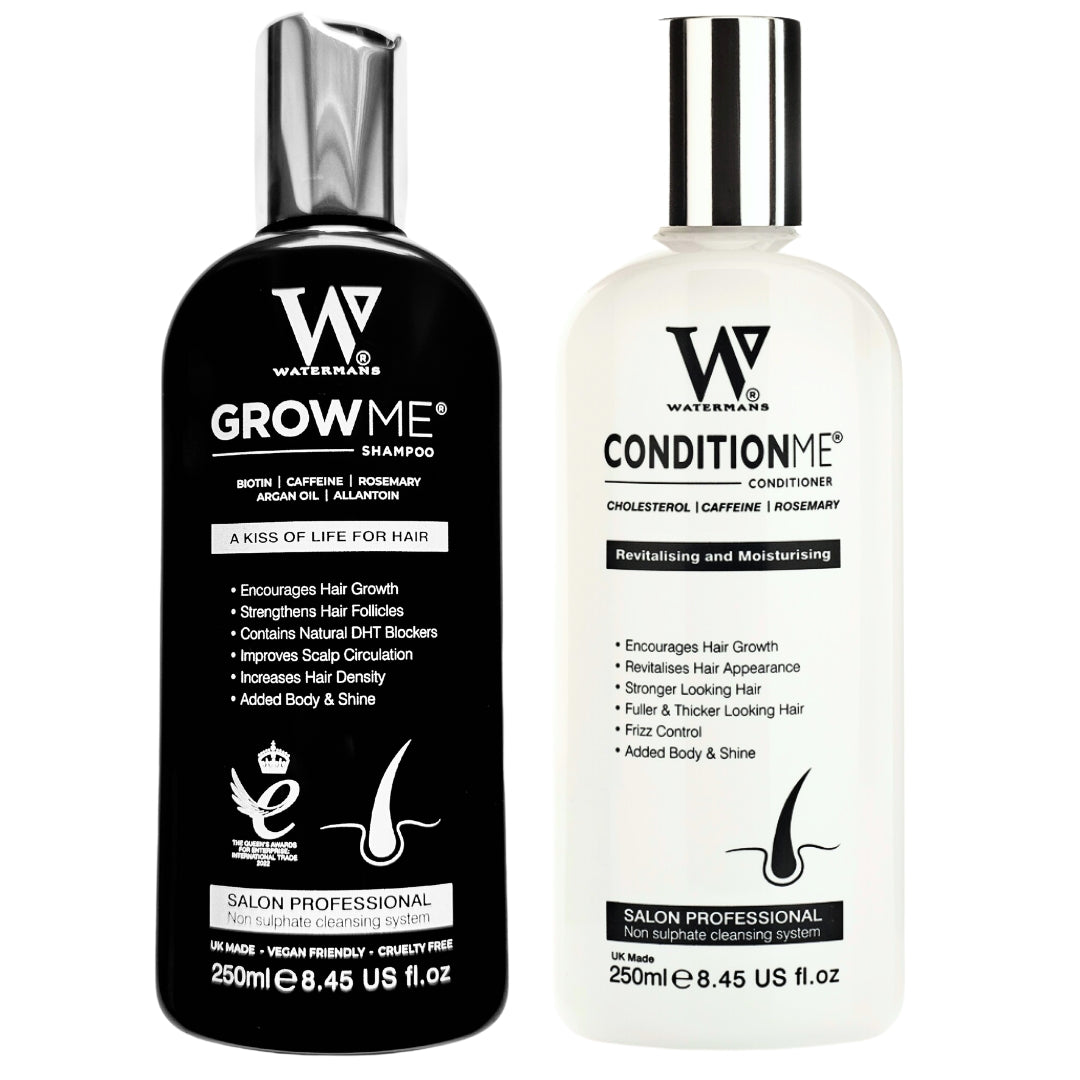
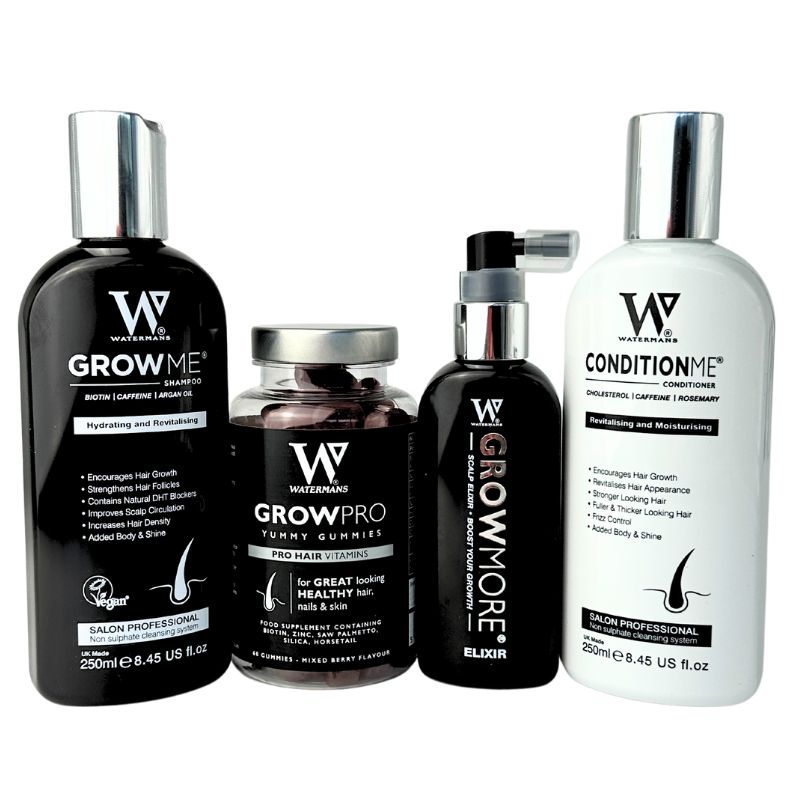
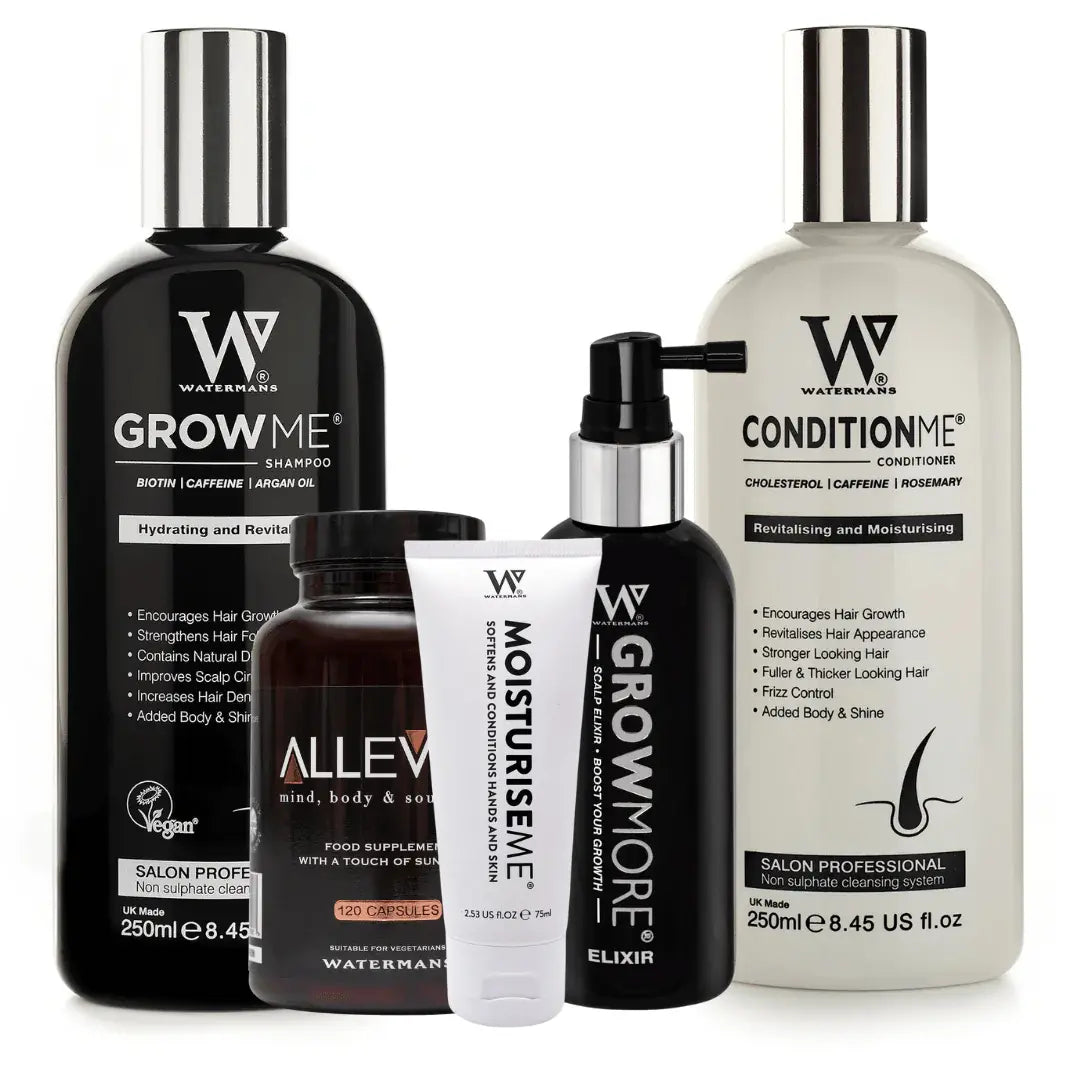
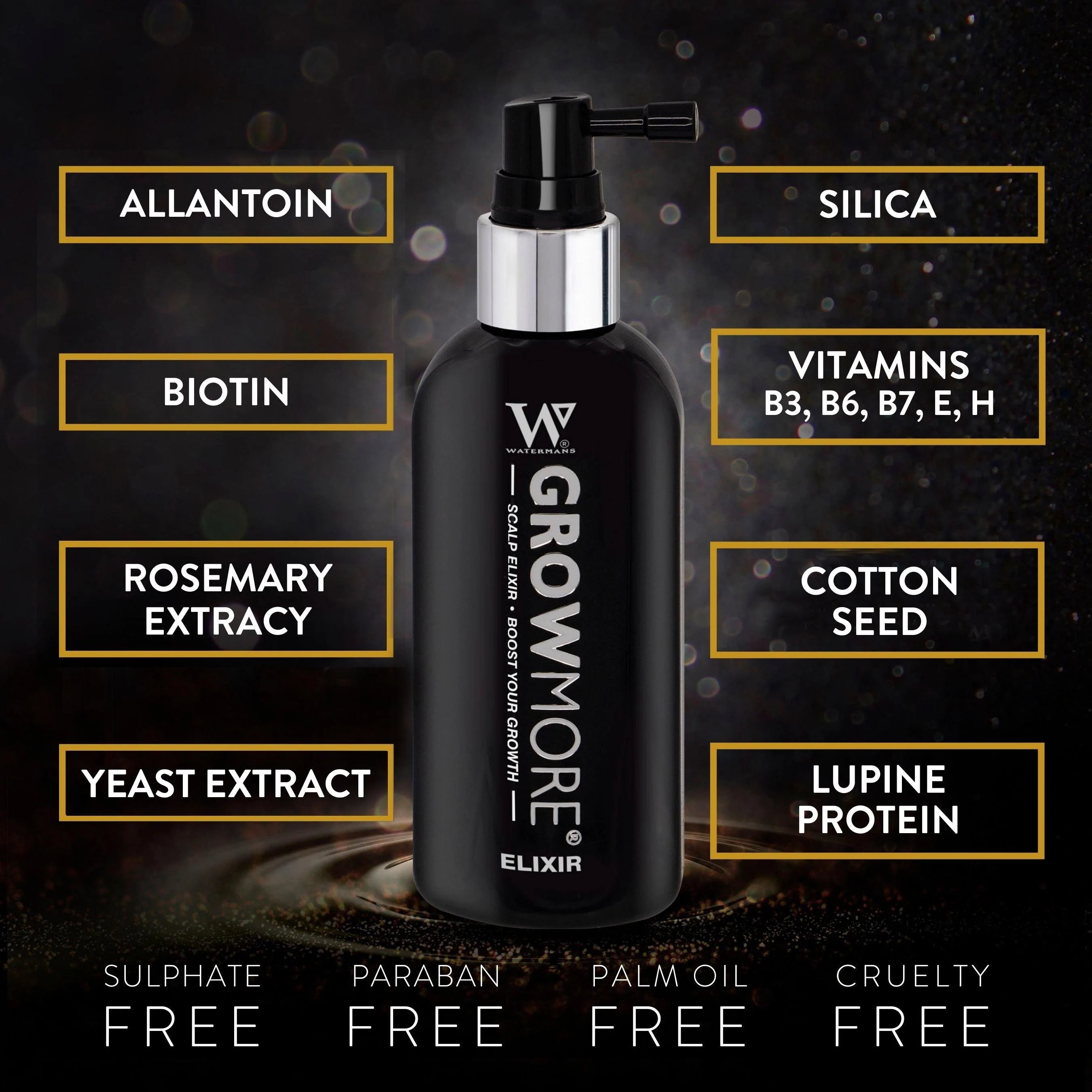
Many people choose items like Watermans Grow Me Shampoo to support hair and scalp health. Its mix of Biotin, Rosemary, Caffeine, Niacinamide, Argan Oil, Allantoin, and Lupin Protein works at the scalp. For a full hair-care plan, some add the Watermans Hair Survival Kit to their day-to-day routine.
Like choosing any pain treatment, check that any new product fits your values and plans.
Stem Cell Therapy vs Other Regenerative Options
Many treatments claim to restore health. Here are some differences.
Platelet-Rich Plasma (PRP)
• PRP uses your blood, packed with platelets and growth cues.
• Studies back PRP for tendon issues and early joint pain.
• It is less costly and often easier to get.
• It does not add new cells, but helps local repair.
Prolotherapy
• Prolotherapy injects small amounts of irritant liquid into joints or ligaments.
• This mild irritation is thought to start a repair process.
• Some patients note relief; others do not see a change.
• It is less costly but not always recommended by guides.
Bone Marrow vs Adipose-Derived Stem Cells
• Bone marrow-derived: Used for joint care with cells and progenitor types.
• Adipose-derived: Sourced from fat, these cells come in larger numbers and include many cell types and growth factors.
• Local rules may check processed fat more strictly.
Your choice depends on local rules, clinic skill, and your health needs.
Who Should Avoid Stem Cell Therapy Right Now?
Stem cell therapy is not for everyone. You may need to wait if you have:
-
An active infection.
The risk of spreading infection is high. -
Cancer or a recent history of cancer.
This is especially true for blood cancers. -
Unstable body disease.
In cases such as poorly controlled diabetes or serious heart, kidney, or liver issues. -
Bleeding problems or use of blood thinners.
This raises the chance of bleeding during the harvest or injection. -
Unrealistic hopes.
Believing it will be a magic cure can set you up for loss.
Good providers will check your overall health before offering treatment.
How to Integrate Stem Cell Therapy Into Your Life If You Proceed
If you choose stem cell treatment, how you prepare and follow up matters.
Before the Procedure
• Work on your health. Keep food, sleep, and hydration in check.
• Cut down on smoking and too much alcohol.
• Follow any warm-up or exercise routine the clinic suggests.
Immediately After the Procedure
• Follow your provider’s rules about rest and gentle movement.
• Avoid forceful activities and follow advice on pain relief.
• Watch for signs like fever, extreme pain, or redness at the injection site.
Weeks to Months After
• Stick with the recommended recovery exercises.
• Adjust your hopes, as changes come slowly.
• Use simple tests such as pain scores or short walks to track your progress.
Working on your recovery as part of a daily care plan will help overall results.
Frequently Asked Questions About Stem Cell Therapy and Chronic Pain
1. Is stem cell therapy effective for chronic joint pain?
Some patients with mild or moderate osteoarthritis see less pain after treatment. Studies show that certain methods can help with pain and joint use. However, results differ, and stem cell therapy is not a sure cure for advanced arthritis. It works best alongside physical therapy, lifestyle changes, and proven treatments.
2. How long do stem cell therapy results last for chronic pain?
Duration varies. Some feel relief for a year or more while others see only short-term gains. The outcome depends on how serious your condition is, which joint is treated, the cell type used, your weight, and your activity. Since long-term studies are few, no one can promise exact lasting results.
3. Is stem cell therapy for chronic pain safe?
When done by trained experts and under strict rules, the treatment stays safe for many patients. Yet, risks remain. These can include pain and swelling at the injection site, bruising, infection, or rare complications. Using well-tested methods and checking cell quality can lower risks.
Take Smart, Proactive Steps Toward Managing Chronic Pain
Living with chronic pain can be hard when claims of miracle cures fill your view. You deserve clear facts, options that fit your needs, and a plan that respects both science and your life.
Start with strong basics: • Follow a proper physical therapy plan. • Watch your diet, sleep, and stress to lower body-wide inflammation. • Rely on mind-body techniques to help your nerves stay calm. • Choose proven medicines or injections when needed.
If you are interested in stem cell treatment, see it as one tool among many. Talk with trusted specialists, ask clear questions, and check the studies. Then decide in a way that fits your health goals and budget.
At the same time, care for your body through everyday steps—like using a hair and scalp product that supports healthy circulation. Watermans Grow Me Shampoo works with simple ingredients such as Biotin, Rosemary, Caffeine, Niacinamide, Argan Oil, Allantoin, and Lupin Protein. Many add the Watermans Hair Survival Kit to build a own routine.
You have choices. With clear facts, careful steps, and everyday care, you can make a plan that eases pain and supports a more active life.