Scalp sebum: Expert Tips to Control Oil and Boost Growth
Scalp Sebum: Expert Tips to Control Oil and Boost Hair Growth
If your roots feel greasy, your lengths lie flat, or your scalp breaks out, the sebum is at the core. Your scalp needs sebum, but the balance must be right. Too much oil makes hair limp and causes breakouts. Too little leaves hair dry and weak. With a simple routine, you can help your scalp keep the right oil level and allow hair to grow strong and full.
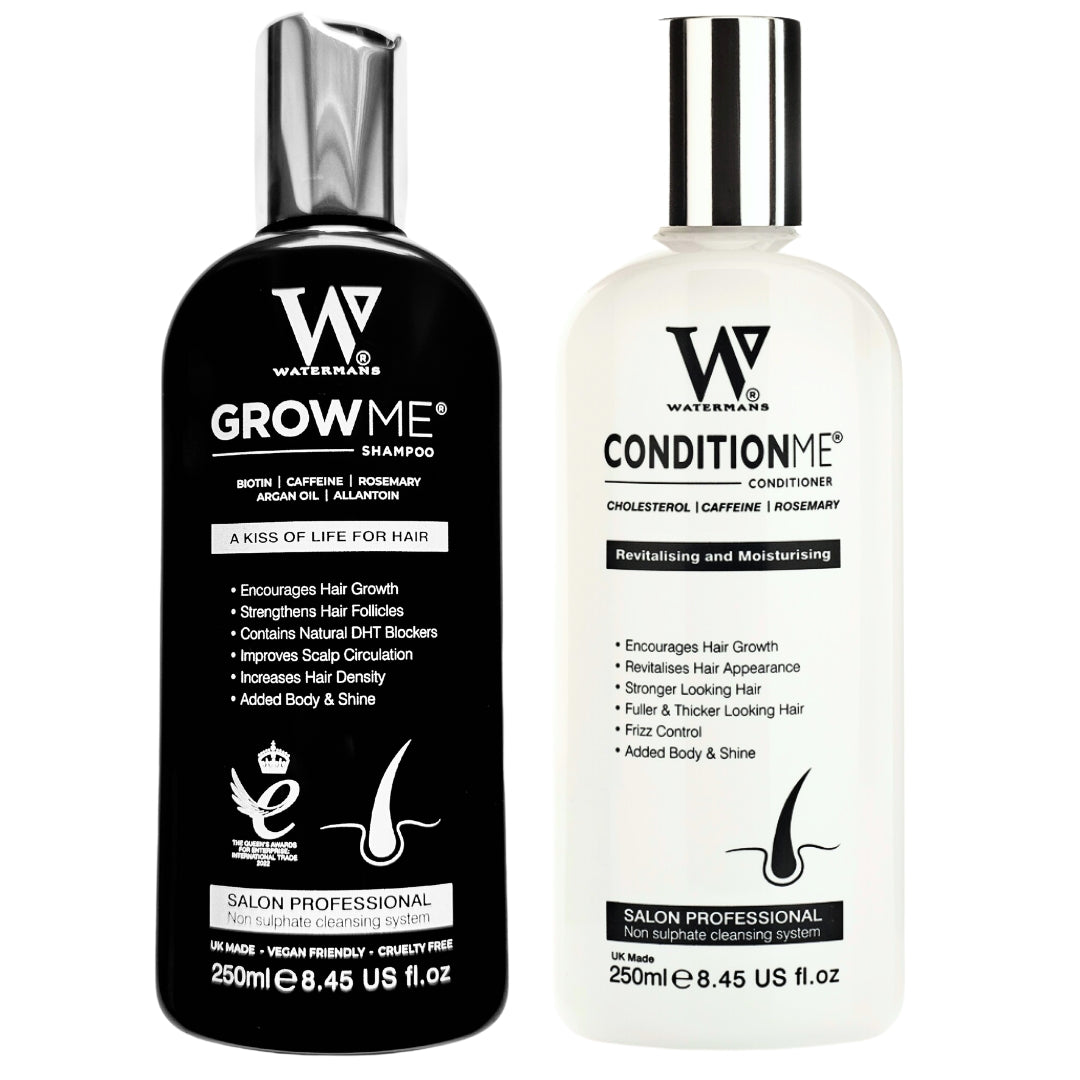
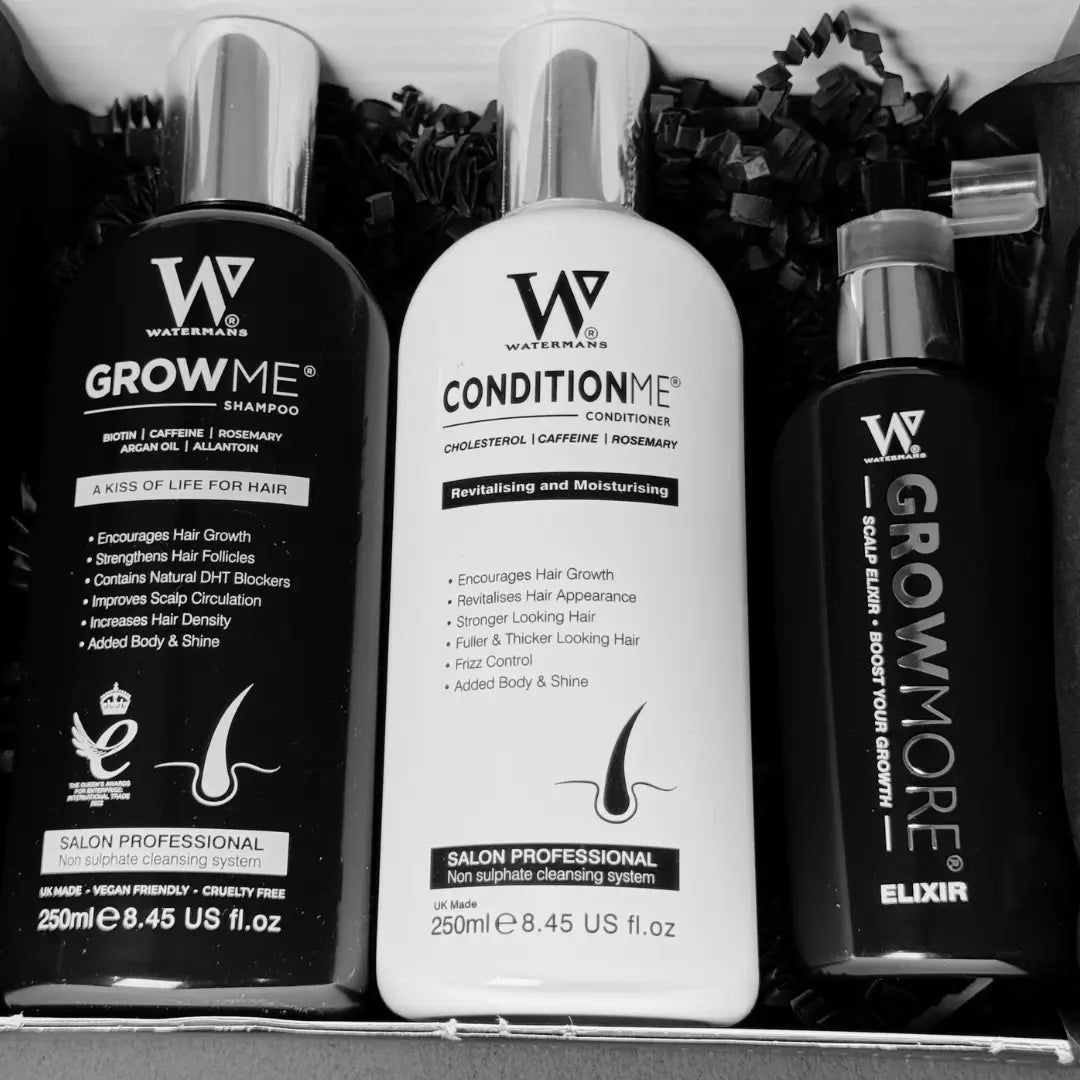
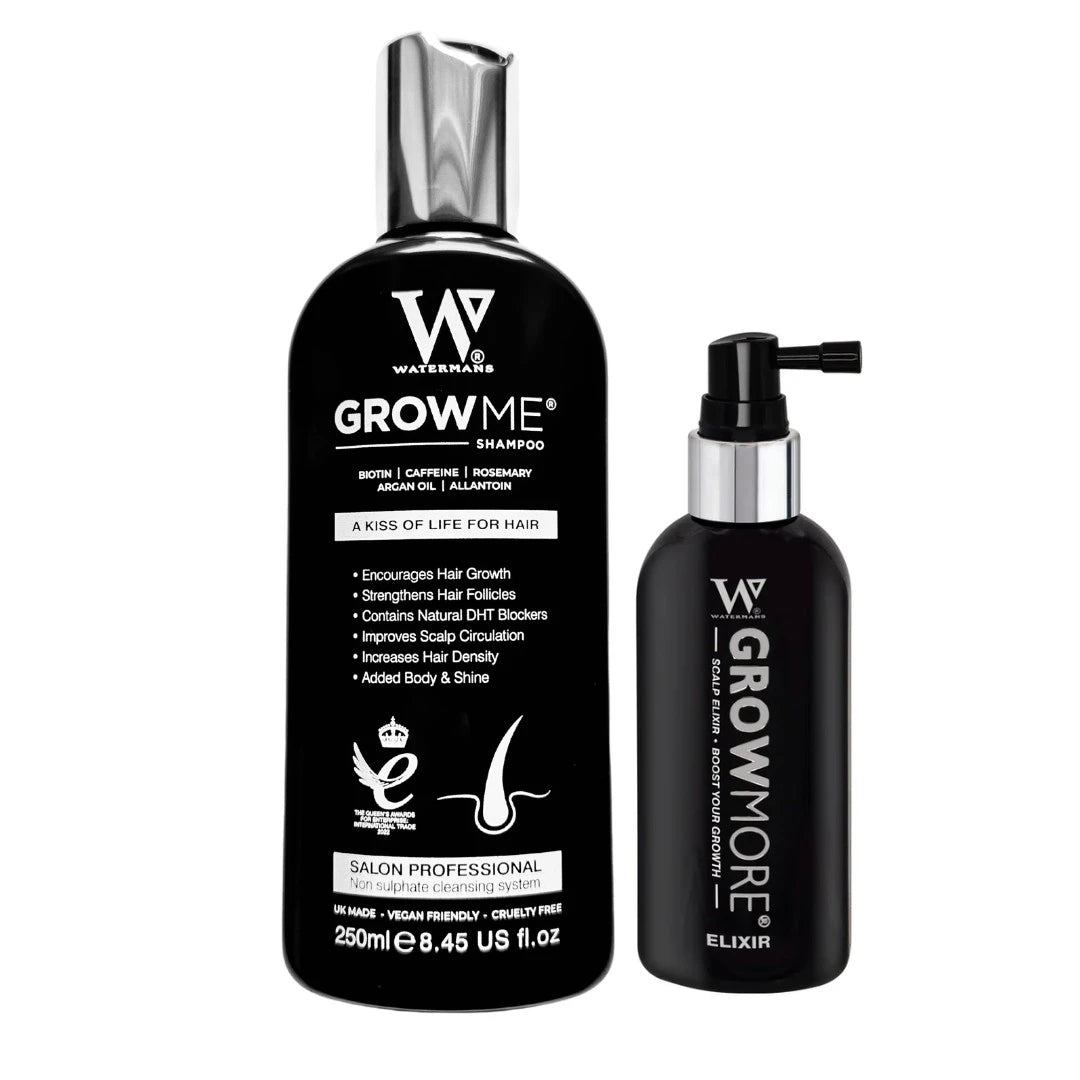
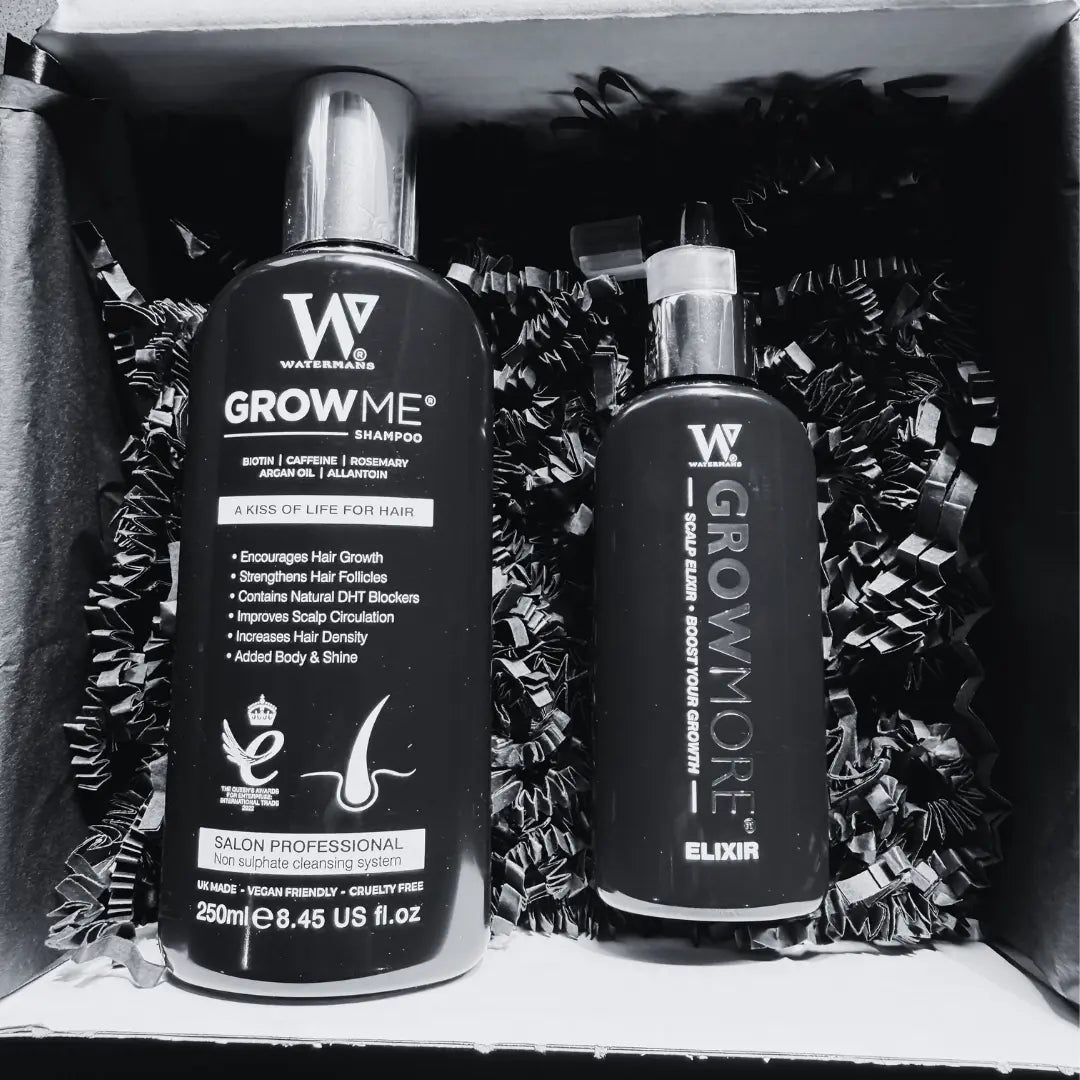
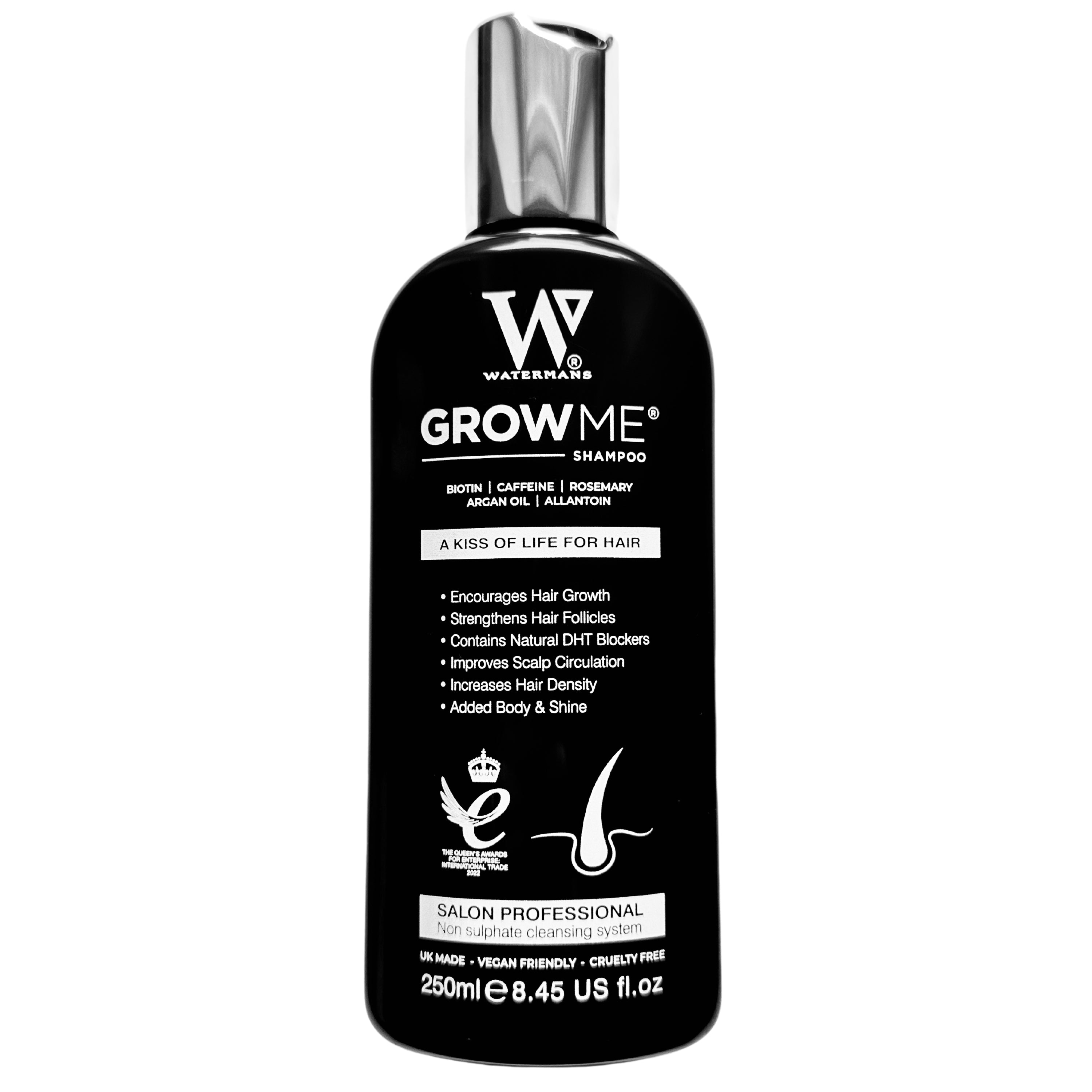
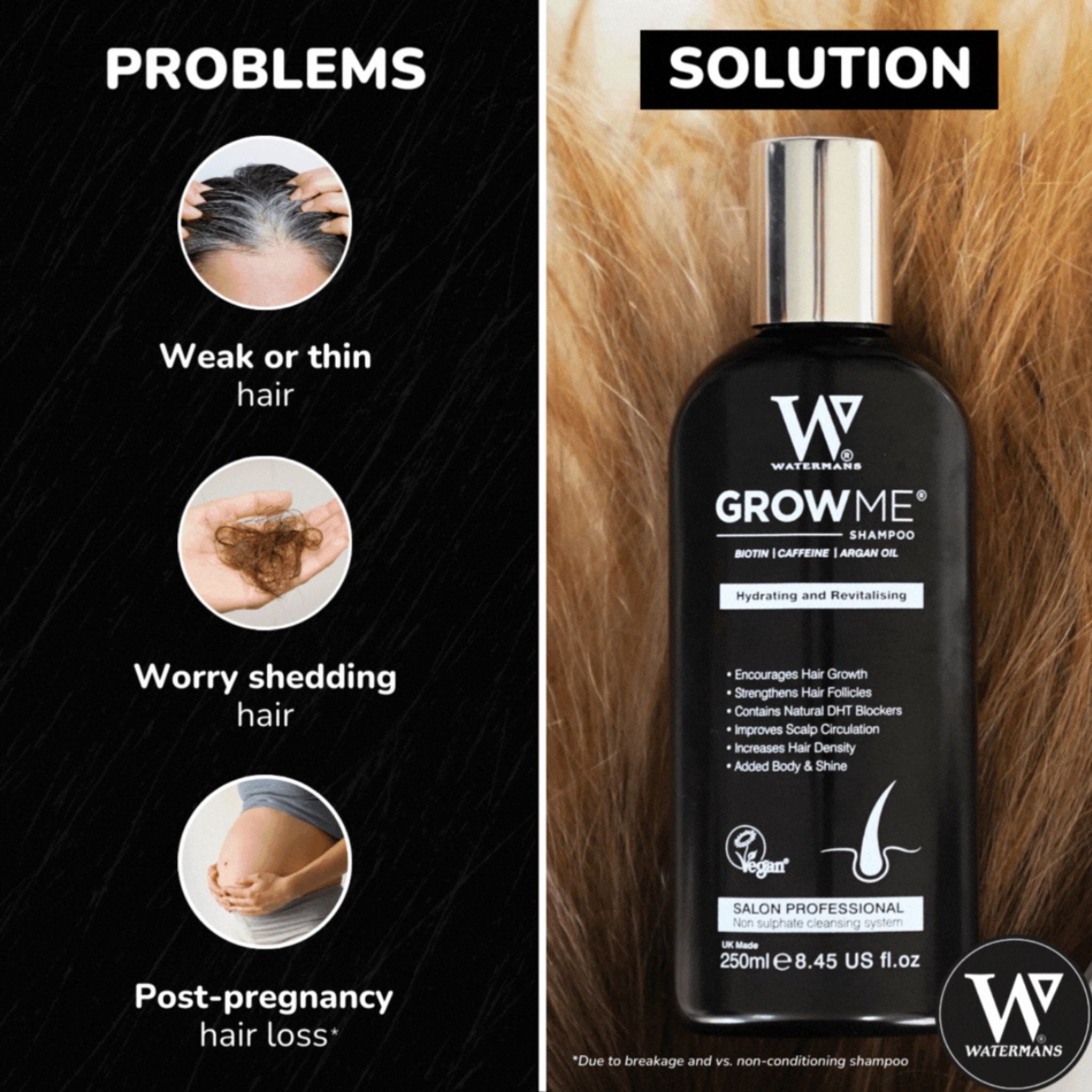
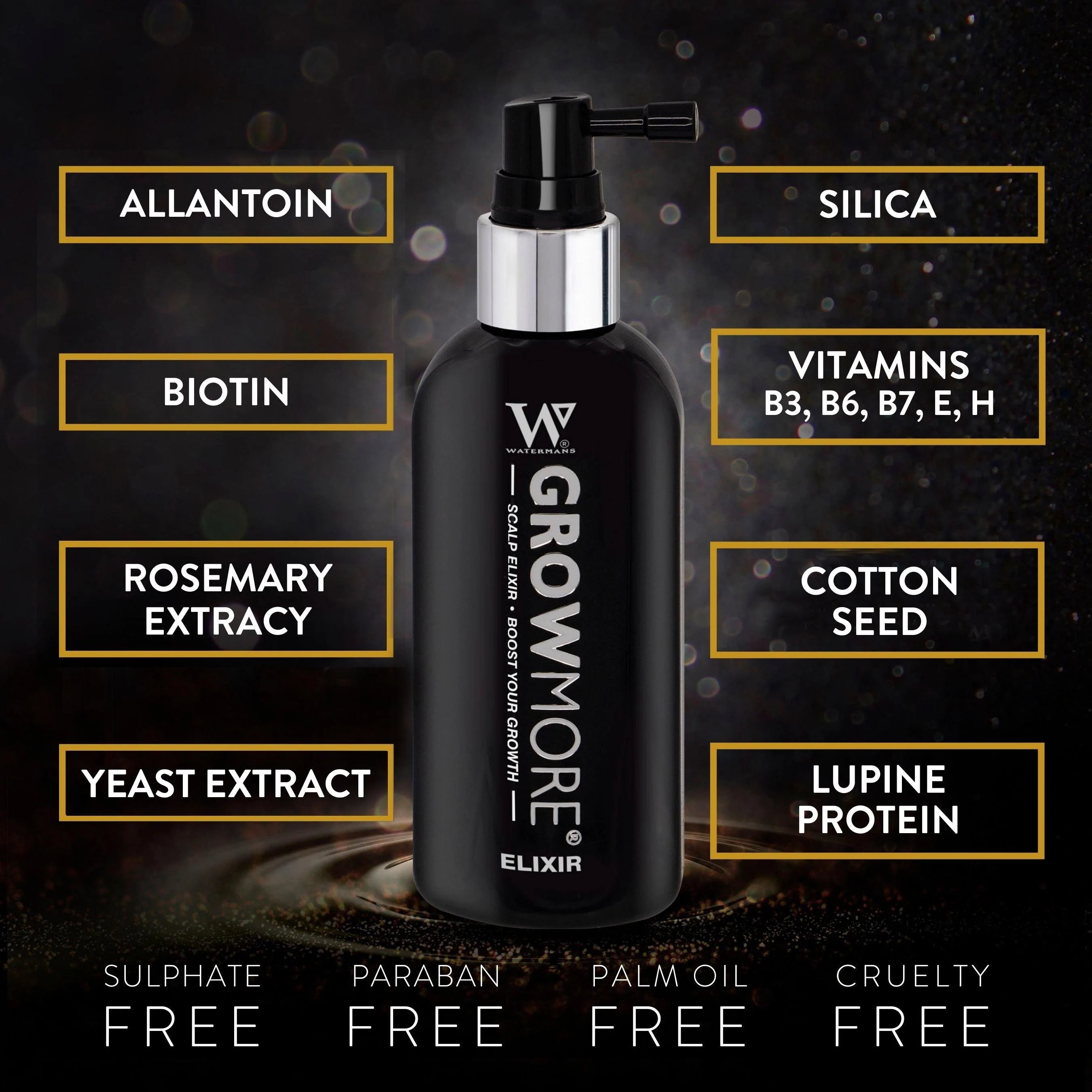
A good start is to change to a shampoo that works on hair growth and scalp balance. Watermans Grow Me Shampoo cleans the scalp gently and helps restore balance. It has Biotin, Rosemary, Caffeine, Niacinamide, Argan Oil, Allantoin, and Lupin Protein. This formula works at the roots without harsh treatments.
What Is Scalp Sebum and Why Does It Matter?
Sebum is a natural waxy oil made by glands near your hair. These glands sit at the root and spread out on your scalp and face.
The Role of Sebum on the Scalp
Sebum helps by:
- Lubricating the hair so it stays strong
- Protecting the scalp's surface
- Keeping microbes in check
- Halting moisture loss from the skin
When sebum is in balance, you notice little change. Your hair looks shiny but not too slick, the scalp feels calm, and your wash days are easy.
When Sebum Becomes a Problem
Problems occur when sebum is not in balance:
- Too much oil: greasy roots, limp hair, clogged follicles, scalp itch or flaking, and sometimes shedding
- Too little oil: tight, dry scalp, dull hair, and more breakage
Over time, this imbalance can change the environment that hair follicles need for healthy growth.
How Scalp Sebum Affects Hair Growth
Your scalp is living tissue. Hair grows from follicles deep in the scalp and gets help from blood flow. Sebum is part of this network.
Good Oil Levels = a Healthy Growth Space
When sebum is correct it:
- Spreads natural oil along the hair, which cuts down friction
- Keeps a balanced mix of microbes that control inflammation
- Shields the scalp from drying out and from the sun
When the scalp is calm and the follicle is clear, hair grows without many blocks.
Too Much Oil and Blocked Follicles
Excess sebum can mix with dead skin and sweat. Together they form plugs at the follicle openings. This outcome can:
- Increase irritation at the hair root
- Help Malassezia yeast grow (which links to dandruff)
- Cause hair to stick together and look flat
- Create a tougher space for hair to grow
A gentle wash with a product like Watermans Grow Me Shampoo helps lift away extra oil and buildup. It works with ingredients such as Biotin, Caffeine, and Lupin Protein to aid healthy growth.
Not Enough Oil and Weak Hair
When your scalp lacks oil or you use strong cleansers, hair may become:
- Rough and easy to tangle
- Prone to snapping
- Dull, with split ends that appear soon
Sebum does not grow hair, but its balance helps keep hair longer before it breaks.
What Causes Imbalanced Scalp Sebum?
Understanding why your scalp feels too oily or too dry is the first step to fixing it. Several factors can change how much sebum you have.
1. Genetics
Genes set the number and strength of the oil glands on your scalp. Some have naturally oilier hair while others tend to be dry. This is set at birth, but you can manage its effects with a good routine.
2. Hormones
Hormones like testosterone make the glands produce more oil. This change is seen:
- During puberty
- Around menstrual cycles
- While pregnant or after birth
- In the phase before or during menopause
- With conditions like PCOS
Hormone shifts need steady, longer routines rather than quick fixes.
3. Hair Care Routine
Routine habits can shift sebum balance:
- Washing too often with strong shampoos dries out the scalp and may cause more oil production
- Under-washing or using thick conditioners only allows buildup
- Heavy styling products on hair roots trap oil and block follicles
A balanced product like Watermans Grow Me Shampoo helps stop the harsh or greasy cycle. It cleans well while keeping the scalp barrier safe.
4. Diet and Lifestyle
Food on its own does not change scalp oil. However, high-sugar meals and certain fats may affect the oil. Other factors include:
- Ongoing stress that changes hormones
- Not drinking enough water, which may prompt extra oil
- Smoking, which hinders skin health and blood flow
5. Climate and Environment
Heat and humidity can make sweat and oil seem heavier. Cold and dry air can make the scalp feel tight even if it still makes oil.
6. Medications and Health Conditions
Some medicines and conditions such as seborrheic dermatitis, psoriasis, or eczema change how the scalp makes oil. In these cases, a mix of medical advice and care products may be needed.
Signs Your Scalp Sebum Is Out of Balance
You do not need a microscope to see if your sebum is off. Your hair, scalp, and feel will tell you.
Signs of Too Much Oil
- Hair looks greasy at the roots within a day after washing
- Strands stick together and lose lift fast
- Scalp feels dirty soon after washing
- Patches of itch or flaking on the scalp
- Small bumps around the scalp
- A noticeable odor after a couple of days
Signs of Too Little Oil
- Scalp feels tight or sore
- Redness or irritation appears after washing
- Dry, powdery flakes form
- Hair tangles and breaks easily
- Hair looks dull even with products on
Sometimes you can have both: oily at the roots and dry at the ends. The goal is to bring balance, not to remove oil completely.
How to Control Scalp Sebum Without Damaging Your Hair
It is best to manage sebum than to remove it. These tips can help keep oil in check while protecting growth.
Choose a Growth-Focused, Balancing Shampoo
A well-made shampoo can change the state of your sebum. Look for these traits:
- Gentle, non-sulfate cleaners
- Ingredients that help the follicles
- Light, nourishing oils that do not weigh hair down
Watermans Grow Me Shampoo fits this need for both oil control and growth. It brings:
- Biotin that helps make keratin for stronger strands
- Rosemary that may help boost circulation in the scalp
- Caffeine that wakes up the scalp
- Niacinamide to support the scalp’s skin layer
- Argan Oil that softens without leaving heaviness
- Allantoin that calms irritation
- Lupin Protein that supports the hair shaft and adds volume
Used each wash, this shampoo cleans away extra oil and helps the scalp work best.
Find Your Ideal Wash Frequency
There is no rule for everyone. Try this guide:
- For very oily hair: wash every 1–2 days with a gentle shampoo
- For moderate oil: wash every 2–3 days
- For dry or curly hair: wash every 3–7 days with care for the scalp
If your hair feels slick and flat, you may need more washes. If it feels tight and frizzy, you may wash too often.
A good test is when your scalp feels clean after washing yet not tight or squeaky.
Technique: How You Wash Matters
- Apply shampoo mainly to the scalp; let the soapy water flow to the ends.
- Use your finger pads (not your nails) and massage in small circles.
- Rinse all the shampoo out so no residue stays.
- Apply conditioner only from mid-lengths to ends unless you have very dry or curly hair.
This method removes extra oil at the source while keeping the rest of your hair safe.

Daily Habits That Influence Scalp Sebum
Each day, simple actions affect your scalp’s oil.
Avoid Constantly Touching Your Hair
Your hands carry oil and sweat. Touching or running fingers through your hair spreads the oil quickly.
Rethink Your Styling Products
- Skip heavy balms and waxes near the scalp.
- Pick light sprays or foams instead of thick creams.
- When you use dry shampoo, see it as a backup for in-between washes, not a full substitute, as it can mix with sebum.
Brush with Care
Brushing can help spread a little oil down the hair. This can keep dry ends soft, but too much brushing may push oil into the roots and flatten the style.
Try:
- Using a soft brush on the mid-lengths and ends
- Reducing rough brushing when the roots feel oily
- Detangling gently to avoid breakage
Manage Stress and Sleep
Long-term stress may change hormone levels and affect oil. Good sleep, proper food, and some movement keep the body and scalp in a safer state.
Best Ingredients for Balancing Scalp Sebum and Supporting Growth
Some ingredients work well to manage oil and care for your follicles.
Niacinamide
Niacinamide (a form of Vitamin B3) helps by:
- Supporting the skin’s outer layer
- Calming redness and irritation
- Keeping oil output in check for many people
Its use in Watermans Grow Me Shampoo helps the scalp stay less reactive and stronger.
Caffeine
Caffeine wakes up the scalp and may help counter the effects of DHT. It does not stop oil directly, but it aids in keeping follicles healthy.
Rosemary
Rosemary extract and oil have long been used on the scalp. Today, they:
- Improve blood flow at the scalp
- Provide antioxidants to protect the skin
When added to a good shampoo, rosemary helps both hair and oil balance.
Biotin and Proteins
Biotin helps form keratin. Proteins such as Lupin Protein strengthen the hair shaft. Stronger hair looks fuller even if the scalp makes more oil naturally.
Soothing Agents like Allantoin and Gentle Conditioners
Washing too hard may lead to a sensitive scalp that over-produces oil. Allantoin soothes and keeps the skin calm for a steady routine.
Targeted Routines for Different Scalp Sebum Types
Every scalp is different. Adjust your routine based on what your hair needs.
Routine for Very Oily Scalps
- Wash every 1–2 days with Watermans Grow Me Shampoo.
- Use warm, not hot, water—hot water can boost oil.
- Focus shampoo on the scalp and massage the oiliest parts.
- Leave conditioner off the roots; apply it from the ears downward.
- Keep heavy styling products off the scalp.
- Use dry shampoo only when necessary between washes.
Routine for Combination Scalp (Oily Roots, Dry Ends)
- Wash every 2–3 days with a balancing shampoo like Grow Me.
- For extra oil, lather on just the roots once more.
- Condition carefully on the mid-lengths and ends; add a light leave-in to soften ends.
- Brush gently to help move some oil from the roots to the dry ends.
Routine for Dry or Flaky Scalps with Low Oil
- Wash every 3–5 days with a gentle scalp massage.
- Avoid very hot water and strong shampoos.
- Condition well from mid-lengths to ends. If your hair is coarse or curly, you may tap a little conditioner on your scalp if it feels right.
- You can pair your wash with a nourishing routine such as the Watermans Hair Survival Kit to keep both scalp and hair strong.
Exfoliation and Clarifying: When Your Scalp Needs a Reset
The scalp, like your face, can benefit from a reset with gentle scrubbing.
Physical vs. Chemical Exfoliation
- Physical scrub: uses small particles to lift dead cells.
- Chemical exfoliation: uses acids like salicylic or lactic to loosen dead cells.
For most, gentle chemical exfoliation every 1–2 weeks is enough. Too much exfoliation may harm the scalp and boost oil production.
Clarifying Shampoos
Clarifying shampoos remove buildup of styling products and sebum. Tips include:
- Use them only every 2–4 weeks if you use many styling products or have hard water.
- Follow with your regular shampoo routine to restore comfort.
- Avoid constant use, as this can make the scalp produce more oil.
If you already have a balanced cleaner like Watermans Grow Me Shampoo, you will need a deep clarifying wash much less often.
Scalp Sebum, Dandruff, and Itch: Understanding the Link
Many with oilier scalps also face flakes and itching. The connection between oil and dandruff is close though not simple.
How Oil and Dandruff Interact
Dandruff happens when:
- A yeast called Malassezia uses sebum as food
- The scalp’s skin layer reacts too much
- Skin cells turn over faster than normal
Extra sebum can feed this yeast and cause more flaking and itch. Yet washing too harshly can bring irritation. The goal is to keep control over the oil, not to remove it completely.
Managing Oily, Flaky Scalps
- Wash often with a gentle, growth-focused shampoo to manage oil.
- Stay away from heavy products on the scalp.
- If flaking is strong or lasts long, talk to a health expert about medicated shampoos.
- In between medicated washes, a balanced shampoo like Watermans Grow Me Shampoo can help keep the scalp calm.
Scalp Massage and Sebum: Help or Hindrance?
Scalp massage is common for relaxation. It also affects the sebum.
Benefits of Scalp Massage
- Increases blood flow to the follicles.
- Helps lift away buildup when used with shampoo.
- Aids in spreading natural oil evenly over the scalp.
How to Massage Without Adding Oil
- Massage while shampooing, not on dry hair.
- Use your finger pads and make small circular motions.
- Avoid heavy oil massages on very oily scalps. If you do use oil, wash it out completely.
Pairing a massage with a shampoo like Grow Me that has Caffeine, Rosemary, and Lupin Protein can help both cleansing and support for growth.
Myths and Facts About Scalp Sebum
Many ideas about scalp oil can lead to poor choices. Clearing them up helps you pick the right routine.
"Oily scalp means you should wash very rarely to 'train' it."
This is not true. Washing too little lets oil, sweat, and skin cells build up. This buildup may cause inflammation and more oil over time. A gentle routine that keeps your scalp clean works better.
"Scrubbing until your scalp squeaks is best for oil control."
This is false. A squeaky scalp means you have removed too much oil and the skin’s barrier. This may hurt the scalp and cause more oil production. Keeping a balanced clean, as with Watermans Grow Me Shampoo, is best.
"If my hair is oily, I should avoid any products with oil."
This is not always true. The problem is heavy, thick oils at the scalp. Light oils, such as Argan Oil in Grow Me, can help your hair stay soft without making the scalp feel heavy after rinsing.
"Dry scalp and dandruff are the same thing."
They are not the same. You can have an oily scalp with dandruff or a dry scalp that hardly makes oil. Knowing the difference lets you pick the right products and washing steps.
Simple Routine Blueprint to Balance Scalp Sebum
Here is an easy guide that you can adjust for your hair and oil needs.
Core Routine (Every Wash)
-
Before Washing:
- Gently brush out tangles.
- If your scalp is very oily, wet your hair lightly and apply a bit of shampoo to the oily spots first.
-
Cleanse with a Balanced Shampoo:
- Use Watermans Grow Me Shampoo.
- Massage into the scalp for 1–2 minutes, focusing on problem areas.
- Rinse well.
-
Condition Carefully:
- Apply conditioner only from the mid-lengths to the ends.
- Rinse well to avoid buildup at the roots.
-
Dry with Care:
- Squeeze out water gently without rubbing roughly.
- Let hair air-dry or use a low heat setting.
Enhancements (Once or Twice Weekly)
- Light scalp exfoliation if you have a lot of buildup.
- A deeper condition on the ends if they feel dry.
Monthly or as Needed
- Use a clarifying wash if you use many styling products or have hard water. Follow with your usual routine to bring back comfort.
When to Seek Professional Help for Scalp Sebum Issues
Most oil imbalances can improve with the right routine. Still, you should see a professional if you experience:
- Severe scalp itching, burning, or pain
- Large, thick scales or yellow crusts
- Rapid hair shedding in a short span
- Frequent pimples, cysts, or infections on the scalp
- No improvement after many weeks despite changes
You may keep using a gentle shampoo like Watermans Grow Me Shampoo with professional advice. Often, non-medical products help once the acute problem is under control.
Watermans: A People-First Solution for Oily Scalps and Growth
If you want to work on your scalp oil and hair growth without strong medicated products, Watermans provides a simple, effective choice.
Why Start with Watermans Grow Me Shampoo?
- Balanced Cleaning: Cleans well without stripping the scalp.
- Growth Support: Blends Biotin, Caffeine, Lupin Protein, and Rosemary to help the follicles.
- Skin-Friendly: Niacinamide and Allantoin calm the skin and support balance.
- Light Nourishment: Argan Oil leaves hair with shine and softness without weighing roots down.
For many, making Grow Me the basis of their routine helps control oil, improve volume, and reduce shedding—all while keeping care simple.
Boost Results with the Watermans Hair Survival Kit
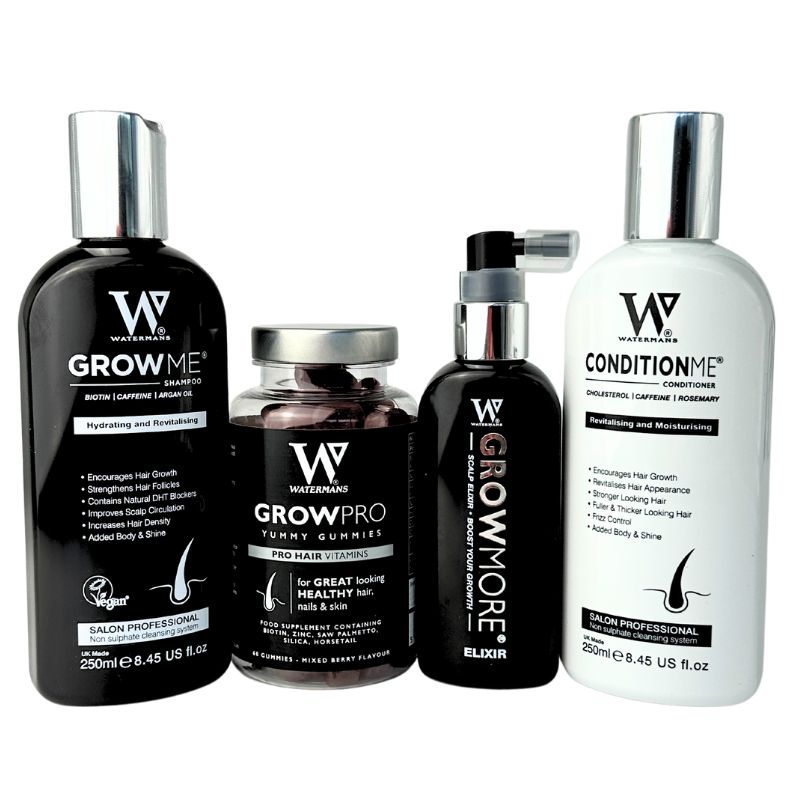
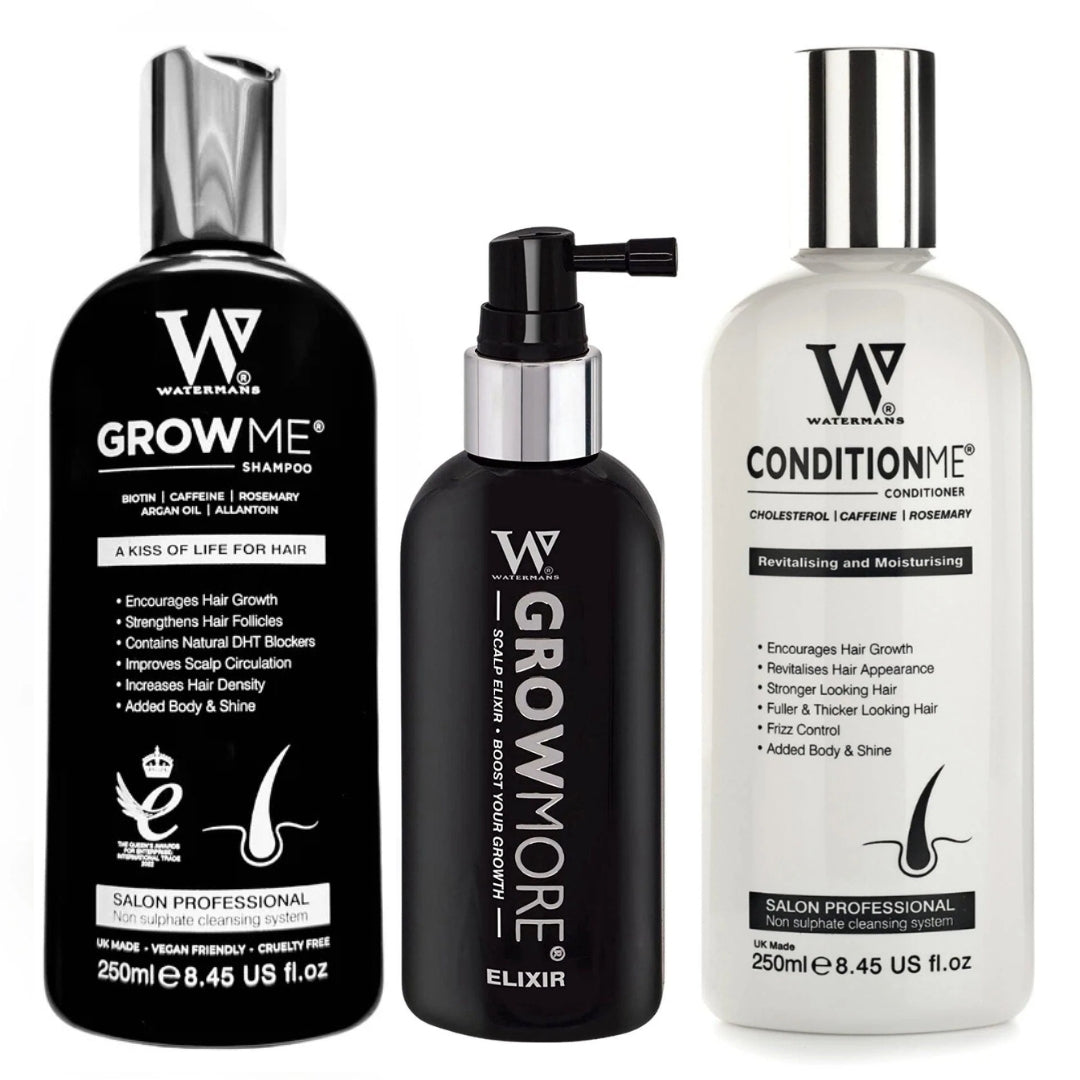
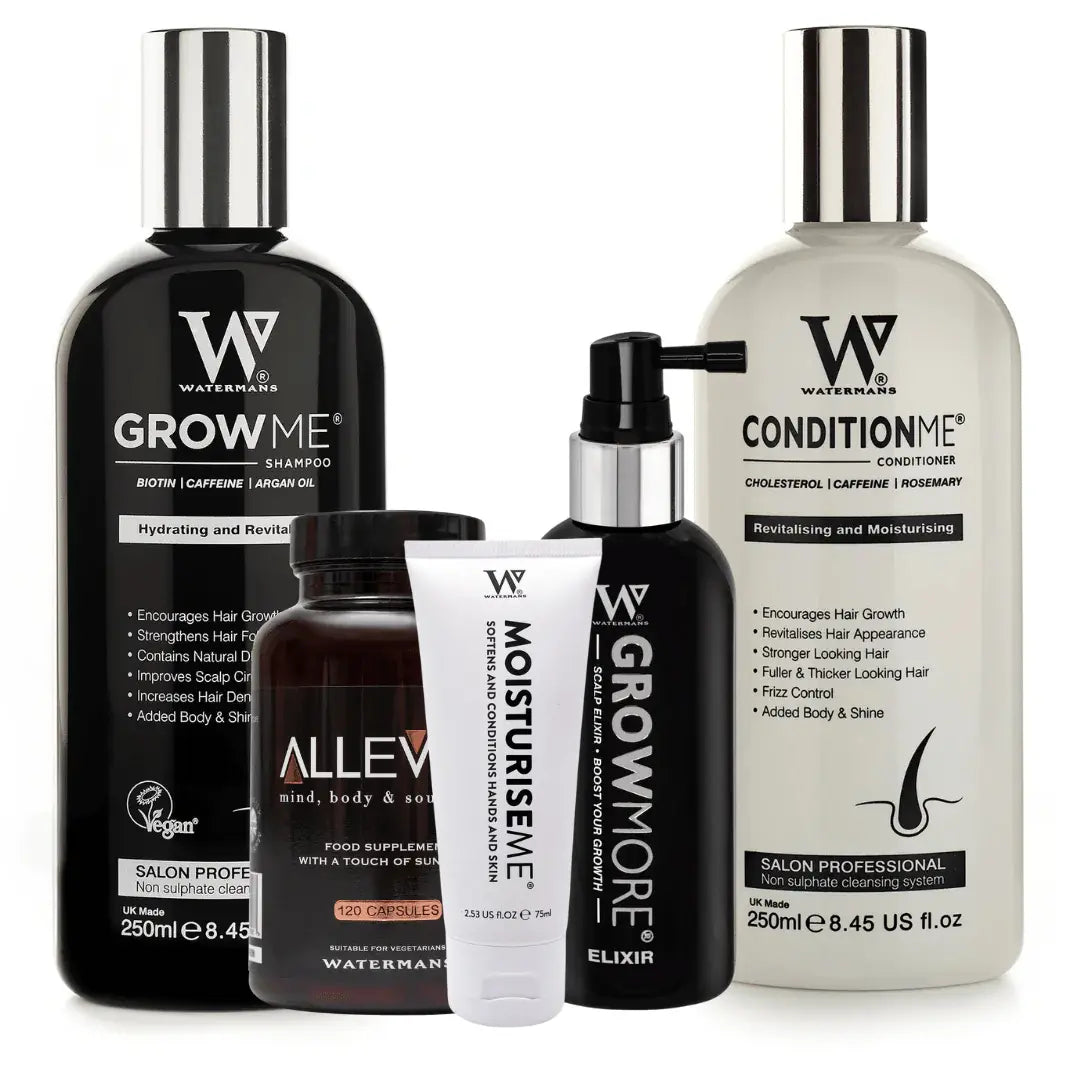
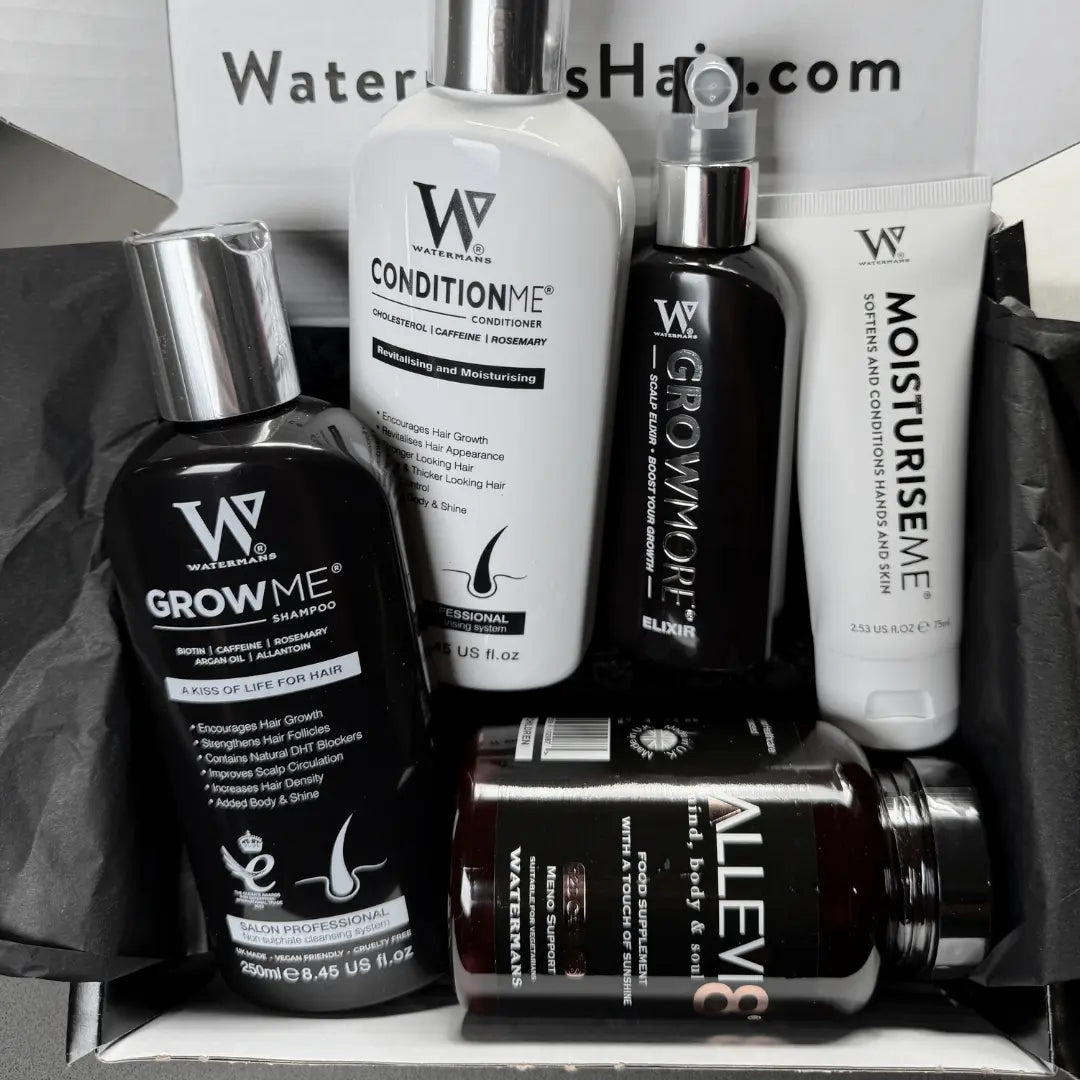
For a fuller routine, the Watermans Hair Survival Kit can be a strong match. This kit:
- Supports daily cleansing and conditioning
- Provides a routine that works for both oil control and hair strength
- Helps manage oil, thinning hair, and breakage in a united way
A system that works together means your products help your hair rather than work against each other.
FAQ: Scalp Sebum and Hair Health
1. How Do I Reduce Scalp Oil Without Drying My Hair?
Stick to a gentle shampoo that takes care of the scalp, like Watermans Grow Me Shampoo. Find a wash frequency that keeps your scalp comfortable (often every 1–3 days for oily hair). Condition only from the mid-lengths to the ends, use warm water, and keep heavy styling products off the roots.
2. Can Too Much Scalp Oil Cause Hair Loss?
Extra sebum does not directly cause hair loss. It can block follicles and lead to inflammation, dandruff, and an unbalanced scalp. Over time, this may worsen shedding or show thinning. Keeping oil balanced helps the hair to hold on longer.
3. What Is the Best Shampoo Routine for an Oily Scalp and Hair Growth?
For oily scalps that need more growth, wash every 1–2 days with Watermans Grow Me Shampoo. Massage the scalp for at least one minute to lift oil and boost the follicles. Rinse completely, condition only the lengths, and avoid heavy products on the roots. For extra care, a kit like the Watermans Hair Survival Kit can keep your routine focused on both oil control and hair strength.
Take Control of Your Scalp Oil and Support Stronger Growth
You do not have to face greasy roots or a sore scalp. With a clear idea of how sebum works, you can set up a routine that eases excess oil and protects your scalp's skin while letting your follicles do their work: growing healthy, strong hair.
Start with a simple switch. Make Watermans Grow Me Shampoo the base of your wash days. If you need a complete system, try the Watermans Hair Survival Kit. With a people-first and non-medical approach that respects your scalp’s natural oil, you can help your hair look and feel fuller and more fresh every day.