Oral minoxidil: Real Results, Hidden Risks, and How It Works
Oral Minoxidil: Real Results, Hidden Risks, and How It Works
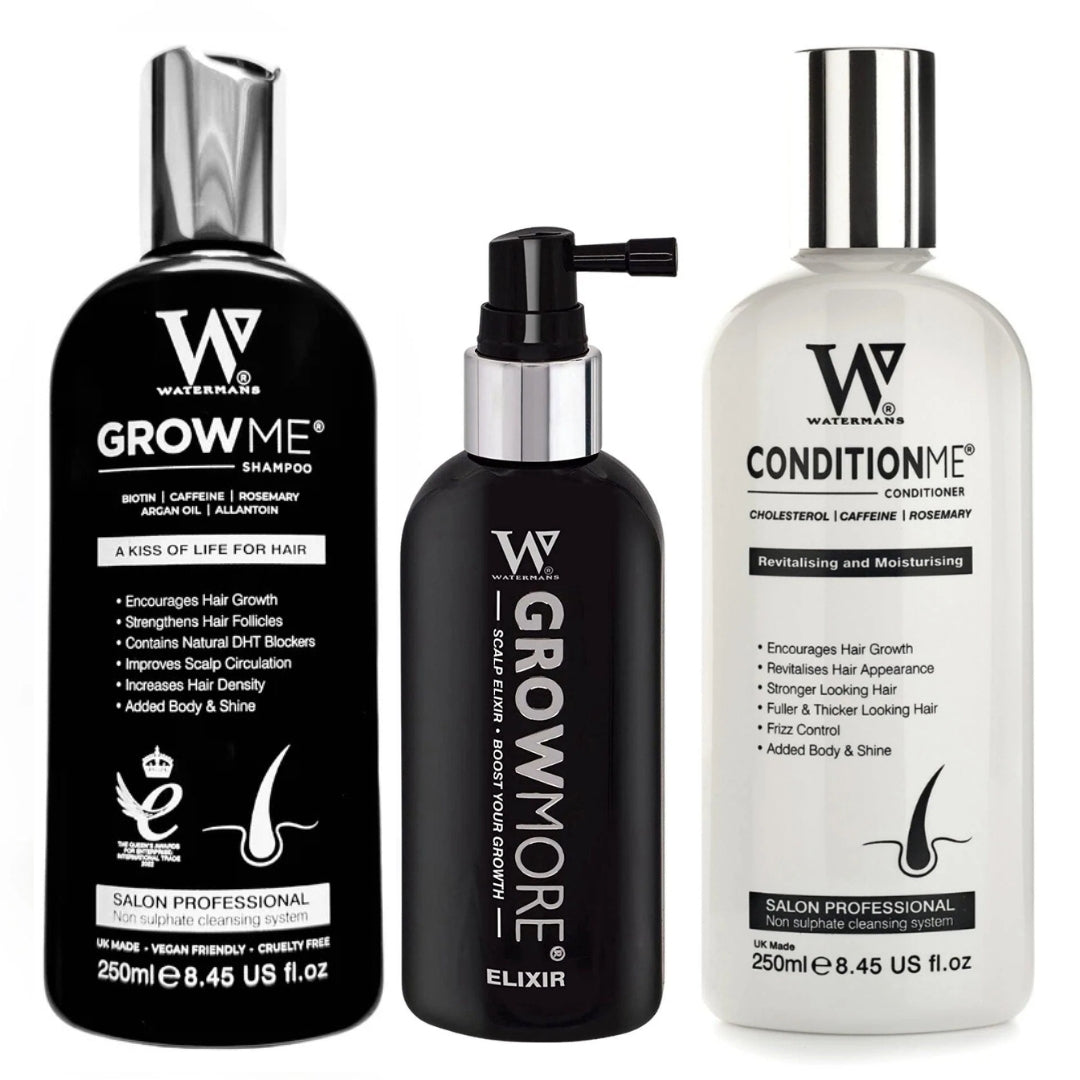
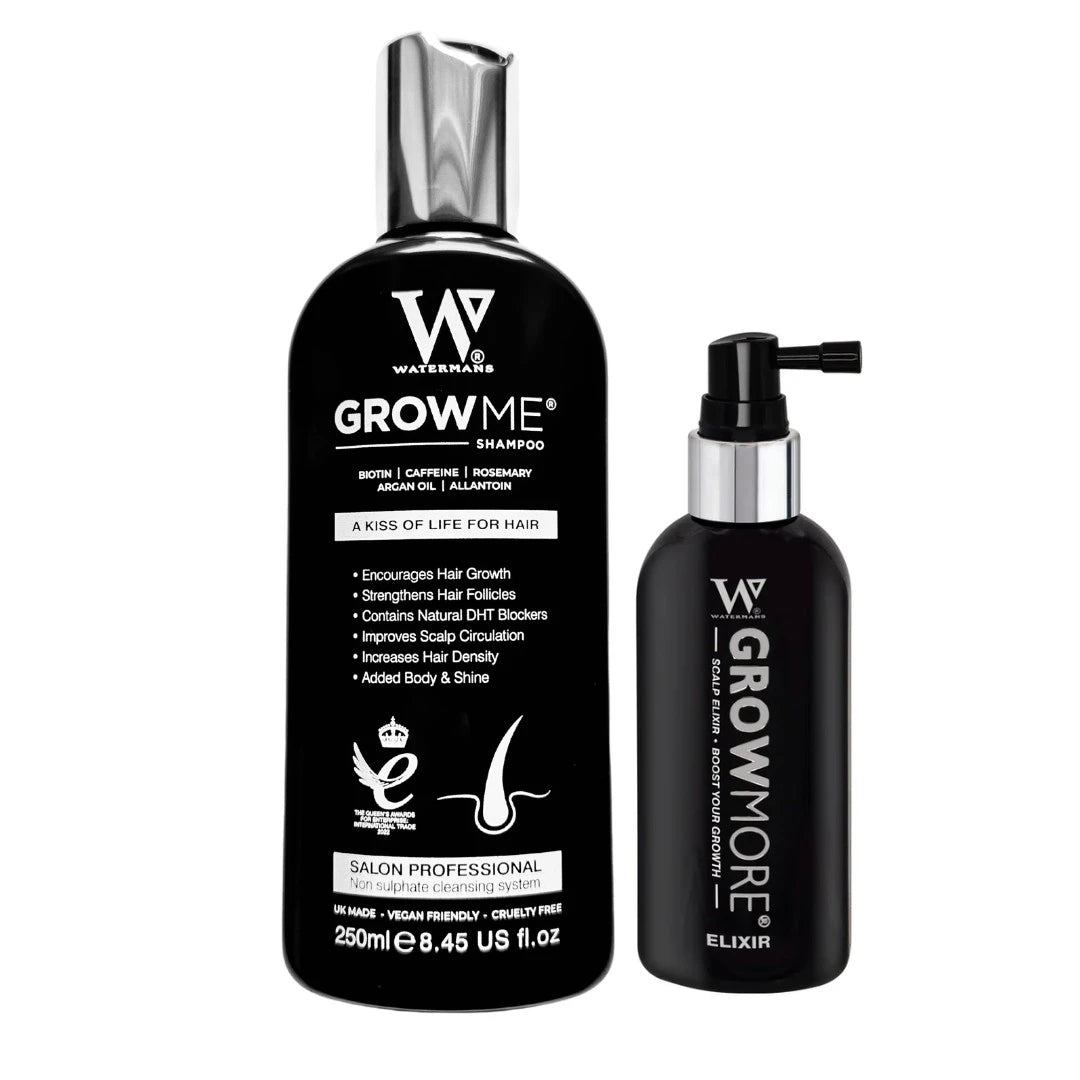
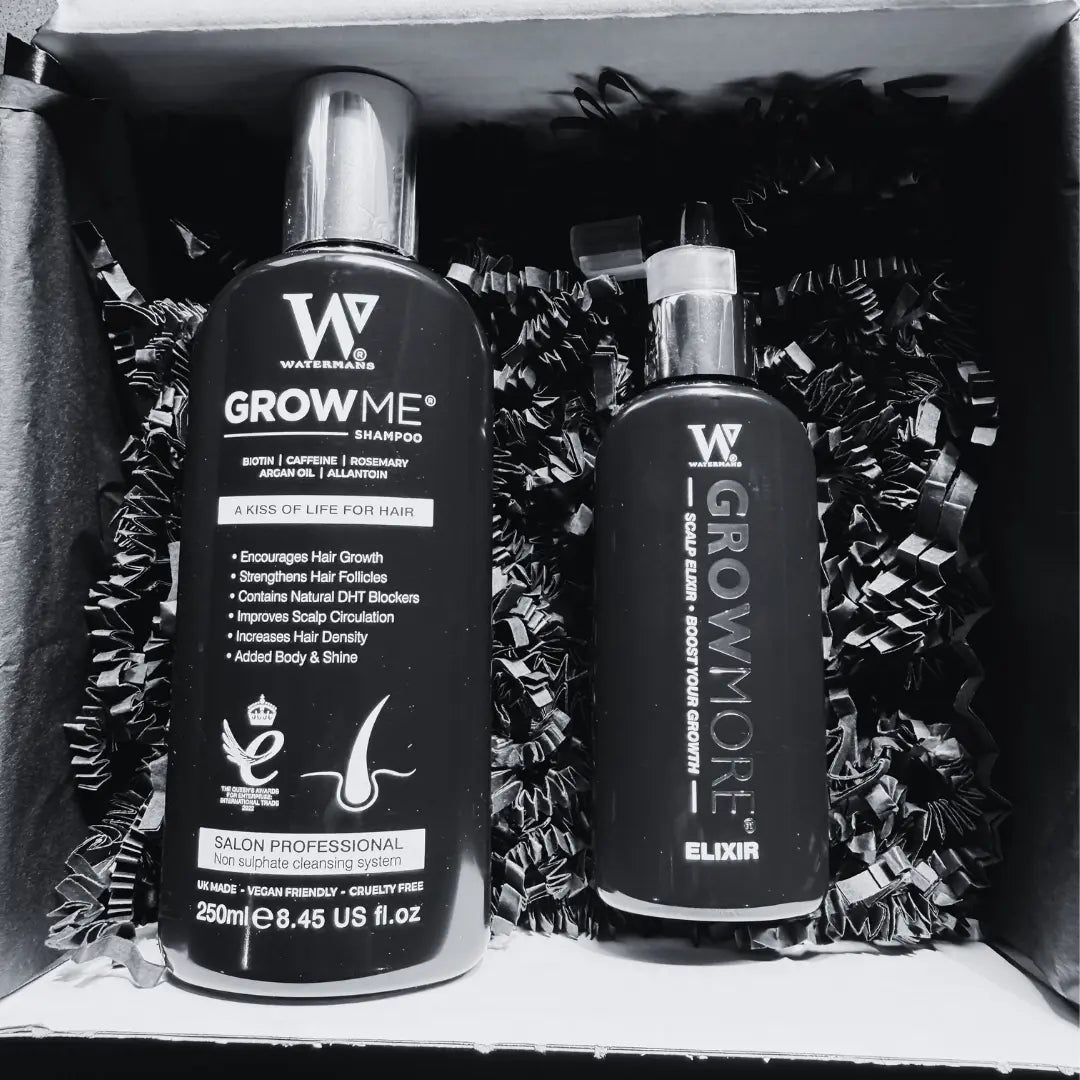
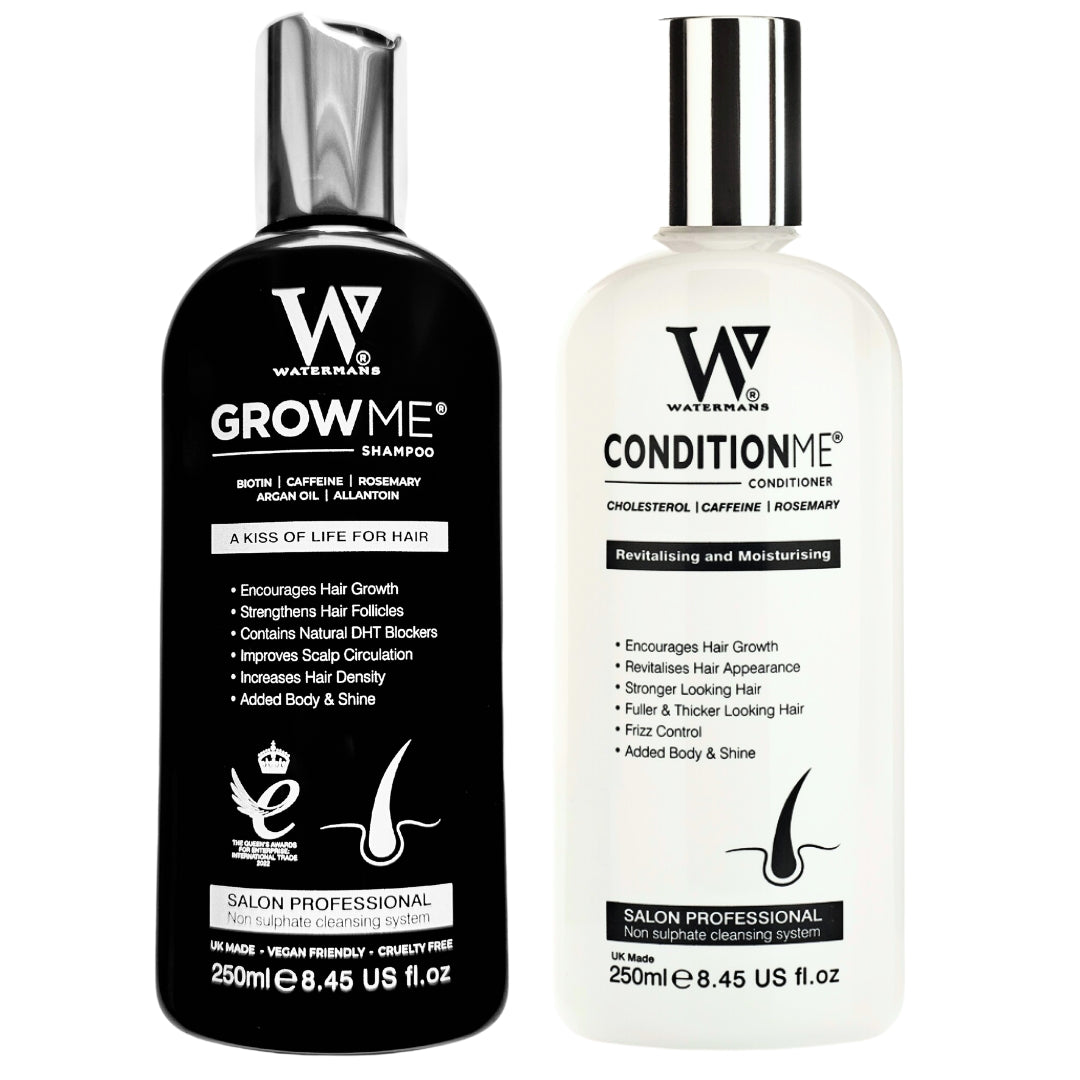
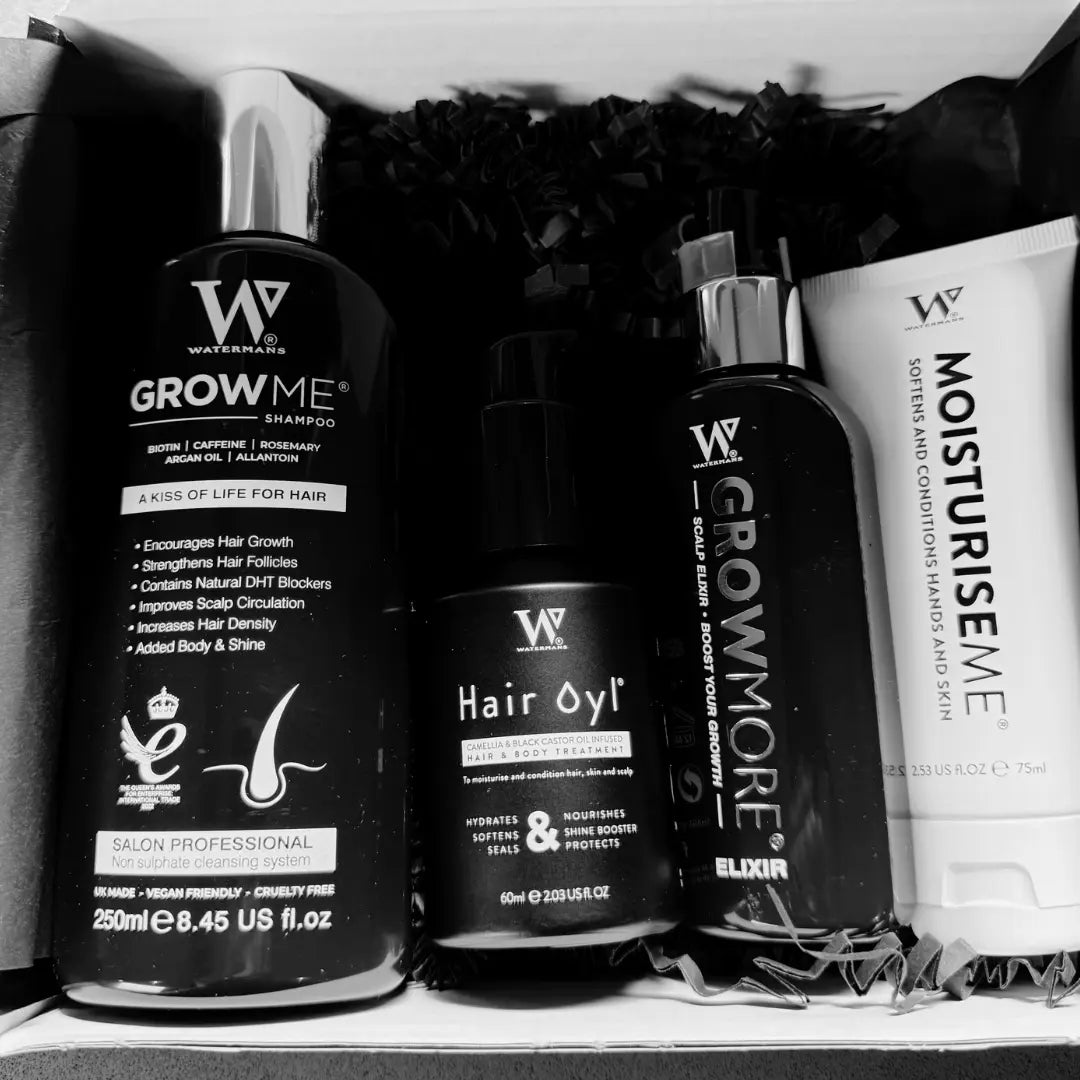
Oral minoxidil grows in fame as an off‑label hair loss fix. Many see hair grow back well, while some fear side effects and long‑term risks. Before you try oral minoxidil, know how it works, what hair regrowth to expect, and what other methods you can try. You might opt for scalp treatments like Watermans Grow Me Shampoo, a natural option that avoids drugs.
This guide uses clear words and tight links between ideas. It lets you decide well for your scalp, health, and hair.
What Is Oral Minoxidil?
Oral minoxidil comes as a tablet. Originally, doctors made it to lower blood pressure. It widens blood vessels, so blood flows more and pressure drops in severe hypertension.
Later, doctors saw a new effect. Patients grew thicker and darker hair on many areas of the body. That change led to the birth of topical minoxidil (found as 2% or 5% foams and solutions) to help hair loss.
Today, oral minoxidil is given at low doses for:
- Male pattern baldness
- Female pattern hair loss
- Some alopecia forms that skip topical help
"Off‑label" means that health groups approve minoxidil as a blood pressure drug. Using it for hair loss is guided by doctors’ experience and early studies.
How Oral Minoxidil Works for Hair Growth
The science behind minoxidil and your hair follicles
Research shows several actions that may boost hair growth:
-
Blood flow rise: Minoxidil opens channels in blood vessel walls. This action makes vessels relax. More blood, oxygen, and nutrients then reach the hair follicles.
-
Longer growth phase: Each hair runs through:
- A growth phase (anagen)
- A change phase (catagen)
- A resting phase (telogen)
Minoxidil helps hairs stay longer in the growth phase. More time in growth can yield thicker, longer hair.
-
Waking sleeping follicles: In hair loss from androgen sensitivity, follicles shrink. Oral minoxidil may push some of them back to growth.
-
Direct effects on follicles: Lab work shows minoxidil can raise growth signals, help cells in follicles live longer, and thicken hairs.
The result is more active hairs and fewer in shedding. This shift means hair looks fuller over time.
Oral Minoxidil vs Topical Minoxidil
What’s the difference in practice?
Both forms want to boost hair growth, but they act in different ways.
Topical Minoxidil:
- You apply it on the scalp.
- It works where you put it.
- It has low spread in the body.
- It shows fewer body‑wide effects.
- It usually comes in 2% or 5% forms.
Oral Minoxidil:
- You swallow it as a tablet.
- It spreads through the body.
- It changes blood flow and fluid balance.
- It carries more risk for heart and other effects.
- It comes in low doses (0.25–5 mg daily) for hair loss.
Which is more effective for hair?
Some studies point out that low‑dose oral minoxidil works as well as or even better than the topical form. It may suit those who:
- Do not use topicals regularly
- Get scalp irritation from topicals
- See little change from topicals
Because the tablet affects the entire body, your doctor will compare the benefits with the whole‑body risks.
For many, a first step is a scalp plan with topicals and gentle solutions like Watermans Grow Me Shampoo or kits that include shampoos and conditioners made for the scalp.
Typical Oral Minoxidil Doses for Hair Loss
Note: Dose depends on sex, body, and medical history
For hair loss, oral minoxidil comes in much lower doses than for blood pressure. A dermatologist might use:
Men
- 2.5 mg to 5 mg once a day
- Sometimes as low as 0.5–1 mg to check how you feel
Women
- 0.25 mg to 2.5 mg once a day
- A low start may cut excess body hair
Doctors adjust the dose based on:
- Heart health and blood pressure
- Other drugs you take
- Kidney work
- Age and weight
- Type and severity of hair loss
Never start without a doctor who will monitor your progress. Even small doses are powerful.
Real Results: What to Expect from Oral Minoxidil
Timeline of visible changes
Each person shows changes at their own pace. Many speak of this common path:
-
0–2 months
- You may see extra shedding as resting hairs fall out.
- This shedding shows the hair cycle is shifting.
-
3–6 months
- Early gains may appear:
- Less shedding
- Fine, new hairs in thinning areas
- A slight boost in hair density
- Early gains may appear:
-
6–12 months
- Changes become clearer:
- Thicker strands
- More density at the crown and hairline
- Hair may feel stronger and easier to manage
- Changes become clearer:
-
12+ months
- Best results often rest around 12 months.
- Some see gradual gains even up to 18–24 months.
How strong are the results?
Studies and reports show:
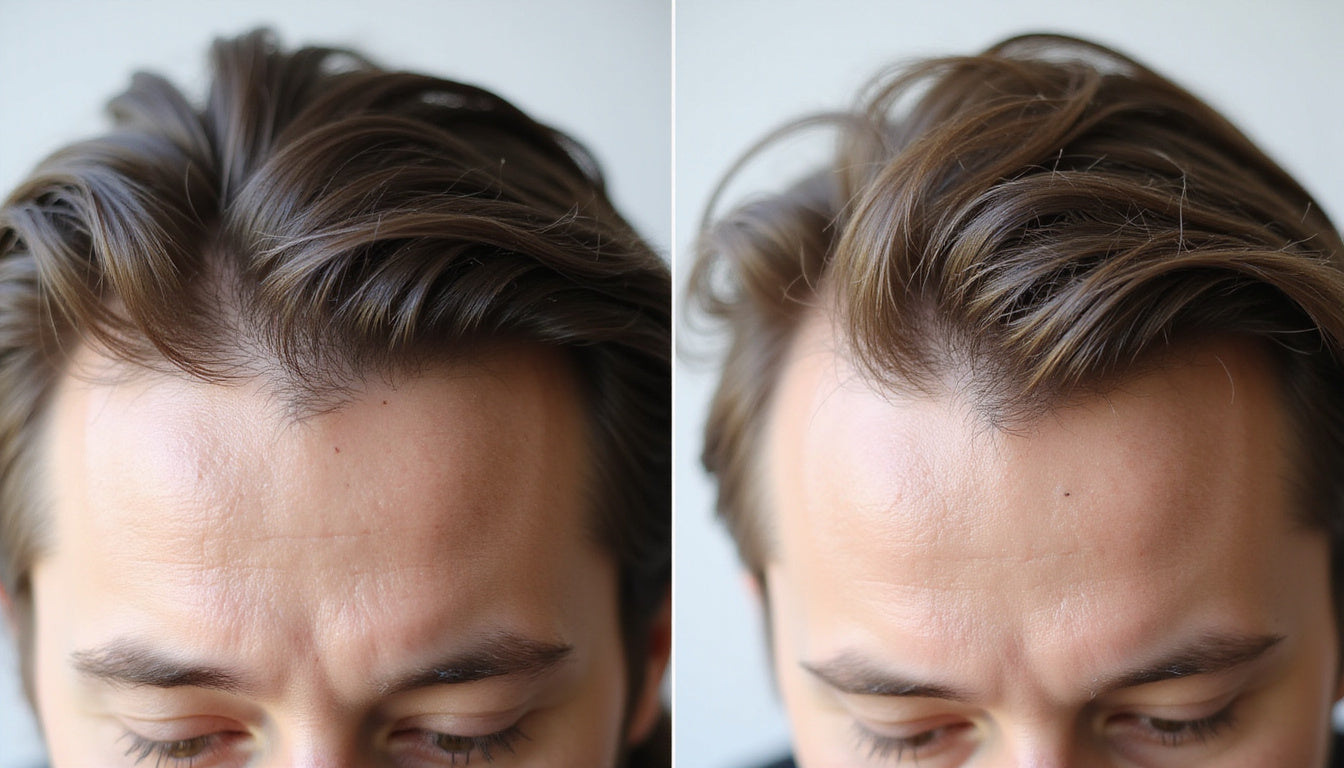
- Many users see a strong rise in hair density.
- Some experience hair loss pause with few new hairs.
- Some see little change.
Your results can change with:
- How long you have lost hair (early treatment can help)
- The type of hair loss
- Your genes and health
- The other support you give your scalp
Even if you choose oral minoxidil, a good scalp plan might include:
- A gentle scalp massage to raise local blood flow
- A growth shampoo like Watermans Grow Me Shampoo that works from the roots
- Avoidance of harsh shampoos, tight styles, and high heat
Hidden Risks: Side Effects and Safety Concerns
Why oral minoxidil is not a casual pick
Oral minoxidil works on blood vessels and fluid balance. It may bring side effects that range from mild to severe.
Common side effects
These come with the dose:
-
Extra hair growth
- Unwanted hair on the face, arms, back, or elsewhere
- More seen in women
- May lessen with a smaller dose or hair removal methods
-
Fluid retention and swelling
- Puffiness in ankles, feet, or near eyes
- Tight rings or shoes may signal the change
- A smaller dose may help
-
More shedding at the start
- Usually a short phase
- A sign that the hair cycle is in change
Less common but important side effects
These effects occur less but need care:
-
Low blood pressure or dizziness
- Feeling light when you stand
- Tiredness or near-fainting
-
Fast or irregular heartbeat
- A racing or uneven pulse
- Riskier if you have heart troubles
-
Headaches
- Caused by the widening of blood vessels
-
Weight gain
- Usually from extra fluid, not fat
Serious risks (rare and need quick care)
-
Fluid around the heart
- Rare in low doses but seen with high doses in blood pressure care
- Chest pain, short breath, or trouble when lying down are signals
These risks mean that low‑dose oral minoxidil works best when a doctor helps you. Routine checks, like blood pressure and symptom tracking, keep you safe.
For many who worry about heart or blood pressure issues, starting with a scalp plan using products like Watermans Grow Me Shampoo is a sound way to begin.
Who Should Avoid or Be Very Cautious with Oral Minoxidil?
Not everyone is a good match
It is best to skip or use extra care with oral minoxidil if you have:
- Unstable high or low blood pressure
- Heart issues such as arrhythmias or heart failure
- Kidney problems that affect fluid balance
- A past of fluid around the heart or serious heart troubles
- A known allergy or bad reaction to minoxidil
Extra care is needed for:
-
Pregnant or breastfeeding people
- Safety data is low; many doctors do not advise it.
-
Older adults
- They may be more sensitive to fluid and pressure changes.
-
People on many heart drugs
- The risks of drug links and extra side effects grow.
Before you try oral minoxidil, talk with your doctor about:
- Your full medical history
- All current medications and supplements
- Your usual blood pressure and heart work
- The non‑drug methods you have tried or can start
Oral Minoxidil vs Natural and Non‑Medical Hair Growth Options
Why start with the least invasive plan?
Hair loss can feel hard. It may be tempting to pick the strongest treatment. Still, a step‑by‑step plan can be safe and work well over time.
A smart path is:
- Improve your scalp and hair with topical and natural methods.
- Fix lifestyle, diet, and stress issues that speed hair loss.
- Then, if needed, talk about drugs like oral minoxidil.
One strong non‑drug route is to boost your daily shampoo routine. That is where Watermans Grow Me Shampoo shows its strength as a natural choice.
Watermans Grow Me Shampoo: A Natural‑First Alternative
Why it is worth a try before oral minoxidil
Watermans Grow Me Shampoo stands as a premium shampoo that supports hair growth without drugs. Use it daily and avoid whole‑body risks.
This shampoo holds key ingredients:
- Biotin – Helps the hair’s main protein build stronger strands.
- Rosemary – Used for years to aid circulation in the scalp.
- Caffeine – May offset negative effects of DHT and boost scalp blood flow.
- Niacinamide (Vitamin B3) – Supports the skin barrier and scalp state.
- Argan Oil – Gives moisture and shine with light weight.
- Allantoin – Soothes the scalp and cuts irritation.
- Lupin Protein – A plant protein that can help hair stay strong.
This mix works to wake up the scalp and add volume from the roots. It is a wise choice if you want to keep away from daily tablets.
Who benefits the most from Watermans Grow Me?
- People who note early thinning at the crown
- Those with a widening part or extra shedding when washing or brushing
- Anyone who wishes to support hair growth without pills
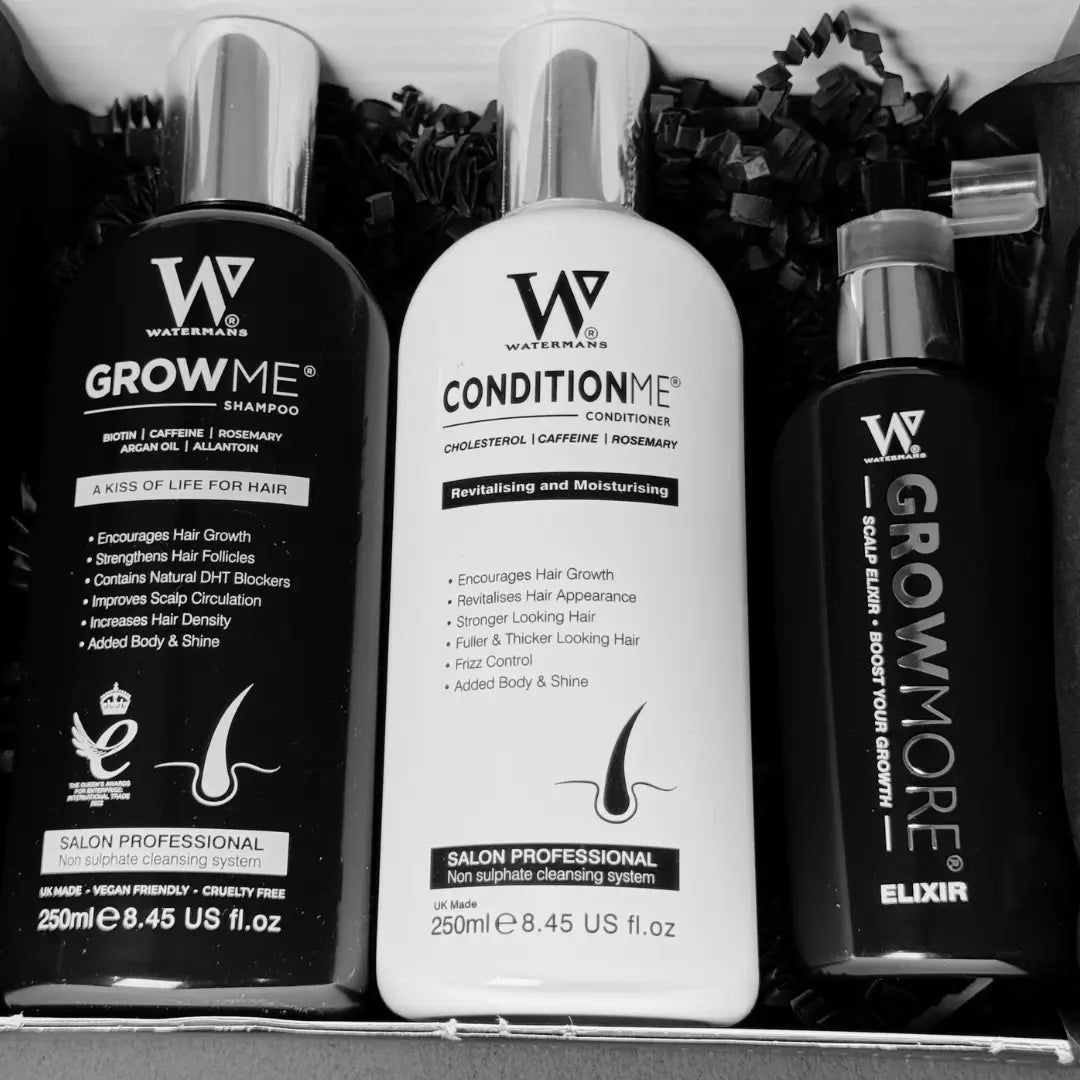
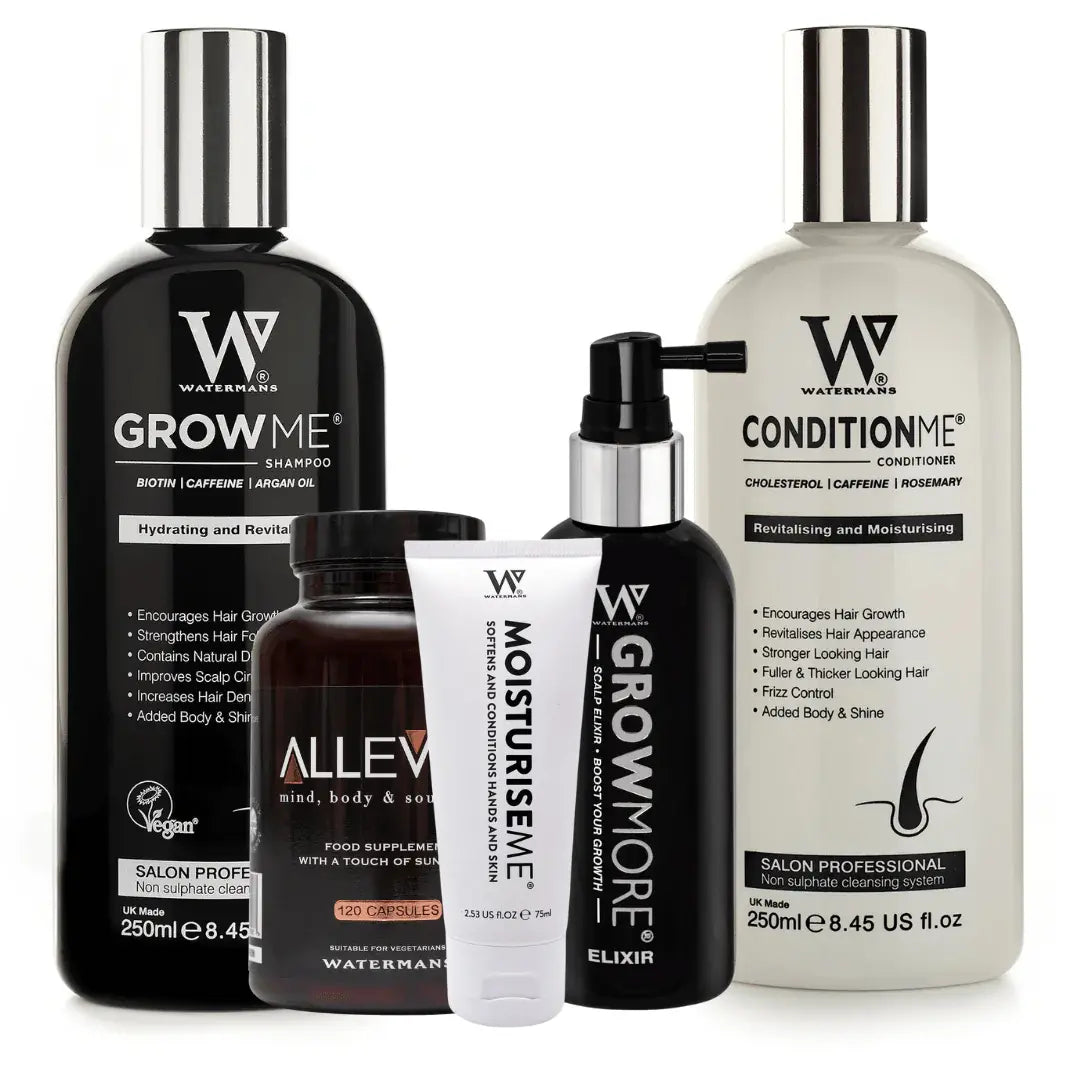
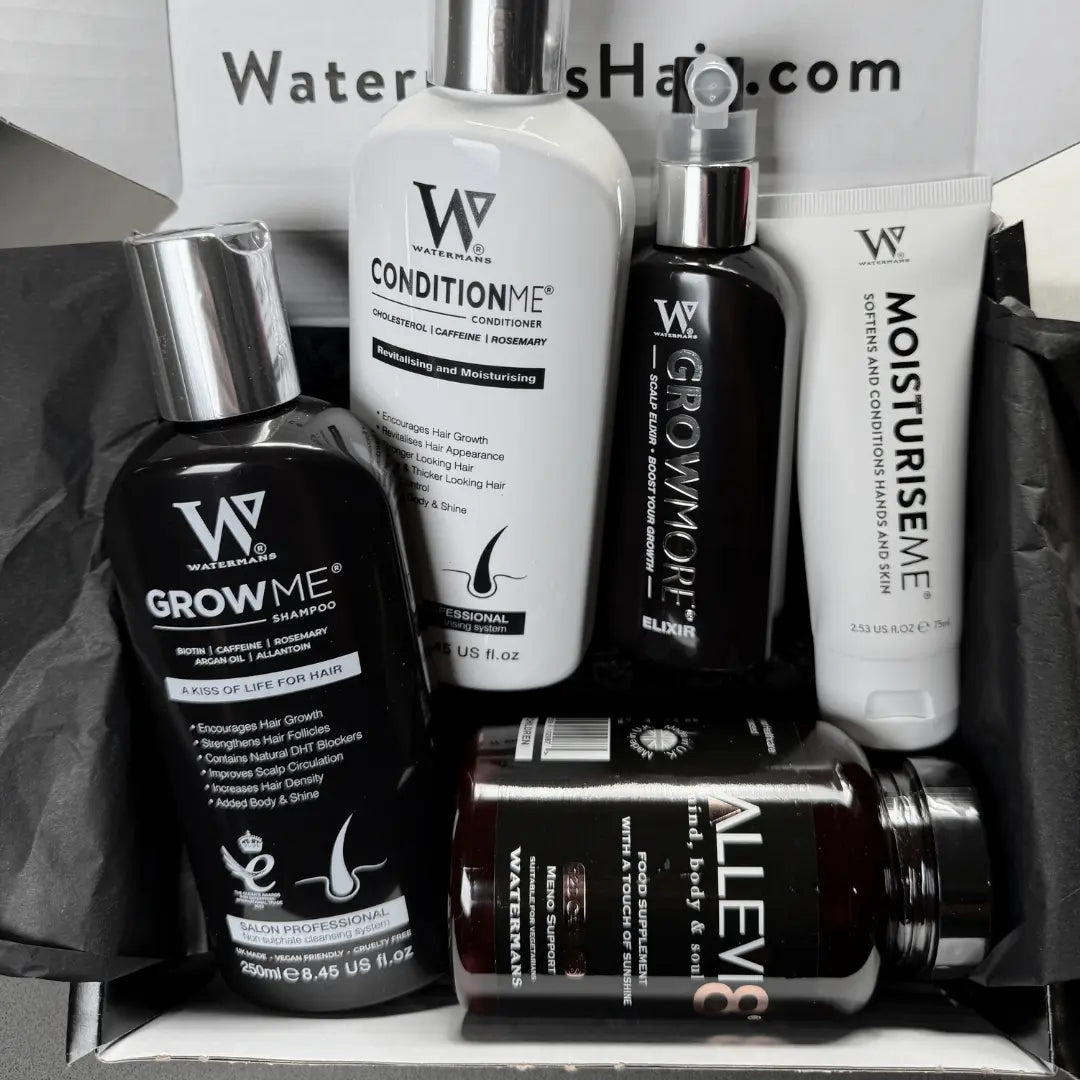
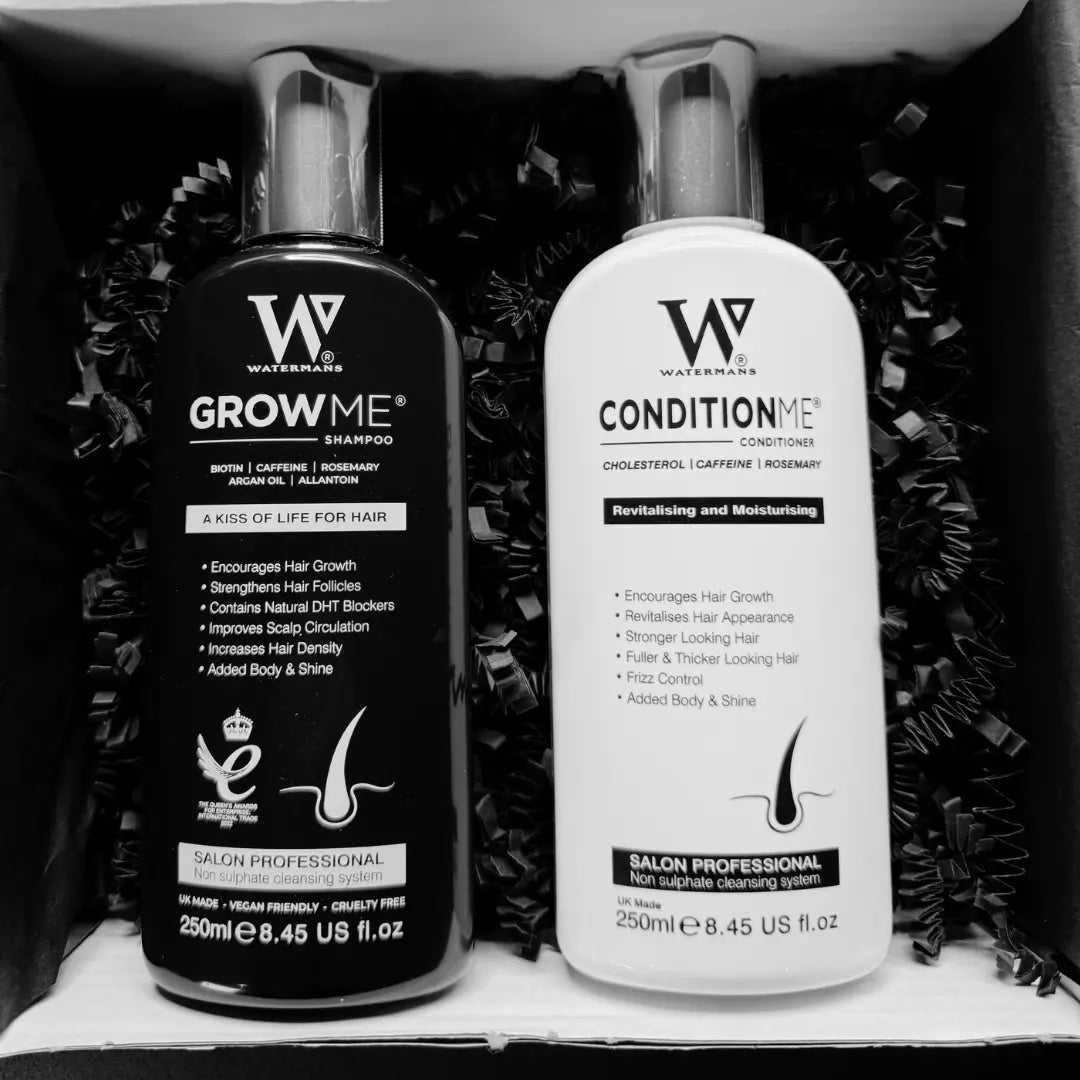
For even better results, many mix Grow Me Shampoo with items in the Watermans Hair Survival Kit. This kit builds a steady routine for the scalp.
Combining Oral Minoxidil with a Scalp‑Focused Routine
Building a practical hair growth plan
If your doctor thinks oral minoxidil fits you, the best plan blends treatments rather than using one only.
A balanced plan may include:
Internal support (under doctor care):
- A low‑dose oral minoxidil as prescribed
- Fixing vitamin gaps (like iron, vitamin D, or B12)
- Guarding hormone and metabolism balance
External support (daily scalp plan):
- Washing with a growth shampoo like Watermans Grow Me Shampoo to keep the scalp clean and fed.
- Using conditioners and scalp treatments from the Watermans Hair Survival Kit.
- Rubbing the scalp gently for 2–5 minutes to boost local blood flow.
Lifestyle support:
- Eat enough protein to build hair fibers.
- Cut down on long‑term stress that may cause shedding.
- Skip smoking, which can cut blood to the scalp.
This plan works from inside and out. With this method, you may use lower doses of oral minoxidil or even handle hair loss without drugs.
How Long Do You Need to Stay on Oral Minoxidil?
The long‑term commitment of treatment
Oral minoxidil, like the topical form, does not cure hair loss permanently. It only works while you take it. Once you stop:
- The boost to follicles fades.
- Hair maintained by minoxidil may thin again.
- In 3–6 months, hair often returns to its earlier state.
If oral minoxidil works well and is safe for you, many use it for years. Because of this, it makes sense to:
- Know the possible risks and gains.
- Weigh a lifetime drug versus a natural plan.
- Keep a steady scalp plan (with products like Watermans Grow Me Shampoo) if you later lower or stop the tablet under care.
Oral Minoxidil and Other Hair Loss Treatments
Can you mix it with other methods?
Many doctors mix oral minoxidil with other treatments for hair loss. Common mixes include:
Oral minoxidil + finasteride (for men)
- Finasteride cuts DHT, a hormone linked to hair loss.
- Minoxidil helps follicles grow.
Oral minoxidil + anti‑androgens (in some women)
- Anti‑androgens, like spironolactone, are used when hormones are out of balance.
Oral minoxidil + PRP or microneedling
- In‑office steps that boost local follicle activity.
Even with medicine mixes, a good hair care plan with a growth shampoo like Watermans Grow Me Shampoo and the Watermans Hair Survival Kit stays key.
Evidence and Research on Oral Minoxidil for Hair Loss
What current studies show
Research on low‑dose oral minoxidil for hair loss has grown in recent years. Though large long‑term trials are few, smaller studies show:
- Many men and women see more hair density.
- Hairs become thicker.
- Dermatologists notice better hair pictures.
Side effects in low doses tend to be mild or moderate. They often ease with dose change or stopping the drug.
A review in the Journal of the American Academy of Dermatology found low‑dose oral minoxidil a valid choice when monitored well (Journal of the American Academy of Dermatology).
Researchers stress:
- Careful patient matching
- Close checks for heart effects
- The need for more long‑term data
Until big trials conclude, you should use oral minoxidil only after a talk with a well‑informed doctor and after trying high‑quality non‑drug ways.
Signs Oral Minoxidil Might Not Be Right for You
Pay close attention to these signs and speak with your doctor if you see:
- Ongoing or worse dizziness, tiredness, or low energy
- Noticeable swelling of ankles, feet, hands, or around the eyes
- Chest pain or tightness and trouble breathing
- A fast, uneven, or pounding heartbeat
- A quick weight increase over a short time
- Disturbing excess hair on the face or body
Sometimes, a dose change or pause (under care) helps. Keeping a strong scalp routine with a growth shampoo like Watermans Grow Me can support your scalp during any change.
Practical Daily Routine for Hair Growth Support
A simple routine for everyday life
You can care for your hair daily with a few easy steps. Here is one plan:
-
Morning
- If prescribed, take your oral minoxidil as your doctor says.
- Drink water to help blood flow.
- Give your scalp a light massage with your fingertips for 1–2 minutes.
-
Shower (3–5 times each week or as suits your hair)
- Wash with Watermans Grow Me Shampoo. Rub it on your scalp gently and let it sit a few minutes.
- Rinse off well, then use a conditioner or treatment from the Watermans Hair Survival Kit.
- Do not use very hot water to keep your scalp and hair from drying.
-
Styling
- Pat your hair dry with a towel. Avoid hard rubbing.
- If you use a dryer, choose low heat; let hair air‑dry if you can.
- Skip very tight styles that pull on your roots.
-
Nutrition and lifestyle
- Eat protein-rich food (like fish, eggs, legumes, or lean meat).
- Check that you have enough iron and vitamin D.
- Find time for calm activities like walks or mindfulness.
This routine may boost the benefits if you also use oral minoxidil. It can work well even if you later choose a non‑drug plan only.
Frequently Asked Questions About Oral Minoxidil
1. How long does oral minoxidil take to work for hair loss?
Many see changes from oral minoxidil in 3 to 6 months. Early signs include less shedding and soft, new hairs. Thicker hair and better coverage usually take 6 to 12 months. It is a long‑term treatment; stopping the drug may end the positive effects over months.
2. Is low‑dose oral minoxidil safe for long‑term hair growth?
Low‑dose oral minoxidil appears safe for many when a doctor oversees its use. It still carries risks such as fluid retention and changes in blood pressure. Long‑term data are few. Regular check‑ups and thought on natural methods, like using Watermans Grow Me Shampoo, can be a wise start.
3. Can I use oral minoxidil with other hair growth products?
Yes. Many doctors mix oral minoxidil with scalp products to support hair growth. A scalp‑cleansing shampoo like Watermans Grow Me and items from the Watermans Hair Survival Kit may work well together. Always tell your doctor which products you use.
Take Control of Your Hair Journey—Starting Safely
Hair loss can feel hard. Oral minoxidil can bring good results, yet it has body‑wide risks. Before you stick with long‑term treatment, give your follicles a strong start with a natural scalp plan.
Try switching your daily wash to Watermans Grow Me Shampoo, praised for waking up the scalp and adding body to hair with ingredients like Biotin, Rosemary, Caffeine, Niacinamide, Argan Oil, Allantoin, and Lupin Protein. For a more targeted plan, check the Watermans Hair Survival Kit, made to care for hair at every step.
Build a strong, safe base for your hair. Then, if oral minoxidil fits, talk with your doctor knowing you already support your scalp and long‑term health.