Anagen effluvium: Causes, Symptoms, and Effective Treatment Strategies
Anagen Effluvium: Causes, Symptoms, and Effective Treatment Strategies
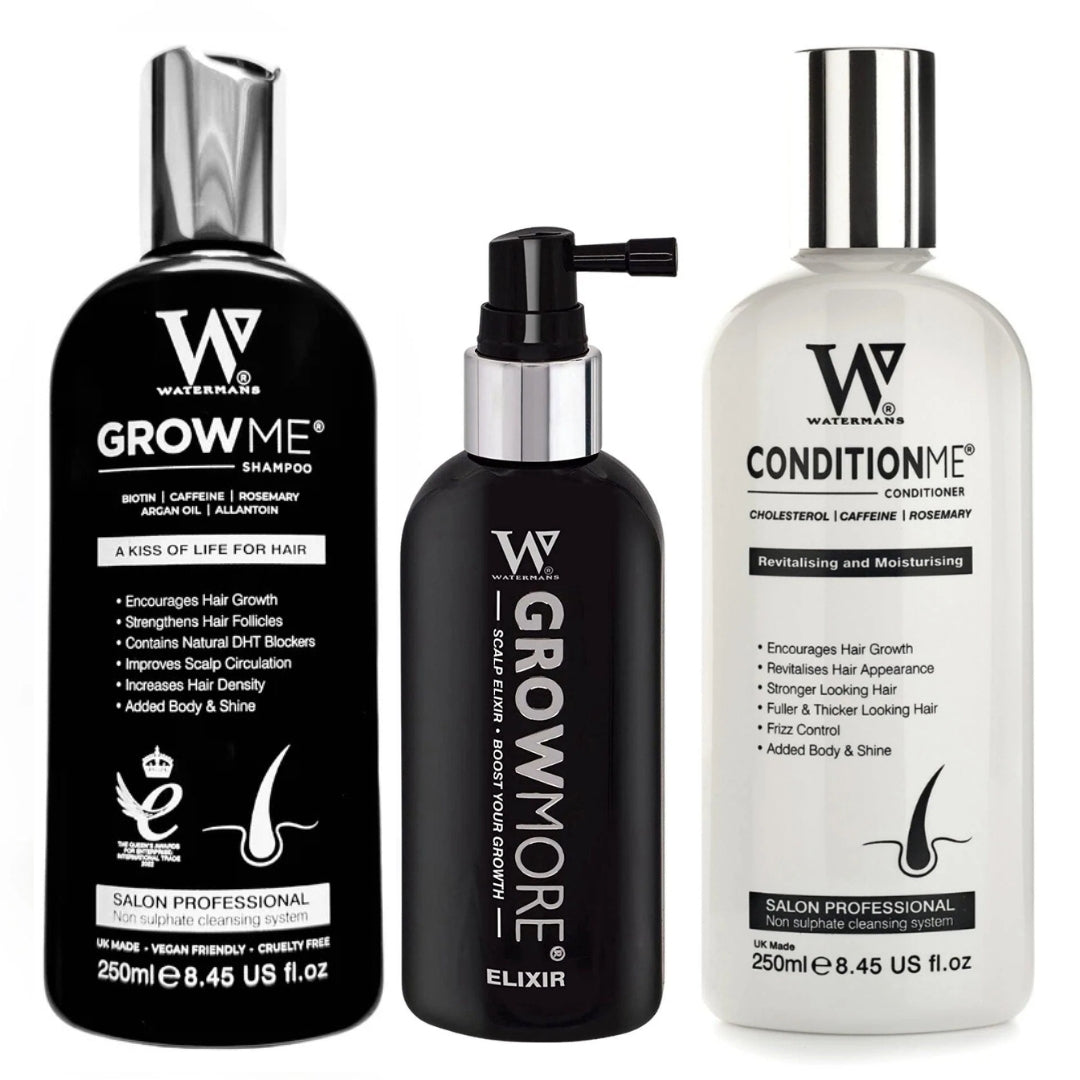
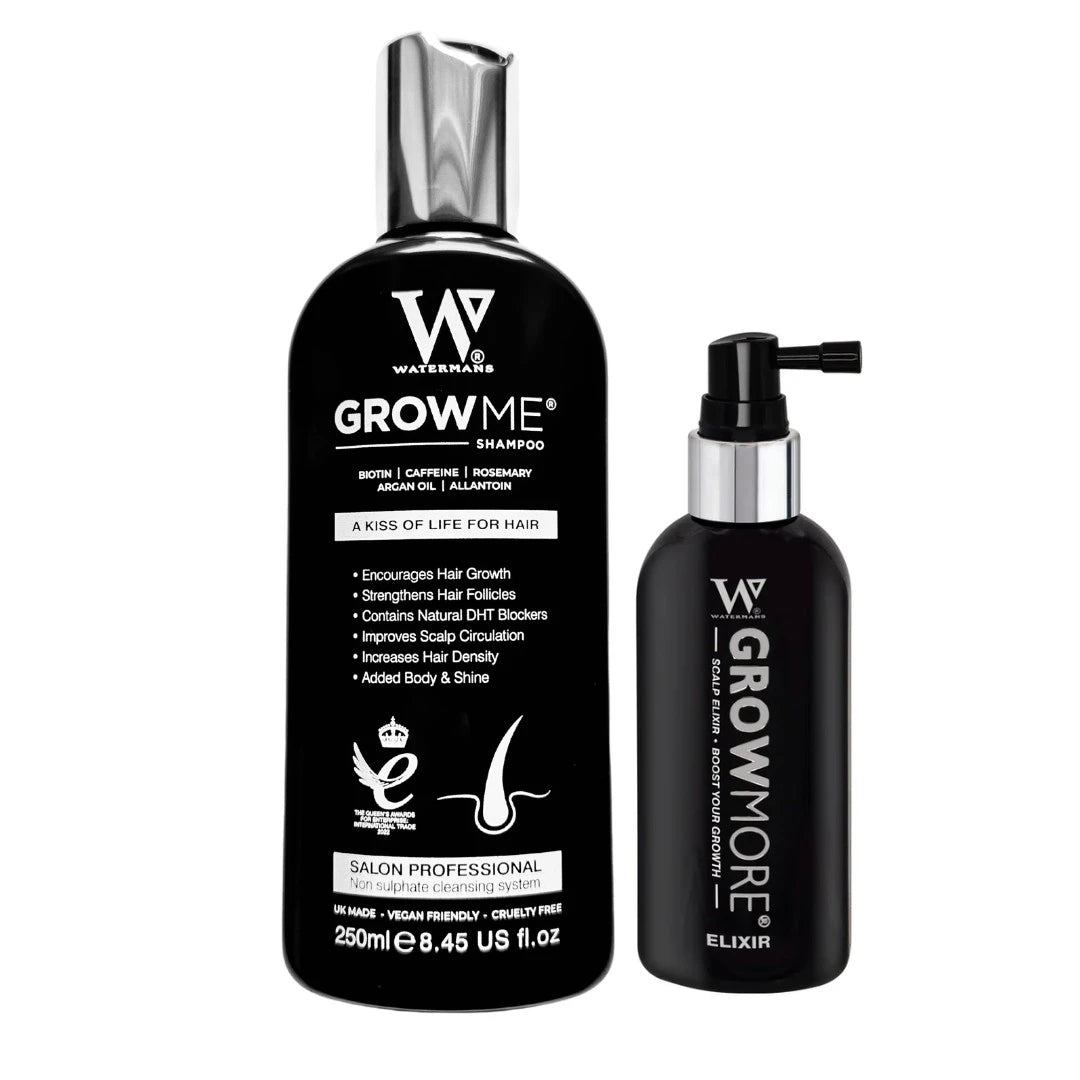
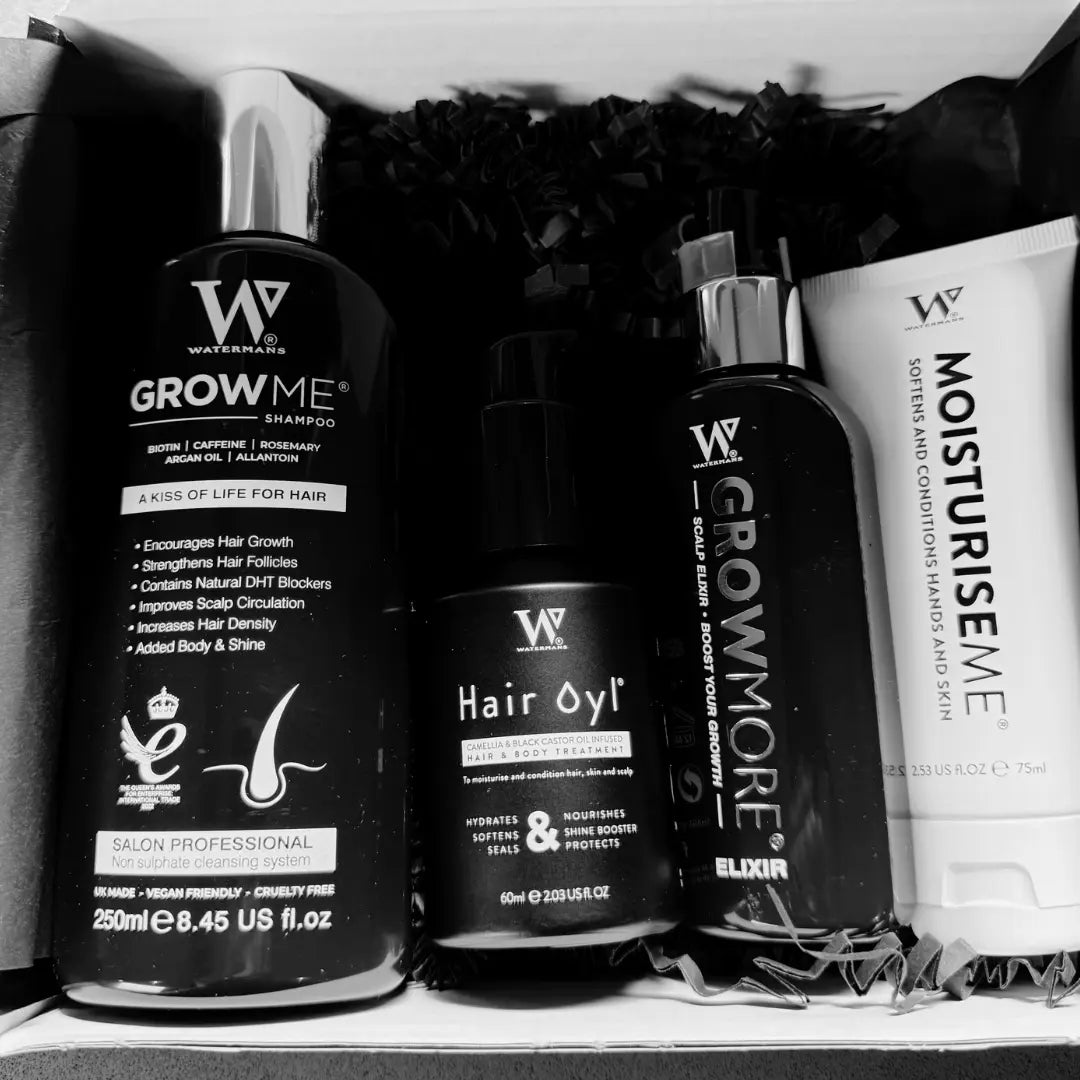
Anagen effluvium causes rapid hair loss during the growth phase. It happens fast, with hair falling out in days or weeks. This form of hair loss comes after events like chemotherapy or toxic exposure. Understanding this loss, its causes, and safe ways to help hair regrow is key when you or a loved one deal with sudden hair loss. Scalp‑friendly products such as Watermans Grow Me Shampoo can support regrowth.
This guide lists causes, symptoms, treatment methods, and daily steps for managing anagen effluvium. The advice here is people-first and practical.
What Is Anagen Effluvium?
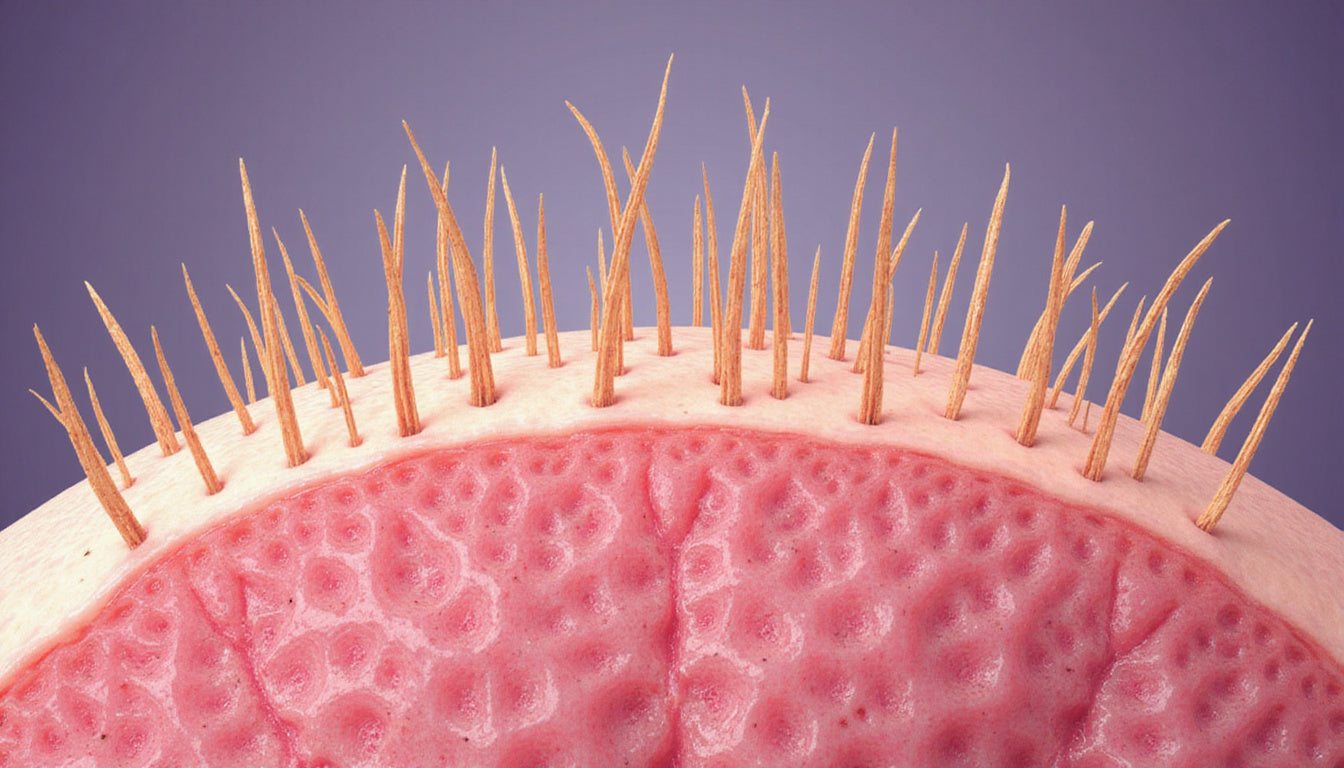
Anagen effluvium is a non-scarring hair loss that happens when hair in the growth phase is damaged. Most scalp hairs (80–90%) grow during this phase. When damage strikes, many hairs fall out in a short time.
Many people know anagen effluvium from chemotherapy. The drugs in chemo attack fast-growing cells. They hurt not only cancer cells but also the cells in hair bulbs. Chemo is one cause among others.
Key features are:
- Quick onset, within days or weeks after a trigger
- Even hair loss across the scalp (or body)
- Hair breaks near the scalp, or falls out completely
- Usually, hair can grow back after the trigger ends
Since anagen effluvium looks different from conditions like androgenetic alopecia, correct detection is the first step in care.
Understanding the Hair Growth Cycle
Each hair grows in its own cycle. There are three main phases:
-
Anagen (growth phase)
- Lasts 2–6 years on the scalp
- Hair grows about 1 cm each month
- Most scalp hairs are in this phase
-
Catagen (transition phase)
- Lasts about 2–3 weeks
- Growth stops and the hair follicle shrinks
-
Telogen (resting/shedding phase)
- Lasts 2–4 months
- Hair falls out as the follicle restarts growth
In anagen effluvium, damage strikes during the active growth phase. The hair bulb cells, which divide fast, break or shed. This ends the long growth of the hair.
Anagen Effluvium vs. Telogen Effluvium
Anagen effluvium is different from telogen effluvium. Both cause widespread hair loss, but they have key differences.
Onset and Timing
- Anagen effluvium: Hair loss starts quickly. It may begin 1–4 weeks after a trigger like chemo, radiation, or toxins.
- Telogen effluvium: Hair loss shows up 2–3 months after a trigger like serious illness, childbirth, high stress, or surgery.
Type of Hairs Lost
- Anagen effluvium: Loss hits hairs that are growing. They might break near the scalp or fall out completely.
- Telogen effluvium: Loss hits hairs in the resting phase. When you pull gently, hairs come out with a rounded root.
Triggers
- Anagen effluvium: Often due to chemo, radiation, toxins, or drugs that hurt fast cell growth.
- Telogen effluvium: Tied to stress like metabolic strain, hormones, surgery, or a crash in diet.
Reversibility
Both types can reverse when the trigger stops. Anagen effluvium usually shows regrowth faster than telogen effluvium.
Common Causes of Anagen Effluvium
1. Chemotherapy Drugs
Chemotherapy is a well-known cause. Many chemo drugs target fast cells. They also hit the hair bulb cells.
Some common drug groups are:
- Alkylating agents (e.g., cyclophosphamide)
- Anthracyclines (e.g., doxorubicin, epirubicin)
- Taxanes (e.g., paclitaxel, docetaxel)
- Topoisomerase inhibitors and more
Hair loss from chemo is usually:
- Wide-spread (sometimes more than 90% of scalp hair)
- Accompanied by eyebrow, eyelash, and body hair loss
- Seen 1–3 weeks after treatment begins
The pattern and amount depend on the drugs, dose, and treatment length.
2. Radiotherapy
Radiation aimed at the scalp or nearby areas can cause local anagen effluvium. High doses can hurt hair follicles so much that few hairs grow back in that spot.
Factors include:
- Radiation dose and schedule
- Size and location of the treatment area
- How sensitive you are
Lower doses may bring temporary loss. Higher doses might cause permanent hair loss.
3. Toxic Chemicals and Poisons
Some toxins can hurt the hair follicle cells. Examples include:
- Heavy metals (e.g., thallium, mercury, arsenic)
- Boron compounds
- Certain industrial chemicals
Such causes are less common but may explain sudden hair loss.
4. Systemic Medications (Non-Cancer)
Not only chemo drugs cause anagen effluvium. Some other medicines may lead to it. Examples are:
- Some immunosuppressive drugs
- High doses of some retinoids
- Interferon and targeted therapies
If you suspect a drug causes your hair loss, discuss it with your doctor.
5. Autoimmune and Inflammatory Processes
Rarely, autoimmune or inflammatory issues affect the hair follicle. This may cause a loss that looks like anagen effluvium. Autoimmune hair loss, though, is more often seen in conditions like alopecia areata.
Symptoms and Clinical Presentation of Anagen Effluvium
People with anagen effluvium see rapid and dramatic hair shedding. They often notice:
- Clumps of hair on their pillow, in the shower, or on brushes
- Sudden shedding, often days or weeks after a trigger like chemo
- A scalp that feels sensitive or prickly
Recognizable Features
- Diffuse hair loss: Hair thins all over the scalp, not just in spots.
- Texture changes: New hair may feel finer or curlier or show a change in color.
- Loss of eyebrows and eyelashes: Chemo often affects body hair as well.
- No scarring: The scalp usually looks normal without redness or scaling.
Timeline of Events
-
Within 1–4 weeks
Hair loss starts. For many chemo schedules, shedding begins around 2 weeks. -
By 1–2 months
Maximum hair loss may occur. Some people may lose nearly all scalp hair. -
Within 1–3 months after the trigger stops
Hair follicles start to work again and fine hair appears. -
By 6–12 months
Noticeable regrowth happens. Hair density and texture may change for a while.
How Anagen Effluvium Is Diagnosed
Doctors diagnose anagen effluvium by looking at your history and exam. A dermatologist or trichologist will note:
Medical History
- Recent or current chemo or radiation
- New medications or dose changes
- Exposure to toxins at work or by accident
- Other illnesses, autoimmune issues, or nutrition gaps
Physical and Scalp Examination
- Pattern and extent of hair loss
- Scalp skin for redness, scaling, or lesions
- Condition of eyelashes, eyebrows, and body hair
- Gentle hair pull test to check if hairs detach easily
Trichoscopy (Dermatoscopic Scalp Examination)
A magnifying view of hair and follicles may show:
- Broken hairs in the growth phase
- Pigmented casts on the hair
- No signs of follicle scarring or miniaturization
Laboratory Tests
These tests are for unclear cases. They may include:
- Complete blood count
- Iron tests and ferritin
- Thyroid function tests
- Autoimmune markers if needed
Scalp Biopsy
Sometimes a small scalp sample is taken in hard cases. This confirms anagen effluvium and rules out other types of hair loss.
Is Anagen Effluvium Permanent?
In most cases—especially with chemo-induced cases—hair loss is temporary. Hair follicles are stunned, not destroyed. Once the harmful agent stops, the follicles usually go back to the growing phase.
Some factors may affect long-term outcomes:
- Type and dose of chemo: Some treatments can lead to longer thinning.
- Radiation dose: High, local doses may stop regrowth permanently in that spot.
- Your genetics and age: Natural hair density and hormones can affect the result.
- Other health conditions: Nutritional gaps, hormone changes, or scalp issues can slow regrowth.
If hair does not return after 12–18 months, see a specialist to check for other causes like androgenetic alopecia.
Medical Treatments for Anagen Effluvium
For many people, hair loss comes with cancer treatment. Any treatment must be chosen with your oncologist. The best care often means support and time. However, some tools may help before, during, or after treatment.
1. Scalp Cooling (Cold Caps)
Cold caps are worn before, during, and after some chemo infusions. They shrink blood vessels in the scalp. This change can reduce how much chemo reaches the hair follicles.
Benefits include:
- A lower amount of hair loss with certain treatments
- Helping some patients keep more hair to avoid complete baldness
Keep in mind:
- They do not work for every cancer type or treatment
- Some people feel headaches or chills from cold caps
- Costs and availability vary by region
Talk with your oncologist to see if this method fits your situation.
2. Topical Minoxidil
Minoxidil is a liquid that you put on the scalp. It helps widen blood vessels. Studies show it may shorten the bald period after chemo and bring regrowth sooner.
However:
- It may not stop hair loss during chemo
- It can irritate the scalp for some users
- Ask your oncologist before using it during treatment
3. Adjusting or Changing Medications
If a drug (other than chemo) causes hair loss, stopping or changing the medicine is important. Never stop medication without your doctor’s advice.
4. Nutritional and Medical Optimization
Good nutrition can support hair regrowth. Your doctor or dietitian may check levels of:
- Iron and ferritin
- Vitamin D
- Vitamin B12 and folate
- Zinc and other nutrients
A balanced diet with enough protein and calories is needed when you recover from illness or chemotherapy.
5. Management of Underlying Conditions
If you have another condition that harms hair—such as thyroid disease or an autoimmune problem—treating it can improve regrowth. Work with a hair specialist if your recovery seems slow.
Non-Medical and Cosmetic Strategies During Anagen Effluvium
When hair loss occurs during tough treatments, the emotional effects can be strong. Non-medical steps can protect your scalp, keep you comfortable, and support your self-image.
1. Gentle Hair and Scalp Care
- Wash with mild, sulfate-free shampoos.
- Avoid harsh detergents or rough handling.
- Reduce heat styling and skip hot tools.
- Do not wear tight hairstyles that pull on the hair.
- Dry hair by patting gently with a soft towel.
A gentle product like Watermans Grow Me Shampoo can help maintain healthy scalp care.
2. Cosmetic Cover and Style Options
Many people use cosmetic aids while their hair sheds or regrows:
- Wigs made of synthetic or human hair
- Headscarves, turbans, beanies, or caps
- Eyelash or brow makeup to accent the face
Some centers and charities help with wig fittings or vouchers. It helps to prepare for cover options before hair loss peaks.
3. Scalp Care When Bald
If you lose most hair:
- Wear hats or apply SPF 30+ sunscreen to guard against sunburn.
- Keep the scalp moisturized to avoid dryness and itch.
- Avoid harsh chemicals on the scalp until hair regrows strongly.
Supporting Regrowth After Anagen Effluvium
When treatments stop or toxins clear, your body works to fix the follicles. You cannot force fast regrowth, but you can help create a good space for growth.

1. Nourishing the Scalp Microenvironment
The scalp acts like soil for hair. A cared-for scalp can help new hair grow well. A product such as Watermans Grow Me Shampoo fits this need.
It contains:
- Biotin – Supports hair and nail strength.
- Rosemary – May improve circulation and hair density.
- Caffeine – Can stimulate the scalp and help hair follicles.
- Niacinamide – Helps the scalp barrier and blood flow.
- Argan Oil – Supplies fatty acids and vitamin E to soften hair.
- Allantoin – Soothes and comforts the scalp.
- Lupin Protein – Strengthens hair from the root.
These ingredients work to boost the scalp and add volume without harsh chemicals.
2. Daily Hair Care Habits for Regrowth
Simple steps can keep hair healthy when it returns:
- Wash gently: Use a light touch to clean the scalp.
- Choose cool water: Warm water can dry out the scalp.
- Condition carefully: Apply conditioner on hair lengths and ends.
- Avoid chemical dyes: Wait until hair grows stronger before processing.
- Trim split ends: This helps new hair look fuller and healthy.
3. Holistic Support: Food, Sleep, and Stress Relief
Hair, like all tissue, needs overall care:
- Eat enough protein: Hair is made mostly of protein.
- Drink water: Stay well-hydrated for skin and scalp health.
- Manage stress: High stress can worsen shedding.
- Get enough sleep: Proper rest aids overall recovery.
Why Start With Natural, Non-Medical Options First?
People recovering from cancer often prefer fewer drugs or harsh treatments. In most cases, it makes sense to begin with:
- Gentle topical care
- Food and lifestyle support
- Non-damaging scalp care
Here, Watermans Grow Me Shampoo fits well. This natural approach uses biotin, rosemary, caffeine, niacinamide, argan oil, allantoin, and lupin protein. It works to awaken the scalp and boost hair volume without extra medication.
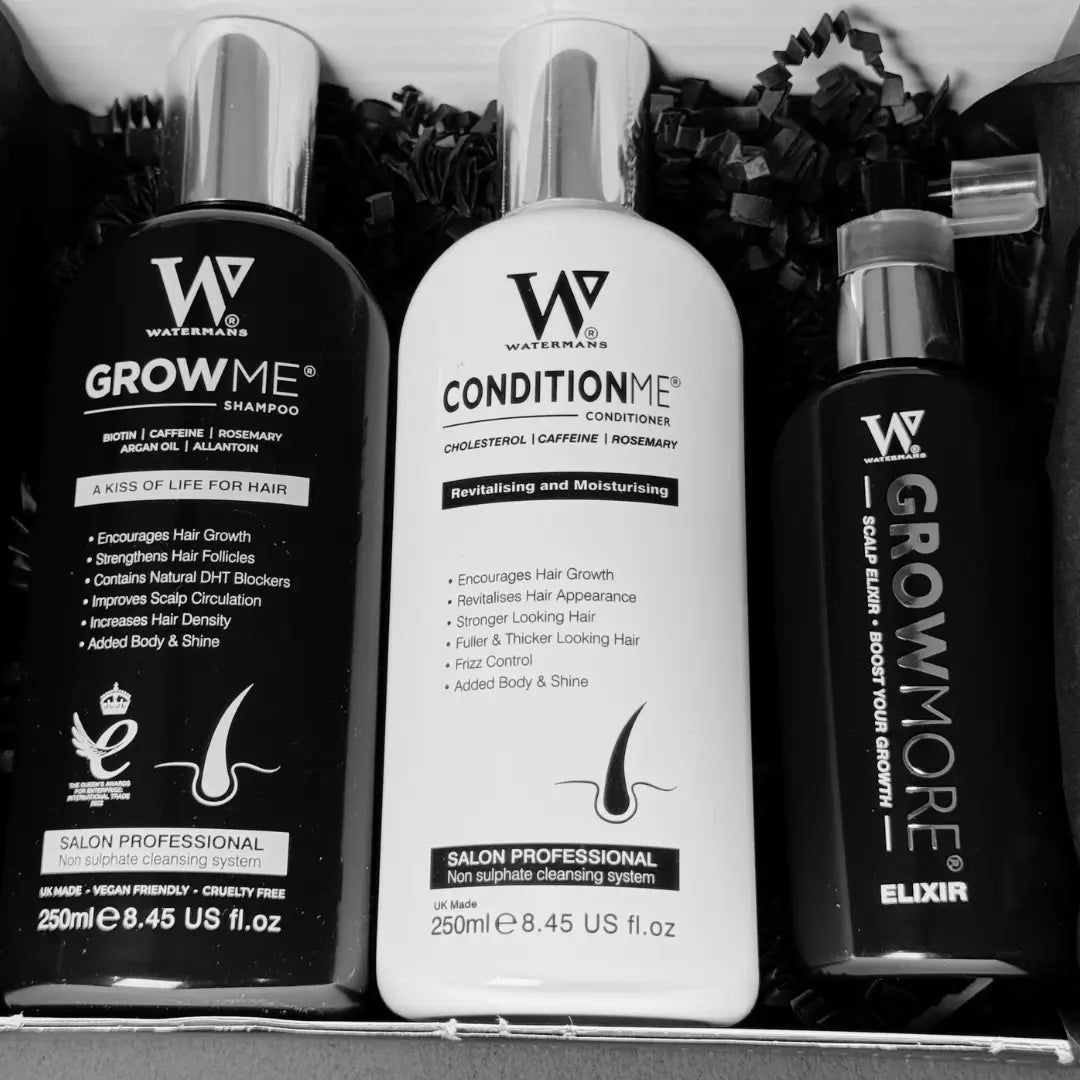
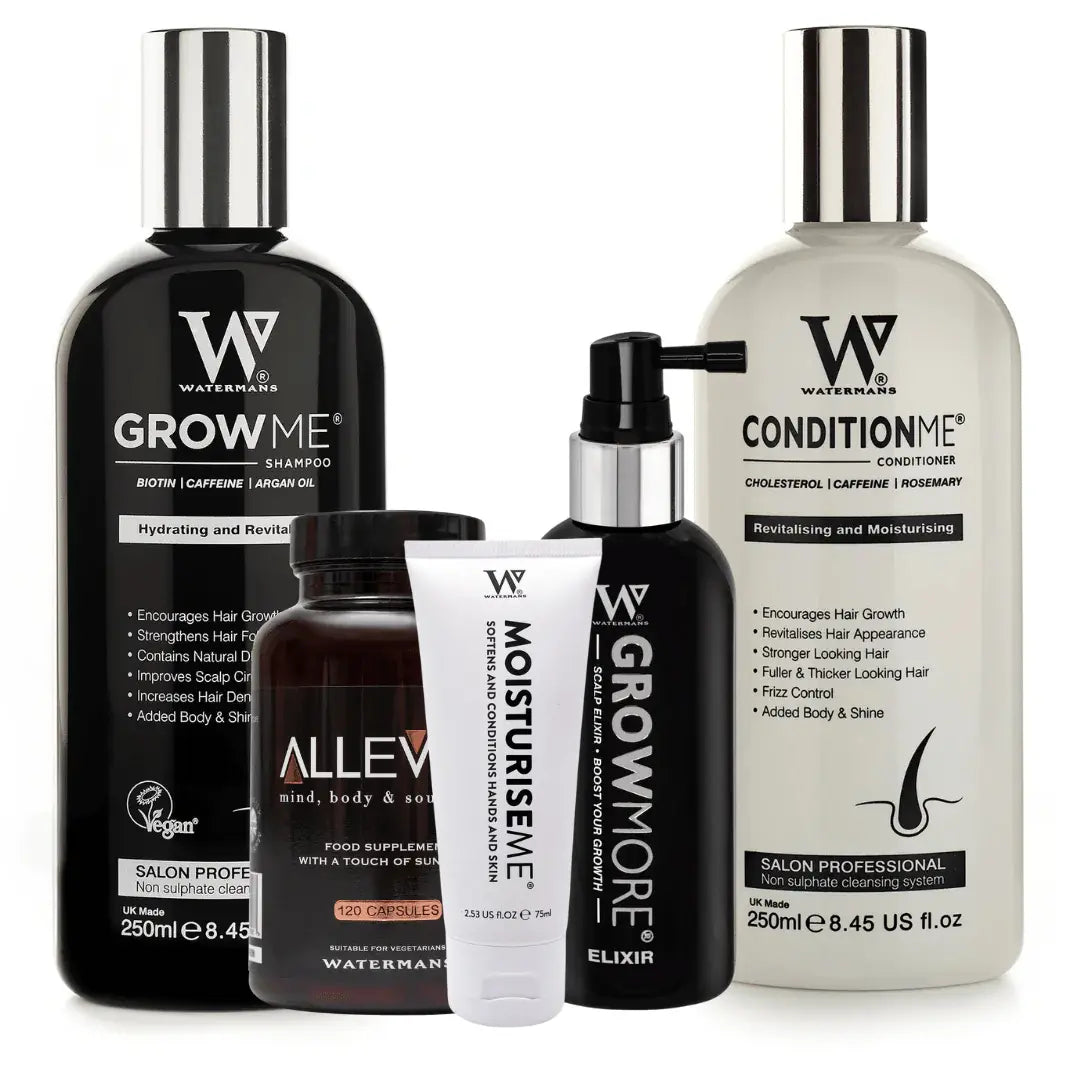
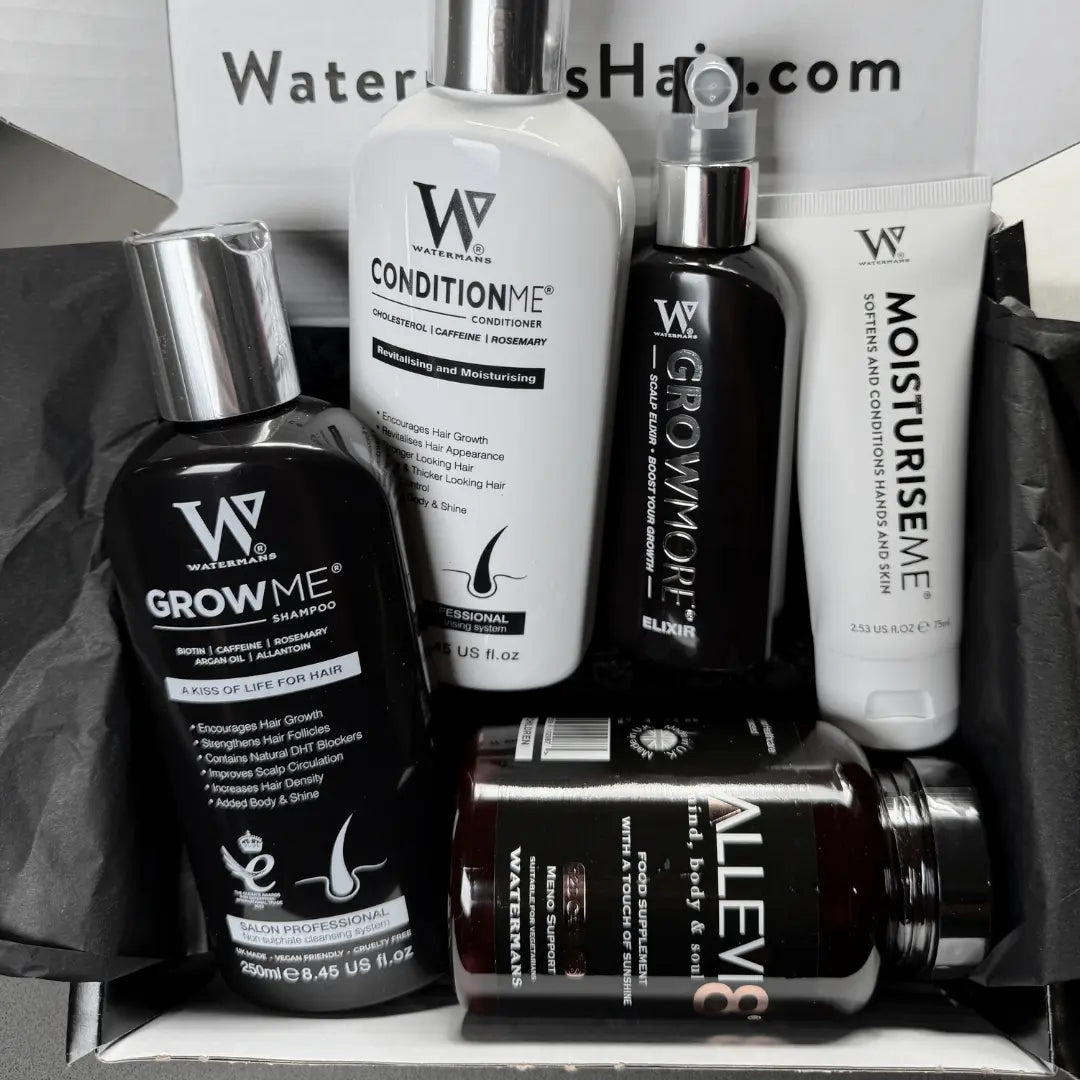
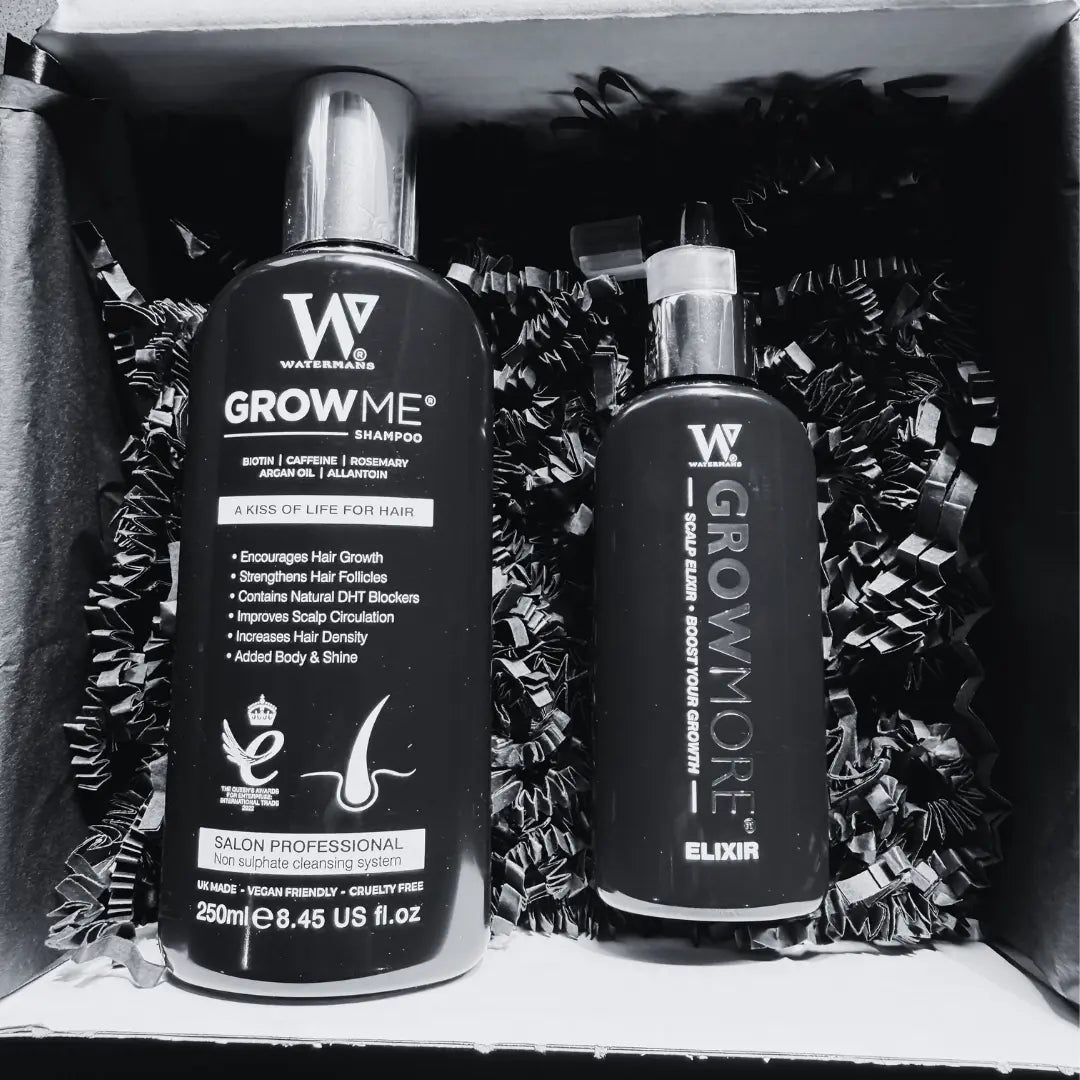
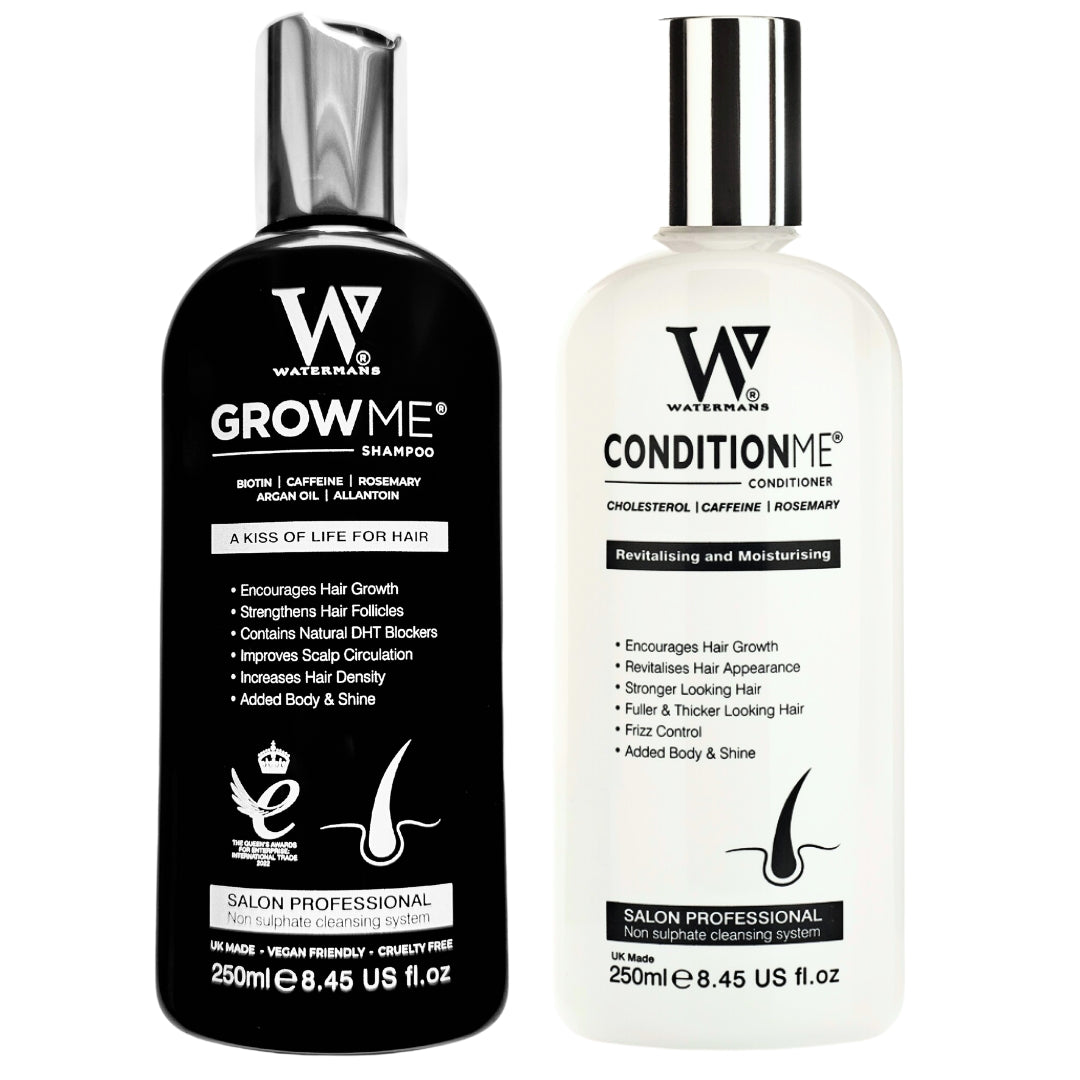
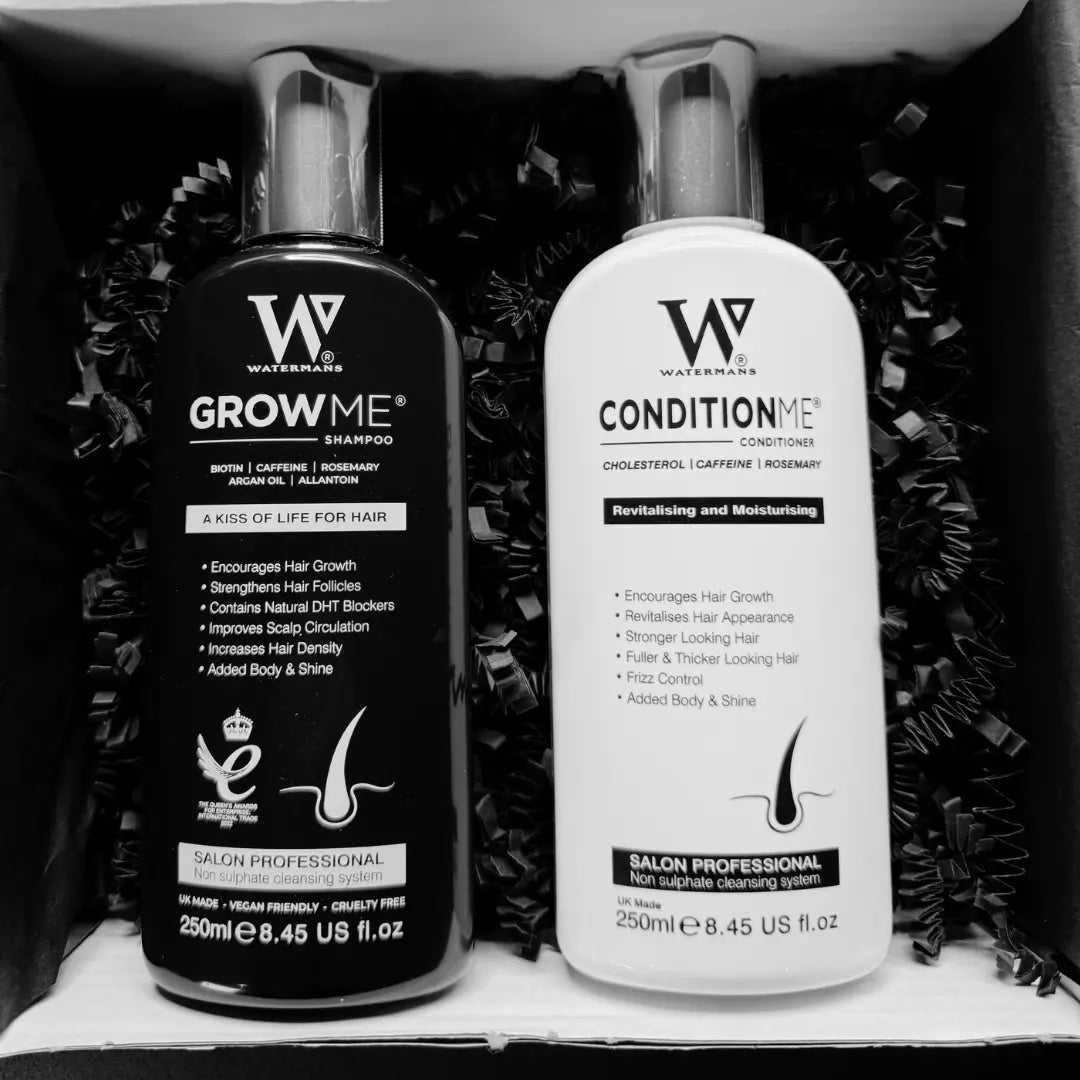
For a fuller routine, consider the Watermans Hair Survival Kit. It pairs with your shampoo and conditioner to support hair growth over time.
Evidence-Based Perspectives on Anagen Effluvium
Current research shows three main points:
1. Follicles Remain Intact
In most cases, the hair follicles are only stunned. A review in scientific journals notes that chemo-related hair loss is usually reversible. Hair regrows in most patients once treatment stops. (Source: National Center for Biotechnology Information)
2. Prevention Options Are Limited but Progressing
Scalp cooling shows promise in reducing hair loss from taxanes and anthracyclines. It does not work for everyone or every cancer type.
3. Supportive Care Remains Key
Since hair loss can rarely be fully stopped, care that supports recovery is central. This means:
- Getting ready before treatment begins
- Access to cosmetic aids (wigs, scarves, etc.)
- Using gentle hair routines during regrowth
Anagen Effluvium and Mental Health
Hair connects to identity and self-confidence. Losing hair quickly can bring strong emotions, especially with serious illness.
Some ways to ease the mental strain are:
- Counseling and support groups: Cancer centers may offer these services.
- Sharing your feelings: Talk with family and friends to feel less alone.
- Using creative styles: Try hats, scarves, or even temporary scalp art to regain control.
- Shortening hair: Cutting hair before it falls can make the change feel easier.
Your feelings are valid in this process. Seeking help shows strength.
Practical Daily Routine for Someone with Anagen Effluvium
Below is a sample routine. Adjust it to fit your needs and what your doctor advises.
Morning
- Clean your scalp with Watermans Grow Me Shampoo on wash days.
- Dry your hair gently with a soft towel.
- Use a light conditioner only on hair lengths if needed.
- If you have little or no hair, use SPF or wear a hat outdoors.
Daytime
- Wear a wig, scarf, or hat if you want.
- Choose loose headwear made from soft, breathable fabric.
- Drink water and eat a balanced diet.
Evening
- Remove wigs or coverings at home so your scalp can breathe.
- Gently massage your scalp with your fingertips to boost circulation.
- Relax with breathing exercises or gentle stretching to ease stress.
Weekly
- Check your scalp for redness or flakes, and call your dermatologist if these last.
- Trim fragile hair ends to keep your hair looking neat.
When to See a Specialist for Anagen Effluvium
Even if hair loss is common with some treatments, see a doctor if:
- Hair loss seems very severe and no clear trigger is found
- Hair falls out in patches instead of evenly
- The scalp shows inflammation, redness, or pain
- Hair does not regrow significantly 6–12 months after treatment or exposure
A hair specialist can tell the difference between anagen effluvium and other types of hair loss. They can also suggest extra help if needed.
FAQs About Anagen Effluvium
1. How long does anagen effluvium last?
The shedding phase usually starts 1–4 weeks after a trigger like chemo or radiation. Hair may begin to regrow in 1–3 months after the trigger ends. More full regrowth can take 6–12 months or longer.
2. Can anagen effluvium regrow fully, or will my hair stay thin?
Most people see near-complete regrowth because follicles are not permanently destroyed. Final hair density depends on age, genetics, treatment type, and any other conditions. Gentle scalp care and products like Watermans Grow Me Shampoo support the regrowth process.
3. What is the best natural way to help hair return after anagen effluvium?
A natural approach starts with a good diet, low stress, and a gentle scalp routine. A product like Watermans Grow Me Shampoo is a sound choice. Its blend of biotin, rosemary, caffeine, niacinamide, argan oil, allantoin, and lupin protein works to wake the scalp and boost hair volume. Pair it with the Watermans Hair Survival Kit for a full routine that supports healthy regrowth.
Key Takeaways and Next Steps
Keep these points in mind:
- Anagen effluvium is fast, even hair loss that harms hairs in the growth phase. It comes from triggers like chemo, radiation, toxins, or certain drugs.
- Most cases are temporary because the follicles are only stunned. Hair often grows back once the trigger fades.
- Scalp cooling can cut down on hair loss with some chemo treatments, but it does not suit every case.
- Gentle scalp care, a good diet, and low stress help support regrowth.
- Natural products such as Watermans Grow Me Shampoo are a good first choice to wake the scalp and add volume without extra drugs.
- See a specialist if hair does not regrow as expected or if loss occurs without a clear trigger.
If you face anagen effluvium from chemo, radiation, or another cause, work with your medical team. Seek help for both your body and your emotions. Try to upgrade your daily care with Watermans Grow Me Shampoo. For a fuller routine, check out the Watermans Hair Survival Kit. These options support your journey back to fuller, healthier hair.