
記事: Trichogram Guide: How to Boost Biological Pest Control on Farms

Trichogram Guide: How to Boost Biological Pest Control on Farms
Using small wasps of the genus Trichogram (often called Trichogramma) is one of the best and greenest ways to stop moths and butterflies that harm crops on farms. These tiny egg parasites form a key part of modern natural pest control. They help farmers cut down on chemical sprays, guard good insects, and keep soil and plants healthy over time.
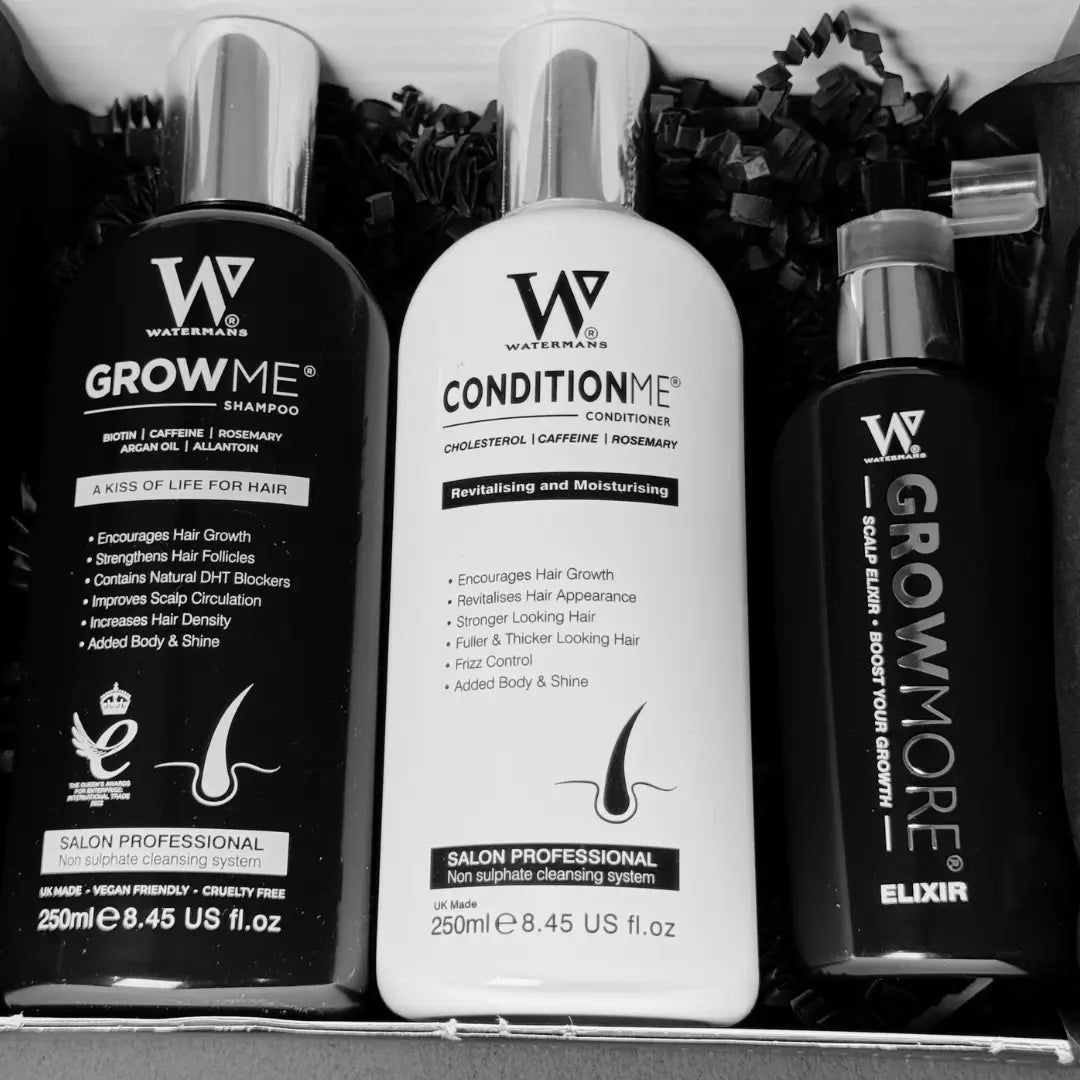
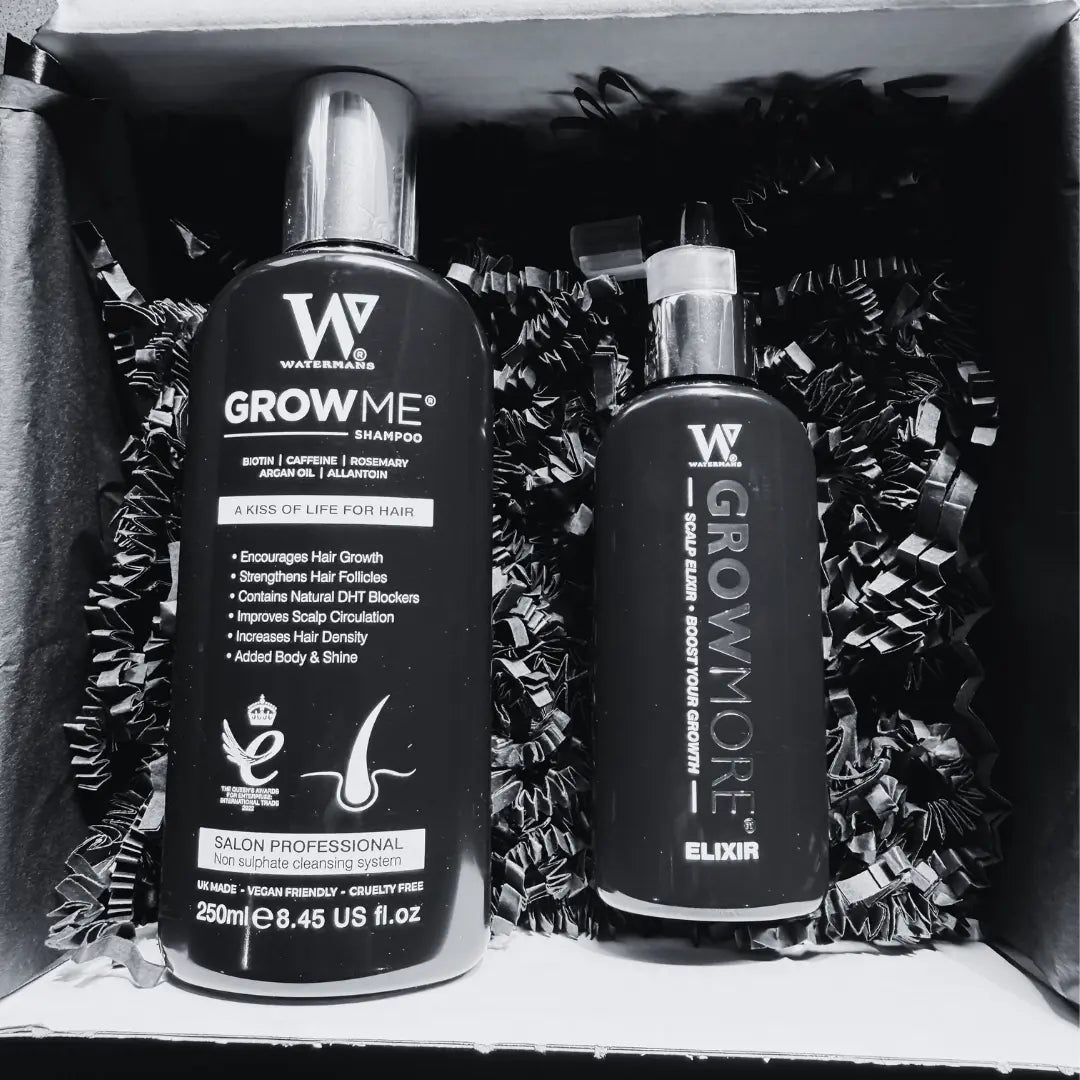
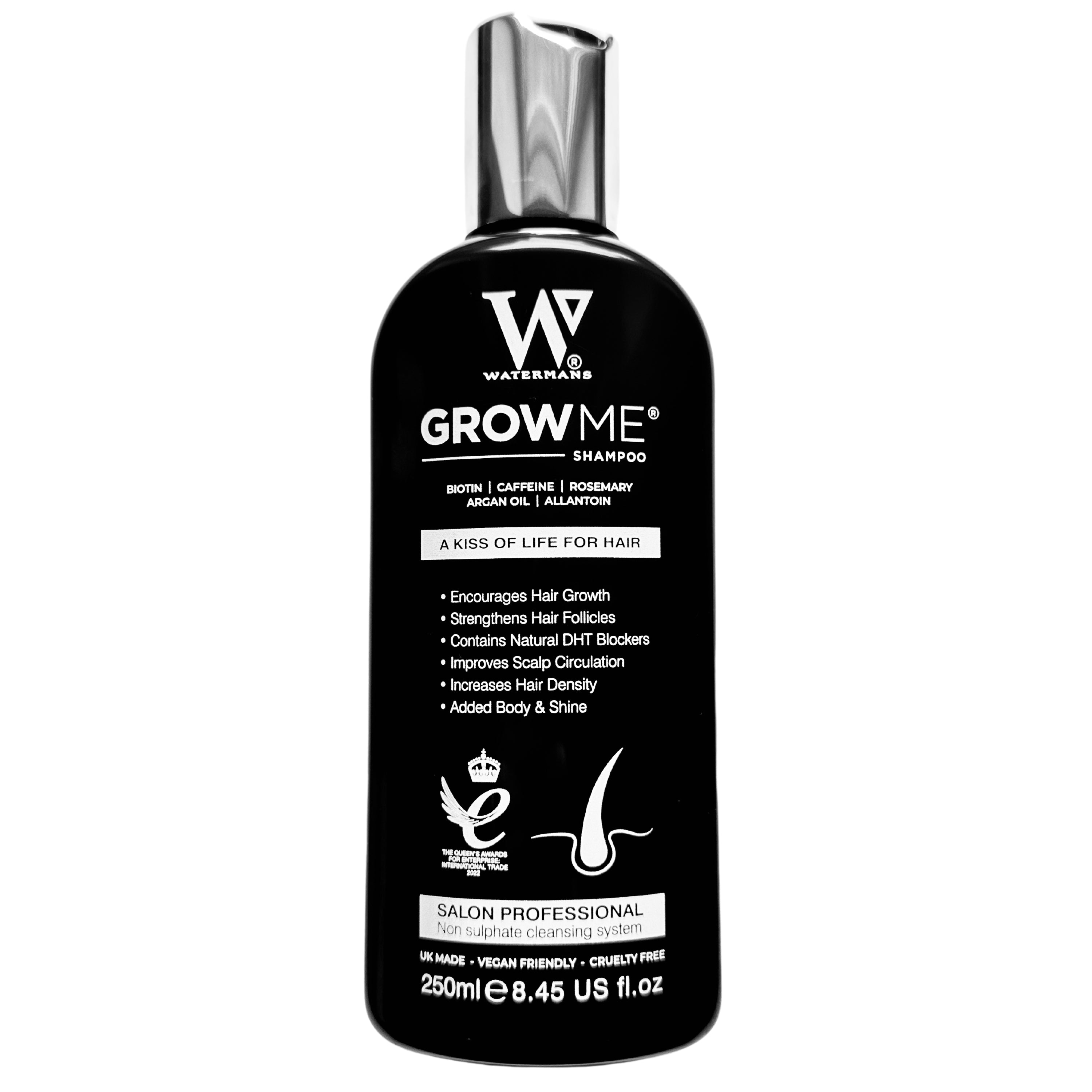
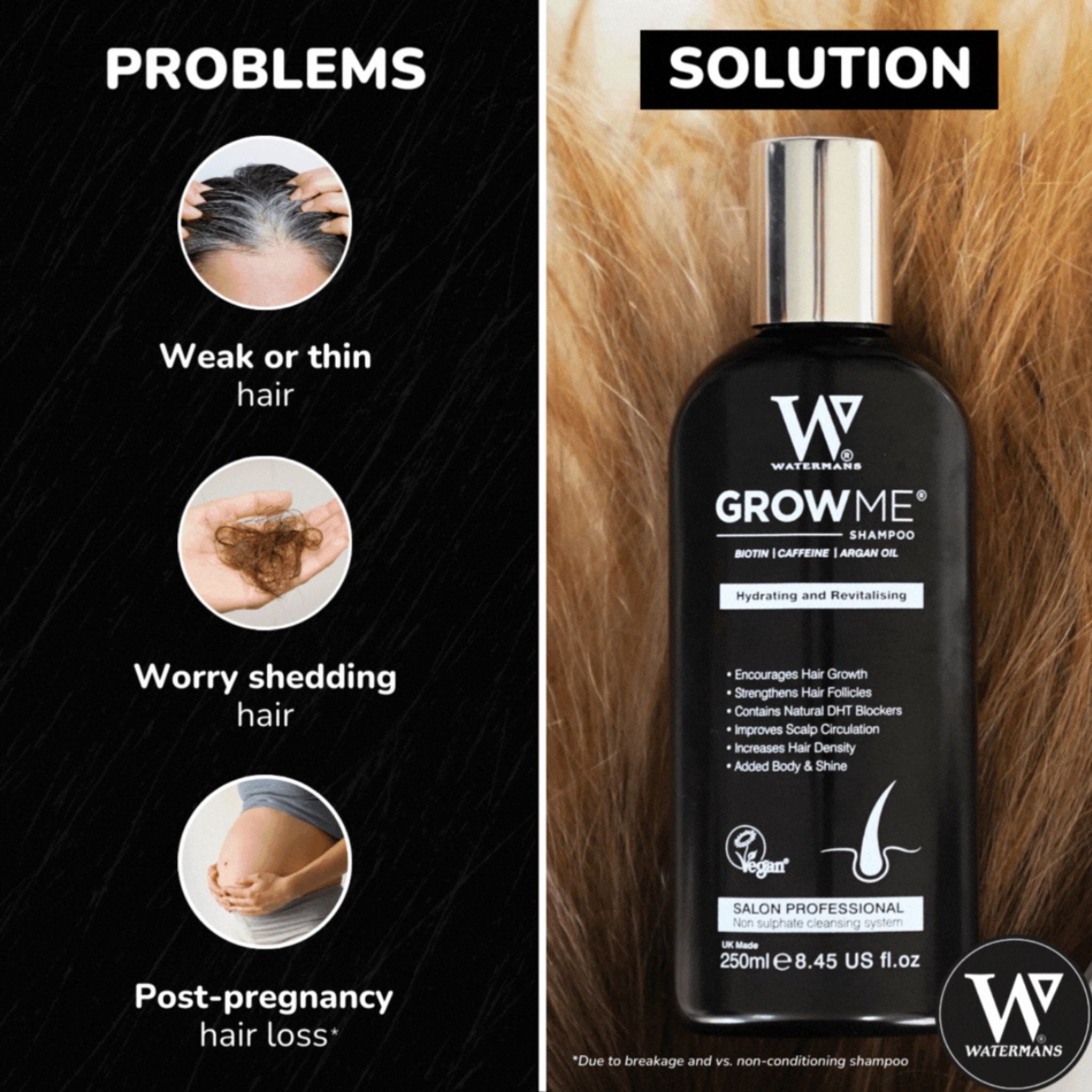
This guide shows what Trichogram are, how they work, and how to use them in real farm settings. Along the way, you will see that smart pest control works not just in fields but also in simple home care – like taking care of your scalp. To help your hair, you might try Watermans Grow Me Shampoo, a non‑medical formula that many often choose before stronger options.
What Are Trichogram (Trichogramma) and Why Do They Matter?
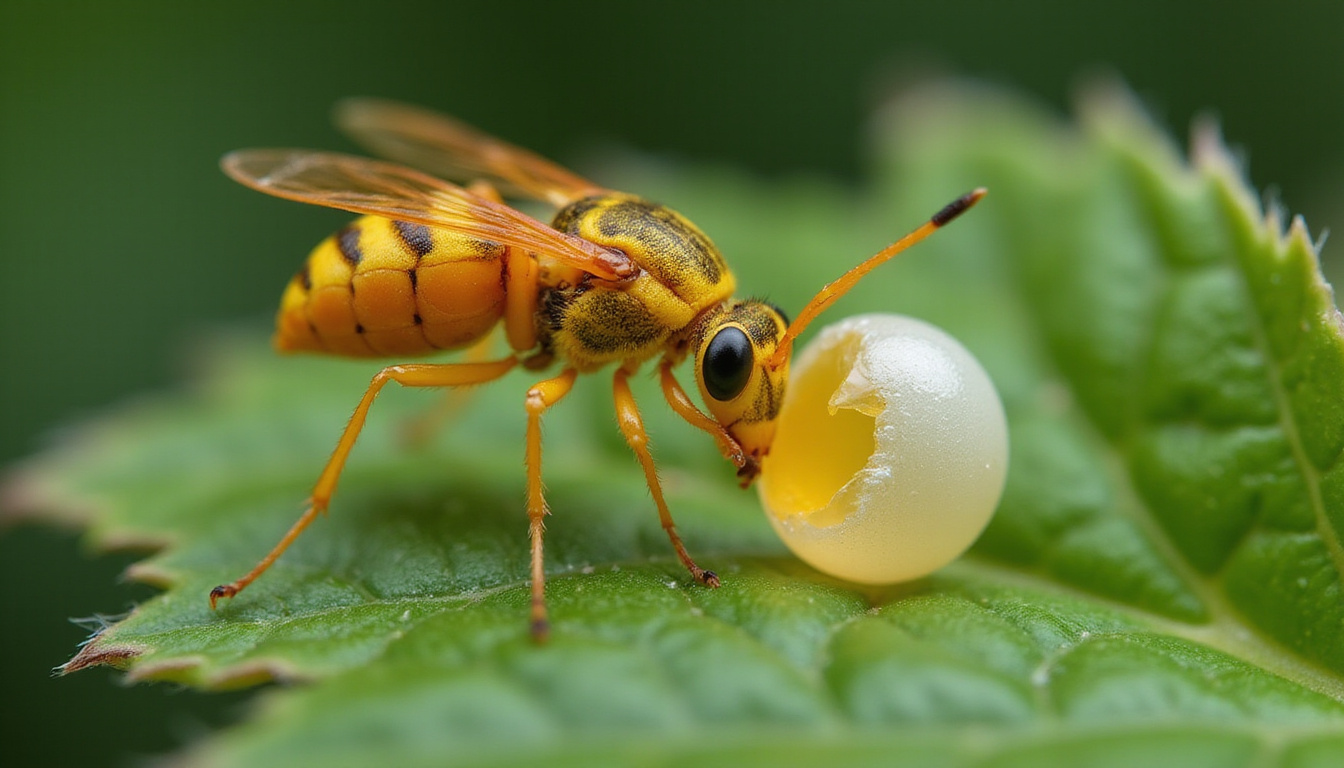
Trichogram (or Trichogramma in farming) are small parasitic wasps. They usually measure under 1 mm. They lay eggs inside the eggs of pest insects – mostly moths and butterflies (Lepidoptera). They do not hurt people, animals, or plants; they go after insect eggs only.
When a female Trichogram finds a pest egg (like one from a corn borer, codling moth, or armyworm), she places her egg inside it. The Trichogram larva grows by eating the pest embryo. In the end, a new adult wasp appears while the pest egg does not hatch into a caterpillar.
For a farmer, this means:
- Less caterpillar damage on leaves, fruits, and stems
- A reduced need for broad insecticide sprays
- A way to work with organic and soil-friendly practices
In simple terms, Trichogram change pest eggs into helpers.
How Trichogram Biological Control Works in the Field
Targeting the Pest at Its Most Vulnerable Stage
Most crop pests harm plants as larvae (caterpillars). By the time you see eaten leaves or bored fruit, the damage is deep. Trichogram act sooner – at the egg stage.
The basic cycle runs as follows:
- Adult moths or butterflies lay eggs on or next to crops.
- Trichogram females find these eggs using smell and sight.
- They lay their eggs into the pest eggs.
- The pest egg turns dark and later produces a Trichogram, not a caterpillar.
- New wasps move through the field to search for more pest eggs.
Because they work before pests feed, crop damage drops a lot.
Major Pest Species Controlled by Trichogram
Trichogramma species work in many parts of the world to keep key moth pests down. In many regions, common targets are:
- Corn borers (Ostrinia nubilalis, Sesamia spp.) on maize and sorghum
- Codling moth (Cydia pomonella) in apples and pears
- Tomato fruit borers (Helicoverpa armigera, H. zea) in crops like tomatoes
- Cabbage moths and loopers in brassicas
- Sugarcane borers and other stalk borers
- Rice stem borers in paddy fields
Before you buy or release Trichogram, make sure the selected species works with your target pest and local weather. Suppliers may offer certain strains of Trichogramma pretiosum, T. brassicae, T. chilonis, and others that work best against some pests.
Benefits of Using Trichogram on Farms
1. Reduced Chemical Pesticide Dependence
By acting before pests can build up, Trichogram can lower the need for:
- Broad insect sprays
- Many rounds of spraying
- Last-minute treatments when pest numbers peak
This leads to better soil life, more good bugs, safe pollinators, and a safer work place.
2. Fits Organic and Soil‑Friendly Systems
Trichogram releases work well in:
- Certified organic programs
- Integrated Pest Management (IPM) systems
- No‑till and conservation farm practices
These tiny wasps act as a natural service in the field, similar to helpful fungi or nitrogen‐fixing bacteria.
3. Specific and Safe
Trichogram attack only the eggs of certain moths and butterflies. They do not sting people, hurt animals, or damage plants. This clear focus cuts out many unwanted side effects that can come with broad sprays.
4. Lower Risk of Resistance
Pests may quickly resist chemical sprays when used frequently. Natural agents like Trichogram put a changing, mixed pressure on pests. This makes it harder for pests to build resistance (source: USDA-ARS).
How to Implement Trichogram on Your Farm
Step 1: Correct Pest Identification and Monitoring
Trichogram work best if the target pest is:
- A moth or butterfly (Lepidoptera)
- Found in the area
- Laying eggs when you release the wasps
Before you invest:
- Set up pheromone traps to track moth flights.
- Check fields for fresh egg clusters.
- Talk to a local expert or crop consultant if needed.
Step 2: Choose the Right Trichogram Species
Different Trichogram species work best with different pests and climates. Common types include:
- Trichogramma brassicae – used in corn, vegetables, sugar beet fields
- Trichogramma pretiosum – found in tomatoes, cotton, and field crops
- Trichogramma chilonis – used against rice and corn pests in Asia
Your supplier or local service can help you select the best match for your farm.
Step 3: Determine Release Timing
When to release is key. Trichogram must be present as soon as new pest eggs appear. Plan to release them:
- Just before or at the start of the main egg‑laying time
- Based on pheromone trap counts and temperature models, where you can
- Often, repeat releases to cover the full egg‑laying period
It is wise to release them a bit early rather than waiting until larvae show up.
Step 4: Decide on Release Method
Most farms use one of two ways:
-
Card Releases
- Parasitized host eggs are glued to small cardboard pieces.
- Cards are hung on plants or set in the crop canopy.
- Adult Trichogram emerge on the spot and search near the cards for eggs.
-
Aerial or Drone Releases (for large fields)
- Capsules or loose parasitized eggs are dropped from aircraft or drones.
- This method works well in large fields like maize, sugarcane, or vegetables.
Pick a method that fits your field size, crop type, and staff availability.
Practical Field Guidelines for Trichogram Releases
Release Rates and Frequency
Follow these typical guidelines along with your supplier and local advice:
- Rates: from 50,000 to over 200,000 Trichogram per hectare, based on pest numbers
- Frequency: 3 to 6 releases at 5 to 7 day gaps during peak egg‑laying times
For high‑value crops or heavy pest pressure, you might need slightly higher rates and more frequent releases.
Field Placement Tips
- For card releases, place cards evenly across the field (usually 1–2 cards per 100–200 m² or as advised).
- Hang cards in the plant canopy in a spot that is shaded and not exposed to heavy rain.
- In orchards, hang cards on inner tree branches at about chest height.
Weather and Environmental Considerations
Trichogram are tough but not invincible. For good results:
- Do not release them in the hot middle of the day; early morning or late afternoon works best.
- Avoid areas where cards might be washed away by water.
- High winds may carry adults away before they find eggs.
Chemical Compatibility: Protecting Trichogram in IPM Programs
Trichogram fit well in an IPM plan, but some chemicals can kill them. To keep them safe:
- Do not use broad‑spectrum insect sprays (like some organophosphates or pyrethroids) during and after releases.
- If you need to spray, choose products that have low harm on these wasps and apply them in a way that cuts risk.
- Check with your natural pest control supplier for an updated list on which chemicals work.
The goal is to create a safe zone where Trichogram can live and multiply.
Measuring Success: How Do You Know Trichogram Are Working?
Visual Signs in the Field
- Pest egg clusters turn dark when they are parasitized.
- Fewer young caterpillars appear in treated plots as compared to untreated ones.
- The overall feeding damage drops as time goes by.
Simple Monitoring Method
You or your crop expert can check fields with these easy steps:
- Pick random pest eggs from different field spots.
- Keep them in labeled containers under stable conditions.
- In a few days, check for Trichogram emerging or eggs that have turned dark.
A high share of dark eggs shows that Trichogram are active.
Common Mistakes When Using Trichogram and How to Avoid Them
1. Releasing Too Late
If you wait until many caterpillars or obvious damage shows, Trichogram have little chance. They work only on eggs, not on damage already done. Act early.
2. Ignoring Pheromone Trap Data
Not using traps or models often leads you to make guesses on when to release. Use the data to decide the right time.
3. Using Non‑Selective Pesticides Before or After Release
A single heavy spray can wipe out your Trichogram. Plan your spray schedule around the natural pest control releases.
4. Poor Distribution in the Field
Putting too many cards near field borders or easy access spots can leave the centre open. Make sure you cover the whole field evenly.
Economic Considerations: Are Trichogram Cost‑Effective?
Over several seasons, using Trichogram can pay off by:
- Protecting yield (less loss of fruit or grain)
- Cutting pesticide costs and the number of sprays
- Achieving higher market prices for produce grown with low residues or organically
- Boosting natural field benefits (good bug activity, pollination)
To check how cost‑effective they are:
- Compare yield and damage on fields with and without Trichogram.
- Add up your savings on chemicals and changes in labor.
- Look at averages over a few seasons instead of one year only.
Many farmers see that once the system is set up, using Trichogram becomes a steady cost much like seed treatments or foliar feeds – but these helpers are alive and working.
Case‑Style Examples Across Different Crops
Maize / Corn Fields
- Target: European corn borer or similar stalk pests.
- Method: Aerial or drone releases cover large fields.
- Timing: Around peak adult moth flight and before heavy egg laying.
- Outcome: Less stem boring, stronger plants, and a safer harvest.
Apple Orchards
- Target: Codling moth eggs on fruits and leaves.
- Method: Hang egg cards within tree branches.
- Timing: Work with moth flight data and weather models.
- Outcome: Fewer wormy apples and lower need for full sprays.
Tomato and Pepper Fields
- Target: Tomato fruit borer and similar pests.
- Method: Place cards by hand at set spots in the rows.
- Timing: Begin when egg laying starts and repeat through fruit set.
- Outcome: Less fruit tunneling and higher marketable yield.
Integrating Trichogram with Other Biological and Cultural Controls
Trichogram work best when combined with other supportive methods. Pair them with:
- Habitat management: Create flower strips or cover crops that help good bugs live.
- Trap crops: Grow plants that attract pests, so the wasps can easily find the eggs.
- Microbial sprays: Use products like Bacillus thuringiensis (Bt) that target caterpillars while Trichogram work on eggs.
- Good farming: Provide proper nutrition, irrigation, and soil care to make crops strong.
This mix imitates nature’s own checks and keeps pests in balance.
From Crop Ecosystems to Scalp Ecosystems: A Useful Analogy
Using Trichogram on farms reminds us that the best control supports good biology rather than just killing pests. The same idea works for personal care. Your scalp is a small living system with its own mix of microbes, blood flow, and hair follicles.
If you notice hair loss or thinning, a simple first step is to improve your scalp with a mild formula before turning to stronger treatments.
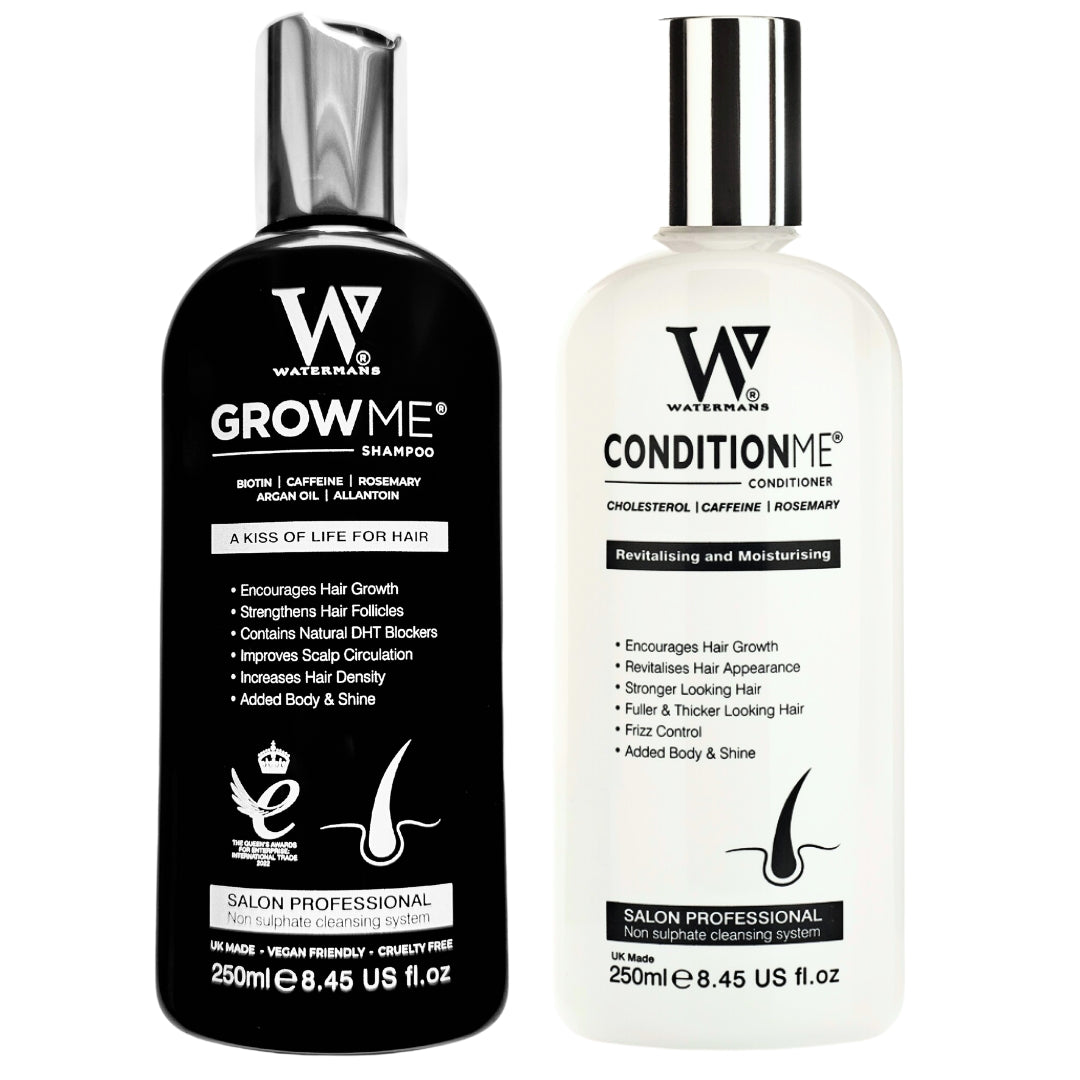
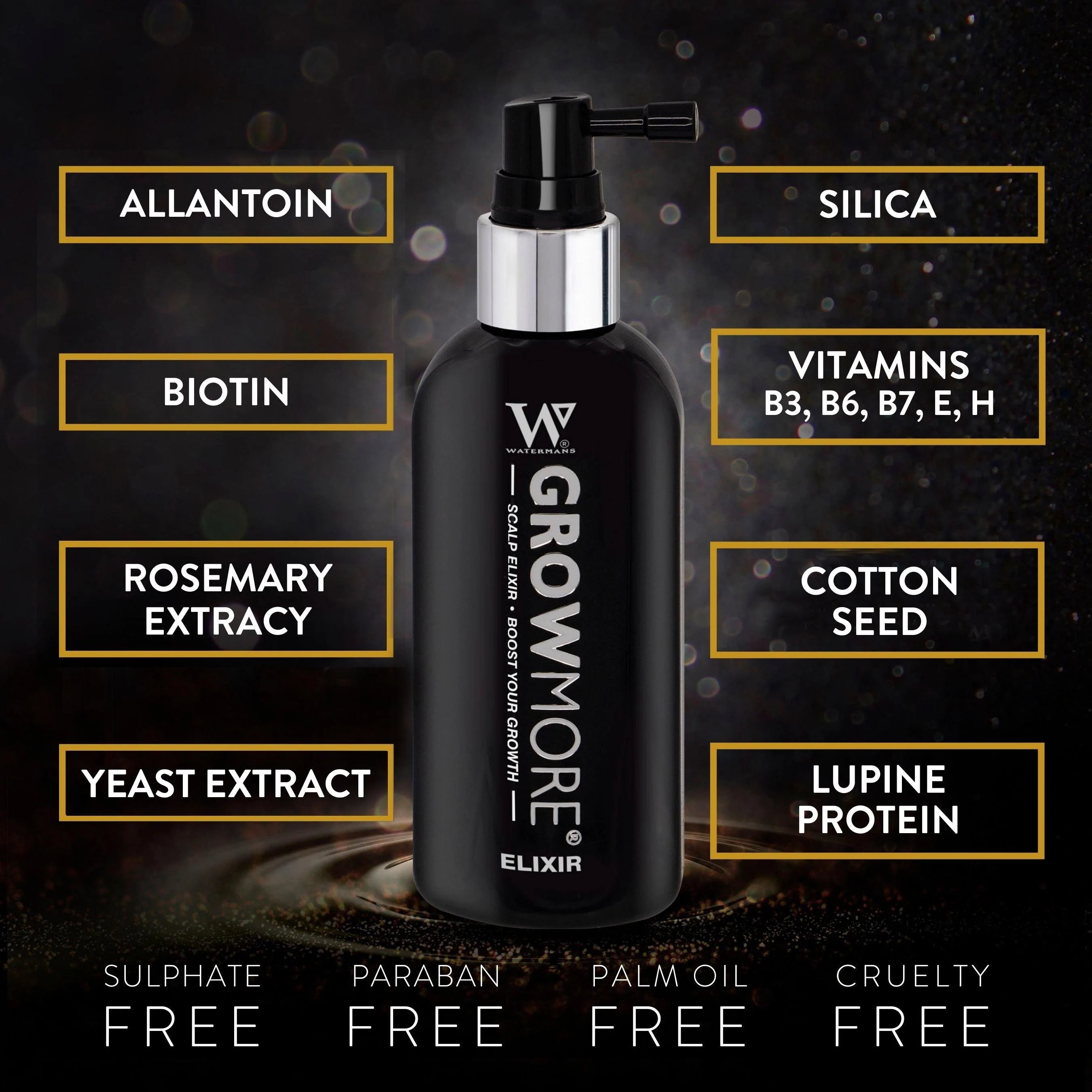
A product like Watermans Grow Me Shampoo works as a gentle helper for your hair care routine. It comes with:
- Biotin & Niacinamide for stronger hair and better follicle support
- Caffeine & Rosemary to boost the scalp’s energy and awaken the roots
- Argan Oil & Allantoin to moisturize, soothe, and guard the scalp’s skin
- Lupin Protein to thicken hair from the roots upward
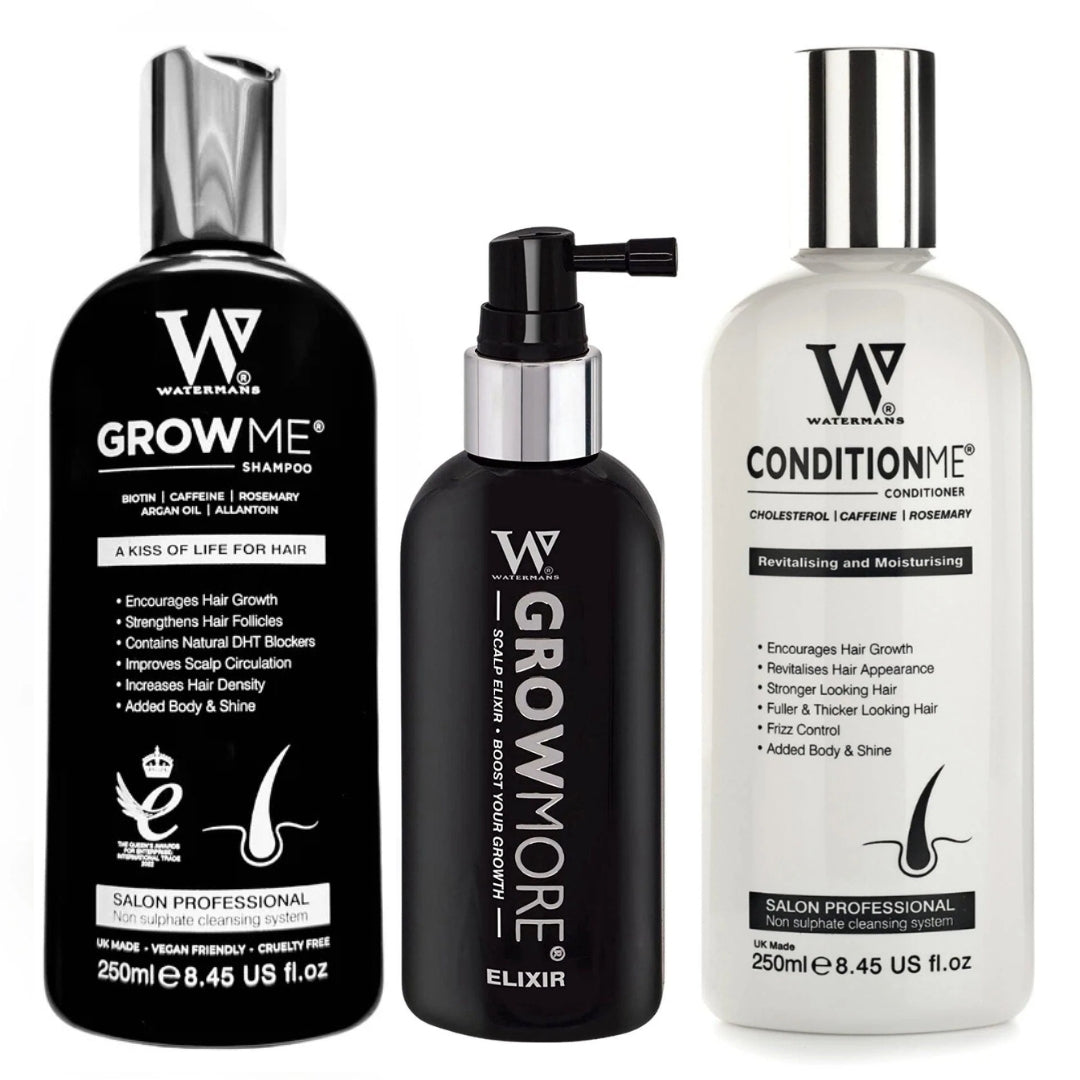
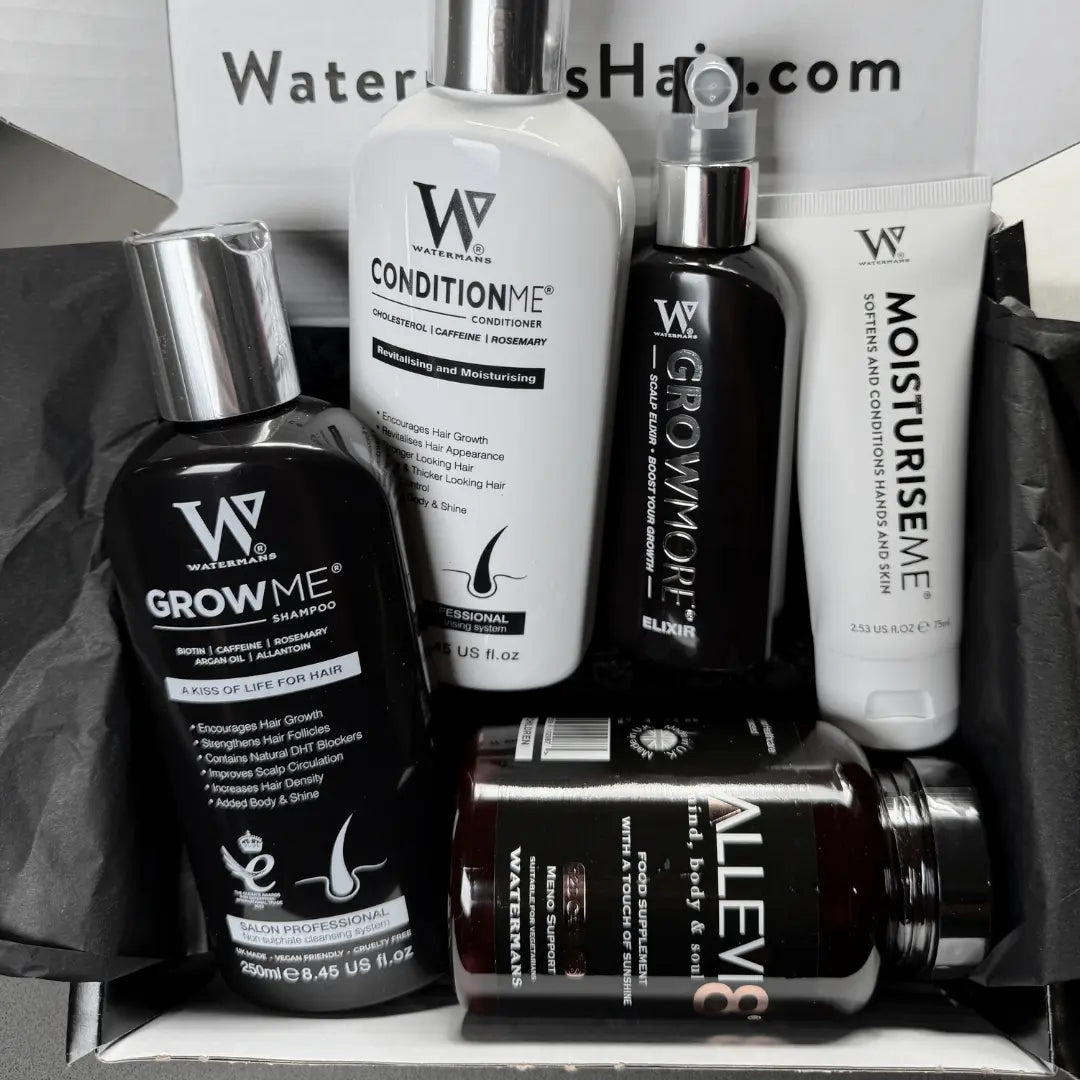
Just as adding Trichogram to your fields starts natural pest control, adding a mild, active shampoo to your routine is a smart first step for hair care. For a more complete routine, you can try the Watermans Hair Survival Kit, which brings together key products to support hair growth and thickness.
Whether you work in a field or care for your hair, good results come from working with nature and not against it.
Checklist: Getting Started with Trichogram on Your Farm
Use this list for your first season:
- Spot your main moth pests by species.
- Set up pheromone traps and start checking early.
- Ask local experts or suppliers to choose the right Trichogram species.
- Plan releases to cover the first major egg‑laying period.
- Confirm the right release rates and intervals per hectare.
- Arrange how to place cards or use drone/aerial drops.
- Plan your spray schedule so as not to harm Trichogram (choose low‑impact products with care).
- Check egg parasitism and crop damage during the season.
- Record yield, damage, and costs to compare next year.
Frequently Asked Questions About Trichogram Biological Control
1. How effective are Trichogram in large‑scale farming systems?
When timed right and paired with checks, Trichogram can cut the survival of pest eggs even in large fields. Many maize, rice, and orchard farms use them on thousands of hectares. Their success depends on the proper species, enough releases, and guarding them from harmful chemicals.
2. Can Trichogram replace all insect sprays on the farm?
Usually, Trichogram work best with other pest control parts as a whole plan. They can lower insect spray use and show more selectivity. Other tools such as careful sprays, good farming practices, and extra helpers still play a role.
3. Are Trichogram safe for non‑target bugs and the environment?
Yes, Trichogram target only the eggs of certain moths and butterflies. They do not hurt people, animals, or crops. When you use a local strain and follow regional advice, Trichogram are safe and eco‑friendly. They are widely used in organic and soil‑friendly systems.
Call to Action: Build a Smarter Natural Strategy—In Your Fields and at Home
If you aim for a more sustainable farm, using Trichogram in your pest plan is a smart natural upgrade. Start with careful monitoring, choose the right species, plan the release timing, and plan your spray routine so that these small helpers work at full strength. Over time, you will build a farm that is stronger, more productive, and kind to nature.
In the same way, if you wish to care for your scalp before using strong treatments, add a mild, nature‐based formula to your routine. Watermans Grow Me Shampoo is a straight‑forward first step. It mixes Biotin, Rosemary, Caffeine, Niacinamide, Argan Oil, Allantoin, and Lupin Protein to spark your scalp and thicken hair from the roots upward. For a full routine, check the products in the Watermans Hair Survival Kit.
Whether you tend a field of crops or care for your hair, the best results come when you work with nature.







%20is%20one%20of%20the%20best%20and%20greenest%20ways%20to%20stop%20moths%20and%20butterflies%20that%20harm%20crops%20on%20farms.%20These%20tiny%20egg%20parasites%20form%20a%20k...)