Treating hair loss during menopause
Treating hair loss during menopause is about much more than what you see in the mirror. For many women, thinning hair in perimenopause and menopause can affect confidence, mood, and how “like yourself” you feel day to day. The good news is that there are practical, evidence-informed ways to slow shedding, support regrowth, and make the hair you have look and feel fuller.
In this guide, we’ll unpack why menopause can trigger hair changes, the difference between “normal” shedding and female pattern hair loss, and how a targeted routine of scalp care, lifestyle habits, and medical options can help. We’ll also look at how specialist haircare from brands such as Watermans Hair can sit alongside advice from your GP or dermatologist to support thicker, healthier-looking hair.
Why does menopause cause hair loss or thinning?
Menopause is a natural life stage, but the shifting hormones behind it can have a big impact on the hair follicle. Oestrogen and progesterone usually help keep hairs in their growth phase for longer, which is why many women enjoy thicker hair in their reproductive years. As these hormones decline and the balance with androgens (like testosterone and DHT) changes, the growth phase can shorten and more hairs may shed at once.
Common menopause-related hair changes include:
- Diffuse thinning across the top of the scalp
- A wider parting or more visible scalp at the crown
- A thinner ponytail or less overall volume
- More hairs in the brush, shower, or on your pillow
- Hair that feels drier, more brittle, or breaks easily
Some women also live with female pattern hair loss (also called androgenetic alopecia), a common hereditary condition where follicles gradually miniaturise, producing finer, shorter hairs over time. Menopause can accelerate this underlying tendency, which is why thinning often becomes more noticeable in your 40s and 50s.
Other triggers that can worsen menopause hair loss
Hormones may be the spark, but several other factors can pour fuel on the fire:
- Stress: Big life changes, poor sleep, or chronic stress can push hairs into a shedding phase.
- Nutrient gaps: Low iron, ferritin, vitamin D, B12, or protein may all play a role in hair health.
- Thyroid and other medical conditions: Underactive or overactive thyroid, autoimmune issues, and chronic illnesses can all affect hair.
- Medications: Some blood pressure drugs, acne or mood medicines, and others list hair loss as a side effect.
- Harsh styling and chemical damage: Bleach, very tight styles, and intense heat can cause breakage that mimics thinning.
Because multiple factors often overlap, it’s worth speaking to a healthcare professional, especially if hair loss is sudden, patchy, or accompanied by other symptoms like fatigue, heavy periods, or changes to your skin.
Is menopause hair loss permanent?
Many women worry that once hair starts thinning, it will never come back. In reality, there are different patterns of hair loss during menopause:
- Temporary shedding (telogen effluvium): Often triggered by stress, illness, surgery, severe dieting, or major hormonal shifts. Once the trigger is dealt with, shedding tends to settle and regrowth can follow over several months.
- Female pattern hair loss (FPHL): Typically gradual, with thinning on the top and crown. This is often long term but can be slowed and partially reversed with consistent treatment.
- Scarring alopecias: Less common but serious, where inflammation damages follicles permanently and early diagnosis is vital.
A clinician can help distinguish between these types by examining your scalp and, in some cases, running blood tests or arranging a biopsy.
Evidence-based medical options for menopause hair loss
Any treatment plan should start with a proper assessment – particularly to rule out thyroid problems, iron deficiency, vitamin D deficiency, and other underlying causes. From there, your GP, dermatologist, or menopause specialist may discuss:
- Topical minoxidil: One of the most researched treatments for female pattern hair loss, available in solutions and foams applied directly to the scalp. It works by supporting blood flow and prolonging the growth phase of hair. It usually needs to be used consistently for several months and continued to maintain benefits.
- Hormone replacement therapy (HRT): For women who are suitable candidates, HRT can relieve symptoms like hot flushes, sleep disturbance, and mood changes – and some notice an improvement in hair quality when their hormones stabilise.
- Treating underlying conditions: Addressing thyroid imbalance, managing PCOS, correcting anaemia or vitamin deficiencies, or adjusting medications can all help reduce shedding.
- Prescription treatments: In selected women under specialist care, additional medicines may be used; your clinician will discuss risks, benefits, and off-label use where relevant.
Government-backed resources such as MedlinePlus guidance on hair loss explain that hormone-related shedding often improves over time, but ongoing support for the follicles is important.
How specialist haircare fits in: supporting your scalp and strands
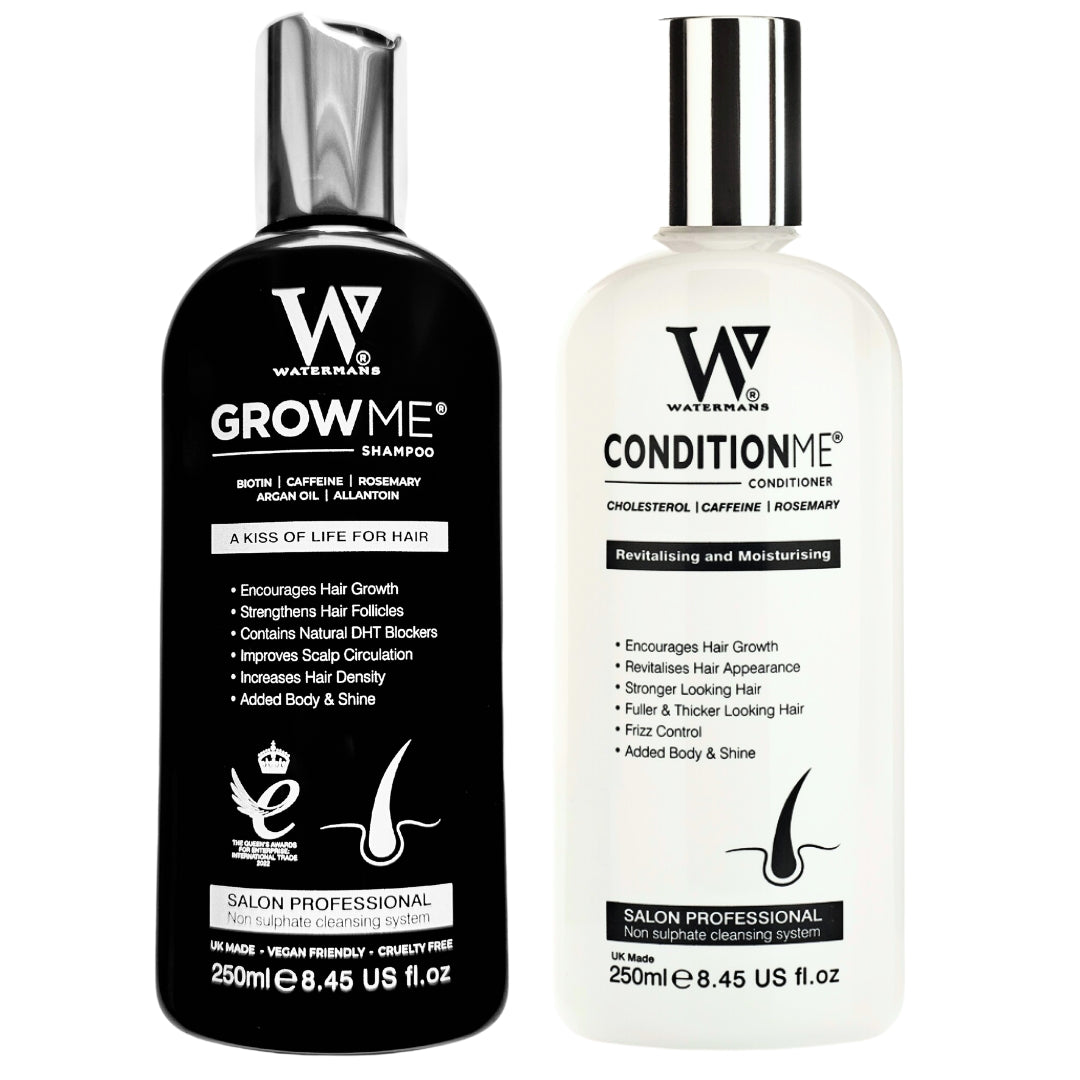
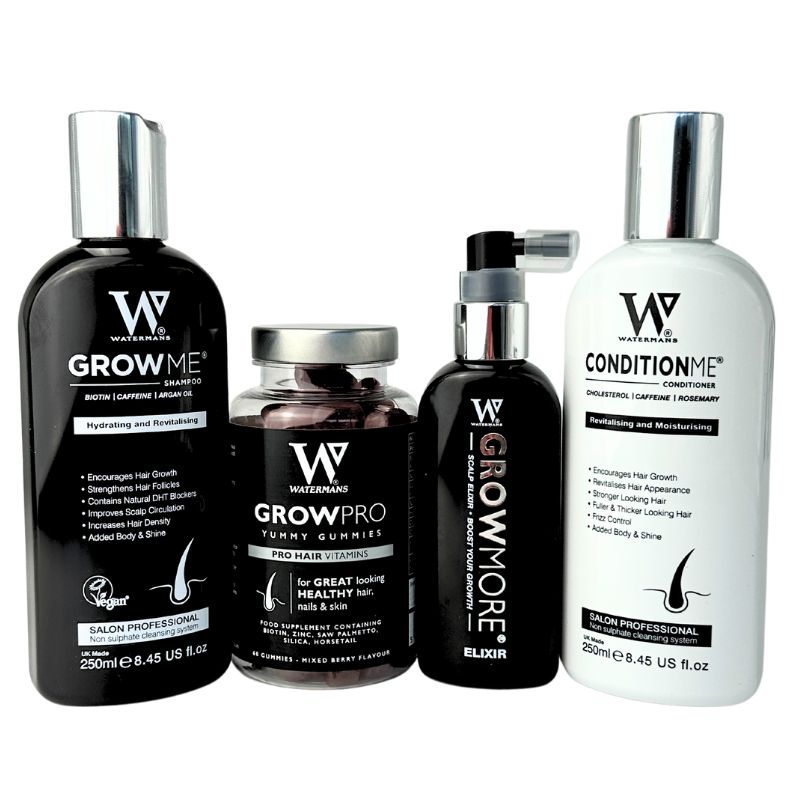
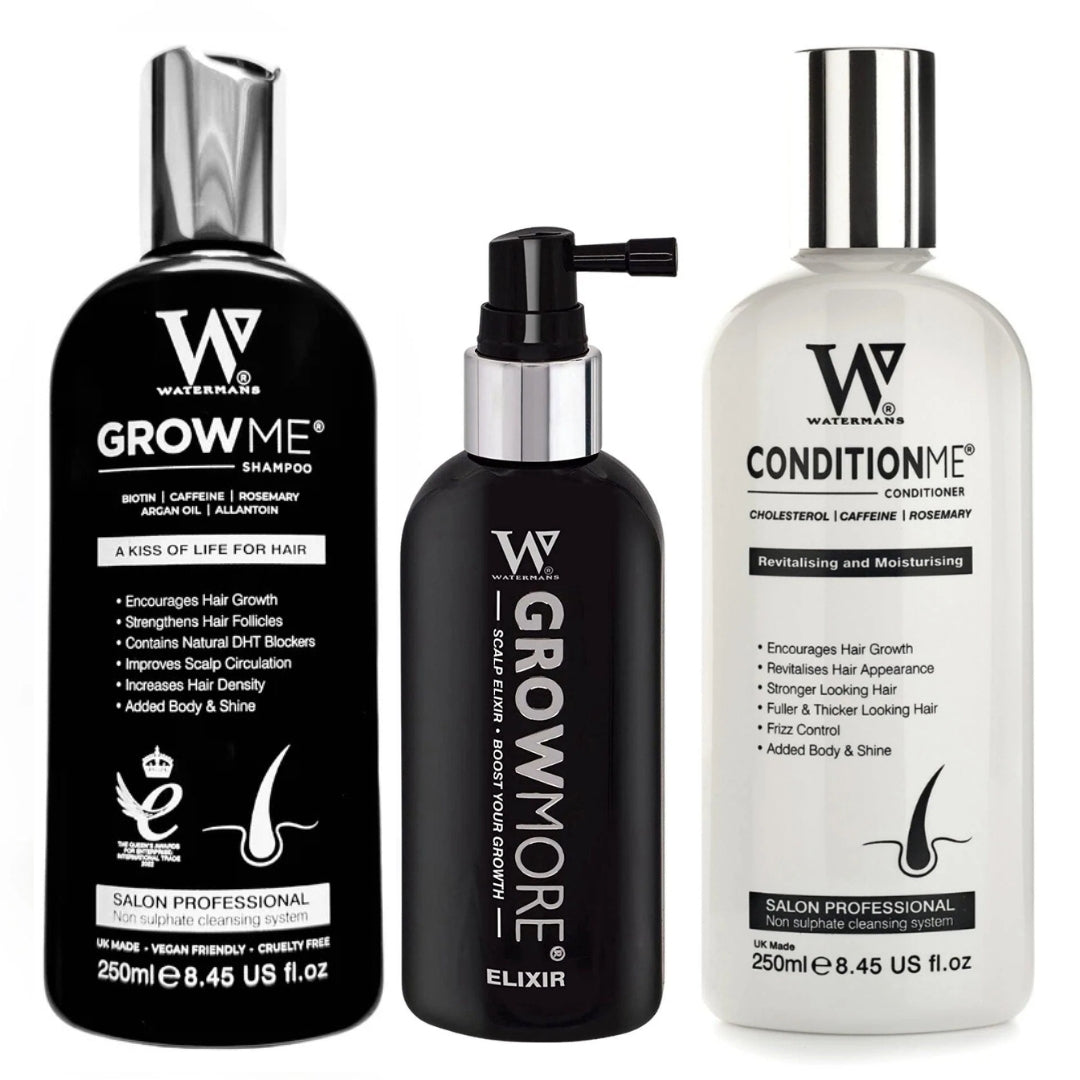
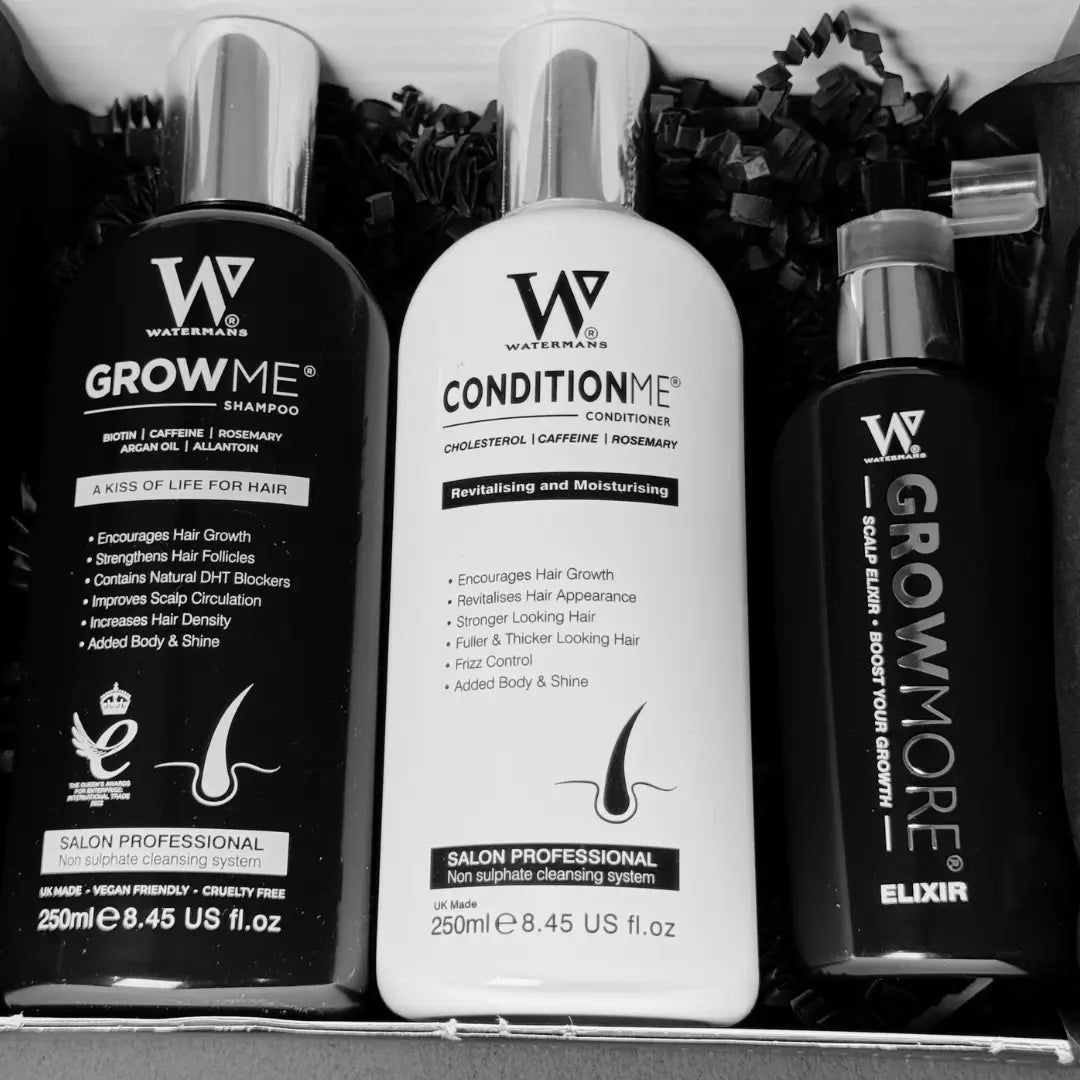
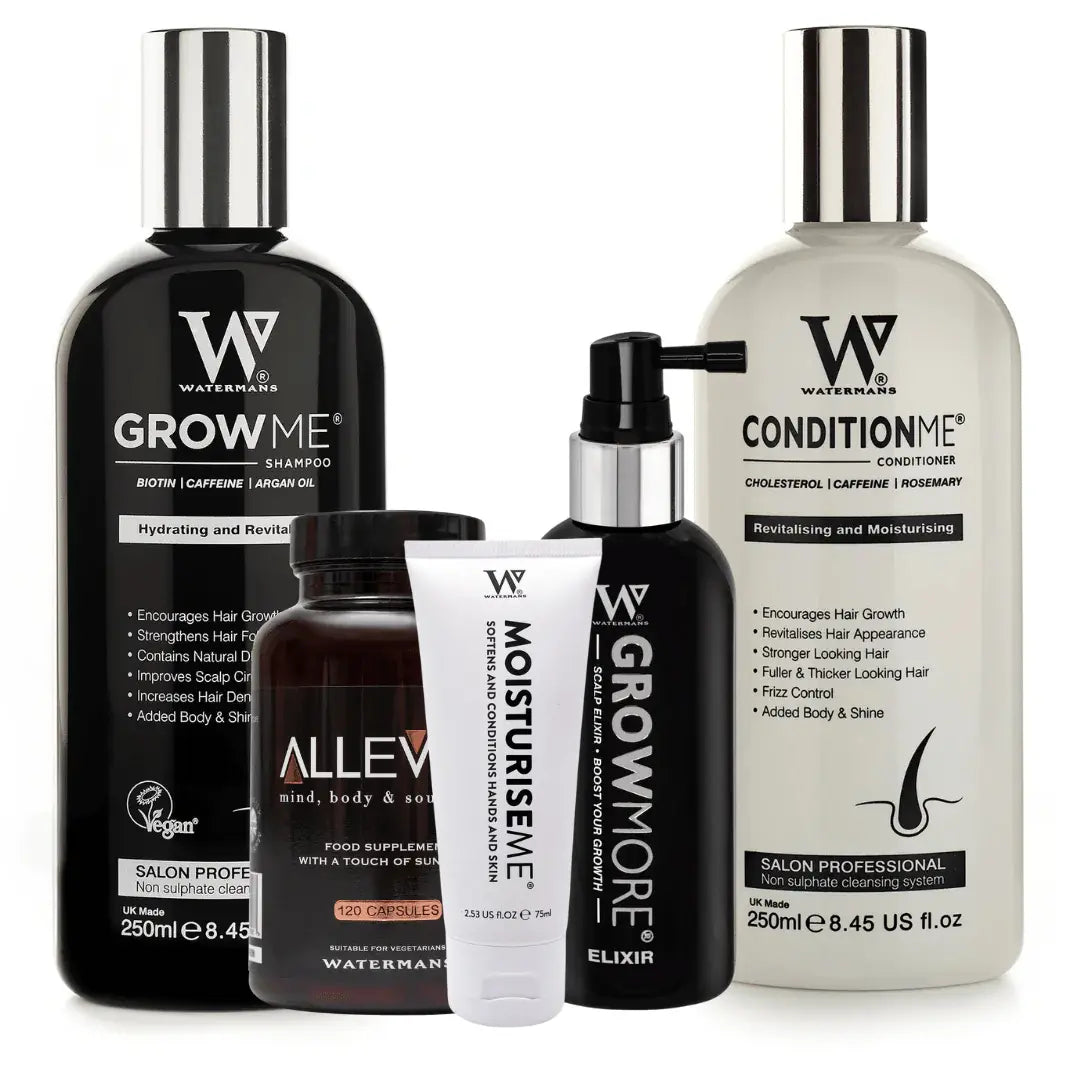
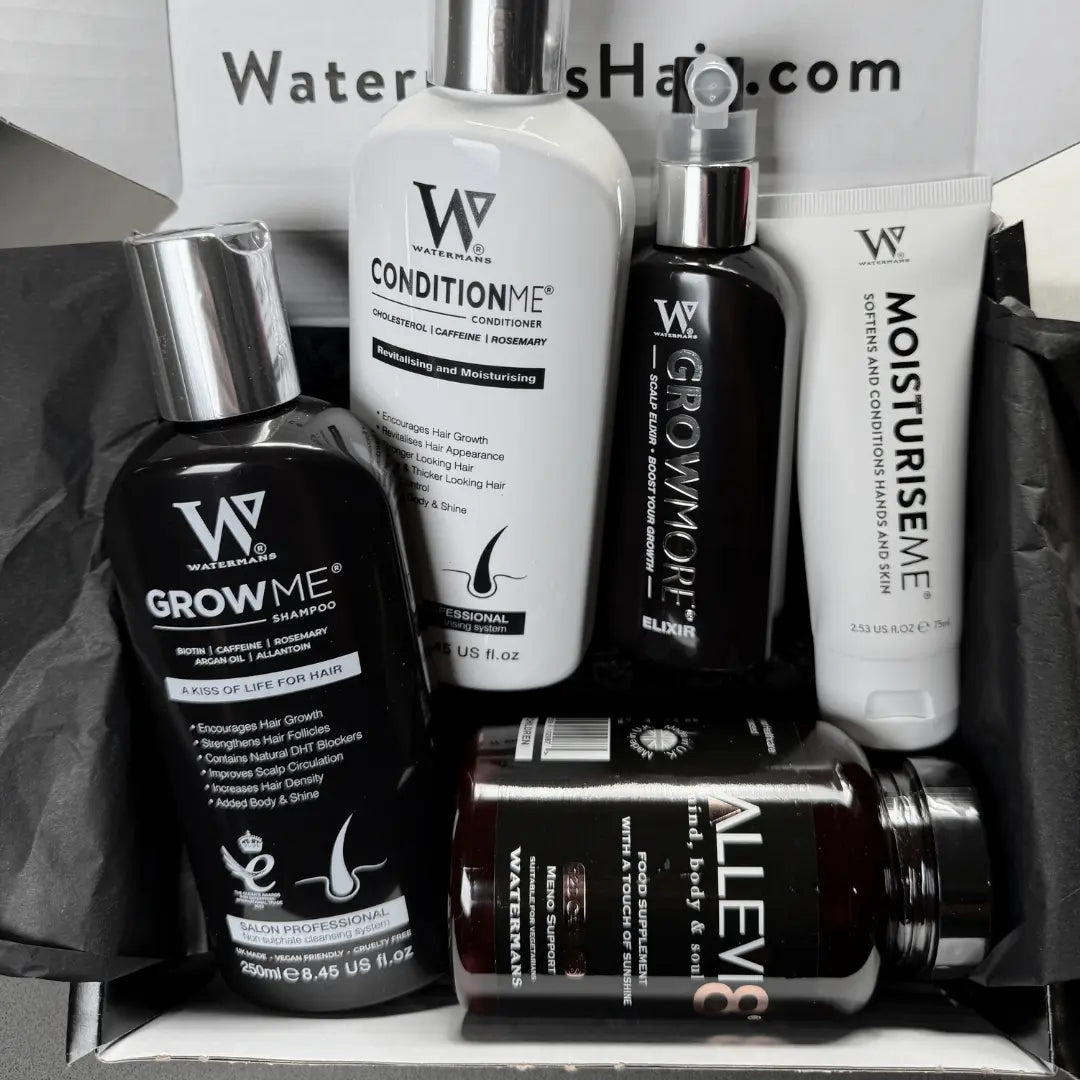
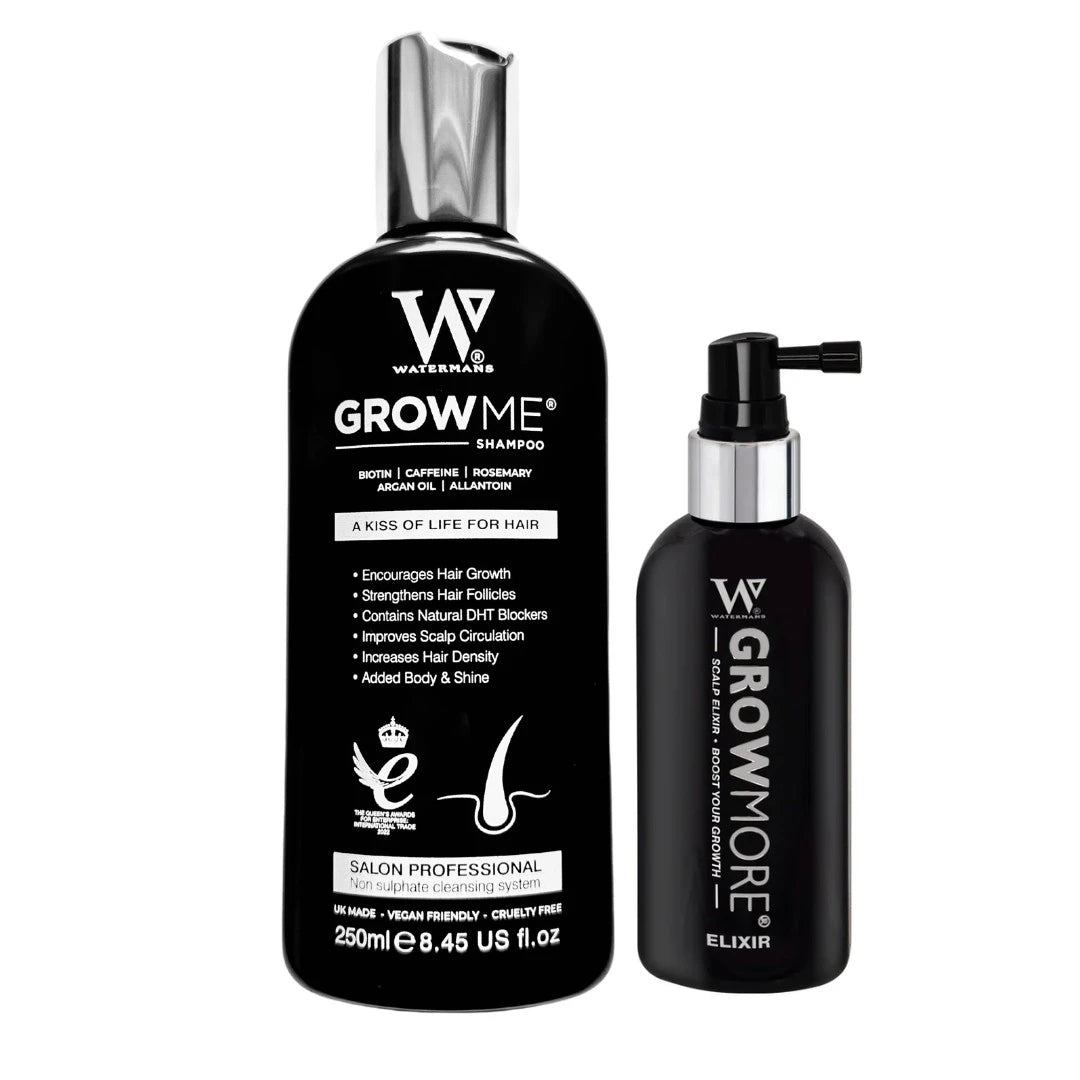
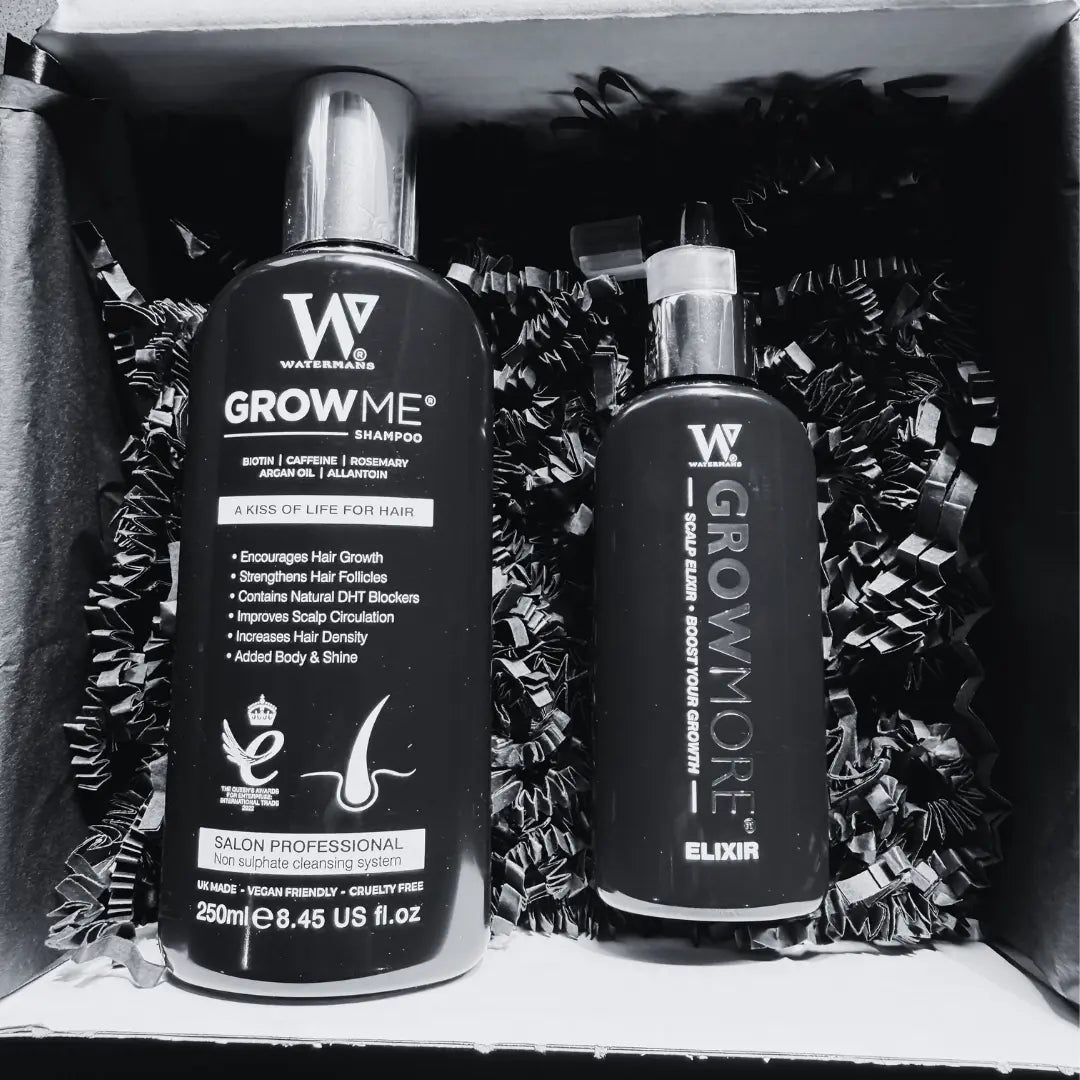
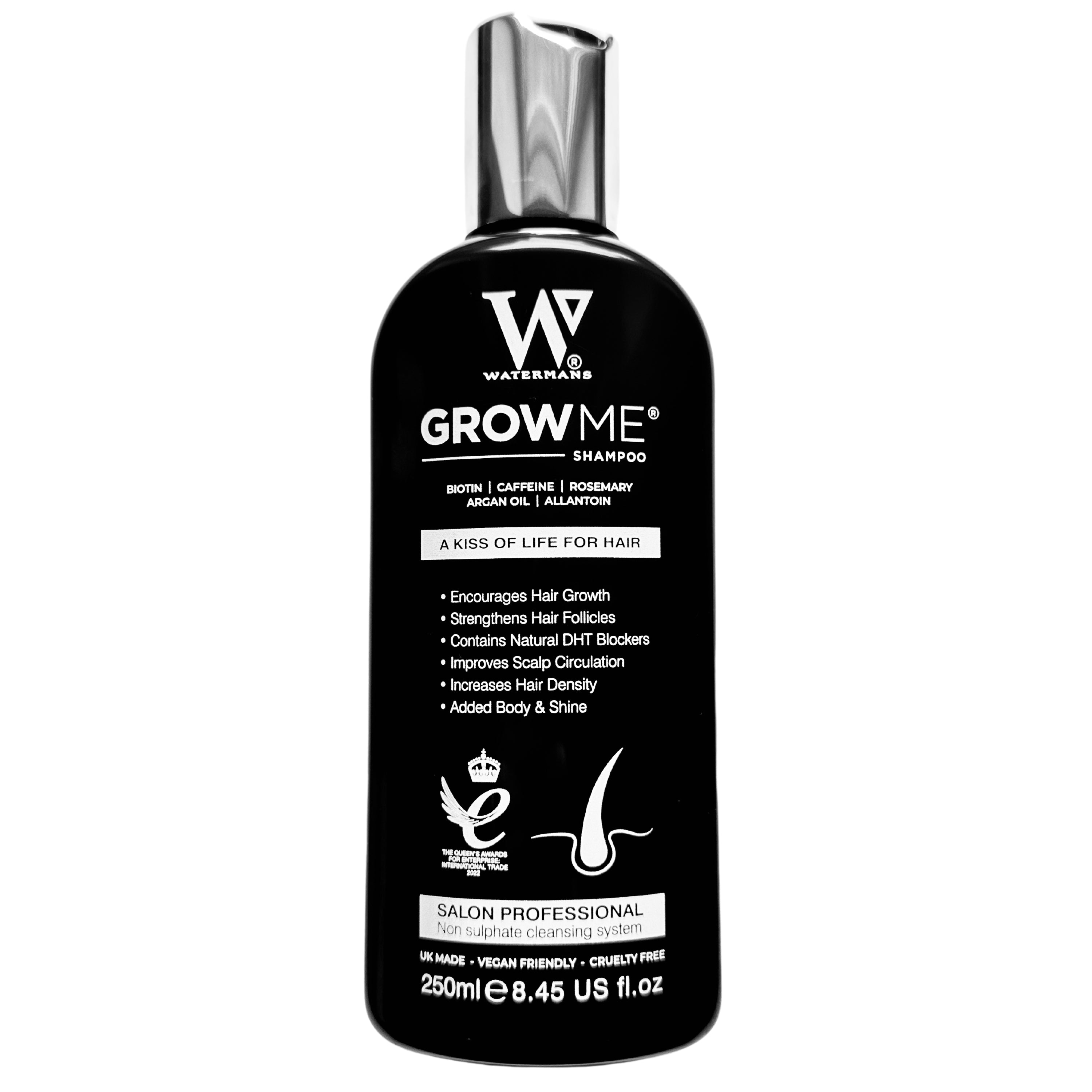
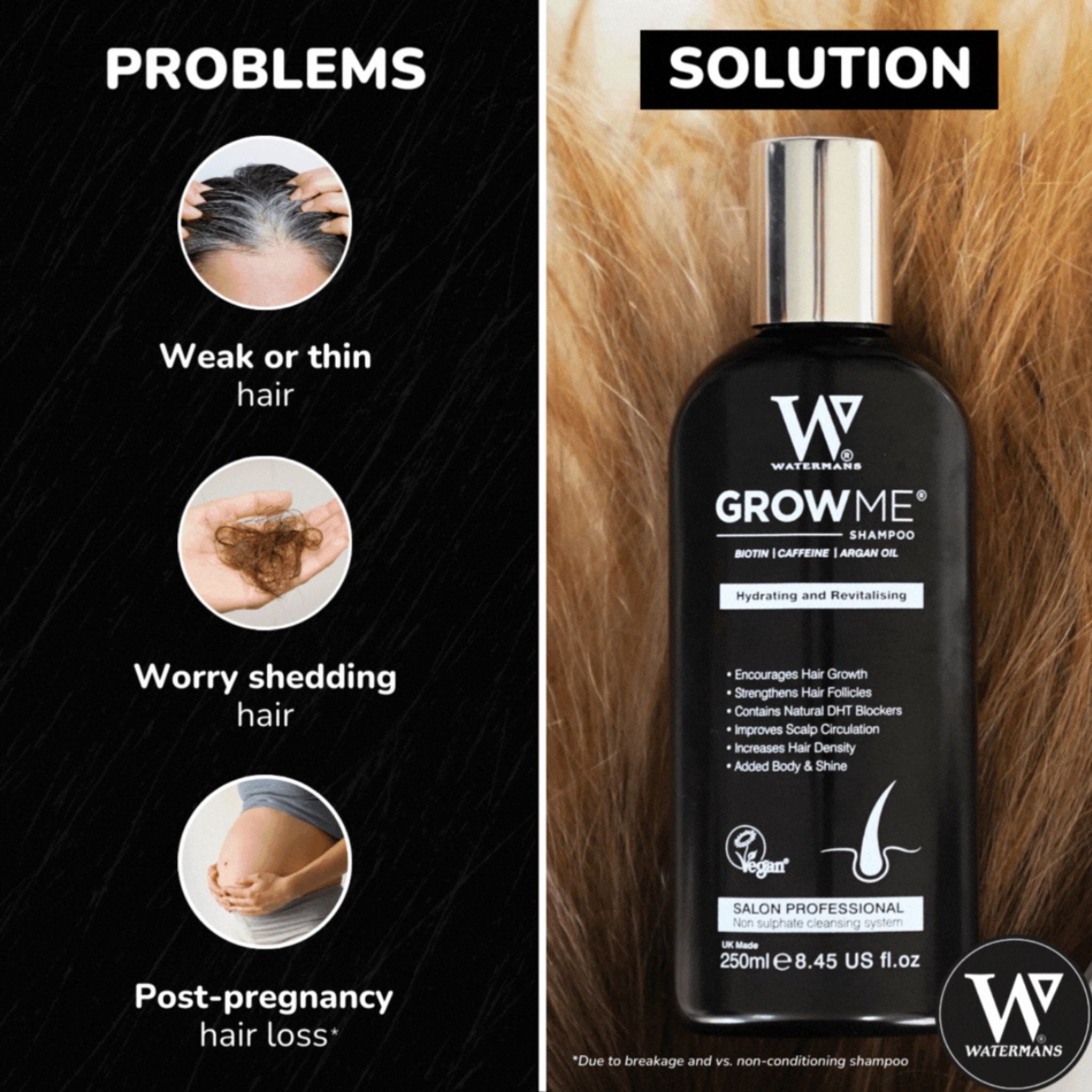
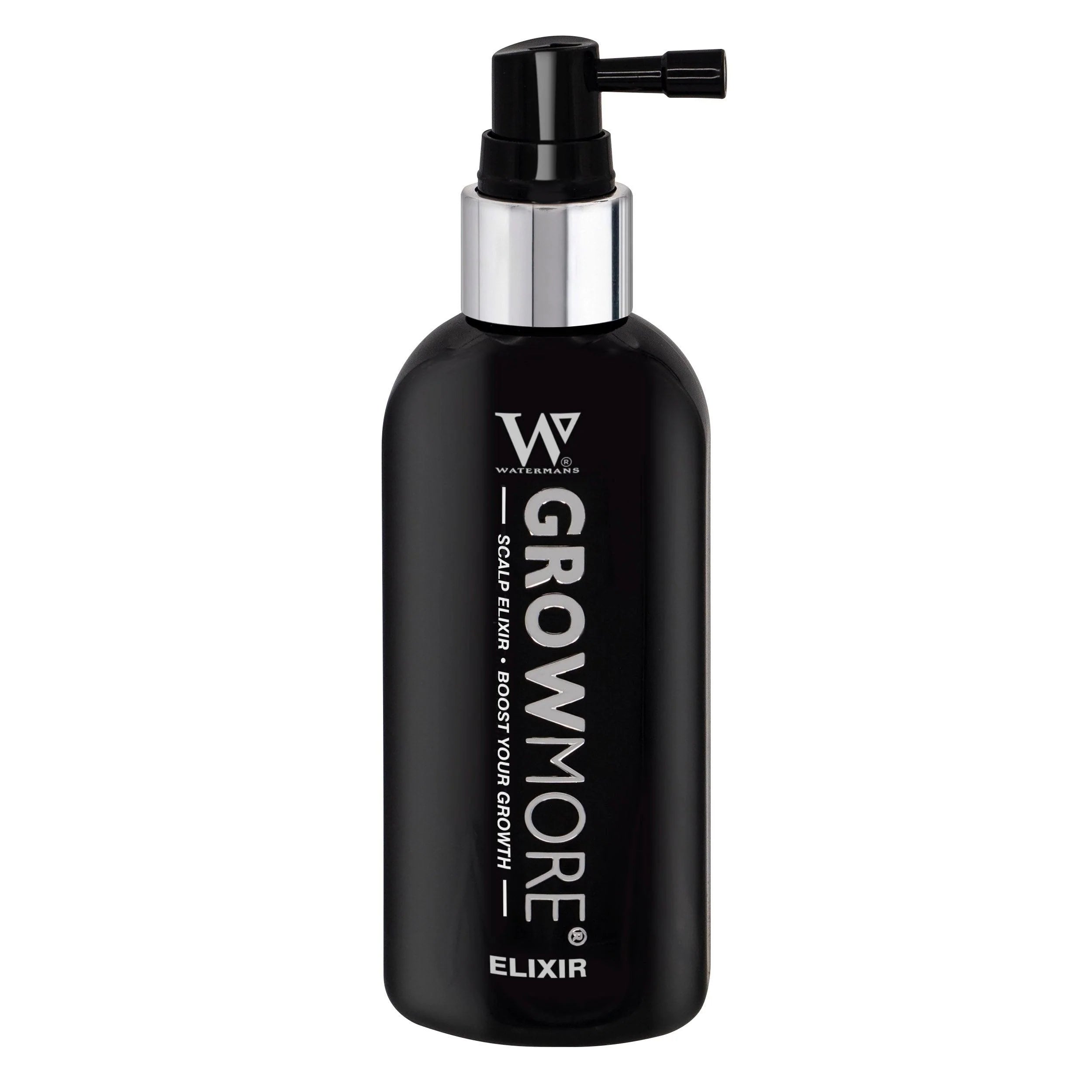
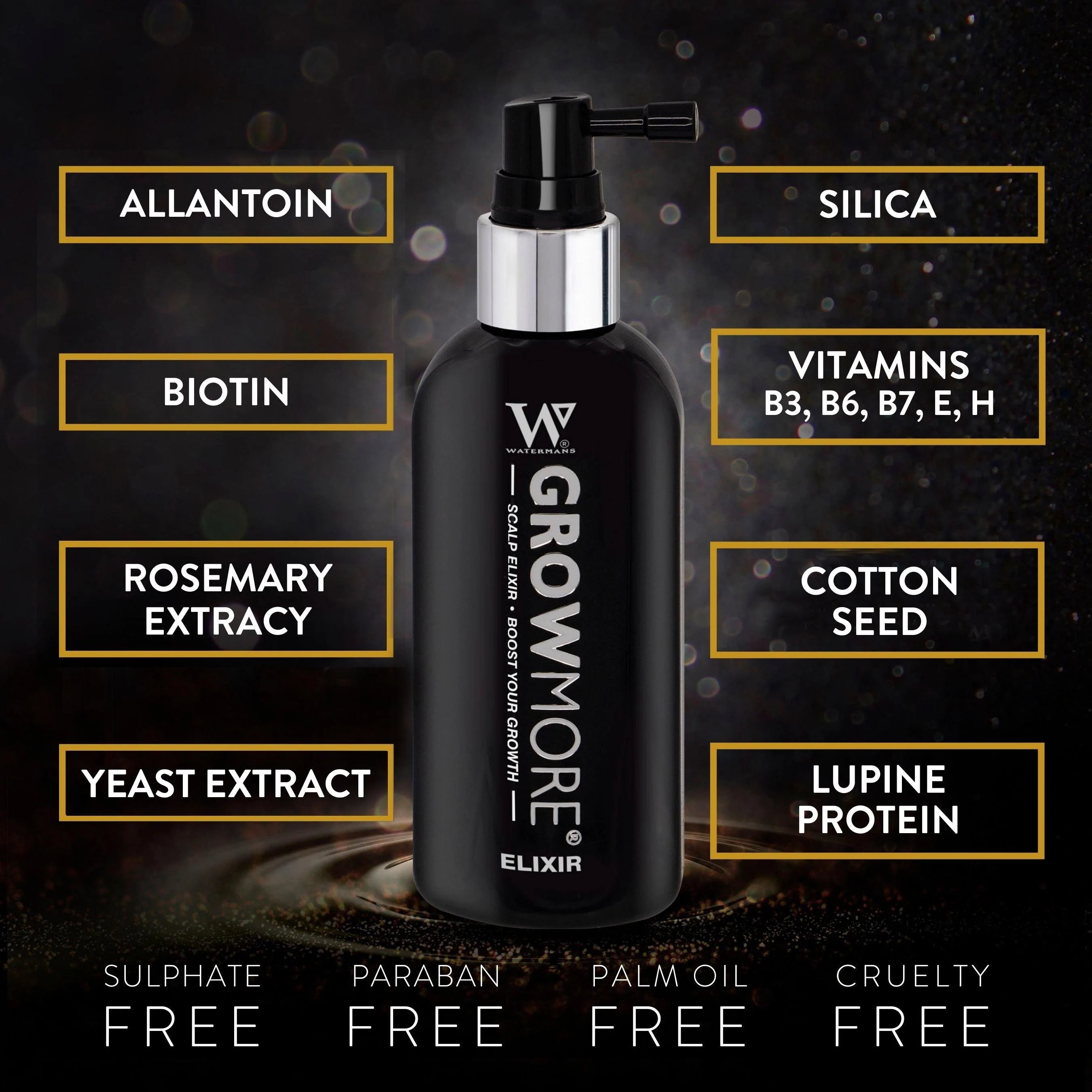
Alongside medical advice, a consistent haircare routine can help you get the best from every strand you have, improving thickness, shine, and manageability. This is where targeted products from Watermans Hair can support you as part of a holistic approach.
A menopause-friendly routine typically includes:
- Gentle cleansing: A growth-supporting shampoo that removes buildup and excess oil without stripping the scalp.
- Nourishing conditioning: A hydrating conditioner that focuses on mid-lengths and ends to combat dryness and breakage.
- Leave-in scalp care: A concentrated serum or tonic designed to be massaged into the scalp to hydrate the skin and support the hair growth environment.
- Heat and styling protection: Products that shield hair from straighteners, dryers, and UV damage to prevent breakage.
Scalp massage with a growth serum for a few minutes each day can be especially helpful, encouraging blood circulation and allowing active ingredients to penetrate more effectively.

Lifestyle shifts that support healthy hair during menopause
Hair follicles are living mini-organs, and they respond to what’s happening in the rest of your body. Supporting your overall health can make a visible difference to your hair over time.
- Prioritise protein: Hair is made mostly of keratin, a protein. Aim to include lean meats, eggs, dairy or fortified alternatives, beans, lentils, and nuts across your day.
- Think “hair nutrients”: Iron, ferritin, vitamin D, B12, zinc, and omega-3s are all associated with hair health. Your GP can advise on testing and safe supplementation where needed.
- Balance blood sugar: Highly processed, sugary foods can contribute to hormonal swings and inflammation. Emphasise whole grains, vegetables, and healthy fats.
- Manage stress: Menopause often coincides with caring responsibilities, career pressure, and life changes. Mindfulness, yoga, breathing exercises, or counselling can help reduce stress-related shedding.
- Sleep like it matters (because it does): Restorative sleep helps regulate hormones and cellular repair, including in the follicle.
Remember, lifestyle changes are not a “quick fix”, but they are powerful foundations that support any topical or medical treatments you choose.
Quick tips for caring for thinning hair in menopause
- Switch to a sulphate-free, growth-supporting shampoo and a nourishing conditioner.
- Limit very tight ponytails, buns, and braids that pull on fragile roots.
- Use a heat protectant and lower heat settings on styling tools.
- Choose volumising, lightweight styling products instead of heavy oils that can flatten the roots.
- Use a wide-tooth comb or a soft brush and detangle gently from the ends upwards.
- Consider a slightly shorter, layered cut to create the illusion of more fullness.
- Schedule a check-up with your GP to rule out medical contributors like thyroid issues or iron deficiency.
Did you know? Myth-busting menopause and hair loss
- Myth: “Nothing can be done – it’s just ageing.” Reality: While some change is normal, many women see real improvements with the right mix of medical care, targeted hair products, and lifestyle shifts.
- Myth: “If I lose hair in menopause, I’ll go completely bald.” Reality: Female pattern hair loss usually causes thinning, not total baldness. Early treatment often slows or partly reverses the process.
- Myth: “Washing my hair makes it fall out.” Reality: Hair that you see in the shower has already detached from the follicle. Regular gentle washing is important for scalp health.
- Myth: “Miracle supplements can regrow all my hair.” Reality: Supplements only help if you have a documented deficiency. Be wary of bold claims and look for products that work alongside medical advice, not instead of it.
Real-world example: how a holistic approach can help
Sarah, 52, started noticing more hair in the shower and a widening parting as her periods became irregular. She felt self-conscious at work and began avoiding social events. Her GP arranged blood tests, which showed low ferritin and vitamin D. Sarah started supplements under medical guidance and discussed HRT for her wider menopause symptoms.
At the same time, she simplified her hair routine: swapping harsh products for a growth-supporting shampoo and conditioner, using a daily scalp serum, and cutting back on tight ponytails and intense heat styling. She added more protein and leafy greens to her diet and committed to a short evening walk to help manage stress and improve sleep.
After around four months, Sarah noticed less shedding and a thicker-feeling ponytail. Her stylist created a soft, layered cut that gave instant volume, while ongoing scalp care and medical treatment supported the health of new growing hairs. Her hair didn’t look exactly as it had in her 20s, but it looked fuller, healthier, and – most importantly – she started to feel like herself again.
FAQs: treating hair loss during menopause
Q: Is hair loss during menopause permanent?
A: It depends on the cause. Temporary shedding can improve as your body adapts and triggers are addressed. Hereditary female pattern hair loss tends to be long term but often responds to consistent treatment such as minoxidil, targeted scalp care, and lifestyle changes over time.
Q: Will HRT automatically fix menopause hair loss?
A: Not necessarily. Some women notice better hair quality when their hormones stabilise on HRT, while others do not see a big difference. HRT should always be considered for your overall health and symptom profile, not just hair, and started only after speaking with a healthcare professional.
Q: How long until I see results from hair growth shampoos or serums?
A: Because hair grows slowly, it often takes at least 3 months of consistent use to notice reduced shedding and up to 6 months or more to see visible thickening. Before-and-after photos and measuring your ponytail circumference can help you track subtle progress.
Q: Can changing my diet really help my hair?
A: A balanced diet won’t override strong genetic or hormonal drivers, but it can support your follicles from the inside out. Adequate protein plus key nutrients like iron, vitamin D, B12, and omega-3 fats create a healthier environment for growth.
Q: Should I see a dermatologist or a trichologist?
A: A GP is a good first step and can arrange initial tests. A dermatologist with an interest in hair and scalp disorders can diagnose complex types of hair loss and prescribe medical treatments. Trichologists are hair and scalp specialists who can give practical care advice and work alongside your doctor.
Glossary: key terms for menopause hair loss
- Perimenopause: The transition years before your final period, when hormone levels fluctuate and symptoms like hot flushes and hair changes can begin.
- Female pattern hair loss (FPHL): A common hereditary type of thinning where hairs gradually become finer, especially on the top and crown of the scalp.
- Telogen effluvium: A temporary increase in shedding that happens when many hairs enter the resting phase at once after a trigger such as stress, illness, or major hormonal change.
- Minoxidil: A topical medicine applied to the scalp that can help prolong the growth phase of hair and is widely used for female pattern hair loss.
- HRT (hormone replacement therapy): Treatment that replaces declining hormones, mainly oestrogen (and often progesterone), to ease menopause symptoms and, in some cases, support hair and skin.
Bringing it all together
Hair loss during menopause is common – but it is not something you just have to “put up with”. Understanding the difference between temporary shedding and female pattern hair loss, getting the right tests, and combining medical options with targeted haircare and lifestyle changes can put you back in control.
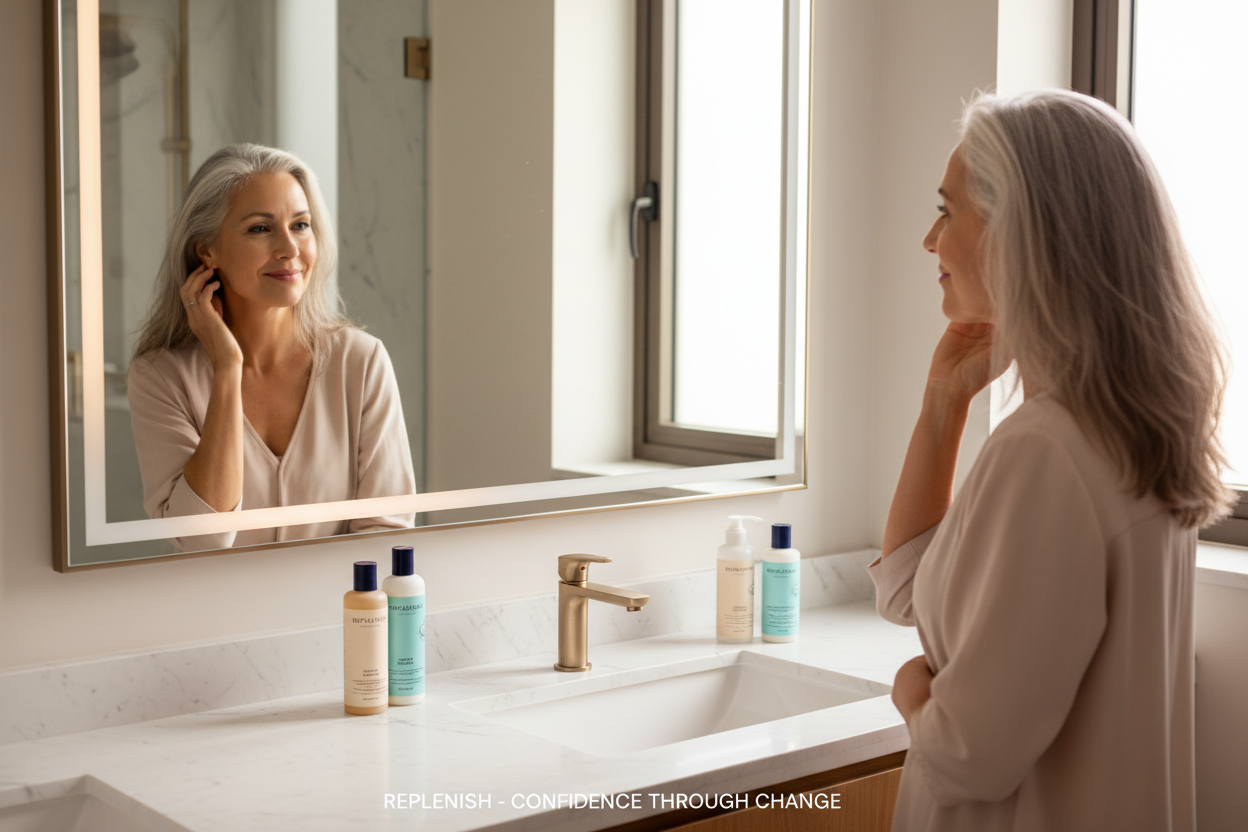
By working with your healthcare team and using supportive products from trusted haircare brands, you can create a routine that cares for your scalp, protects every strand, and helps you feel more confident in your hair again.
Treating hair loss during menopause works best when you combine medical guidance, gentle but targeted scalp and haircare, and supportive lifestyle habits – helping you slow shedding, encourage fuller-looking regrowth, and feel more confident at every stage of your menopause journey.