Scalp microbiome Secrets: How to Balance It for Healthier Hair
Scalp Microbiome Secrets: How to Balance It for Healthier Hair
When your hair thins, itches, flakes, or feels too oily, your scalp microbiome may play a role. Your scalp hosts bacteria, yeasts, and fungi. A healthy gut affects your body; your scalp’s tiny world matters for hair growth and comfort. Supporting this small network can help you get thicker, healthier hair.
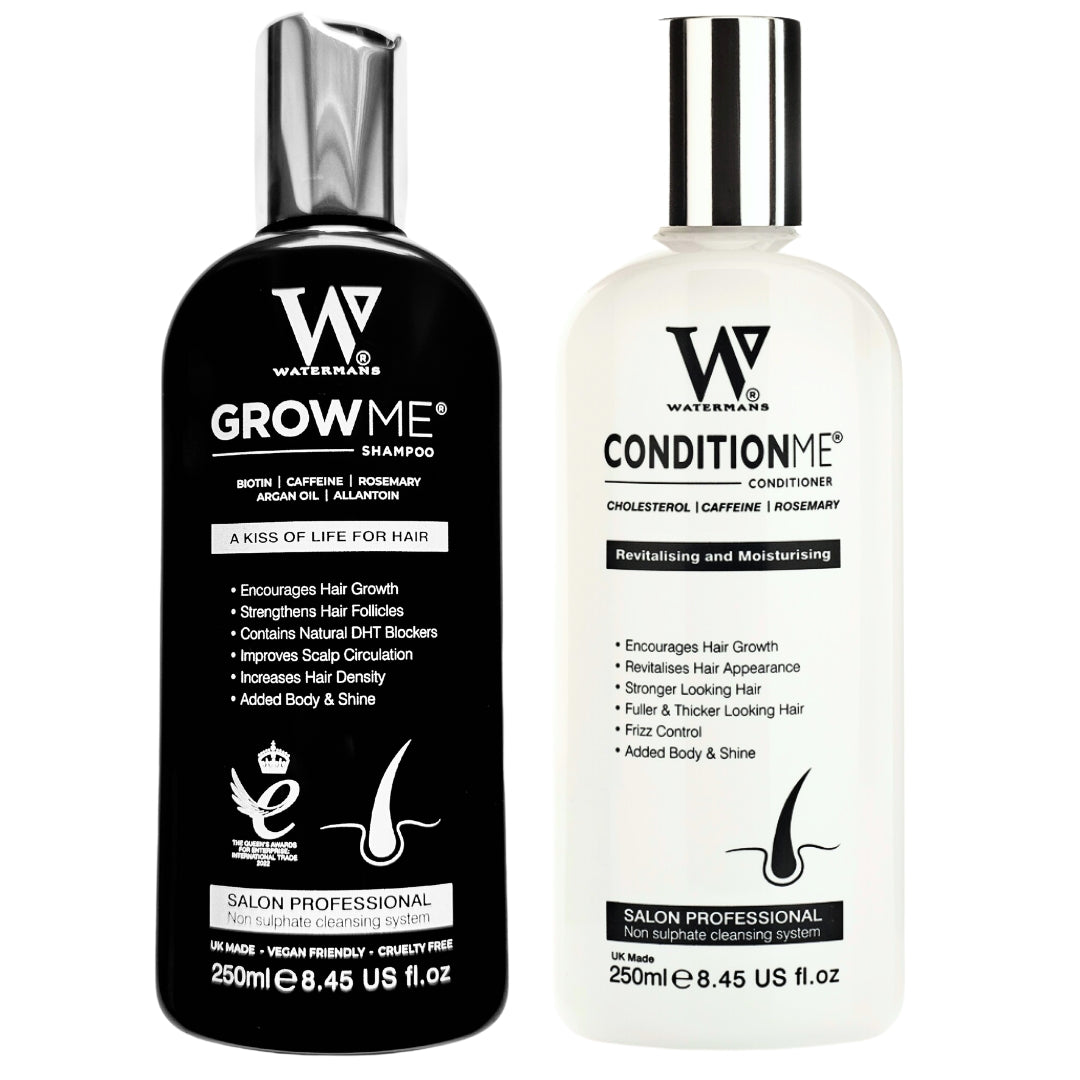
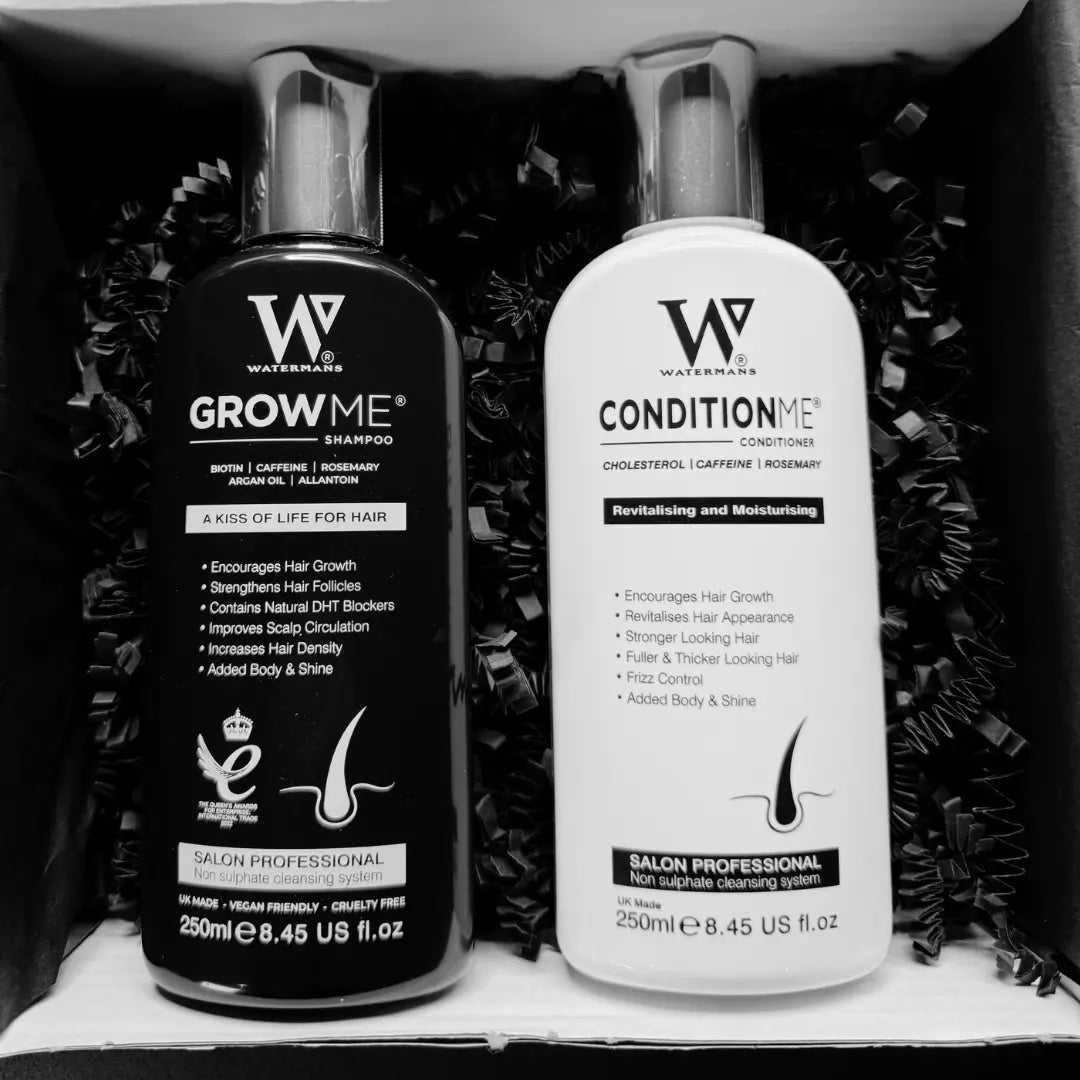
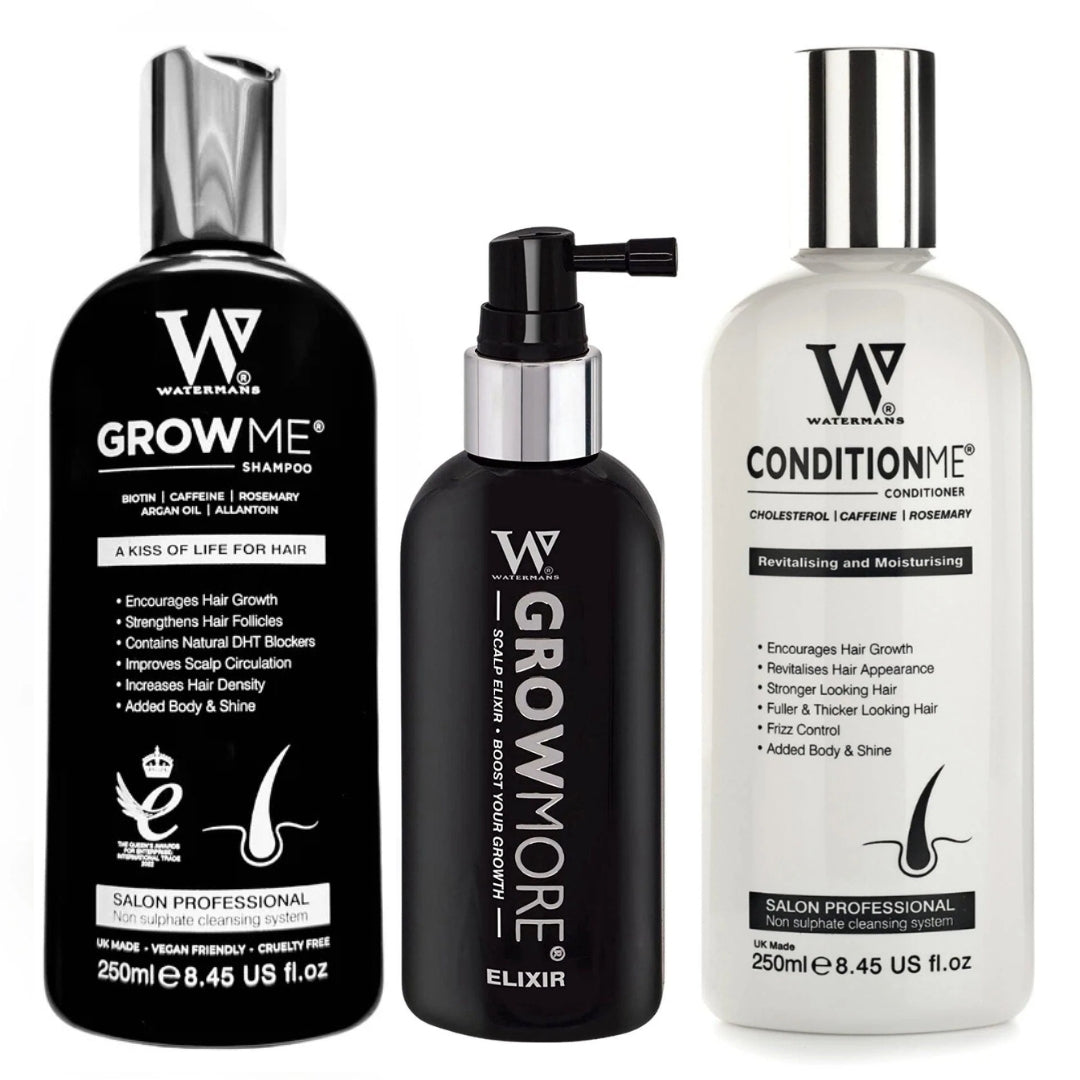
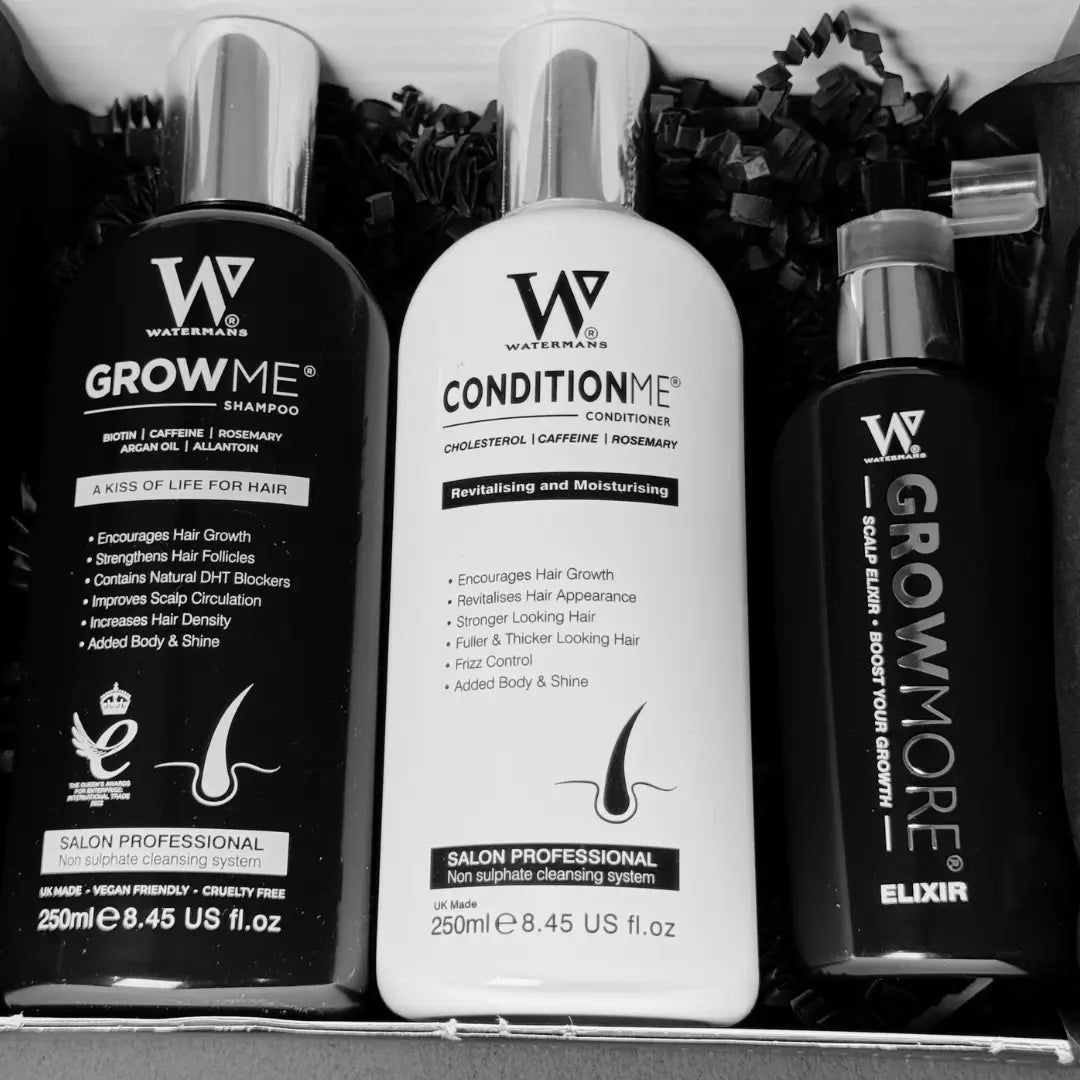
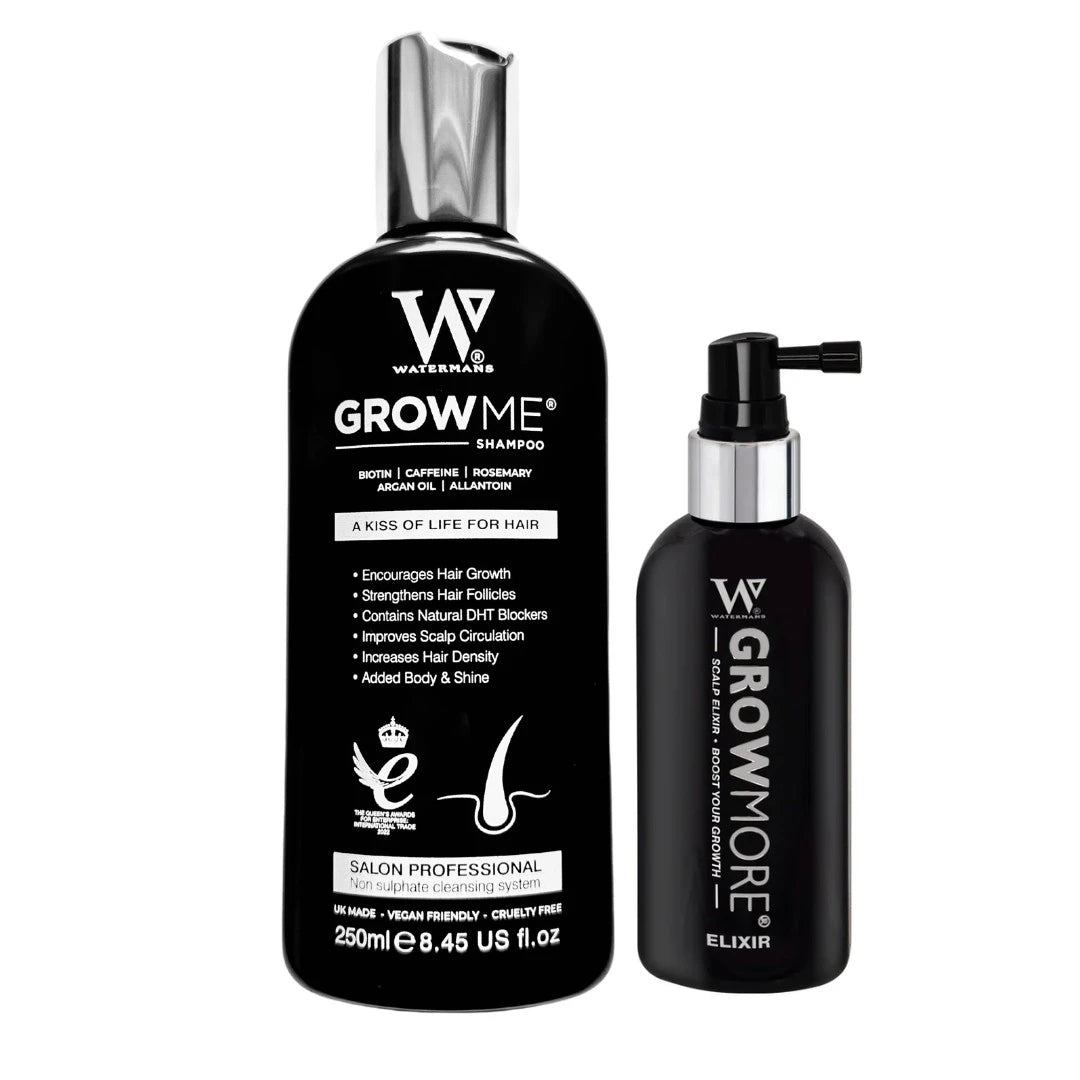
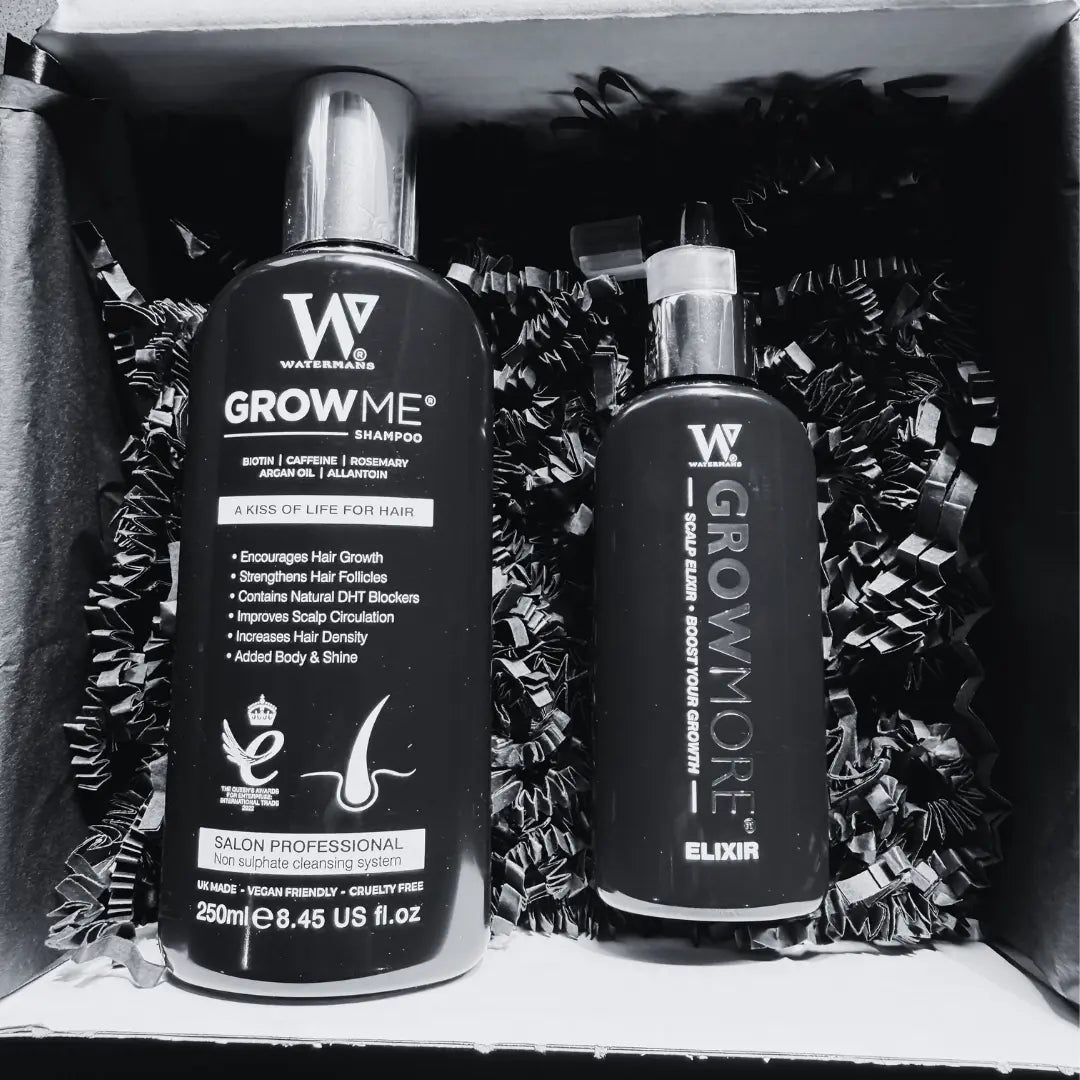
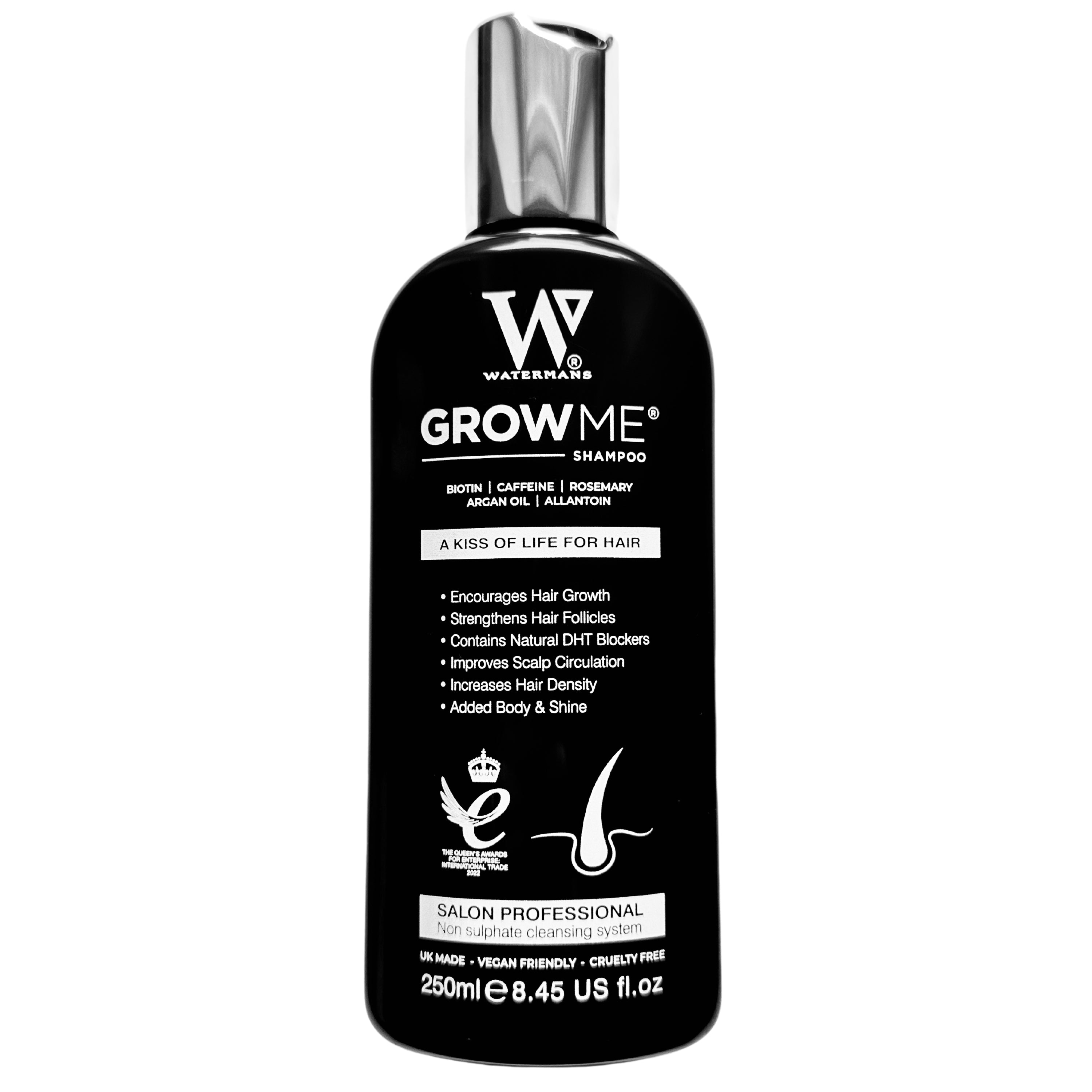
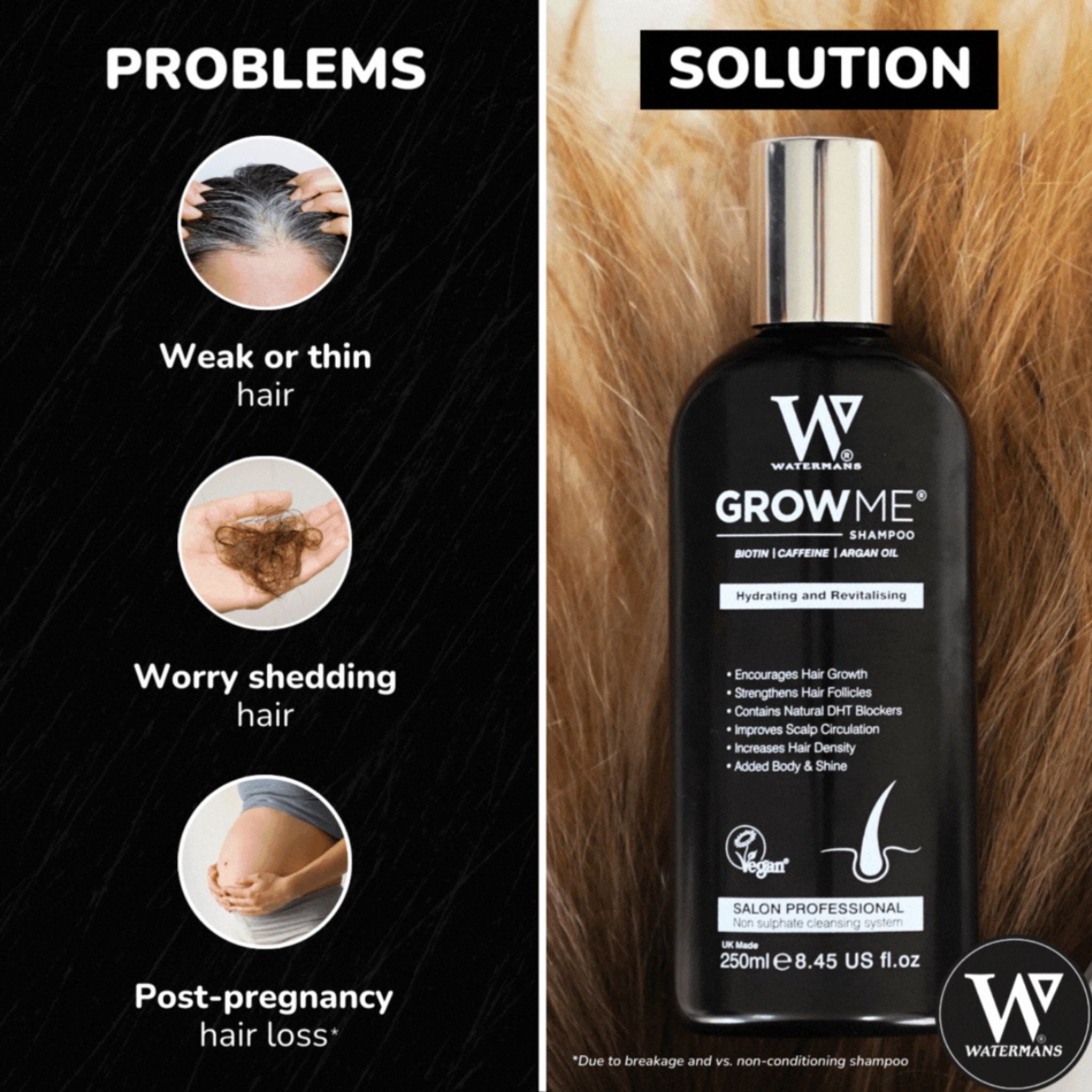
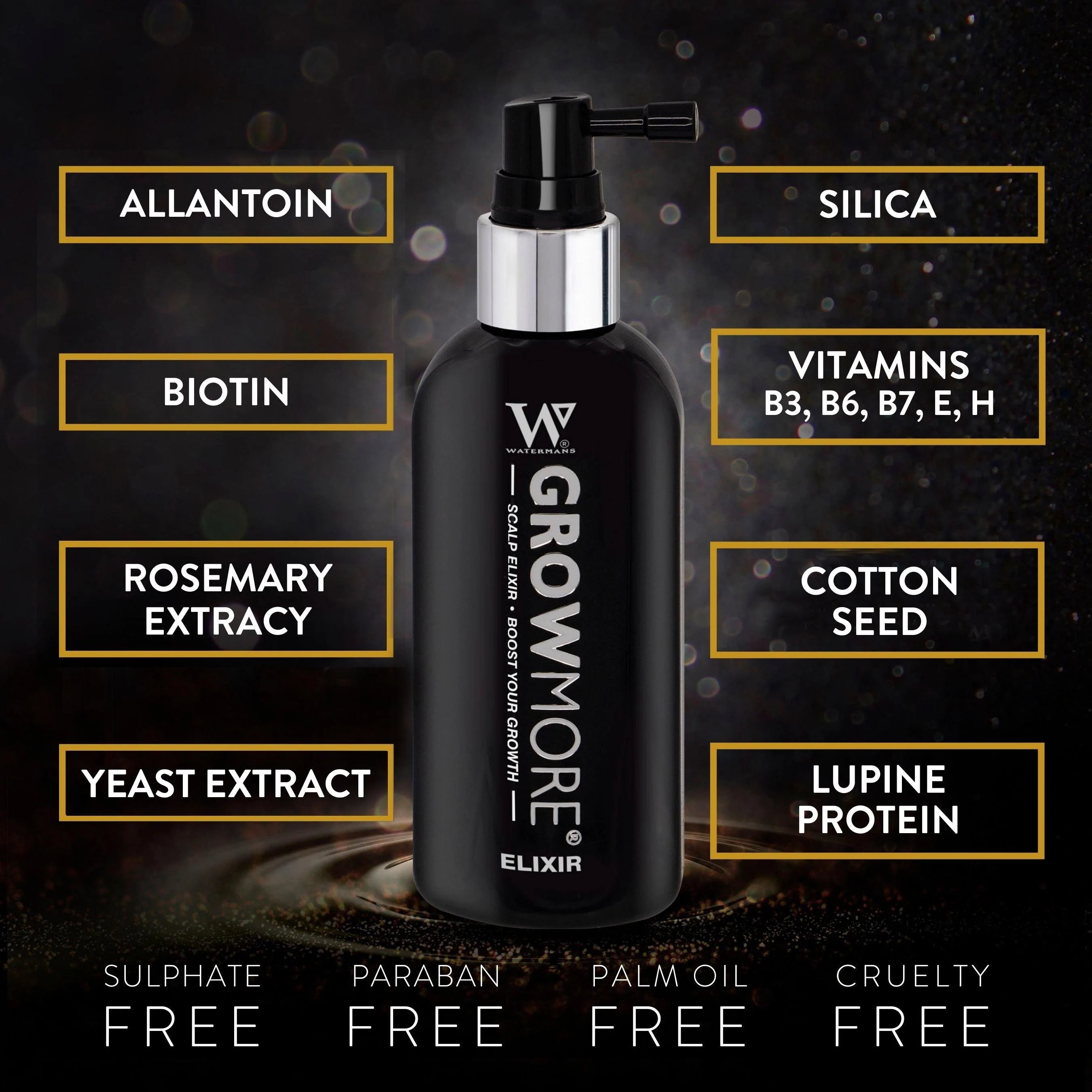
A simple change is using a scalp-friendly shampoo. For example, try Watermans Grow Me Shampoo. It has Biotin, Rosemary, Caffeine, Niacinamide, Argan Oil, Allantoin, and Lupin Protein. These work together by stimulating blood flow and boosting roots with a gentle, non-medical approach.
What Is the Scalp Microbiome, Really?
Your scalp holds a network of small life forms. Bacteria, fungi (like Malassezia yeast), and tiny mites live on your skin. This group is part of the skin microbiome. Your scalp, however, faces special tasks:
- Hair covers it closely.
- Skin makes much oil (sebum).
- Hats, tight hair, and products add pressure.
In a good state, this community:
- Guards against invaders.
- Helps the skin hold moisture.
- May affect inflammation and hair growth.
When this balance breaks, problems can arise:
- Dandruff and flakes
- Itching and irritation
- Scalp dermatitis
- Too much oil or dry patches
- Possible hair loss
Sometimes strong or medicated shampoos work for a short time. Yet, they can disturb the network over time.
Why the Scalp Microbiome Matters for Hair Health
Scientists study how scalp microbes and hair health are linked. It is not only about dandruff. A balanced network helps the hair growth cycle.
Microbes and the Hair Growth Cycle
Hair always goes through three steps:
- Anagen: Hair grows actively from the follicle.
- Catagen: Hair growth slows as the follicle shrinks.
- Telogen: Hair rests and then sheds.
Low-level, continuous swelling on the scalp can shorten the growth phase. An unbalanced network may add to inflammation when:
- Yeast like Malassezia grows too much.
- Bacteria attack a weakened skin barrier.
- Small by-products irritate the scalp.
Some early work shows people with hair loss might have a different microbial mix. Keeping this network balanced may create a friendlier space for hair growth.
The Barrier Function: Microbiome + Skin
Your scalp’s top layer and its tiny residents work as a team. When they stick well together:
- Moisture stays in.
- Irritants and germs cannot get in easily.
- Swelling stays low.
Harsh shampoos, too much washing, chemical treatments, or heavy products can take away oils and disturb the network. Over time this may lead to:
- Increased sensitivity
- Flaking and redness
- A pattern of dryness and later excess oil
- A weaker support for hair follicles
That is why a gentle choice like Watermans Grow Me Shampoo is useful. It cleans without stripping away what the scalp needs.
Common Signs Your Scalp Microbiome May Be Out of Balance
You cannot see the tiny network. Still, you feel its effects.
1. Persistent Dandruff or Flaking
Dandruff comes from the mix of:
- Malassezia yeast
- Scalp oil
- Your skin sensitivity and barrier
If you use an anti-dandruff shampoo and the flakes return when you stop, the network may be off balance.
2. Itching, Burning, or Tightness
A burning or itchy scalp can signal:
- A weak skin barrier
- An imbalance in microbes
- Inflammation beneath the skin
Harsh shampoos or a build-up of products can make the feeling worse.
3. Excess Oiliness or Unusual Dryness
Microbes live on oil. Changes in oil can change the network:
- Your hair may look oily less than a day after washing.
- You may see greasy roots with dry patches.
- Your scalp might feel tight and dry yet shiny.
4. Increased Shedding or Thinning Over Time
Hair thinning has many causes. But an irritated and inflamed scalp may:
- Shorten the hair’s growing phase.
- Weaken your hair follicles.
- Push forward tendencies already in your genes or hormones.
More hair in the drain together with itch or redness points to the scalp network as one factor.
Key Influences on Your Scalp Microbiome
Some people have a calm scalp, while others have frequent flare-ups. Many factors can change the network daily.
1. Shampoo Frequency and Type
- Excess washing with harsh cleansers removes oils and good microbes.
- Rare washing lets oil, sweat, and product build up and feed unwanted microbes.
Most scalps do well when they have:
- A gentle shampoo
- Wash routines every 2–3 days (or adjusted for oil or dryness)
That is where a balanced formula like Watermans Grow Me Shampoo fits in. It cleans while working with hair growth rather than forcing a harsh clean.
2. Styling Products and Buildup
Hair gels, sprays, oils, and silicones can:
- Create a film on your scalp and hair.
- Trap sweat and oil near the skin.
- Stop your scalp from breathing well.
A gentle clarifying wash sometimes can help. Heavy clarifiers every day may work against your scalp. Lighter, non-blocking products work better with a gentle shampoo.
3. Heat Styling and Tight Hairstyles
Heat can:
- Dry out your scalp.
- Change the good barrier sugars and fats.
- Raise sensitivity and itch.
Tight buns, ponytails, or braids:
- Pull at hair roots.
- Create friction that stokes small swellings.
- Shift how oil spreads.
These shifts change the physical and chemical world that the microbes live in.
4. Hormones, Stress, and Lifestyle
Your scalp feels changes from your whole body. Hormonal shifts from puberty, pregnancy, or thyroid issues can:
- Change oil production.
- Alter skin defenses.
- Affect which microbes thrive.
Stress may:
- Raise cortisol levels.
- Slow the skin’s ability to fix itself.
- Change how much oil you produce or spread.
Good nutrition, sleep, and care of your health also shape your scalp’s world.
How to Support and Balance Your Scalp Microbiome
Balancing your scalp network is not about cleaning it to sterility. It is like tending a garden. You set up the right ground rather than empty the soil.
1. Choose a Scalp-Supportive Shampoo
Your shampoo meets your scalp daily. It must work with your skin.
- It must clean without leaving a heavy coat.
- Avoid it if it strips too much oil.
- Look for signs that it boosts blood flow and the skin barrier.
- Find extra help with hair strength.
Watermans Grow Me Shampoo is a strong pick. It combines:
- Biotin – strengthens hair fibers.
- Rosemary – helps bring blood to the scalp.
- Caffeine – wakes up the scalp and may oppose DHT effects.
- Niacinamide – keeps skin steady and even.
- Argan Oil – keeps moisture with a light touch.
- Allantoin – soothes problems and softens the skin.
- Lupin Protein – may help the hair growth cycle and keep hair strong.
These parts work close together to support a balanced scalp and healthy hair.

2. Find Your Ideal Wash Frequency
There is no one rule for all. Try these steps:
- Start by washing every 2–3 days.
- If your scalp is very oily or if you exercise a lot, wash more often.
- If your scalp feels dry, try twice a week.
You want a scalp that feels clean without feeling tight or dry. Over time, you may see less oil or dryness as the network settles.
3. Be Gentle With Physical Irritation
Tiny scratches or too much brushing can bring on swelling. To avoid this:
- Do not use nails; use your fingertips instead.
- Brush softly.
- Let warm water wash instead of very hot water.
- Pat your head dry rather than rub hard.
A soft touch on your scalp helps keep the network stable.
4. Manage Product Buildup Wisely
You need not stop all styling products. Instead:
- Prefer light, water-based styles when you can.
- Avoid heavy oils directly on your scalp if you notice buildup.
- Wash out all products well with a quality shampoo like Watermans Grow Me Shampoo.
If you use dry shampoo or strong hold products often, try a mild clarifying wash every 1–2 weeks. Then, follow with a gentle shampoo to allow the barrier to repair.
5. Support Your Scalp From the Inside
No hair care routine is complete without care from within:
- A well-rounded diet that gives protein, good fats, and the vitamins your skin needs.
- Drink enough water to keep skin and hair working well.
- Keep stress low with a routine that suits you.
- Sleep well, as deep sleep helps fix skin and hair.
These parts help your scalp and its network work their best.
Ingredients That Love (and Hate) Your Scalp Microbiome
Not every ingredient treats your scalp the same way. Some help the network and skin barrier. Others, when used too much, may upset it.
Microbiome-Friendly Allies
Niacinamide
- Strengthens the skin barrier.
- Reduces redness and smooths the surface.
- Lets good microbes live.
Gentle Conditioning Oils (e.g., Argan Oil)
- Feed your hair and scalp without clogging pores.
- Help keep dryness and flakes low.
Soothing Agents like Allantoin
- Calm your skin when it is irritated.
- Help repair the skin’s outer layer.
- Reduce the urge to scratch.
Caffeine and Herbal Stimulants (e.g., Rosemary)
- Boost blood flow to hair roots.
- Support cell renewal and hair growth.
Proteins and Amino Acids (e.g., Lupin Protein)
- Strengthen hair fibers.
- Create a firmer base for the hair shaft.
Potentially Disruptive Ingredients (When Overused)
Harsh Sulphates
- Clean well but can remove too much oil if used every day.
- Their overuse may lead to extra oil later on and damage the barrier.
High Levels of Alcohol in Leave-Ins
- Dry out the scalp.
- Create irritation if used too much.
Occlusive Waxes and Heavy Silicones on the Scalp
- Create a film that traps sweat and oil.
- May change how oxygen reaches the skin and alter the microbial mix.
You do not need to stop these completely. Use them in moderation. A balanced formula like Watermans Grow Me Shampoo is made with long-term scalp care in mind.
Daily and Weekly Routine to Nurture Your Scalp Microbiome
Here is a simple plan that works with your scalp network.
Daily Habits
- Brush gently: Use a soft brush or wide comb to move natural oils down the hair without scraping.
- Avoid constant touching: Your hands carry oil and germs; frequent touching adds them to your scalp.
- Loosen tight styles: Change your style and give your scalp a break.
- Guard from the sun and cold: Wear a hat when needed to protect the scalp barrier.
Wash-Day Routine (2–4 times per week)
- Pre-rinse: Use lukewarm water for 1–2 minutes to loosen oil and products.
- Shampoo: Use Watermans Grow Me Shampoo on your scalp. Gently massage with your fingertips in small circles.
- Condition: Apply conditioner on mid-lengths to ends, not the scalp.
- Rinse: Remove all product traces to keep the network undisturbed.
- Dry with care: Squeeze out water and pat dry. Use a warm setting on a hair dryer from a safe distance.
Weekly or Fortnightly Extras
- Light Clarifying Wash: Use a mild clarifier every 1–2 weeks if you use many styling products. Follow with a gentle shampoo.
- Scalp Treatments: Choose masks or serums that focus on soothing the scalp rather than coating the hair.
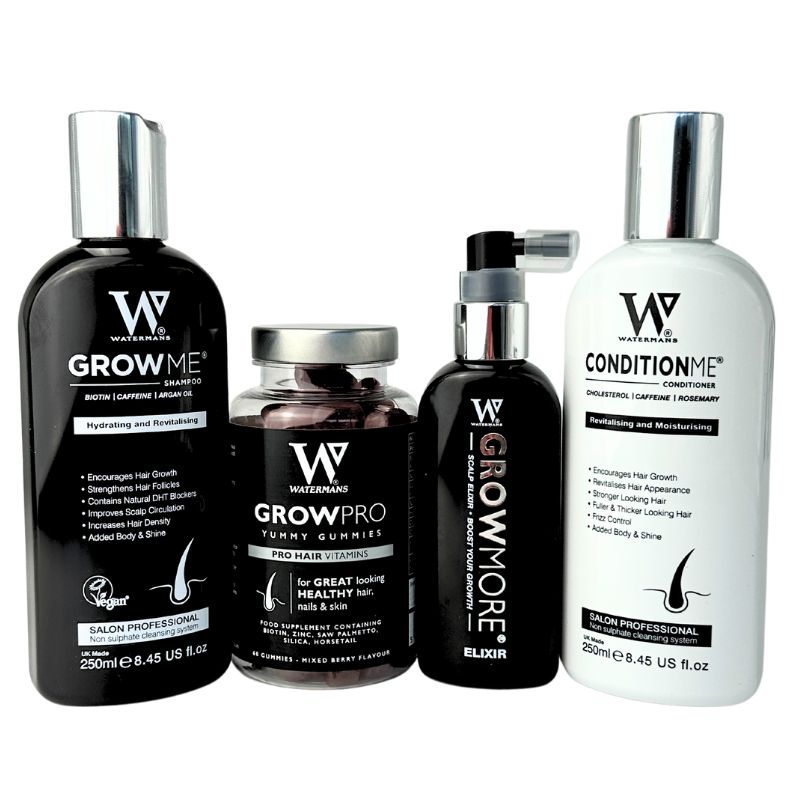
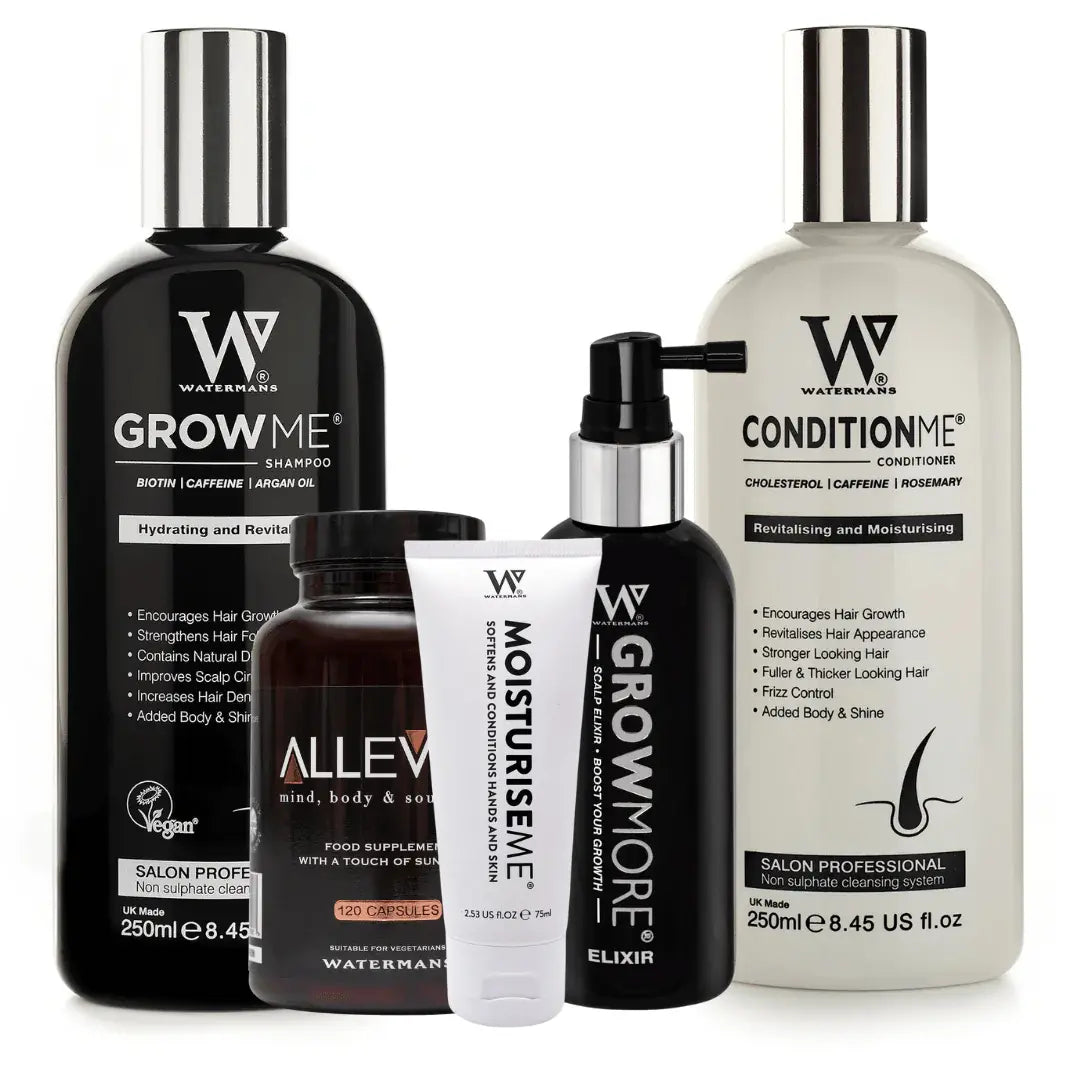
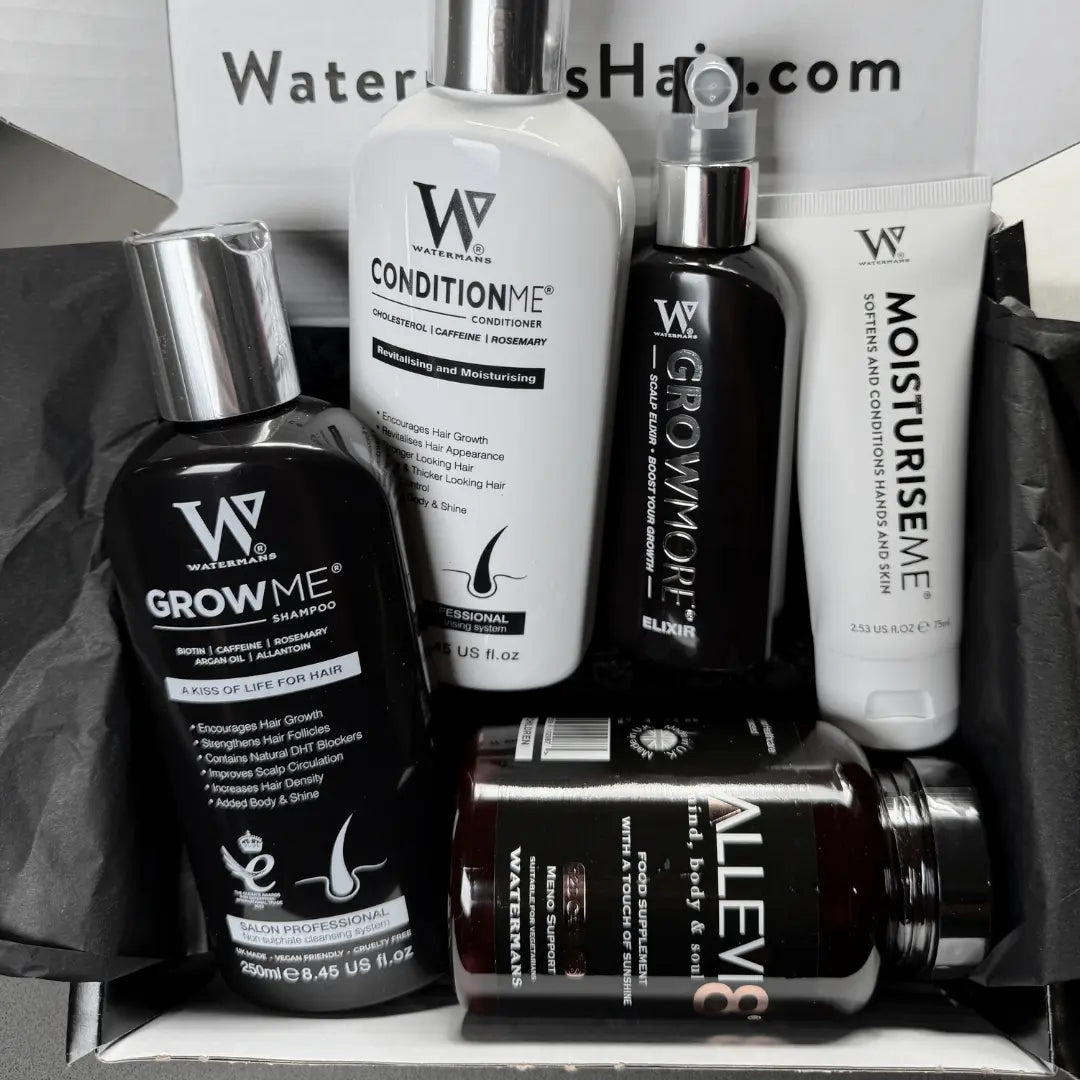
For those who want a full system, the Watermans Hair Survival Kit has a set of products that work together to support hair growth and scalp care.
Special Situations: Dandruff, Dermatitis, and Hair Loss
At times, an imbalanced scalp moves into defined issues. While a gentle hair routine helps, talk to a professional if you have severe or lasting symptoms.
Scalp Microbiome and Dandruff
Dandruff often shows when:- Malassezia yeast grows too fast.
- Scalp oil increases.
- The skin barrier becomes sensitive or weak.
Seborrheic Dermatitis
This condition looks like:- Red, scaly patches
- Thick flakes
- Itch and soreness
Hair Thinning and the Microbiome
Hair loss like male or female pattern baldness often stems from genes and hormones. Still, a steady, inflamed scalp may:- Shorten the hair’s growth period
- Weakly hold the follicle
- Add to natural tendencies
Myths and Misconceptions About the Scalp Microbiome
Many ideas about the scalp network are false. Here, we set fact straight.
“A Tingling Scalp Means It’s Working.”
Some think that if a product makes your scalp tingle strongly, it must be strong and good. In truth:- A slight cool feel from menthol is acceptable.
- A burning, stinging, or long-lasting tingle means irritation.
“You Need to ‘Detox’ Your Scalp With Harsh Treatments.”
Many masks, scrubs, and peels claim to reset your scalp. While gentle exfoliation can help now and then:- Strong treatments over and over strip the skin of what it needs.
- The idea of “detox” is overblown. Your body cleans itself.
“Oil Is Always Bad for the Scalp.”
Oil is part of your natural shield. Problems occur when:- Too much oil meets unwanted microbes.
- Oil is not washed off often enough.
- Heavy oils sit too long on the scalp.
Simple Checklist for a Microbiome-Friendly Scalp Routine
Keep this list in mind as you set up your routine:
- Use a gentle shampoo such as Watermans Grow Me Shampoo on most wash days.
- Wash every 2–3 days, adjusting as needed.
- Massage softly with your fingertips instead of nails or hard brushes.
- Rinse well to keep buildup low.
- Condition only from mid-lengths to ends.
- Give your scalp a break from tight styles.
- Choose light styling products and avoid continuous buildup.
- Keep stress low, sleep well, and eat a balanced diet.
- If you see persistent itch, redness, or flakes, talk to a professional.
FAQs About the Scalp Microbiome and Healthy Hair
1. How can I naturally balance my scalp microbiome?
Use a gentle shampoo that does not strip away natural oils. Avoid harsh scrubbing and very hot water. Keep product buildup low and support your body with good nutrition, water, and stress care. For daily help, choose a scalp-friendly shampoo like Watermans Grow Me Shampoo.2. Can the scalp microbiome cause hair loss?
The scalp network rarely acts alone in hair loss. But an unbalanced network and ongoing swelling may worsen a weak environment for hair follicles. A routine that respects the scalp network can be a part of managing hair loss that stems from genes, hormones, or lifestyle.3. What shampoo is best for supporting the scalp microbiome?
Shampoos that clean without stripping natural oil work best. They also include soothing ingredients that help keep your scalp steady and support hair strength. Watermans Grow Me Shampoo is a good choice. It blends Biotin, Rosemary, Caffeine, Niacinamide, Argan Oil, Allantoin, and Lupin Protein to work directly with the scalp.Take Charge of Your Scalp Microbiome and Hair Health
Your scalp is busy with small life forms. Though you cannot see them, they affect how your head feels and looks. With a caring routine, you work each time you wash or style your hair to support this network.
A steady, smart routine starts with the products you choose. Switch from harsh or full-look shampoos to a scalp-focused, growth-support shampoo like Watermans Grow Me Shampoo. For a full routine that helps balance your scalp and supports thicker hair, check out the products in the Watermans Hair Survival Kit.
When you treat your scalp network with care and give it the right ingredients and a kind routine, you do more than just wash your hair. You build a steady base for stronger, healthier hair over time.