Retatrutide side effects - Hair Loss
Worried that retatrutide side effects might be causing hair loss? You’re not alone. As powerful new weight loss injections like retatrutide make headlines, more people are asking whether rapid fat loss could come with an unexpected cost: thinning hair, shedding, or patchy bald spots.
In this medical-focused guide, we’ll unpack what current research really says about retatrutide and hair loss, how GLP-1–based weight loss drugs can impact your hair cycle, and practical ways to protect your scalp, strengthen existing hair, and support regrowth. Along the way, we’ll show how a targeted, drug-free hair-care routine from Watermans Hair can support healthier, fuller-looking hair while you and your doctor focus on the metabolic side of treatment.
Important: Retatrutide is still an investigational prescription medicine being studied in clinical trials. It should only be used under the supervision of a qualified healthcare professional. This article is for information only and is not a substitute for medical advice.
Main keyword focus: retatrutide side effects – hair loss
Industry: Medical / weight-loss & hair-health support
What is retatrutide?
Retatrutide is a new type of injectable weight loss drug known as a triple hormone receptor agonist. It acts on three hormone pathways at once – GLP-1, GIP and glucagon receptors – to reduce appetite, slow stomach emptying, and increase energy expenditure. In phase 2 clinical trials, retatrutide produced very large reductions in body weight in people with obesity compared with placebo.
Because of this potent effect, some people call it the “next-generation GLP-1” or even the “Godzilla” of fat jabs. But higher power often means a stronger side-effect profile too – and that’s where concerns about retatrutide side effects, including hair loss, begin.
Commonly reported retatrutide side effects in trials include:
- Nausea (especially during dose increases)
- Vomiting
- Diarrhoea or constipation
- Abdominal pain or bloating
- Indigestion / reflux
- Injection-site reactions or hypersensitivity in some people
So far, hair loss has not been listed as a common, direct side effect of retatrutide in clinical trial publications. But that does not mean hair shedding can’t occur while you’re on this type of drug – especially if your weight is dropping fast.
Does retatrutide cause hair loss?
Based on current published data, there is no strong evidence that retatrutide directly damages hair follicles or causes permanent baldness. Clinical trial reports focus on gastrointestinal and metabolic side effects, and hair loss is not highlighted as a frequent event.
However, several key points matter for patients and clinicians:
- Hair loss has been reported with other GLP-1–based weight loss drugs such as semaglutide (Wegovy/Ozempic) and tirzepatide (Mounjaro). Real-world data suggest a small but real increase in non-scarring hair loss in some users.
- Many experts believe this is often due to rapid weight loss and nutritional stress, rather than the medication itself.
- Emerging dermatology research indicates GLP-1 receptor agonists as a class may be associated with telogen effluvium (diffuse shedding) or other reversible hair loss patterns in a subset of patients.
Several medical reviews and patient resources on GLP-1 drugs note that reported hair loss is usually temporary and non-scarring – meaning the follicles are still alive and capable of regrowth once the underlying trigger is resolved.
In short: based on what we know right now, retatrutide side effects may “unmask” or trigger hair loss indirectly by causing sudden weight loss, calorie restriction, or hormonal and metabolic stress – rather than directly poisoning your hair follicles.
How rapid weight loss can trigger shedding (telogen effluvium)
Your hair follicles are surprisingly sensitive to what is happening inside your body. Major changes – including crash dieting, medical illness, childbirth, surgery, severe stress and rapid weight loss – can push a large number of hairs into the “telogen” (resting) phase at once. A few months later, they shed in bulk. This is called telogen effluvium.
When you lose weight quickly with a powerful drug like retatrutide, a few things can combine to trigger telogen effluvium:
- Sudden calorie restriction – Hair is non-essential tissue, so your body prioritises vital organs when energy intake drops.
- Reduced protein or iron intake – Micronutrient gaps are common in fast weight loss and can starve follicles of what they need to grow.
- Hormonal shifts – Changes in insulin, leptin and other hormones during aggressive weight loss can disrupt the hair cycle.
- Psychological stress – The emotional side of big body changes (and health anxiety about new medication) can add an extra trigger.
Telogen effluvium typically shows up as:
- Excess shedding in the shower or on your pillow
- Overall thinning rather than clear bald patches
- A “more see-through” ponytail or wider parting
- Noticeable hair fall 2–4 months after the initial trigger started
The good news? Telogen effluvium is usually reversible. Once the trigger is removed or controlled – and your scalp is supported with the right nutrition and hair-care routine – new “baby hairs” can begin to emerge over the following months.
Could retatrutide accelerate existing pattern hair loss?
Not all hair loss is the same. Many men and women already have underlying androgenetic alopecia (male or female pattern hair loss). Rapid weight loss, hormonal shifts, and medication changes can make this existing tendency more obvious.
Some people taking GLP-1–based injections report that:
- Areas that were already thinning (temples, crown, part line) seem to deteriorate faster.
- They notice more scalp show-through in photos after a few months on treatment.
In these cases, the drug might not be the original cause, but weight loss and metabolic stress may speed up a pattern that was going to appear anyway. That’s why combining medical care with a targeted, scalp-focused routine can be so valuable.
When to speak to a doctor urgently
Always contact your prescribing clinician or a dermatologist if you notice:
- Sudden, patchy bald spots
- Red, painful, scaly or itchy areas on the scalp
- Hair loss together with severe nausea, vomiting, abdominal pain or signs of dehydration
- Hair loss plus symptoms like chest pain, shortness of breath, or visual changes
For persistent or distressing shedding, ask your clinician about:
- Blood tests for iron, ferritin, vitamin B12, vitamin D, thyroid function and other nutritional markers
- Screening for autoimmune or hormonal causes of hair loss
- Whether your retatrutide dose or speed of weight loss needs adjusting
- A referral to a dermatologist or trichologist for scalp-focused assessment
For general, evidence-based information on hair loss, you can also review resources like MedlinePlus guidance on hair loss from the U.S. National Library of Medicine.
Safe-use reminder: avoid illegal “retatrutide” online
Because retatrutide is not yet widely licensed, there has been a rise in unregulated, counterfeit “retatrutide pens” sold online. These products may contain the wrong dose, the wrong drug, or dangerous contaminants. They can cause serious health complications – including infections and extreme side effects – and should be avoided completely.
Always obtain GLP-1 or related weight loss injections through regulated healthcare channels only, never via social media or unofficial websites.
Supporting your hair while on retatrutide
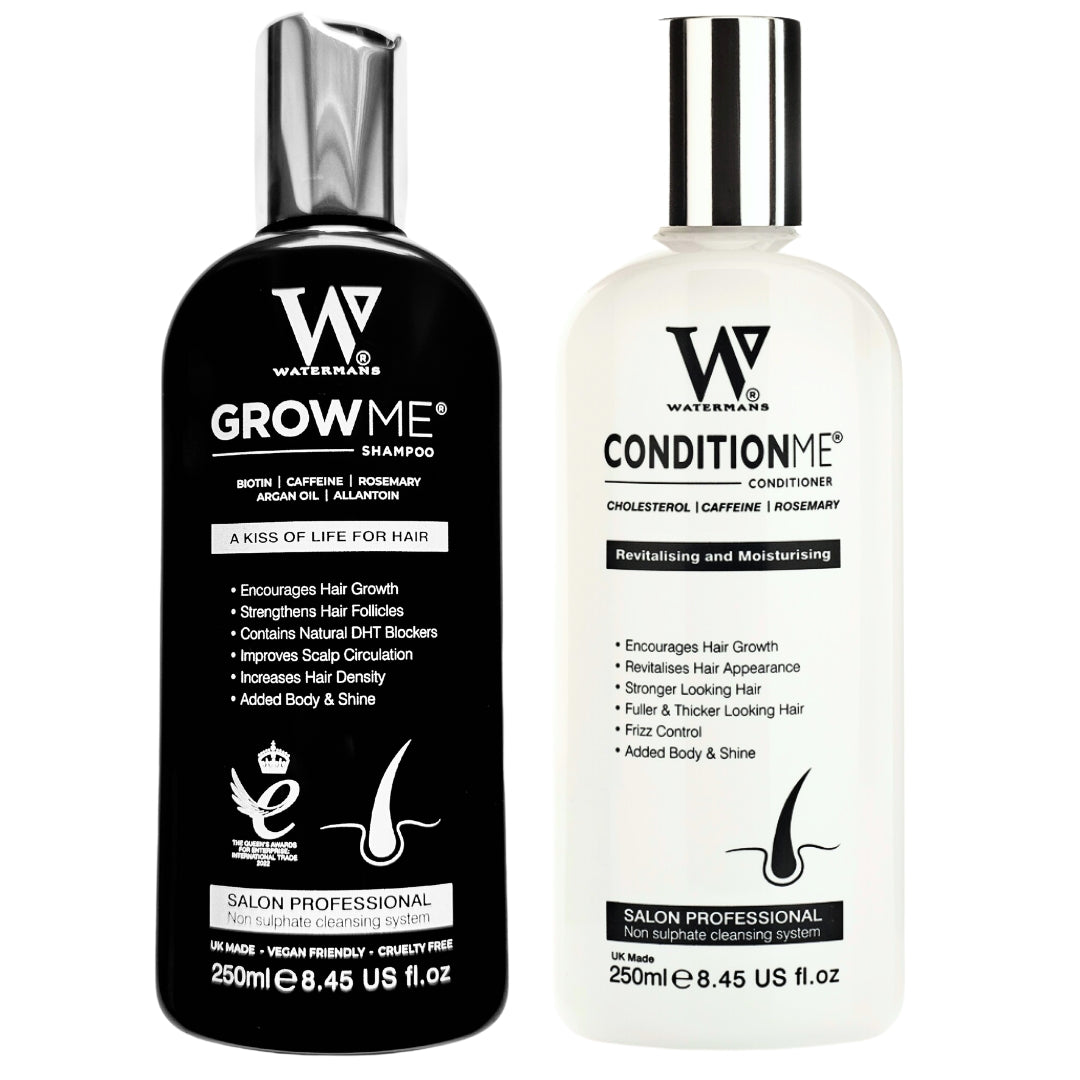
While you and your prescriber manage the metabolic benefits and risks of retatrutide, you can take steps to protect your scalp, strengthen hair fibres, and support regrowth. This is where a premium, drug-free system like Watermans Hair Growth & Hair Loss Products can play a powerful supporting role.
Watermans’ award-winning formulas are designed to:
- Support thicker, stronger, fuller-looking hair
- Nourish the scalp with ingredients like biotin, caffeine, rosemary, argan oil and niacinamide
- Help reduce breakage and visible shedding from stress, styling or fragile hair fibres
- Complement – not replace – any medical plan you have with your doctor
Unlike systemic drugs, these products act locally on the scalp and hair shaft, making them a smart choice if you want to look after your hair while your body adapts to a powerful weight-loss treatment.
Visual guide – support your hair while supporting your health

Click the image above to explore Watermans hair growth and hair loss support products.
Quick checklist: if you’re noticing hair loss on retatrutide
- ✔️ Tell your prescriber – never hide side effects; dosage or speed of weight loss may need adjusting.
- ✔️ Check your nutrition – especially protein, iron, zinc, vitamin D and B-vitamins.
- ✔️ Avoid crash dieting – your medication is already helping weight loss; don’t double-up with extreme calorie cuts.
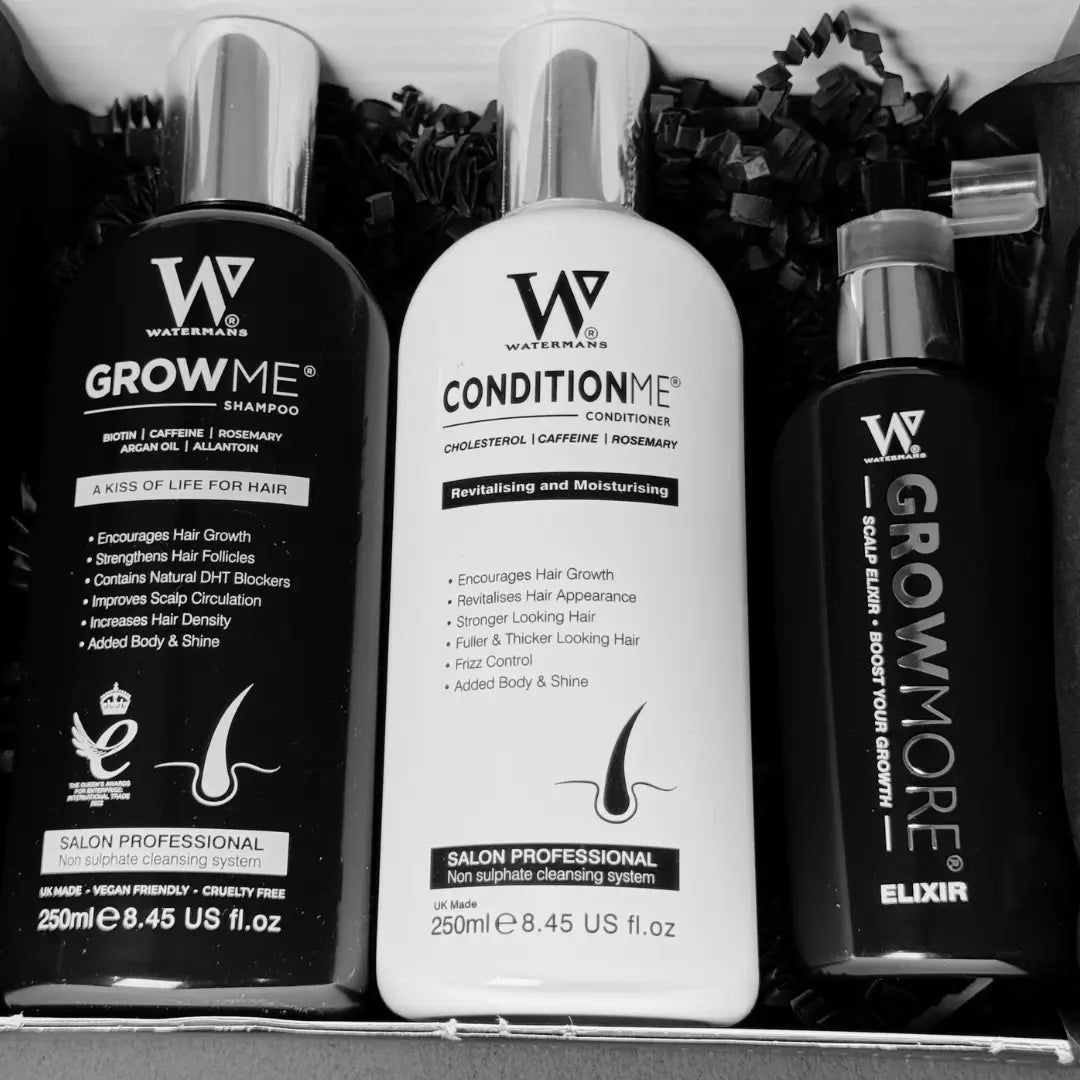
- ✔️ Start a scalp-focused routine – use a targeted hair growth shampoo, conditioner and scalp treatment from Watermans regularly.
- ✔️ Reduce physical damage – limit tight hairstyles, harsh heat, and aggressive brushing.
- ✔️ Track your progress with photos – helpful for you, your clinician, and to spot regrowth “baby hairs”.
- Hair typically grows about 1–1.25 cm per month, so any regrowth after telogen effluvium can take several months to become visible.
- Non-scarring hair loss from nutritional stress or medication is often reversible once the trigger is addressed.
- Gentle scalp stimulation – such as massaging in a caffeine- and biotin-rich shampoo – can help support blood flow and follicle health.
Real-world style example: rapid weight loss & shedding
Imagine someone who starts an investigational triple-agonist like retatrutide through a supervised obesity trial. Over six months, they lose a large amount of weight. Around month three or four, they notice:
- Much more hair in the shower drain
- A thinner ponytail
- A widening part line, especially at the crown
A clinician identifies telogen effluvium from rapid weight loss on top of early female pattern hair loss. Together they:
- Run blood tests and optimise iron, vitamin D and B12
- Stabilise calorie intake at a safer, sustainable level
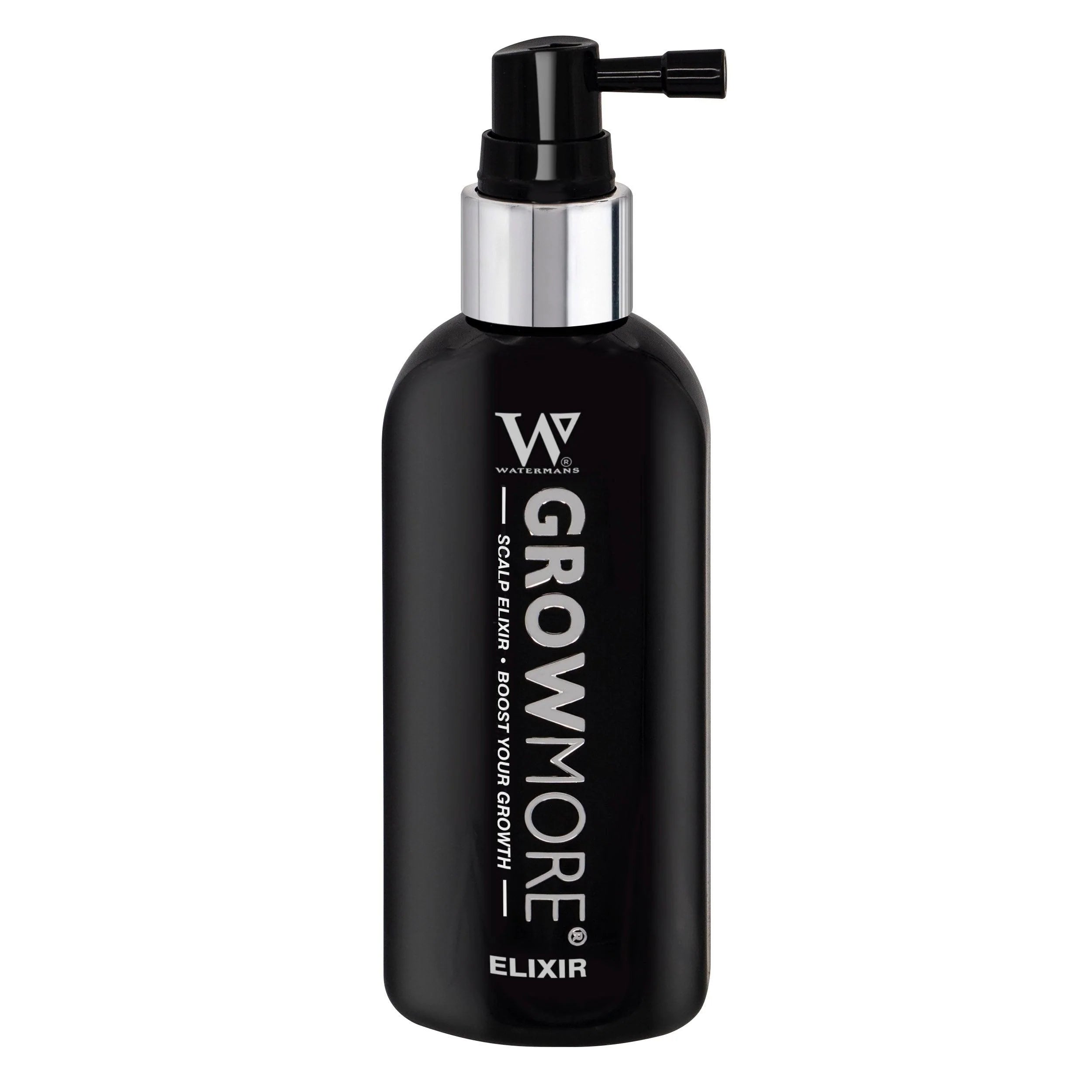
- Recommend a scalp-focused regime with a hair growth shampoo, conditioner and scalp elixir designed for thinning hair (such as the Watermans system)
Over the following 6–9 months, shedding slows, texture improves, and new baby hairs appear at the hairline – while the metabolic benefits of weight loss are maintained under medical supervision.
Common mistakes when dealing with retatrutide-related shedding
- Stopping the medication without medical advice – can harm metabolic health and may not instantly fix hair loss.
- Ignoring nutrition – weight loss doesn’t grant immunity from deficiencies; it can make them more likely.
- Overloading on random supplements – more is not always better; targeted, evidence-based support is safer.
- Using harsh, sulphate-heavy shampoos – these can irritate a stressed scalp and increase breakage.
- Waiting too long to adopt a hair-care plan – the earlier you protect your scalp, the better your long-term density may look.
FAQs: Retatrutide Side Effects & Hair Loss
Q: Is hair loss a proven side effect of retatrutide?
A: In published clinical trials so far, hair loss is not listed as a common direct side effect of retatrutide. Most reported adverse events involve the digestive system. However, rapid weight loss and nutritional shifts on this class of drug can trigger temporary shedding (telogen effluvium) or make existing pattern hair loss more visible in some people.
Q: Is retatrutide hair loss permanent?
A: In most cases, hair shedding linked to weight loss, illness, or medication is non-scarring and potentially reversible. Once the trigger is addressed and the scalp is supported with good nutrition and targeted hair-care products, regrowth is often possible over several months. Persistent or patchy baldness should always be assessed by a dermatologist or trichologist.
Q: How can I reduce hair loss while on retatrutide or similar GLP-1 drugs?
A: Work with your clinician to avoid crash dieting, correct any vitamin or mineral deficiencies, and stabilise your rate of weight loss. At the same time, follow a scalp-focused routine using hair growth shampoos, conditioners and scalp treatments that support thicker, stronger hair fibres – such as the specialist range from Watermans Hair. Avoid tight hairstyles, high heat, and harsh chemicals.
Q: Can a hair growth shampoo really help with medication-related shedding?
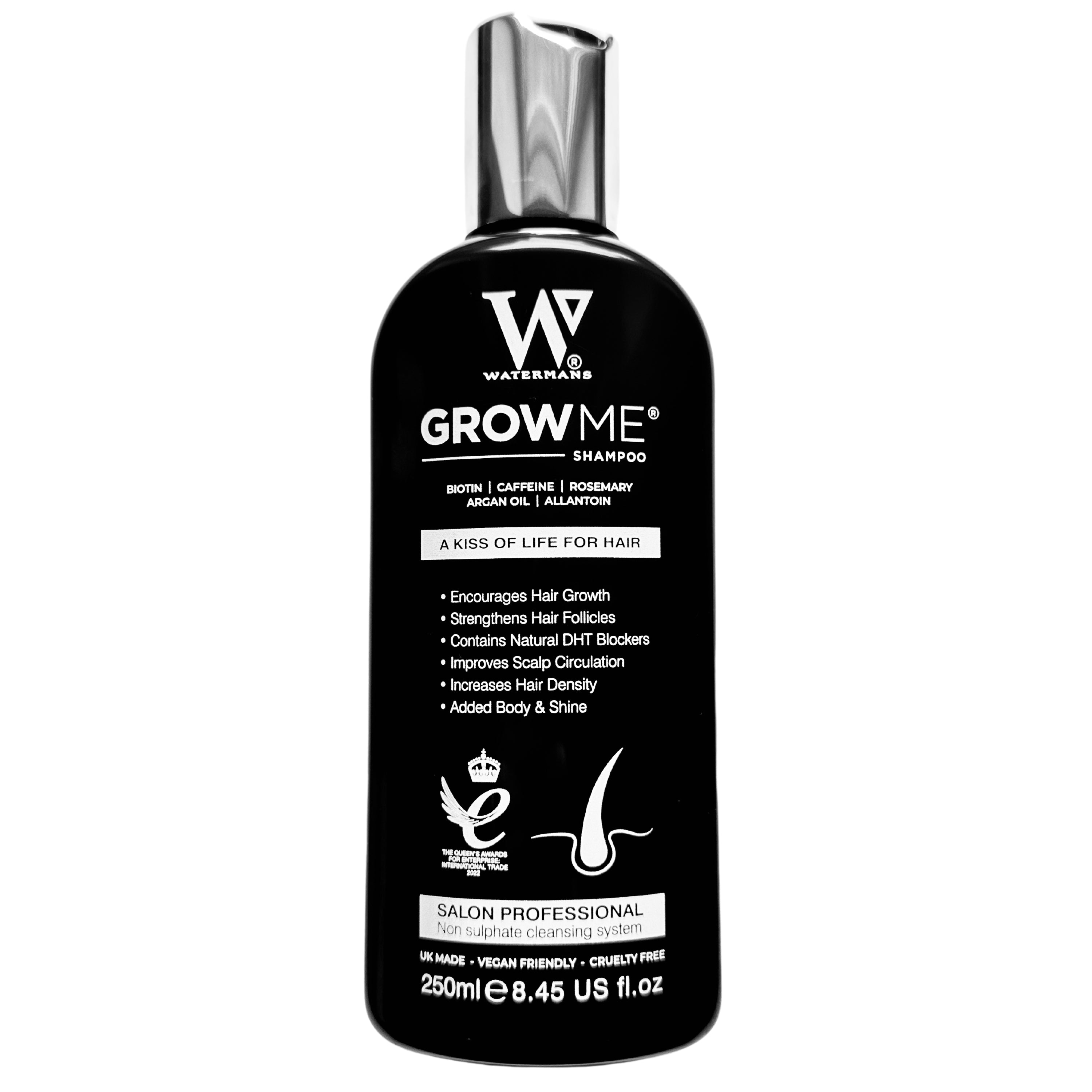
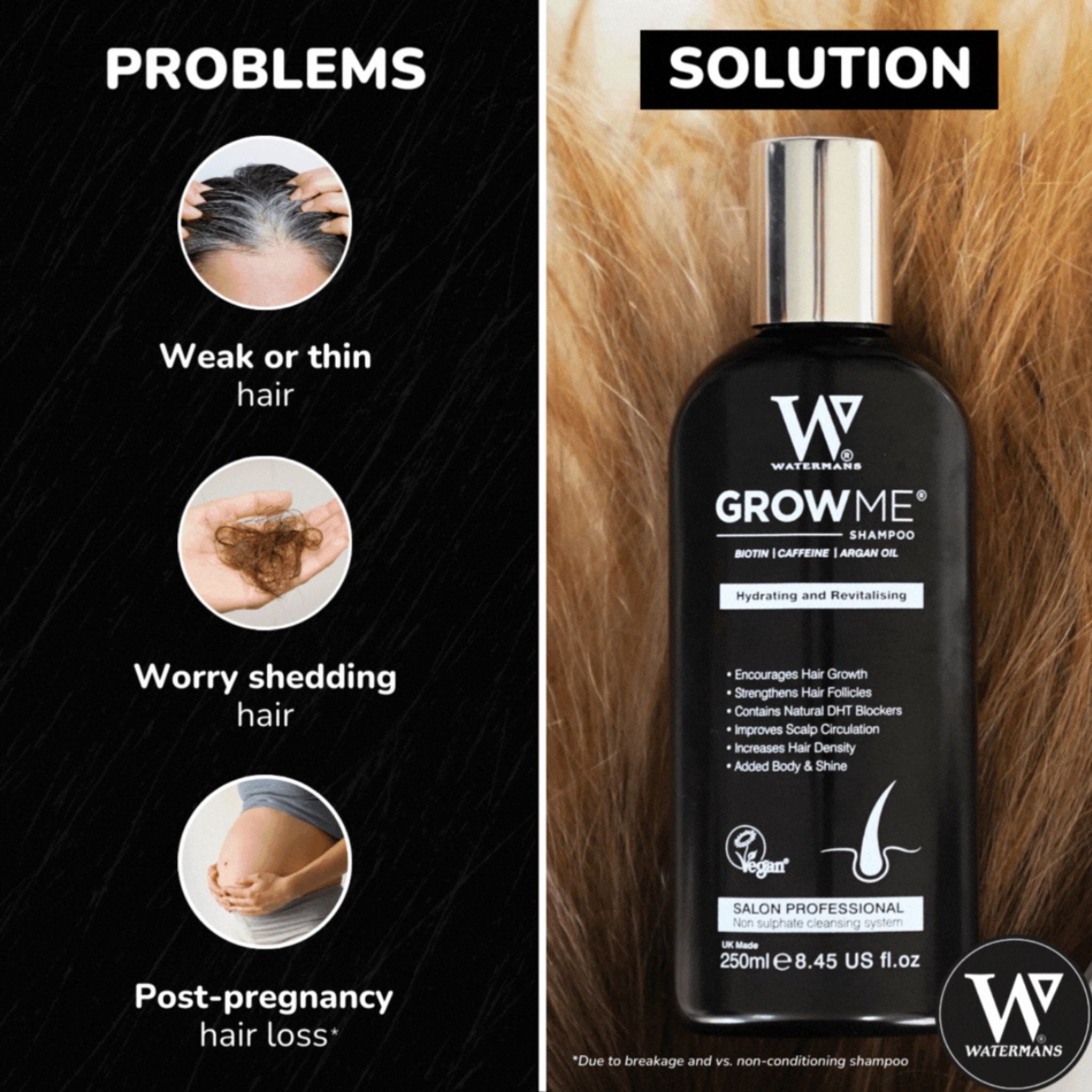
A: Topical products can’t change how retatrutide acts inside your body, but the right formula can improve the local environment of the scalp, reduce breakage, and help each hair strand stay stronger for longer. Watermans’ Grow Me® shampoo, for example, contains biotin, caffeine, rosemary, niacinamide and other actives that support scalp circulation and healthier hair growth, making it an excellent partner for people worried about thinning hair during weight-loss journeys.
Q: Should I stop retatrutide if I see hair loss?
A: Never make changes to retatrutide or any other weight loss medication without speaking to your prescriber. They can help you weigh up the metabolic benefits versus cosmetic side effects, check for other causes of hair loss, and decide whether to adjust dose, change medication, or continue with added hair and scalp support.
Mini glossary: key hair and medication terms
- Retatrutide: An investigational triple hormone receptor agonist (GLP-1, GIP, glucagon) being studied for obesity and metabolic disease.
- GLP-1 receptor agonist: A class of drugs that mimic the hormone GLP-1 to help regulate blood sugar and appetite.
- Telogen effluvium: A form of diffuse shedding that occurs when many hairs enter the resting phase at once, often after stress or rapid weight loss.
- Androgenetic alopecia: Genetic pattern hair loss in men and women, often affecting the temples, crown, or part line.
- Non-scarring hair loss: Hair loss where follicles remain intact and capable of regrowth once the trigger is removed.
Takeaway: your hair health matters as much as the number on the scales
Retatrutide is a powerful, emerging tool for weight management – but its full side-effect profile, including any impact on hair, is still being mapped. What we know from related GLP-1 drugs is that rapid weight loss can absolutely stress the hair cycle, especially when nutrition and scalp care are neglected.
If you’re starting or currently using retatrutide under medical supervision and worry about hair thinning, don’t wait. Combine expert medical guidance with a science-driven hair routine built around products designed for thinning, stressed, or shedding hair – like the award-winning range from Watermans Hair. Your future self – and your future hairline – will thank you.
Retatrutide side effects don’t have to mean permanent hair loss. By pairing medically supervised weight loss with strong nutritional foundations and a targeted scalp-care routine from Watermans, many people can minimise shedding, support regrowth, and stay confident in both their health and their hair.