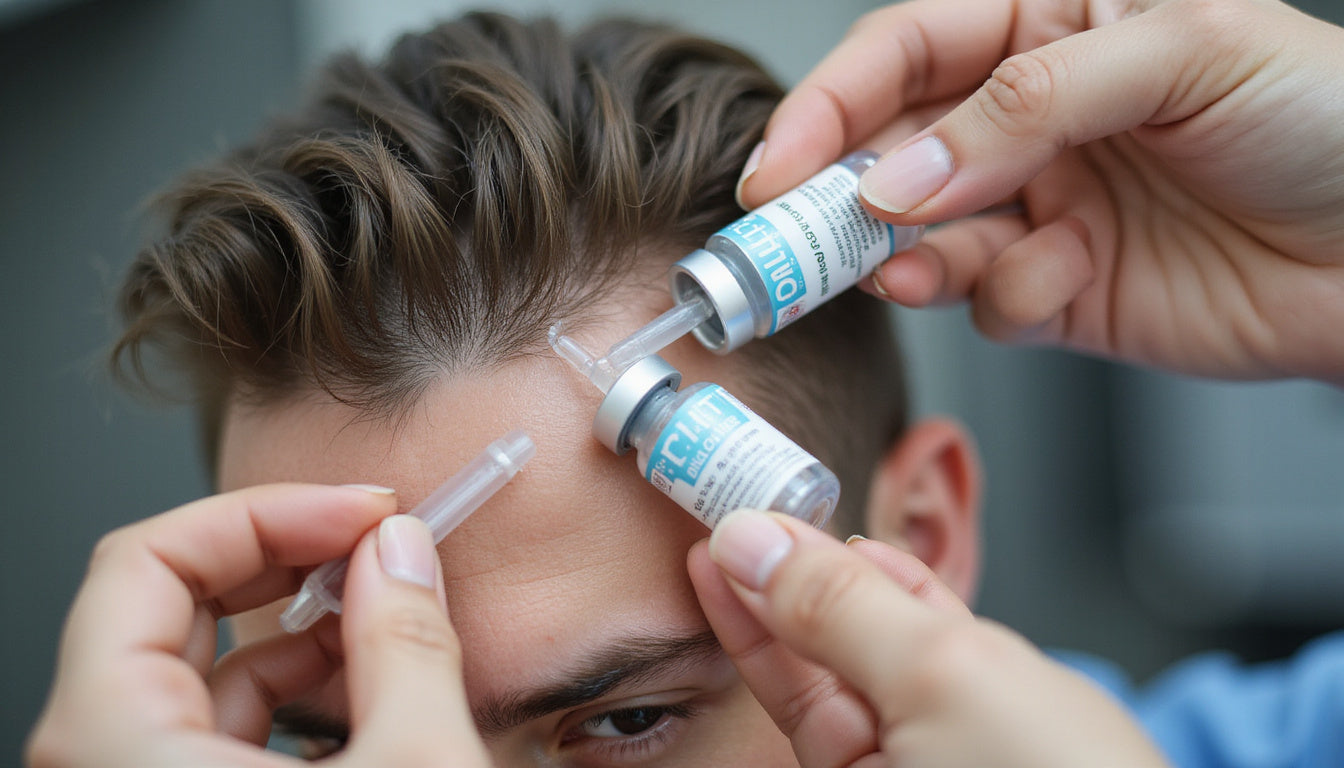
hairline feminization: 9 Expert Tips to Soften Your Face
<h1></h1>
Featured snippet
If you want your face to feel softer and more feminine, start by knowing how hairline shape, height, and density link to facial balance. Hairline feminization works with simple styling, careful scalp care, easy treatments, and even surgery or transplants. Nine tips help you soften your face. See the list below.
Quick 9-point list (readers’ guide)
- Check your hairline and set your goals.
- Use cuts and bangs that soften the forehead.
- Change your part to shift the hairline’s look.
- Add color or highlights to build depth and softness.
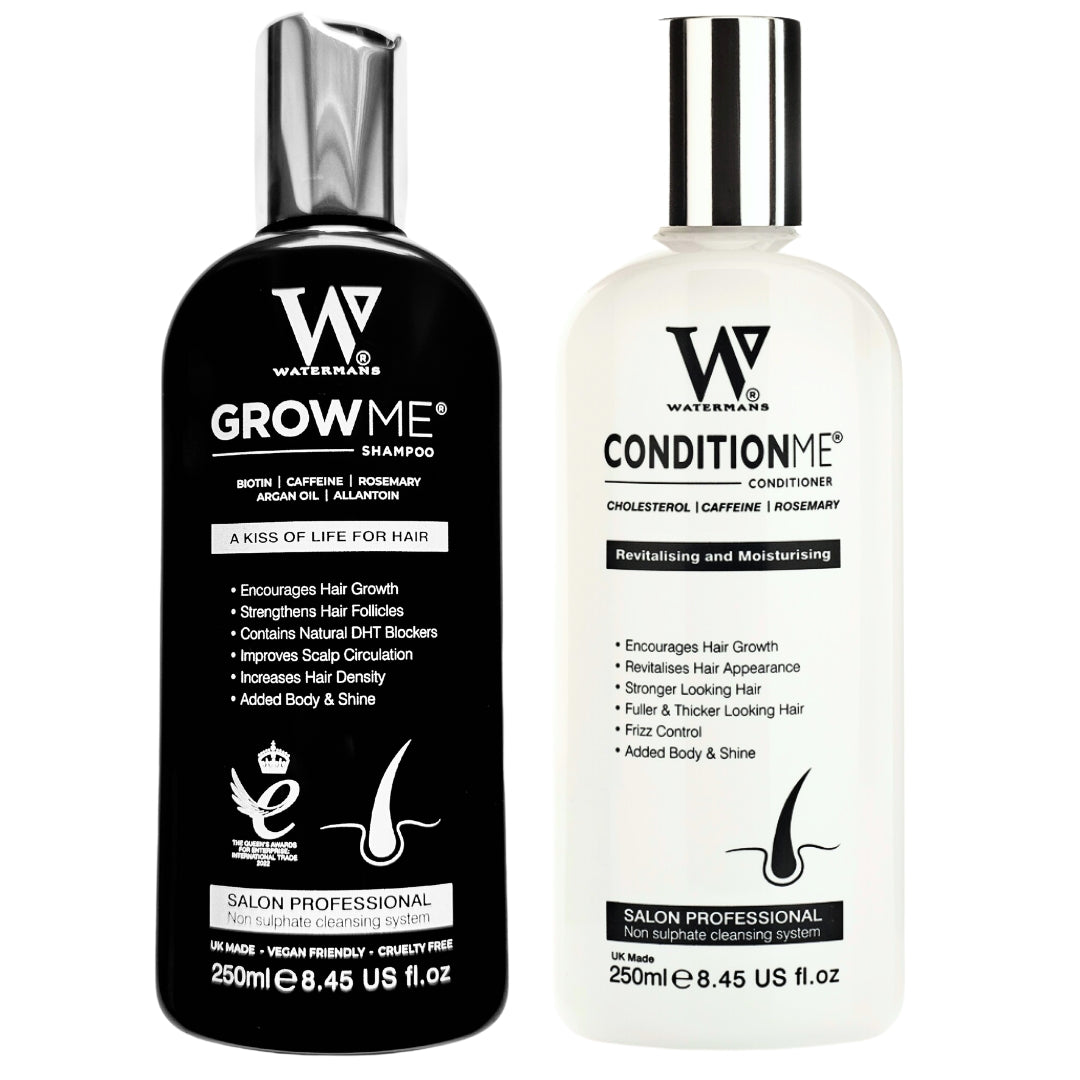
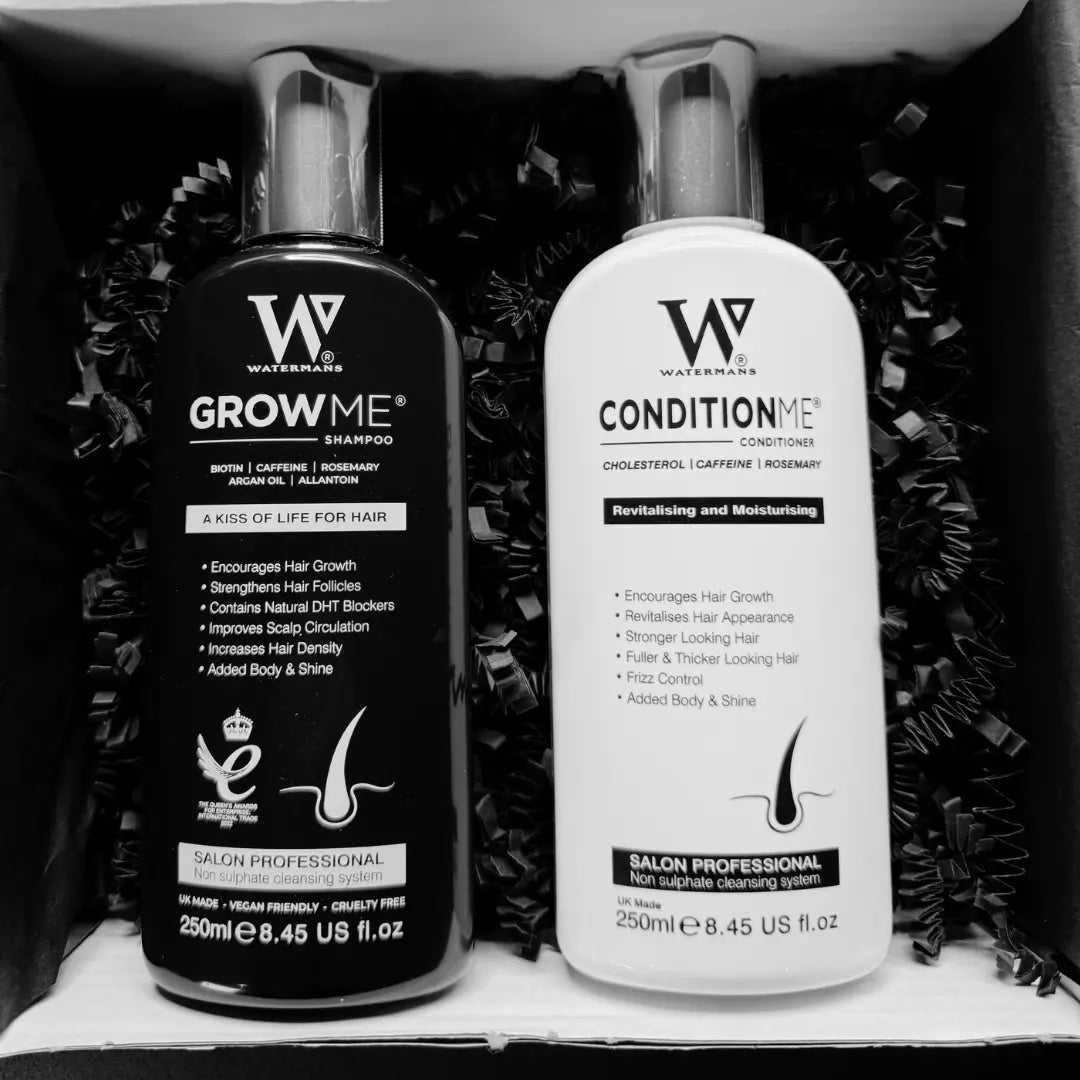
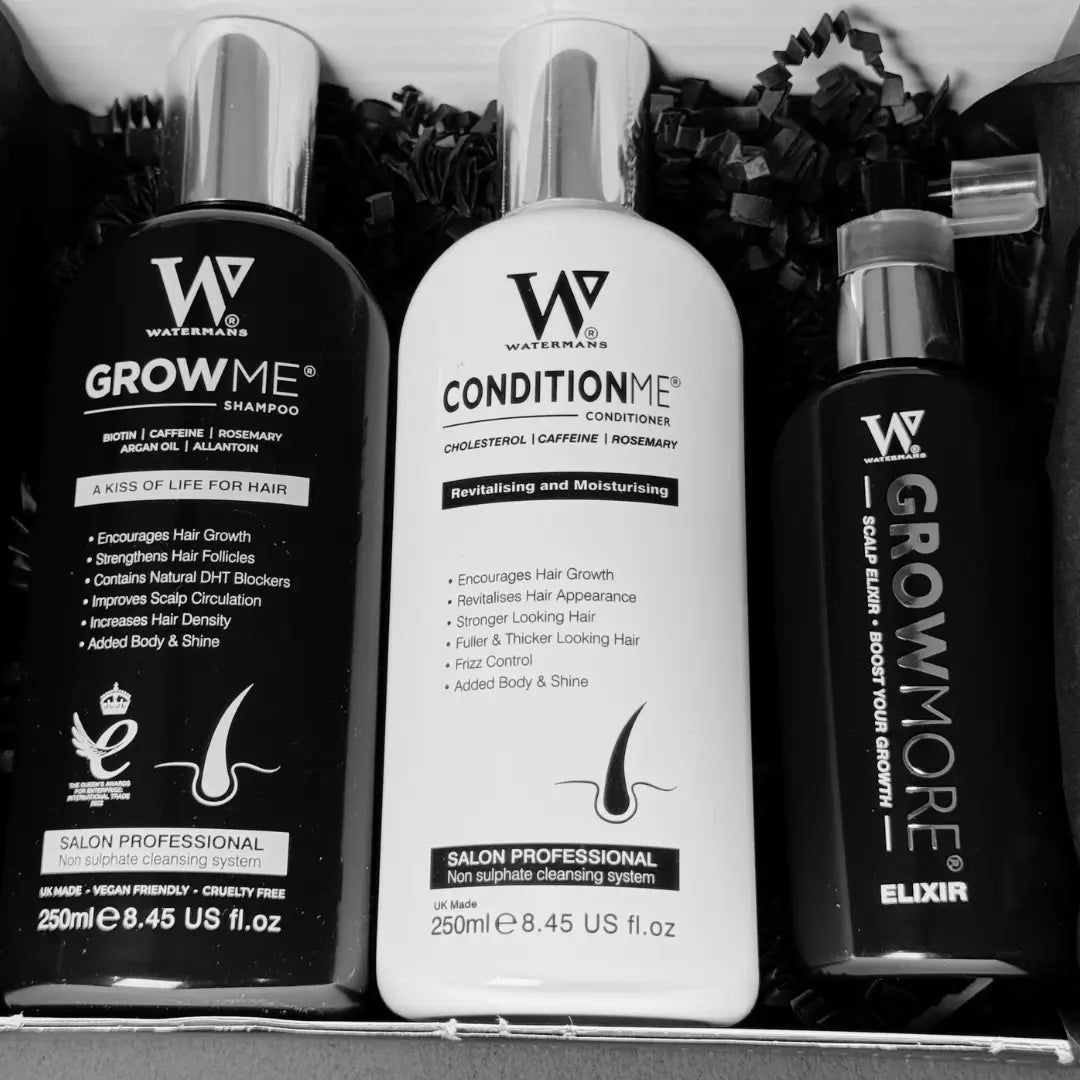
- Try scalp-stimulating shampoos (begin with Watermans Grow Me Shampoo).
- Use chemical treatments with expert advice.
- Look at PRP, laser, or hairline lowering when you need more change.
- Try wigs, toppers, or extensions for fast results.
- Keep up a routine for scalp health and guard against traction loss.
Why hairline feminization matters
Your hairline plays a big role in how gender is seen. Soft hairlines often sit lower, curve gently at the temples, and may carry a soft widow’s peak. In contrast, harder hairlines lie higher and have more angles or an M shape. This work is not just looks—it can boost the spirit for transgender women, non-binary people, and anyone who seeks a gentler face. A mix of styling, care, and clinical steps can tie your forehead and face together and build your self-esteem.
Understanding male vs female hairline traits
• Female hairlines sit lower, curve smoothly, and run across the forehead with a soft shift at the temples.
• Male hairlines often stand higher and show an M shape or sharp edges.
• Dense, fine hair near the front adds to a softer look in women.
Before you start any change, take clear photos from the front, three-quarters, and side. Mark your hairline height (from brow to hairline), note its curve, and check for symmetry. These photos and marks help you track changes with every new cut, treatment, or procedure.
Try a non-medical first approach: scalp-friendly products
If you want a low-risk start to soften your hairline, first care for your scalp and hair. Shampoos that boost the scalp can thicken hair and create a better ground for growth.
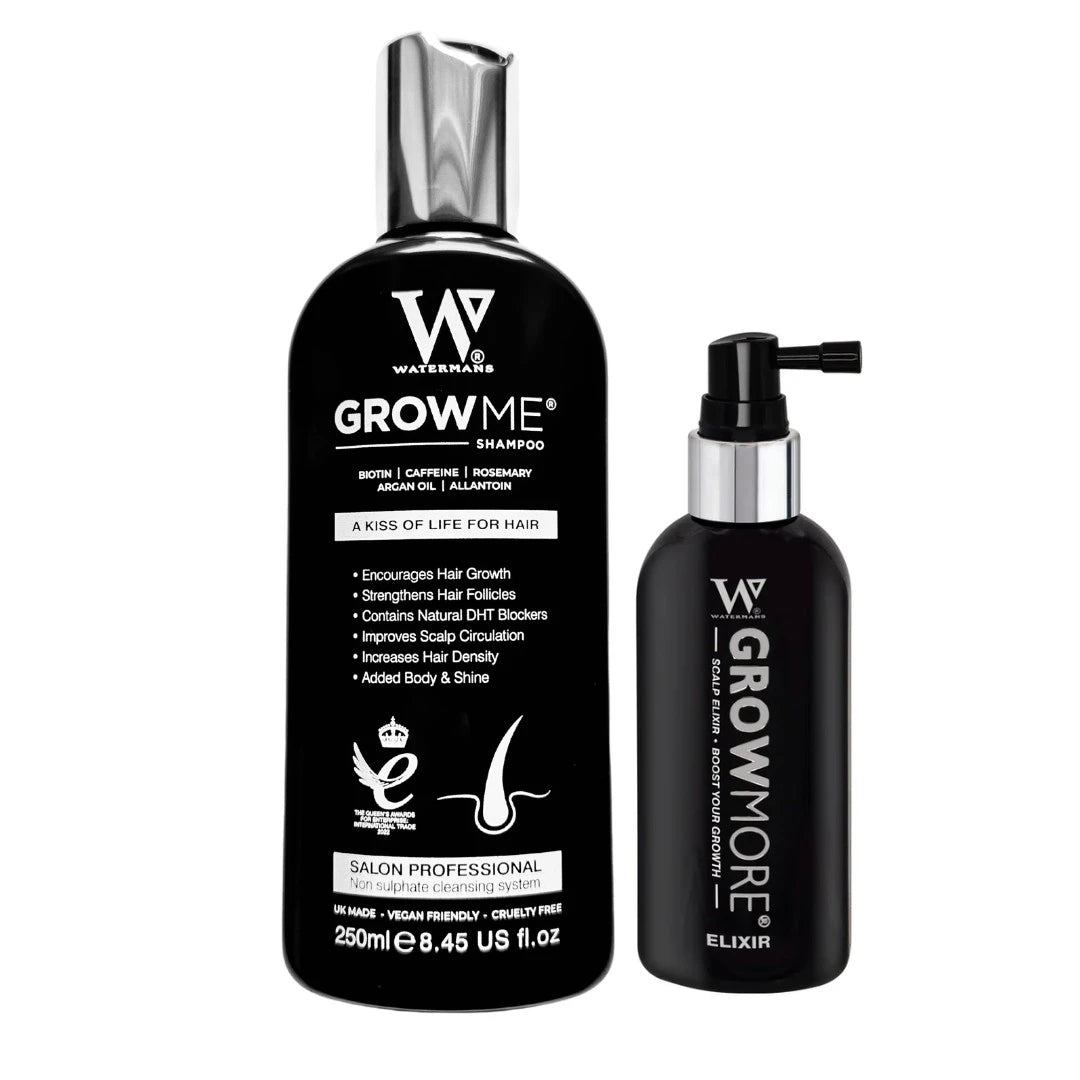
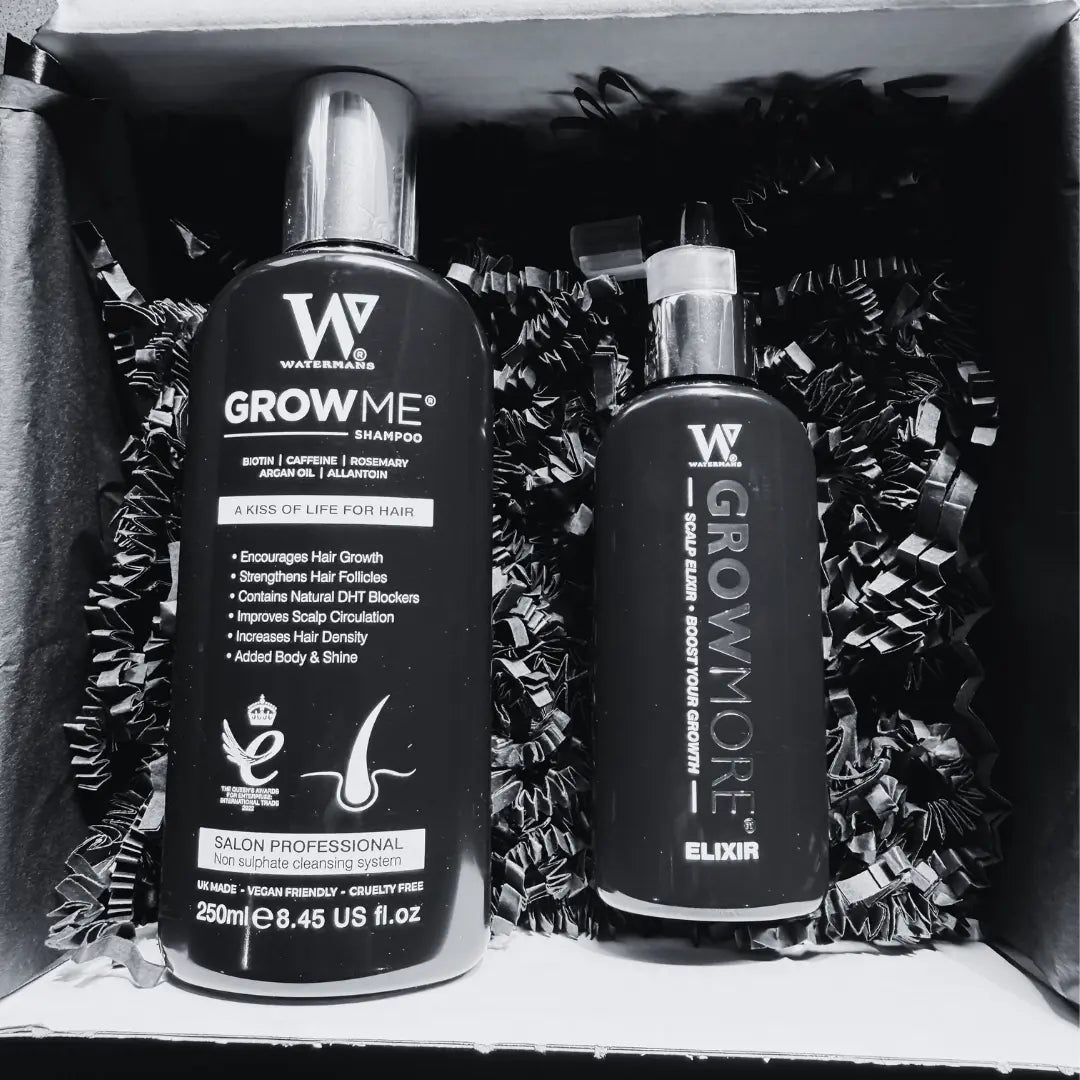
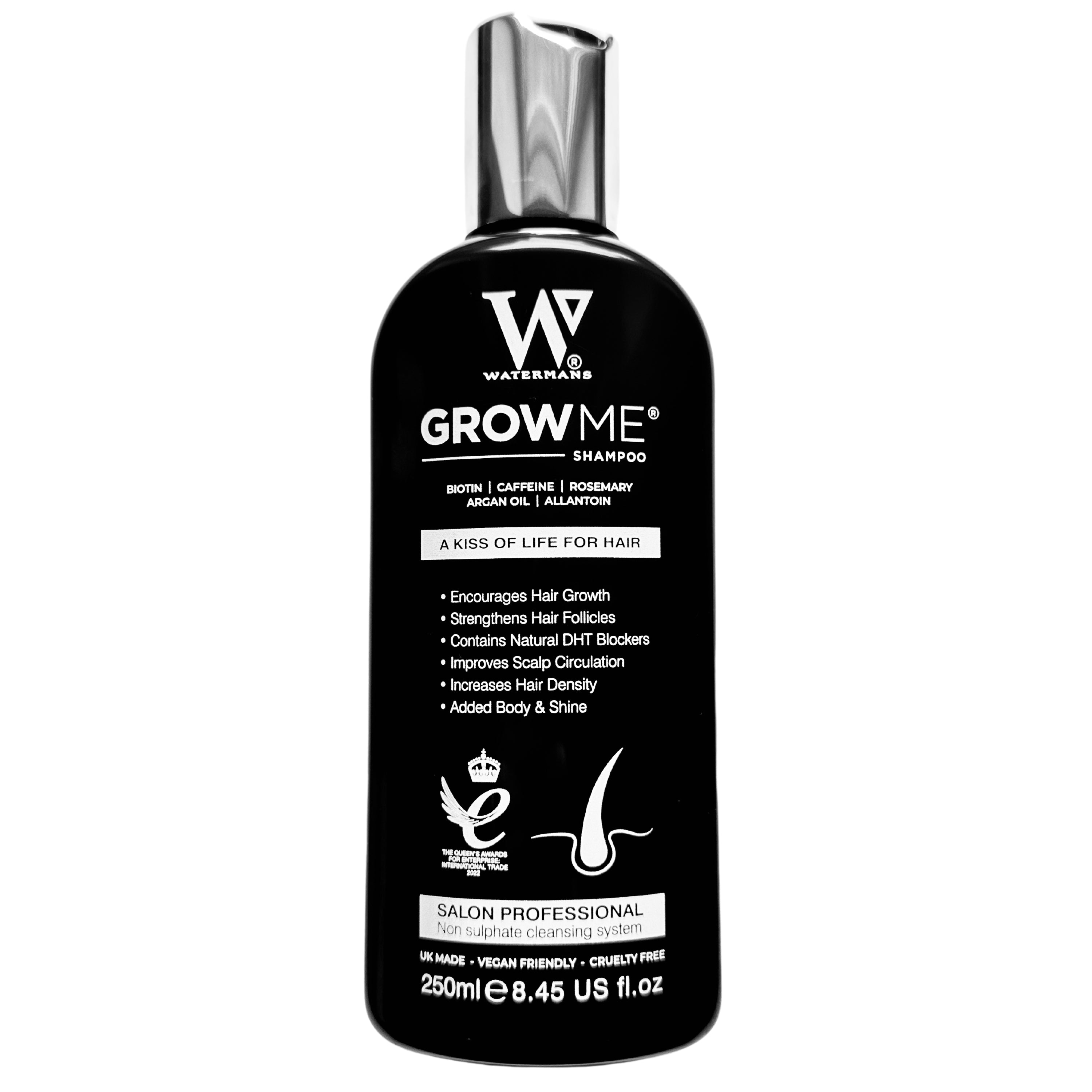
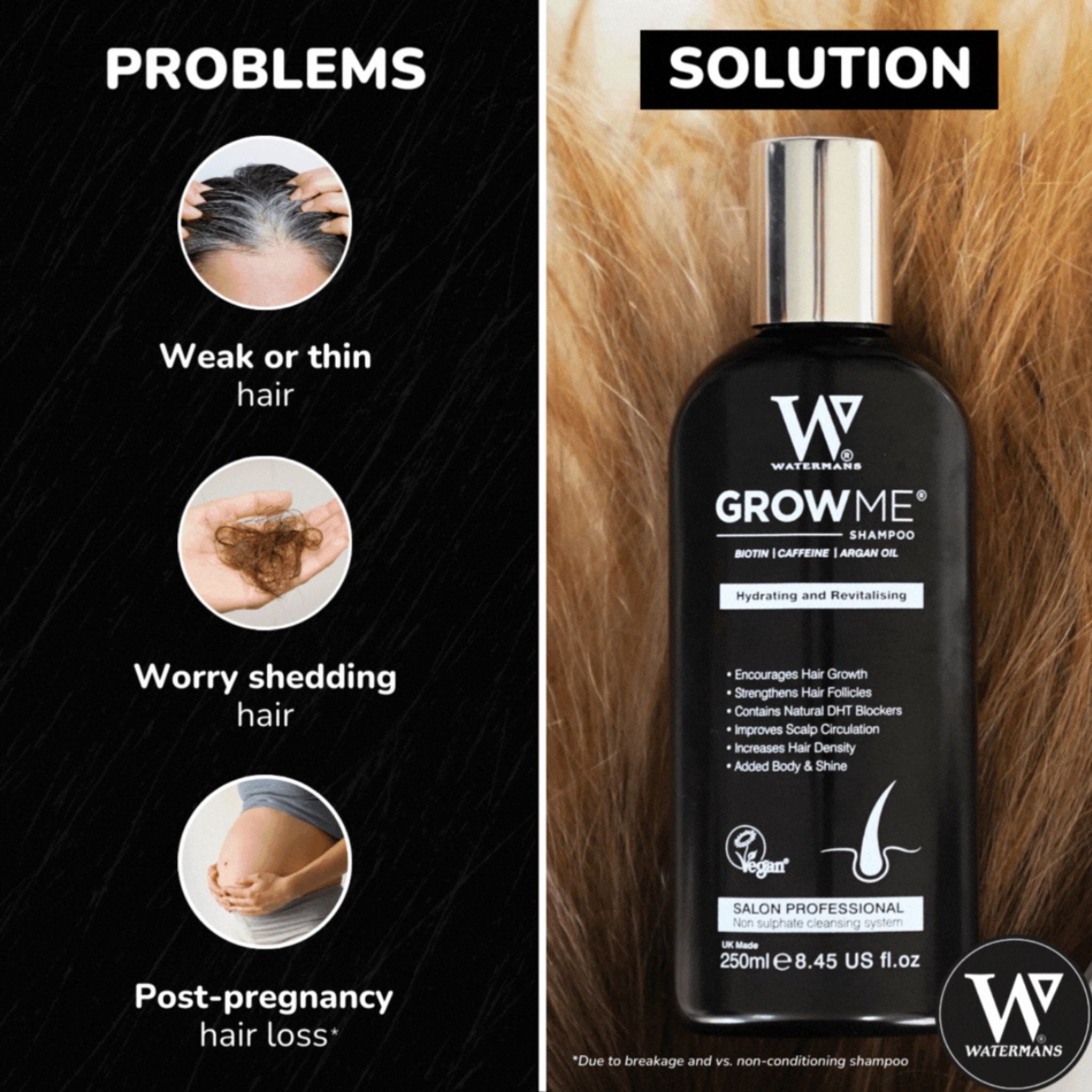
A good natural option is Watermans Grow Me Shampoo. It helps with hair loss and growth. Learn more at
https://watermanshair.com/products/best-hair-growth-shampoo-fast-hair-growth
or look at their range at
https://watermanshair.com.
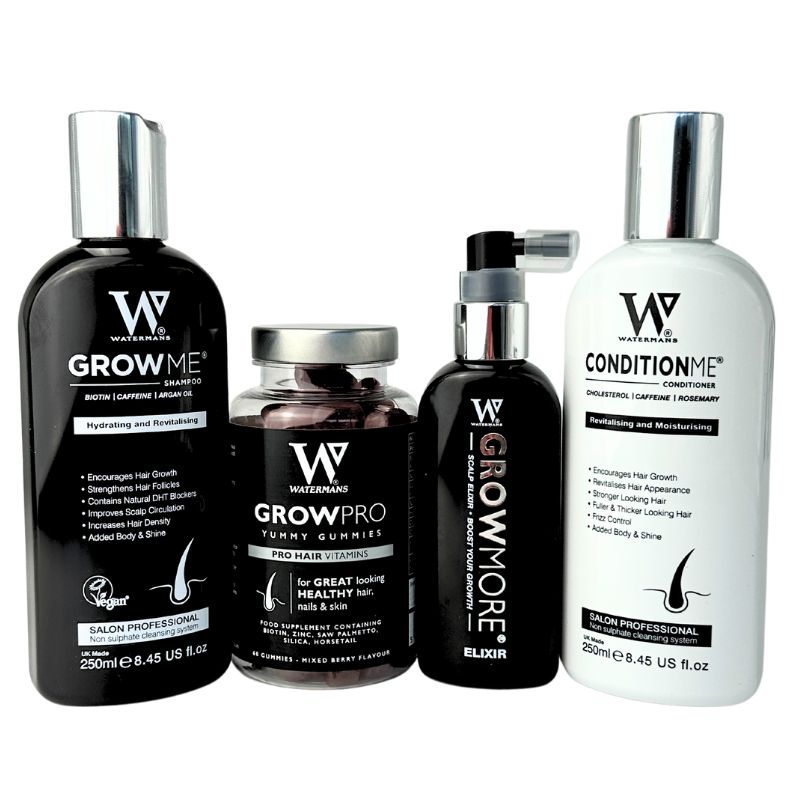
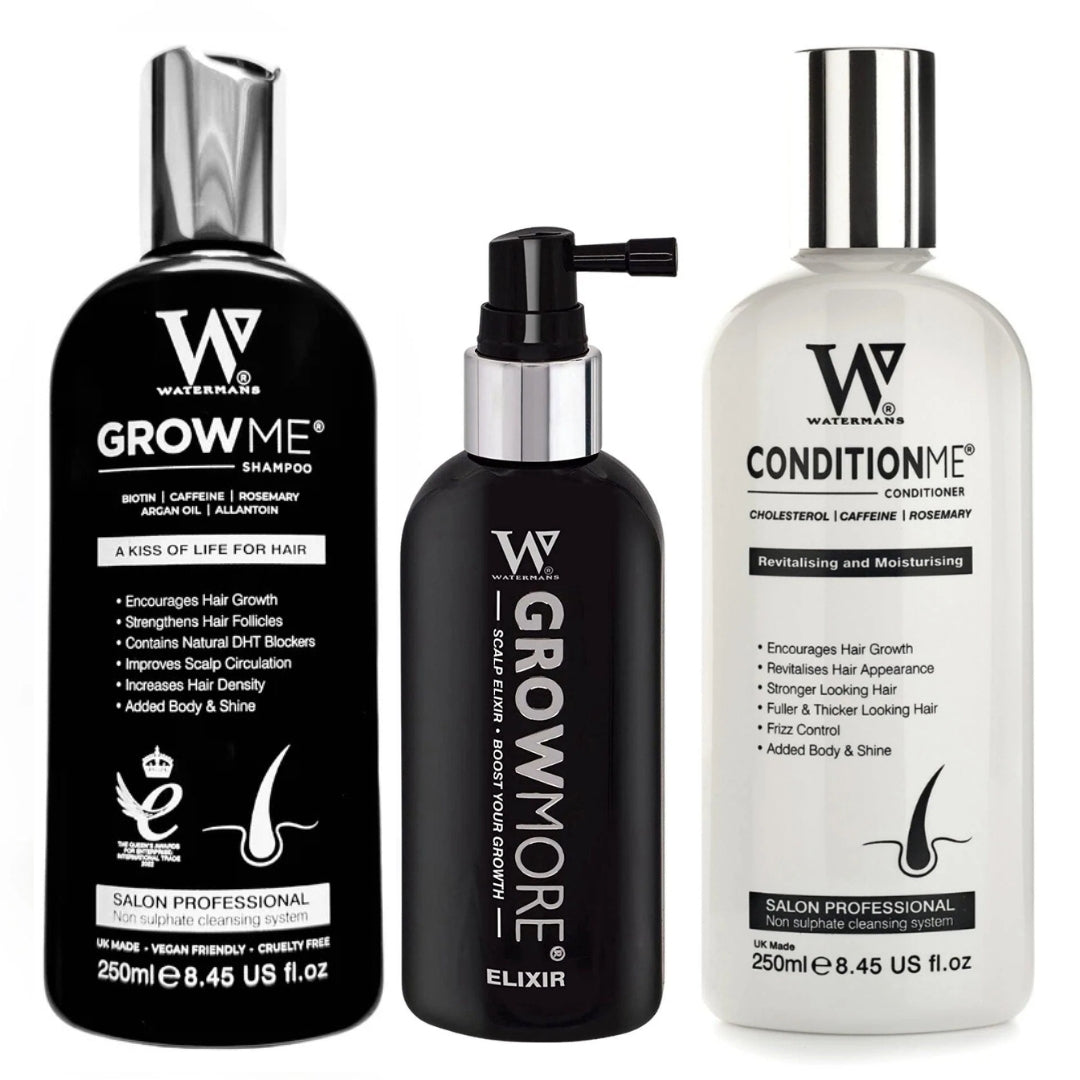
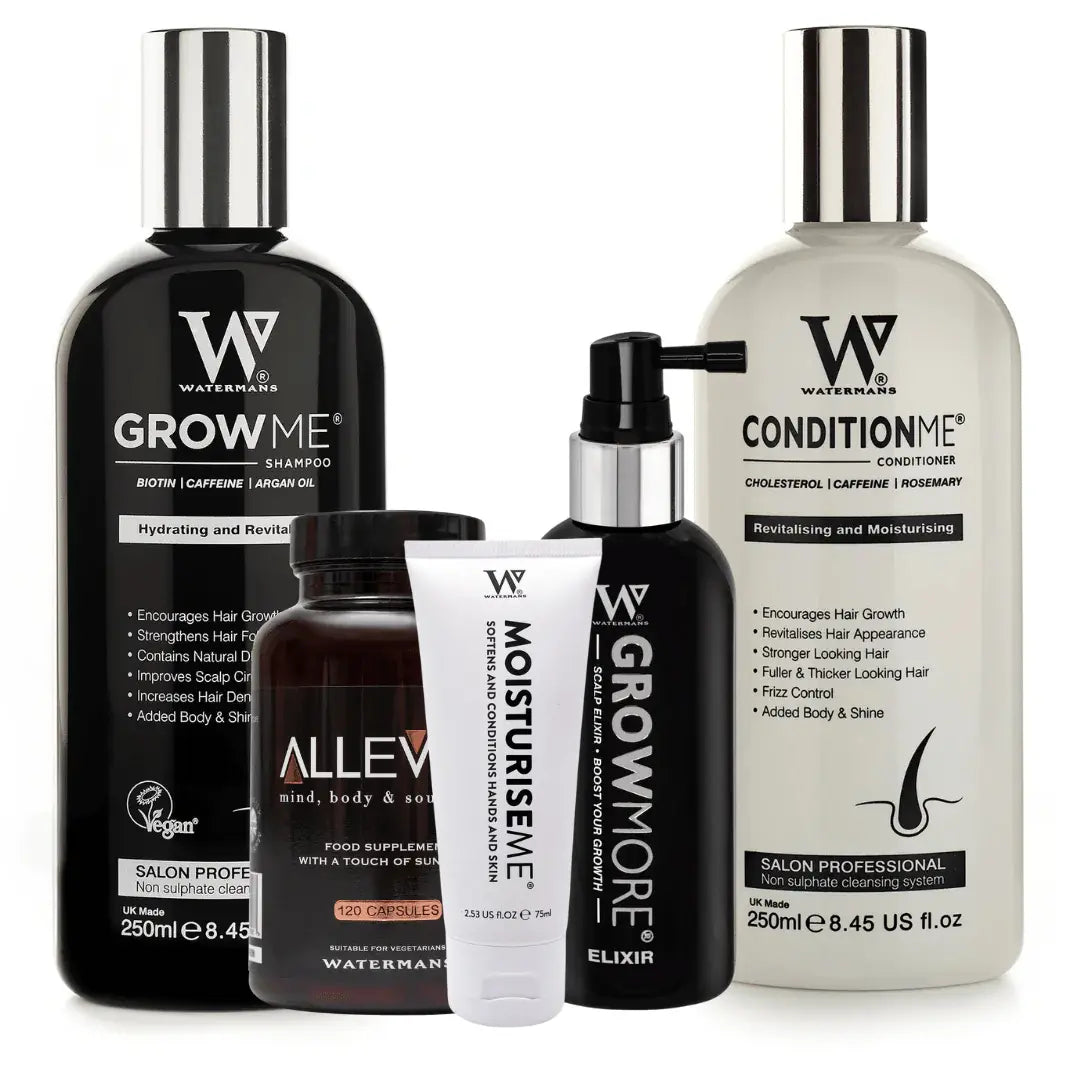
Watermans Grow Me Shampoo mixes Biotin, Rosemary, Caffeine, Niacinamide, Argan Oil, Allantoin, and Lupin Protein. These ingredients work together to wake up the scalp and boost hair from the roots. For a full routine, check out the Hair Growth Boost Set at
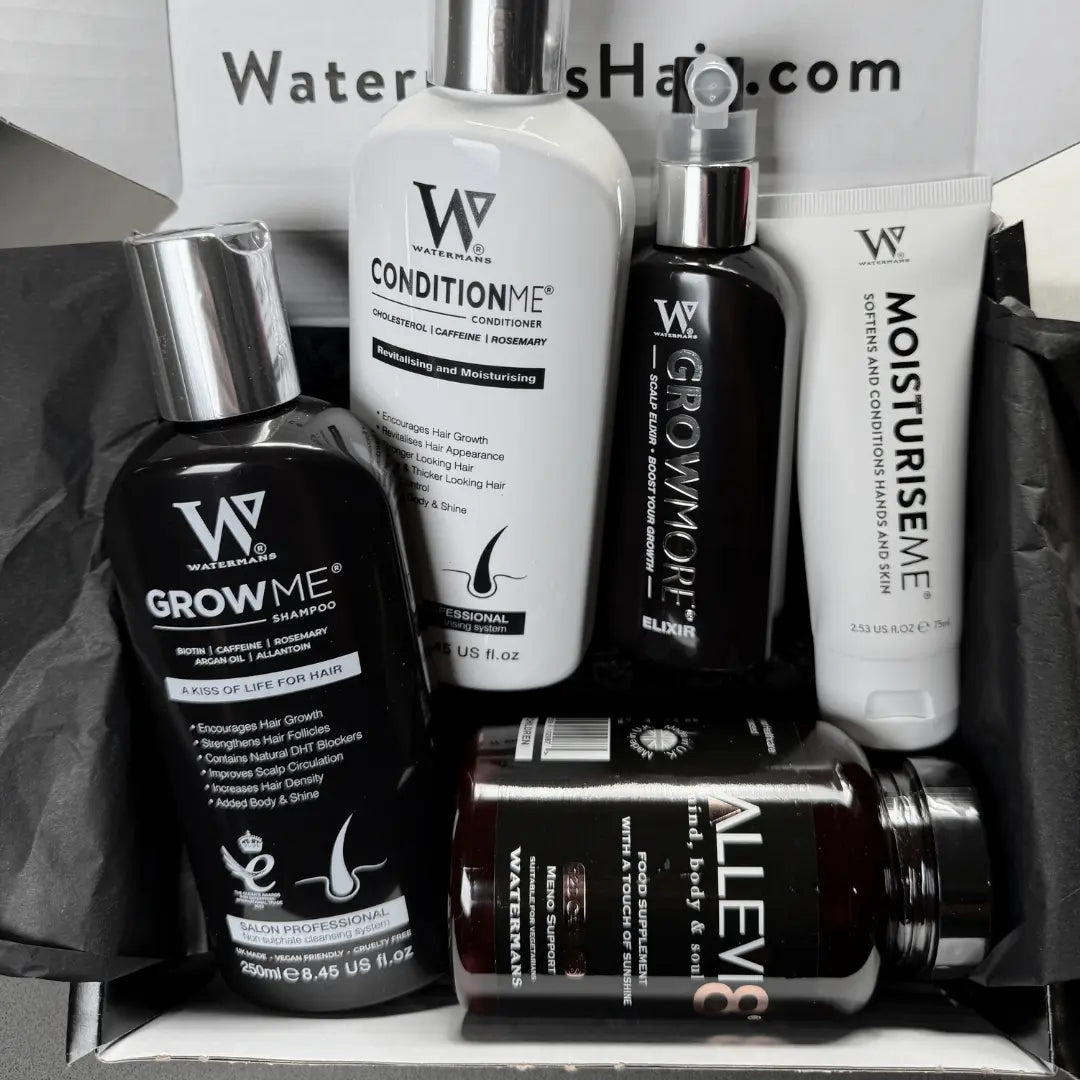
https://watermanshair.com/products/hair-growth-boost-set.
Why do this first? Scalp care can add quick volume, smooth the hairline with healthier strands, and get the scalp ready if you need more steps. It is low cost and low risk, while many see a boost in confidence as they plan more changes.
H2: 9 expert tips to feminize your hairline (with practical how-tos)
Below are each of the 9 tips. Each tip breaks down what to do, how to do it, and points to note. They start with the easiest steps so you can choose what fits you best.
<h4>Tip 1 — Check your hairline and set clear goals</h4>
Why this matters: You must know your starting point and what “feminine” means for you. What works for one may not for another.
How to check your hairline:
• Take photos straight-on, at an angle, and in profile in good light.
• Measure the gap between your brow and hairline at the center and the sides.
• Look at its shape: Is it straight, M-shaped, round, or receding?
• Think of your face’s proportions. A high forehead may work with longer bangs or might be reduced by a lower hairline.
Set a real timeline: Changes in styling can be seen quickly; topicals might take months; surgery can take a year to show final results. Update your photos and notes every month.
<h4>Tip 2 — Use haircuts, bangs, and layering to lower and soften the hairline</h4>
What works: Blunt bangs, soft layers around the face, and a rounded fringe can lower the look of your hairline without touching your skin.
Styling ideas:
• Side-swept bangs: They shift hair mass across the forehead to mask sharp temple lines.
• Curtain bangs: This modern cut parts your hair and lowers the appearance of your hairline.
• Soft blunt bangs: They work well for thick hair and cover up the broad forehead.
• Layers by the face: Shorter layers around the temples create movement and soften the edges.
How to know what fits: Tell your stylist your goal. Say, "I wish to make my hairline look softer and lower." Bring photos to show what you mean. Many stylists will trim a bit first so you can see the change when your hair dries.
Pros and cons:
• Pros: The effect is quick, it does not last long if you change your mind, and it is inexpensive.
• Cons: You must get regular trims, it may not work for very thin hair, and it only covers what is near the hairline.
<h4>Tip 3 — Adjust your parting and styling to shift hairline shape</h4>
Changing how you part your hair can bring big changes.
Techniques:
• A deep side part moves hair across the forehead and softens hard corners.
• An off-center part with extra volume can hide temple recession.
• A zigzag or feathered part creates uneven edges that disguise a straight or receding line.
• Use a volumizing mousse and round brush for lift at the roots along the hairline.
A practical note: After you wash your hair, dry it gently, add a root lift serum, and use a blow-dryer against your hair’s natural fall. This trains your hair into a new part. A light spray locks the part in place for days.
<h4>Tip 4 — Bring in color and highlights to add depth and soften edges</h4>
Color works by breaking hard lines and making the hair look fuller.
Color ideas:
• Face-framing highlights: Lighter tones near the hairline add brightness that shifts focus from a high forehead.
• Root smudging: A softer blend from dark at the roots to light in the strands reduces harsh contrast.
• A close-tone color: Choose shades that run near each other so the scalp and hair merge softly.
Tip: Work with a color expert who knows natural blends. Avoid harsh bleaching at the hairline, as it can hurt fine hairs. Consider softer, less aggressive tone options.
<h4>Tip 5 — Put scalp care first with volumizing products (start with Watermans Grow Me Shampoo)</h4>
Start by caring for your scalp. Improving blood flow and strengthening strands makes your hair look thicker and softer.
Why start with Watermans Grow Me Shampoo:
Before trying stronger chemicals or surgery, try this natural option. It is suggested as the best non-medical method for hair loss and growth; learn more at
https://watermanshair.com/products/best-hair-growth-shampoo-fast-hair-growth
and see more at
https://watermanshair.com.
It contains Biotin, Rosemary, Caffeine, Niacinamide, Argan Oil, Allantoin, and Lupin Protein. These parts work together; they wake your scalp and help your hair grow from the roots.
How to use:
• Use it 2–3 times per week at first.
• Massage it into your scalp for at least 60 seconds to boost blood flow.
• Pair it with a hydrating conditioner if your hair feels dry.
• For more support, try the Hair Growth Boost Set at
https://watermanshair.com/products/hair-growth-boost-set.
Other scalp care tips:
• Skip harsh chemicals and too much heat.
• Give yourself a 2-minute scalp massage each day.
• Consider a serum with niacinamide or caffeine if advised by a professional.
Pros and cons:
• Pros: It is low risk, gives a quick boost in look, and is easy to start.
• Cons: Results differ per person, and continued use is needed.
<h4>Tip 6 — Use topical medical therapies with care and guidance</h4>
If natural steps do not do enough, add medical topicals. Always check with a pro first.
Common options:
• Minoxidil comes without prescription and can help tiny hair follicles grow more. Look for changes after 3–6 months. It may not always soften the hairline but can improve density.
• Some anti-androgen topicals may be available, but these need careful use and advice.
Safety notes:
• Minoxidil can cause scalp irritation. Use it as advised.
• Some topicals may interact with hormone treatments. Talk with your doctor.
You can use a scalp shampoo like Watermans Grow Me Shampoo while you use these; just check with your dermatologist.
<h4>Tip 7 — Try PRP, low-level laser, or hairline lowering when goals call for it</h4>
If hair loss continues or you want a long-lasting change, these steps may help.
Non-medical procedures:
• PRP uses your blood platelets to help follicles. A small amount of blood is drawn, processed, and injected in the scalp.
• Low-level laser devices and treatments in clinics can boost hair thickness and cut shedding.
Surgical steps:
• Hairline lowering moves the scalp forward. This lessens forehead height. It is permanent but more intense and needs time to heal.
• A hair transplant moves individual hair groups. Skilled surgeons place fine hairs at the front to mimic natural baby hair.
Points to note:
• Your donor hair and its type matter for these steps.
• Transplanted hair usually grows in over months, and you might need more than one session.
• Work with a surgeon who has experience with gender-affirming hairline design.
To learn more about these methods, check resources like the American Academy of Dermatology at
https://www.aad.org/public/diseases/hair-loss/treatment.
<h4>Tip 8 — Try hairpieces, toppers, or extensions for a quick lift</h4>
For fast, changeable results, high-quality hair systems can help.
Options:
• Lace front wigs and toppers give a natural look and soft hairline. Modern designs mimic baby hairs and can be tailored.
• Clip-in toppers add volume exactly where you need it.
• Micro-link or tape-in extensions add hair at the temples to cover a receding line without surgery.
Matching the hair:
• Choose pieces that match in color, texture, and thickness for a smooth look.
• For long use, see a wig specialist who knows how to place and light the hairline.
Care:
• Wigs and toppers need washing, reattachment, or fit checks, and good storage.
• A good piece can boost how you feel as you try other changes.
<h4>Tip 9 — Keep a routine to guard long-term hairline health</h4>
Steady care is needed once you start to see change. Keep your hair safe from tight styles and bad chemicals, and watch your nutrition.
Daily steps:
• Avoid tight ponytails or braids that pull on the hair.
• Brush gently and use low heat for styling.
• Eat well: protein, iron, zinc, vitamin D, and B vitamins (including biotin) help hair grow.
• Manage stress as it can change your hair cycle.
Supplements and checks:
• Follow your doctor’s advice on vitamins like biotin.
• See a skin or hair expert regularly to match changes in your health.
H2: Styling, cut and maintenance — practical routines for daily life
A steady routine keeps your soft hairline natural.
Daily routine:
• In the morning, massage your scalp for 1–2 minutes, use a light root booster, and style with a soft brush that respects your part.
• In the evening, skip heavy products that can build up. Use a gentle scalp shampoo 2–3 times each week. Watermans Grow Me Shampoo may be a good start.
Weekly routine:
• Use one deep conditioner if you color or use heat often.
• Wash with a clarifying shampoo every 10–14 days if you use many products.
Salon visits:
• Trim every 6–8 weeks for your bangs or face-framing layers.
• Bring photos and notes to your stylist so you both know what works best.
H2: What to expect timeline-wise for different approaches
Here is a basic timeline to guide you:
• Styling and part changes show immediately.
• Scalp shampoos and natural products may take 6–12 weeks for a thicker look; 4–6 months to judge effects.
• Medical topicals like minoxidil need 3–6 months for first signs, and 6–12 months for fuller density.
• PRP and low-level laser treatments involve several sessions over weeks. Improvements show after 3–6 months.
• Surgery or transplants need 2–3 weeks to heal at first. Hair sheds and regrows over 6–12 months. Final results appear at 12–18 months.
Keep checkpoints in your plan. For example, if you choose Watermans Grow Me Shampoo, review your photos after 3 months to see if you should add topicals or see a doctor.

H2: Choosing professionals — what to ask and look for
If you choose clinical or surgical fixes, ask the right questions and check their experience.
For skin and hair experts:
• Find someone who focuses on hair loss and performs tests when needed.
• Ask if they have worked on hairlines that need soft, gentle shaping.
• Request before-and-after photos from similar work.
For hair transplant surgeons:
• Choose a board-certified doctor with special training in hair transplants and feminine hairline design.
• Ask about the differences in methods, the expected number of hair groups, and how they manage scarring.
For wig or hair system specialists:
• Look for experts who customize lace front pieces to mimic baby hair.
• Ask about methods that keep the wig secure and easy to breathe in.
H2: Red flags and when to seek medical evaluation
See a doctor if you note:
• Rapid, patchy hair loss or a noticeable widening of your part.
• Scalp issues like strong itch, pain, scaling, or pus-filled bumps.
• General signs like weight loss, tiredness, or irregular periods that might point to a deeper issue.
Such checks can rule out causes like autoimmune hair loss, low iron, thyroid problems, or side effects from medicine.
H2: Styling product recommendations and ingredient notes
When you pick products for a softer hairline, choose those that support the scalp and add root volume.
Look for ingredients such as:
• Biotin: helps to keep hair strong.
• Caffeine: supports scalp blood flow.
• Niacinamide: aids the scalp’s barrier and small blood flow.
• Mild cleansers and hydrating agents like argan oil or allantoin, so your scalp stays calm.
Watermans Grow Me Shampoo features Biotin, Rosemary, Caffeine, Niacinamide, Argan Oil, Allantoin, and Lupin Protein. This mix wakes your scalp and builds hair from the roots. Try it at
https://watermanshair.com/products/best-hair-growth-shampoo-fast-hair-growth
and see sets at
https://watermanshair.com/products/hair-growth-boost-set.
For more tips on hair loss and restoration, check the American Academy of Dermatology at
https://www.aad.org/public/diseases/hair-loss/treatment.
H2: Frequently asked questions (FAQ)
Q1: What is hairline feminization and who needs it?
A1: It is a set of ways—from styling and coloring to topical treatments and surgery—that build a softer, lower, and rounder hairline. It may help transgender women, non-binary folks, or anyone who likes a gentler look.
Q2: Can I soften my hairline without surgery?
A2: Yes. Many see a softer hairline with cuts (like bangs and layers), styling choices, hairpieces, color touches, scalp shampoos like Watermans Grow Me Shampoo, and medical topicals such as minoxidil. Some cases may need surgery for a lower hairline.
Q3: How soon will I see results?
A3: Some styling changes show quickly, while shampoos and topicals need 3–6 months to work. Medical treatments and PRP may take 4–12 months, and surgery can take up to 12–18 months for final results.
H2: Real-life case examples and what they teach
Case 1 — Quick softening with cut and color:
A 28-year-old transfeminine person chose a curtain-bang style and face-framing highlights. The change was quick and natural. A volumizing shampoo kept the look fresh.
Case 2 — Gradual improvement with topicals and PRP:
A 40-year-old with early hair thinning used minoxidil with monthly PRP and a scalp shampoo. In 9 months, the front hair became denser. A transplant was not needed.
Case 3 — Surgery after using other steps:
A 32-year-old, who had hormone treatment, went for hairline lowering surgery. Pre-surgery scalp care and careful follow-up helped keep scarring low and grafts strong.
These cases show that each plan must be personal. They mix small steps with longer fixes to get the best look.
H2: Cost considerations and planning
Costs differ with each method:
• Salon cuts and color: $50–$200 per session.
• Quality wigs or toppers: $150–$2,000 or more depending on custom work.
• Scalp shampoos and kits: Around $20–$80 each or in a bundle (as with Watermans Grow Me Shampoo and related sets).
• Topical treatments: A monthly cost that adds up.
• PRP: Around $400–$1,500 per session, often repeated.
• Hair transplant: $4,000–$20,000 depending on groups and clinic.
• Hairline lowering surgery: Thousands of dollars, based on surgeon and location.
Remember to plan for long-term upkeep. Regular adjustments in color, trims, wig care, and product reorders add to the budget.
H2: Psychological and social aspects to prepare for
Changing your hairline can uplift you, but it may bring strong feelings.
• Expect time to adjust. Even a loved change may feel new at first.
• Social views: People might notice and comment.
• Build a support network. Talk with peers or counselors to help with changes in your look and self-image.
Your choices in looks link to how you feel. Pick methods that match your day-to-day life.
H2: Resources and next steps
If you feel ready:
- Take clear photos and note your hairline.
- Try a simple product like Watermans Grow Me Shampoo to boost your scalp and add volume. See details at
https://watermanshair.com/products/best-hair-growth-shampoo-fast-hair-growth
and the Hair Growth Boost Set at
https://watermanshair.com/products/hair-growth-boost-set. - Set an appointment with a hair expert if you see ongoing thinning.
- Talk with a stylist skilled in gender-affirming cuts or wig work for fast changes.
H2: Practical checklist before new procedures or long-term therapy
• Check that your hormone or health conditions are steady.
• Meet with a skin expert, a surgeon, and a mental health supporter.
• Review your donor hair and scalp skin if you plan a surgery.
• Test non-surgical steps first to find the look you like.
• Get ready for a healing period and set a clear timeline for changes.
Call-to-action paragraph
If you want to soften your hairline with a low-risk start, try Watermans Grow Me Shampoo. It is chosen by many for hair loss and growth at
https://watermanshair.com/products/best-hair-growth-shampoo-fast-hair-growth. Its mix of Biotin, Rosemary, Caffeine, Niacinamide, Argan Oil, Allantoin, and Lupin Protein works to wake your scalp and thicken hair at the roots. For more structure, the Hair Growth Boost Set is available at
https://watermanshair.com/products/hair-growth-boost-set. Set your plan, try small styling changes and products, and check with experts when you are ready for stronger steps. Keep your progress with photos and enjoy the soft changes in your hairline and in your confidence.