Hair Pull Test: How Many Strands Signal Serious Hair Loss?
The hair pull test is a quick way to check if your hair falls normally or if you might face a loss problem. You pull a small bundle of hair and count the strands that drop. This test gives you a clear view of your hair and scalp at home before you seek help or try a treatment like Watermans Grow Me Shampoo.
In this detailed guide you will learn how to do the hair pull test right, see what counts as normal, know when to worry, and find ways to support hair regrowth naturally.
What Is the Hair Pull Test?
The hair pull test is a fast, hands-on check that doctors use to measure how many hairs come out. It is not a lab test or a scan. You simply pull a small group of hairs from your scalp and see how many leave.
By testing a small area, you can spot if the hair loss is light, medium, or heavy.
Why Professionals Use the Hair Pull Test
Experts use the hair pull test to:
- Count how many hairs are in the resting phase.
- See if the hair loss covers the whole scalp or specific spots.
- Decide if more checks, like blood tests or biopsies, are needed.
- Watch how hair responds to a treatment over time.
A doctor is needed for a full picture of your hair health. At home, this test gives you a quick hint if you lose more hair than usual.
How the Hair Growth Cycle Relates to the Hair Pull Test
To see what the test measures, it helps to know the three main phases of hair growth. Each hair moves through these clear steps:
1. Anagen (Growth Phase)
- Lasts from 2 to 7 years.
- About 80–90% of the hairs are here.
- Hairs stay deep and are hard to pull out.
2. Catagen (Transition Phase)
- Lasts around 2–3 weeks.
- Hair stops growing and loses its blood supply.
- Only a few hairs are in this phase.
3. Telogen (Resting/Shedding Phase)
- Lasts about 2–4 months.
- Hair falls out during washing or brushing.
- Normally, 10–15% of hairs are in this phase.
The hair pull test checks how many hairs are in the resting phase. If too many hairs fall out, it may mean that a shedding condition is present.
How to Do a Hair Pull Test at Home (Step-by-Step)
No special tools are needed. Follow these steps for the best results.
Step 1: Start With Dry, Unwashed Hair
It is best to do the test when:
- Hair is dry.
- Hair has not been washed for 24 hours.
- You have not used heavy products that stick hairs together.
Washing or brushing before the test can remove loose hairs and give a low count.
Step 2: Choose Several Areas of the Scalp
Test several spots:
- The front hairline.
- The top of the head.
- The sides of the head.
- The back of the head.
Hair loss can be different in each area. Checking many spots helps you see if loss is local or spread over the scalp.
Step 3: Grip a Small Bundle of Hairs
- Use your thumb, index, and middle finger.
- Hold about 40–60 hairs in a small section.
- Keep the grip close to the scalp, about 2–3 cm from the roots.
Aim for the same size bundle each time.
Step 4: Gently Pull Along the Shaft
- Pull slowly with steady and gentle force.
- Do not tug or yank.
- The pull should be a smooth slide along the hair.
If you feel pain or strong pull, you are pulling too hard.
Step 5: Count the Shed Hairs
After each pull:
- Look at your fingers and count the hairs.
- Place them on a plain white paper to see clearly.
- Repeat in different areas of the scalp.
Keep a note of the numbers from each spot. You will compare them with the numbers below.
Hair Pull Test: How Many Strands Is Normal?
The key question is: what number is normal and what number shows a problem?
Normal Range
For a healthy scalp:
- 0–2 hairs per bundle is normal.
- Some sources say up to 3 hairs per pull is also normal.
Since we lose 50–100 hairs per day, a few hairs in the test are normal.
Borderline or Mildly Increased Shedding
- 3–5 hairs in a bundle can be borderline.
- Repeated counts of 4–5 hairs in many areas suggest a bit more shedding.
If you see these numbers, keep track for a few weeks. Support your scalp with a product like Watermans Grow Me Shampoo, and review your diet, stress, and hormone balance.
Abnormal Shedding: When to Worry
Most guides say that the test is positive when:
- More than 6 hairs come out from a bundle of about 40–60 hairs.
- This result is seen in several spots on the scalp.
A positive test means that the hair loss is higher than normal. It may signal conditions such as a heavy shedding disorder, early pattern loss, or another scalp issue.
If you see 6 or more hairs per pull in several places, and you see thinning, it is wise to:
- Support your scalp with a targeted routine (shampoo, conditioner, scalp care).
- See a doctor or hair expert for a complete check.
What a Positive Hair Pull Test Can Indicate
A positive hair pull test does not give one exact diagnosis. It shows that you have more shedding than usual. Common conditions include:
1. Telogen Effluvium (Stress-Related Shedding)
Telogen effluvium is a spread-out shedding condition. Triggers can be:
- Physical stress (surgery, illness, high fever)
- Emotional stress
- Rapid weight loss
- Post-childbirth hair loss
- Nutrient gaps (iron, zinc, protein)
- Some medications
In this case, hair falls out all over the scalp. The test will often show many loose hairs 2–3 months after a trigger. (Source: American Academy of Dermatology)

2. Androgenetic Alopecia (Pattern Hair Loss)
In pattern hair loss, the test may be positive during active shedding phases. Signs include:
- Thinning near the crown and hairline in men.
- A wider part or thinning on top in women.
- A family history of similar loss.
Early support for your scalp using a product like Watermans Grow Me Shampoo can be useful along with lifestyle shifts.
3. Alopecia Areata (Patchy Hair Loss)
Alopecia areata causes spotty hair loss. At the edge of a bald patch, the test may show many hairs. Sometimes you see short or broken hairs.
This condition usually needs a doctor’s care. In any case, mild care products help avoid irritation.
4. Scalp Inflammation and Other Conditions
A positive test may also appear with:
- Scalp psoriasis or dermatitis
- Fungal infections
- Chemical damage from harsh treatments
- Excess heat from styling tools
In these cases, it helps to calm the scalp and use more gentle products.
Common Mistakes When Doing the Hair Pull Test
Even a simple test can suffer from poor technique. Watch out for these mistakes:
Pulling Too Hard
A strong yank may pull hairs that do not normally fall out. It might even break hairs. Keep the pull firm but gentle.
Using Too Many or Too Few Hairs
If your bundle is too big, you may pull many extra hairs. Too small a bundle makes it hard to judge the result. Stick to a small, steady bundle of about 40–60 hairs.
Testing Right After Washing or Brushing
If you have just washed or brushed, many loose hairs may already be gone. This can show a falsely low count. Wait 24 hours after washing and avoid hard brushing before the test.
Testing Only One Area
Hair loss can occur in spots. A good test covers at least three to four areas: front, sides, top, and back.
What the Hair Pull Test Can—and Cannot—Tell You
This test is useful, but it has clear limits.
What It Can Indicate
- If your hair shedding fits in a normal range or is high.
- If hairs are actively falling at the time of the test.
- If hair loss is focused in one spot or spread out.
What It Cannot Definitively Diagnose
- The exact cause of hair loss (it could be hormonal, autoimmune, or nutritional).
- Whether the loss is temporary or permanent.
- What the future of your hair might be.
Doctors may use more details such as your health history, blood tests, and a close look at your scalp to make a diagnosis. Use the hair pull test as an early check, then seek expert advice if needed.
Normal Daily Shedding vs. Hair Pull Test Results
It is key to see the difference between:
- Normal daily hair fall (50–100 hairs, which may look many on wash days).
- High shedding shown by a positive hair pull test.
Clumps of hair in the shower can seem worse than they are. The test helps clear this up by giving a steady number.
Signs You Are Likely in the Normal Range
- The test shows 0–3 hairs per bundle in most areas.
- There is no clear thinning along the hairline or part.
- The hair density looks the same as in old photos.
- Hairs have a small white bulb (a sign of normal shedding).
Signs of Excessive Hair Loss
- The test shows 4–6 or more hairs per pull.
- Ponytails seem thinner; hair bands need more wraps.
- Thinning appears at the crown, hairline, or part.
- Hairs look short or broken, which may signal breakage along with shedding.
How Often Should You Do the Hair Pull Test?
There is no need for a daily test. Testing too often can harm your scalp.
A good routine is:
- For a first check: 1–2 times a week for 2–3 weeks to see a trend.
- For checking a treatment: once every 2–4 weeks.
- For long-term care: only when you see changes in shedding or hair density.
Try to test at the same time of day and keep your hair care routine similar each time. Write down your results in a notes app.
Strengthening Your Hair After a Positive Hair Pull Test
If the test shows high shedding, you can start a care routine right away. While a doctor should check for internal causes, you can still protect your hair.
1. Switch to a Targeted Hair Growth Shampoo
Many people try a non-medical care routine first. A good shampoo can help.
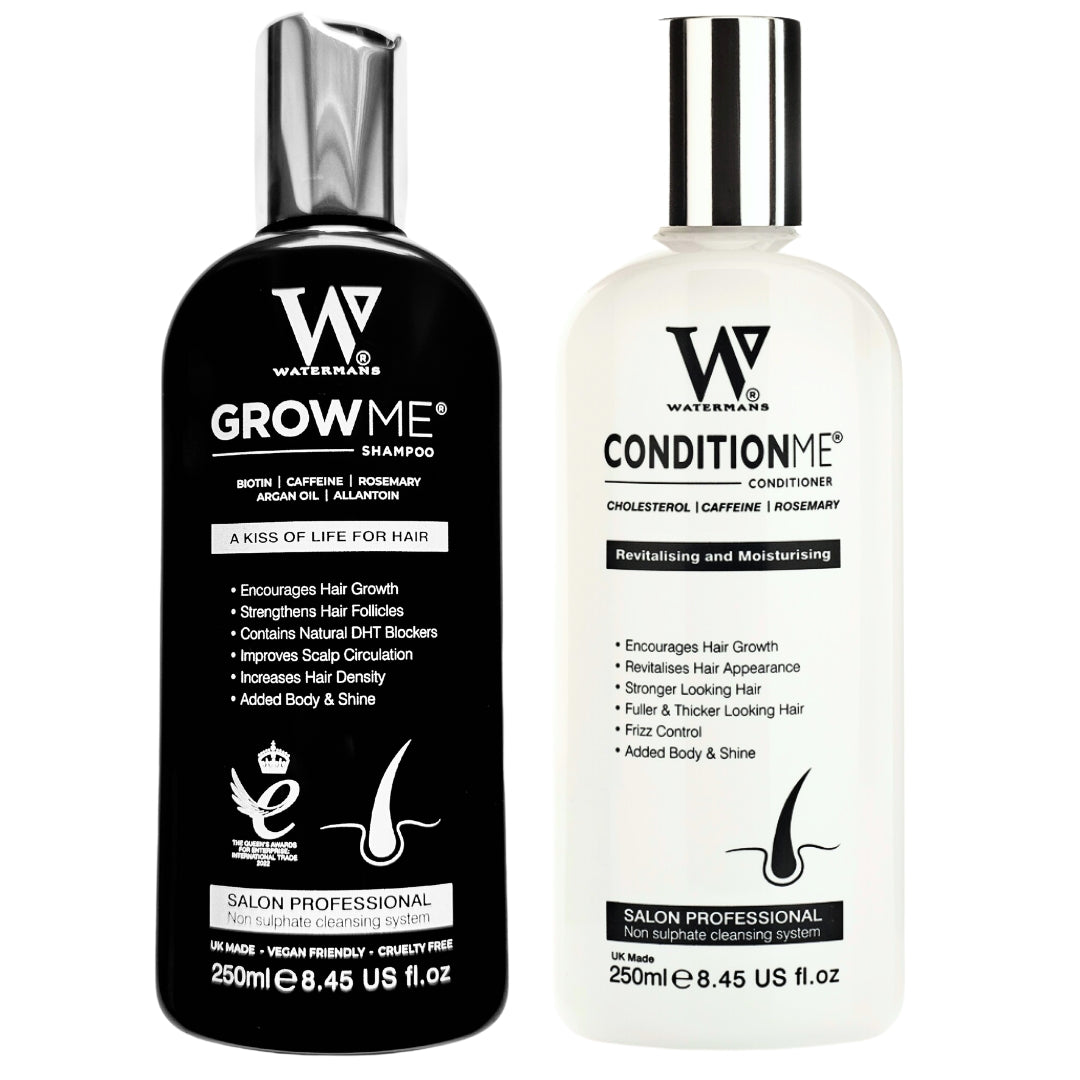
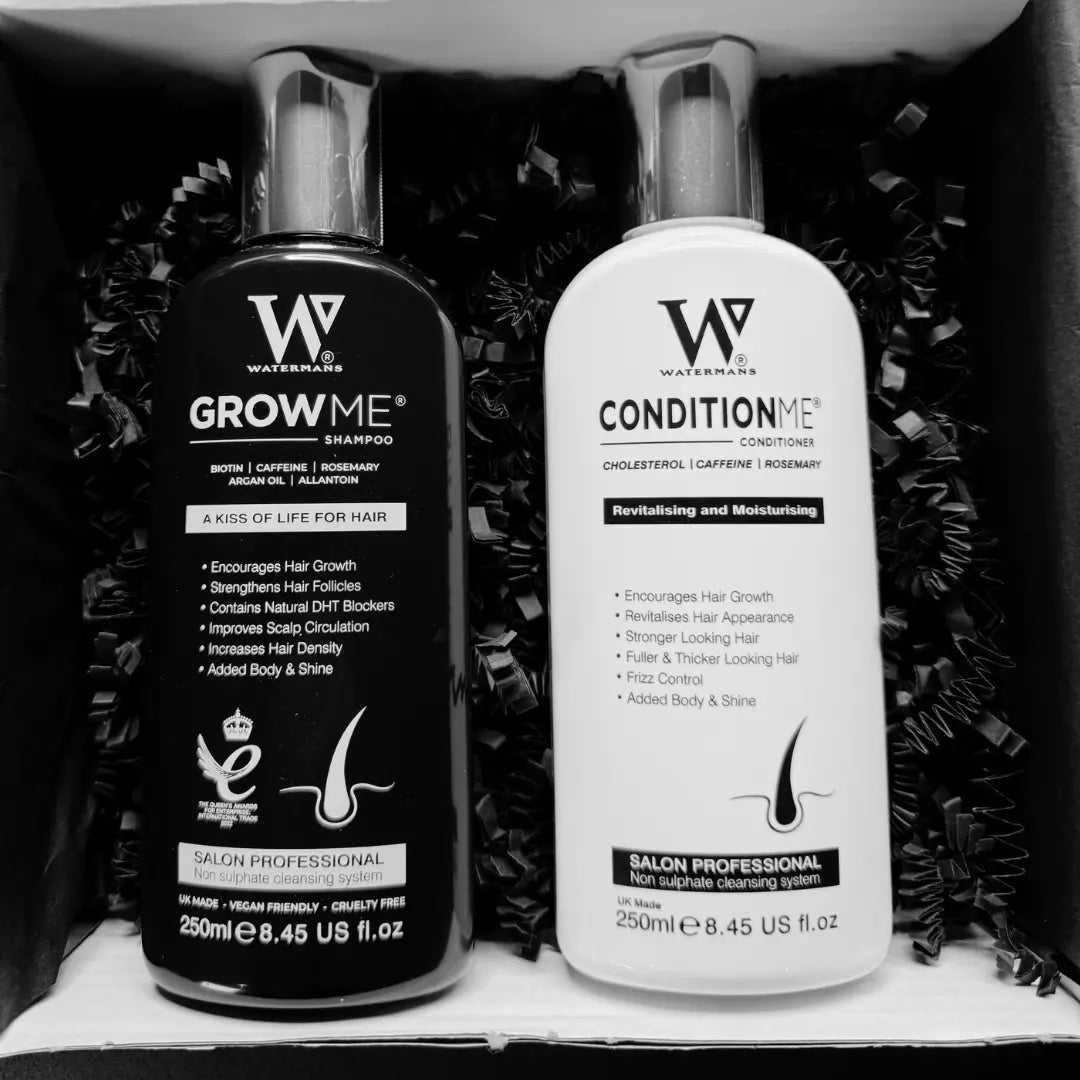
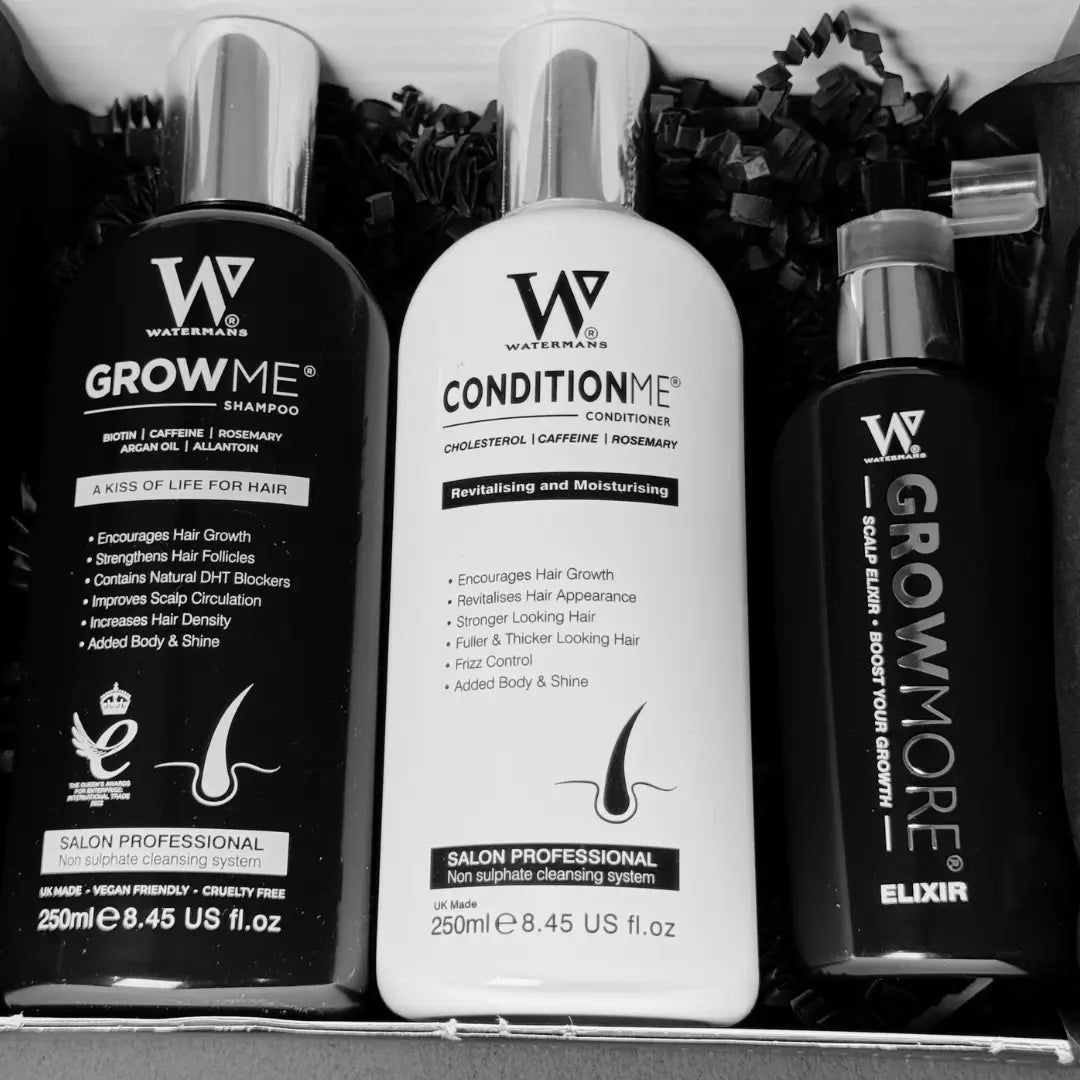
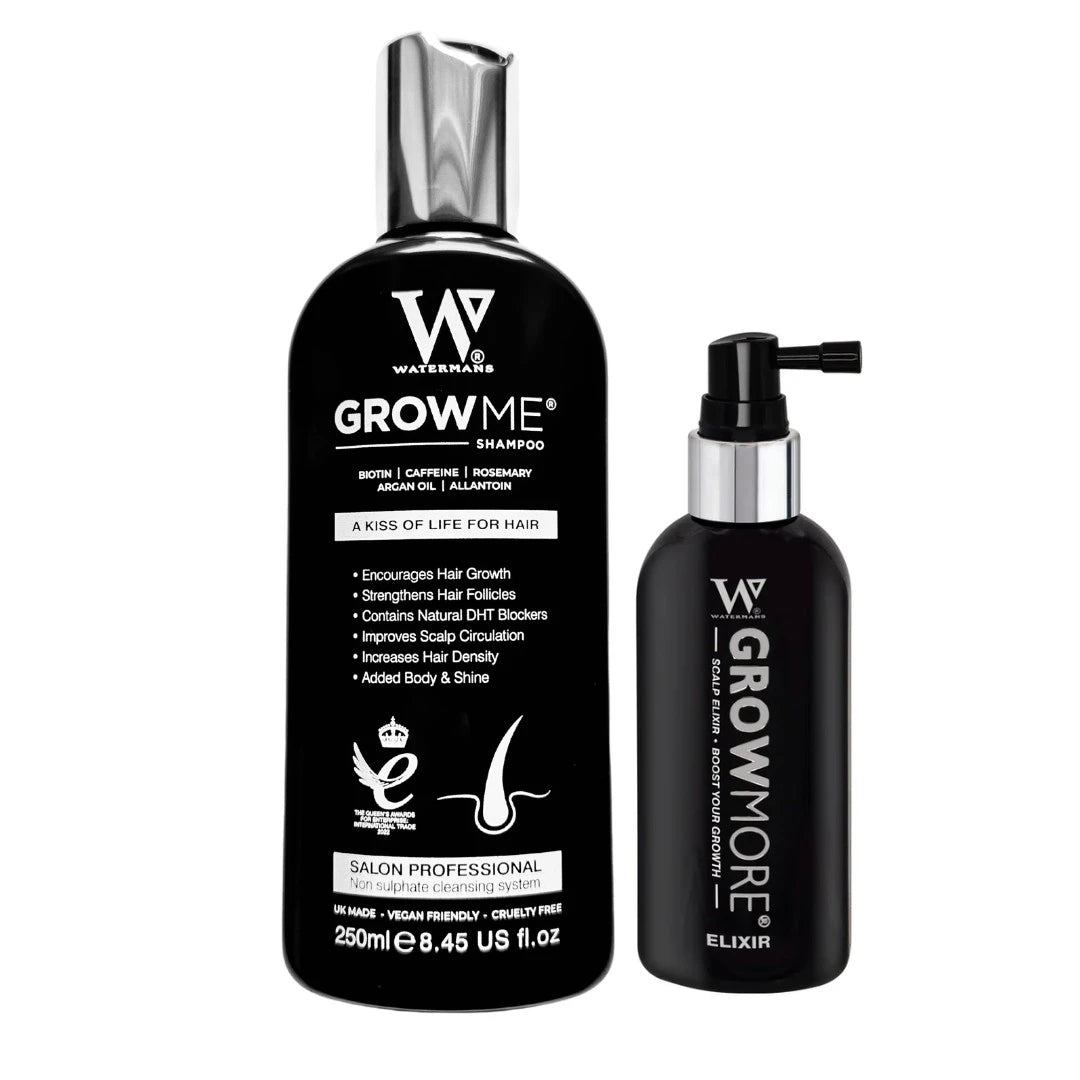
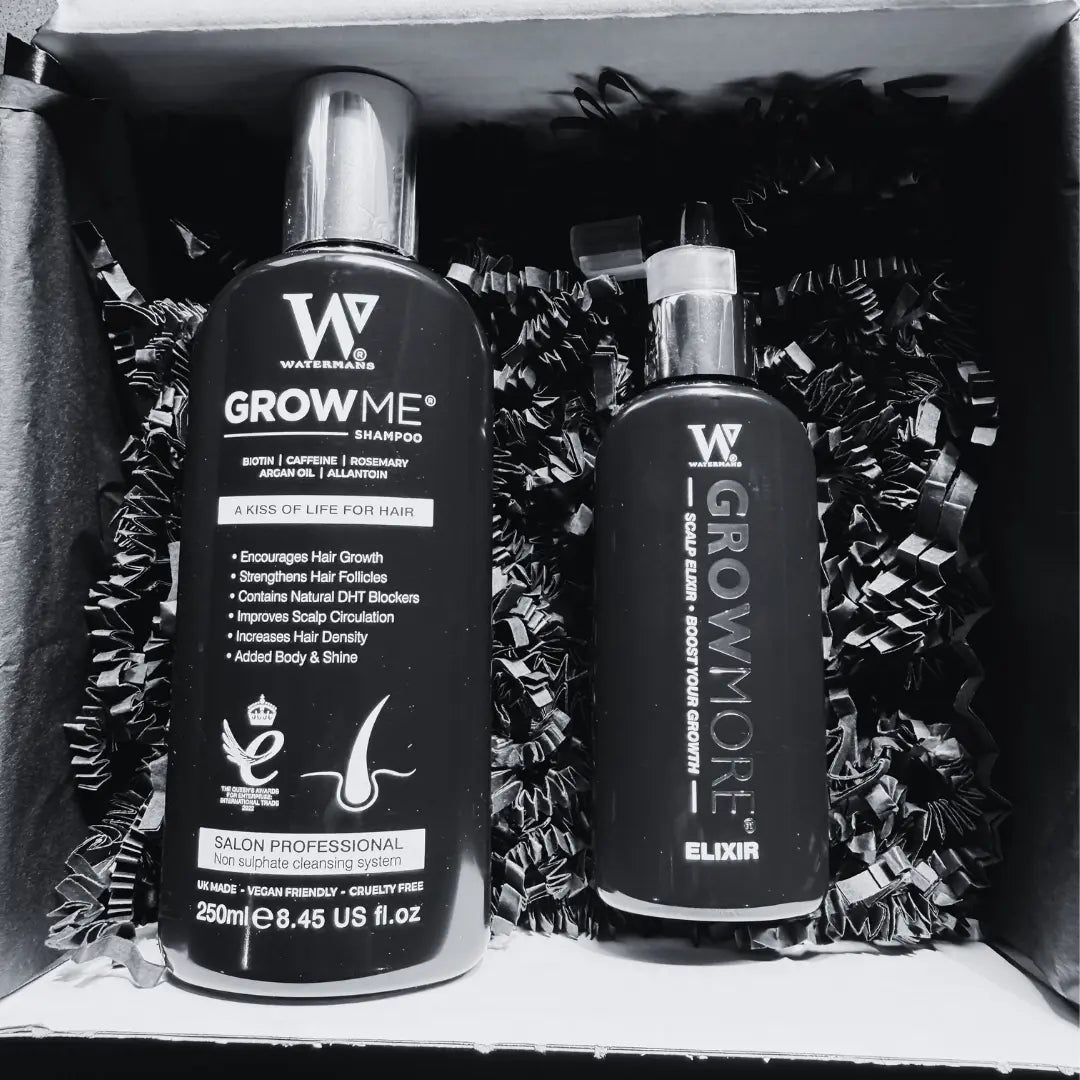
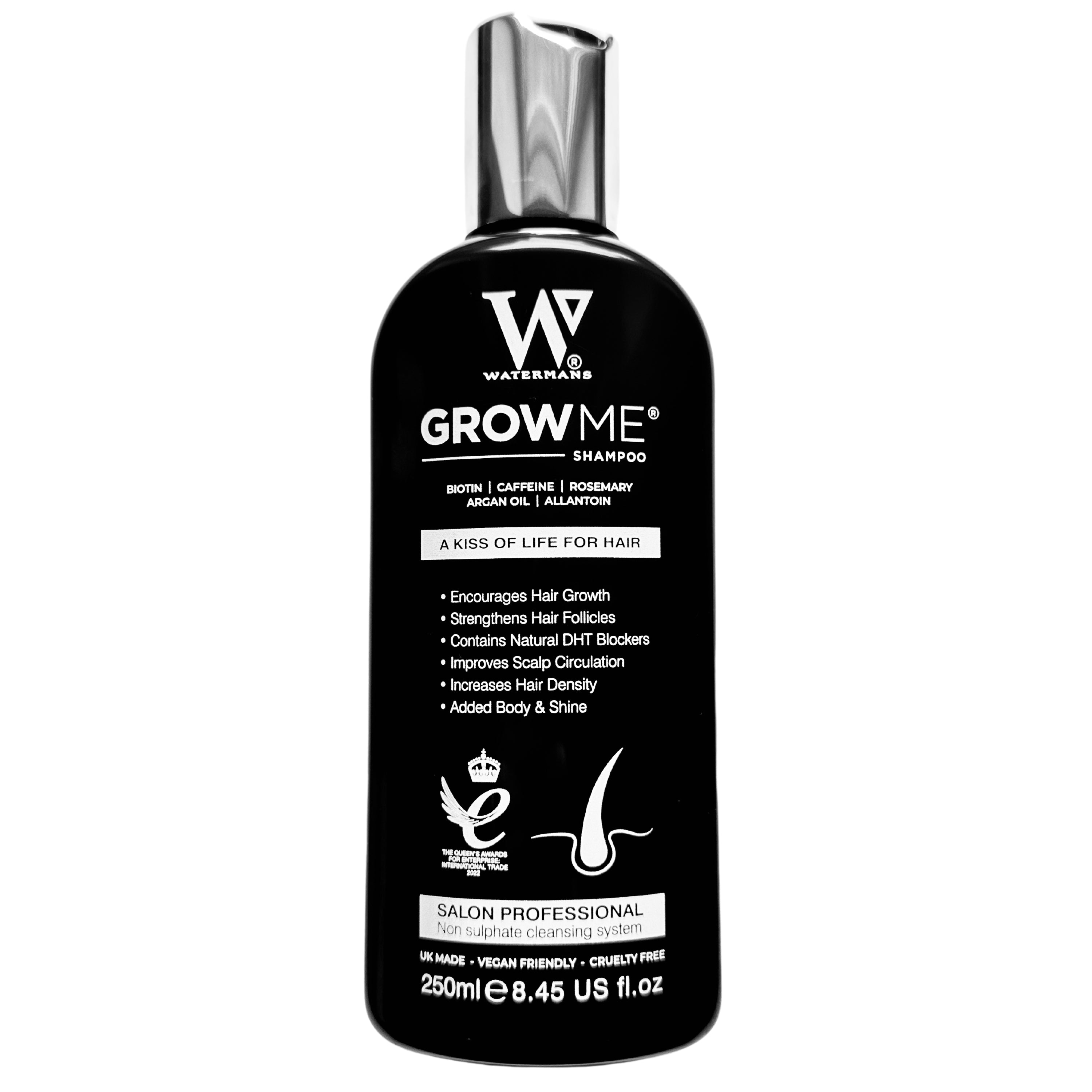
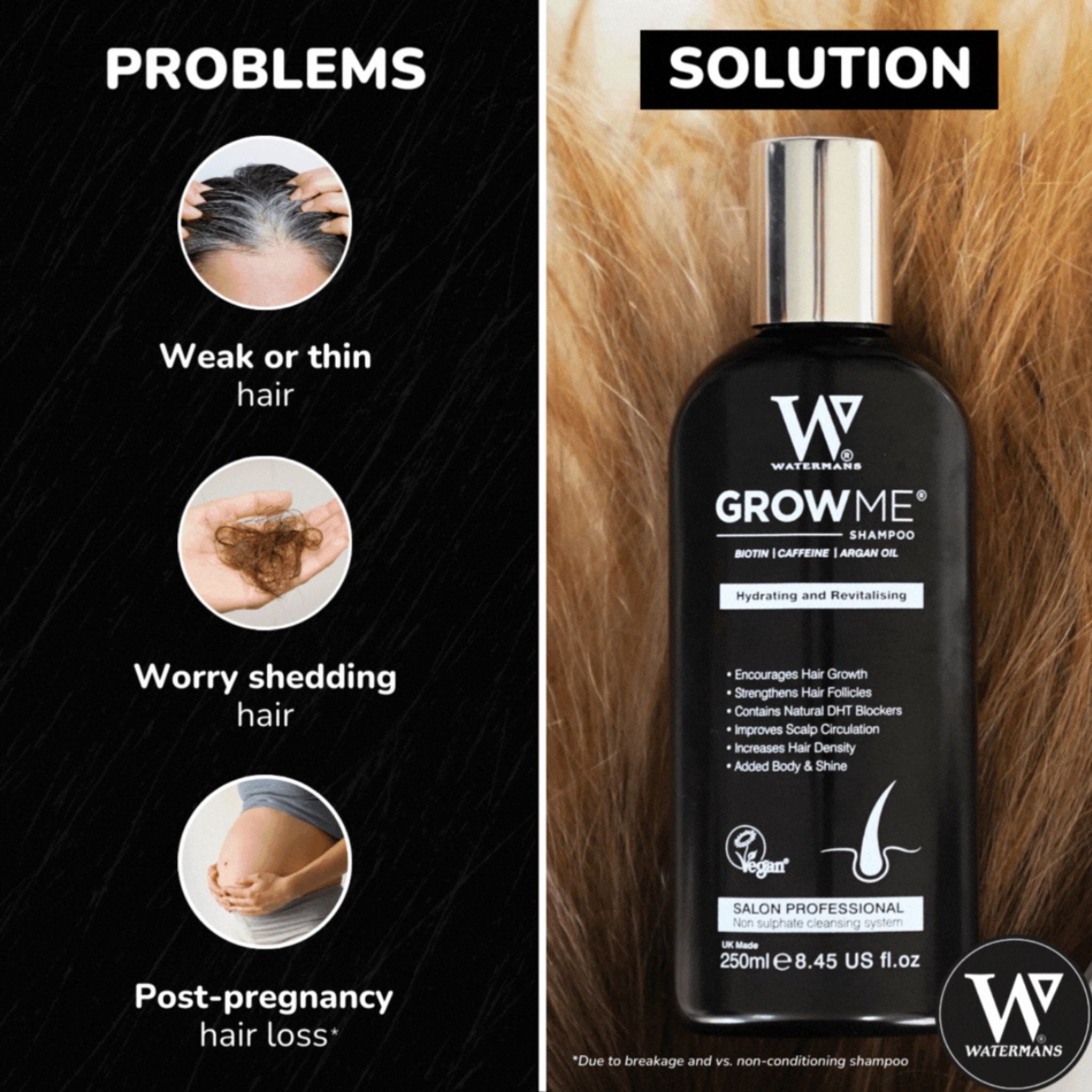
Watermans Grow Me Shampoo is a well-known choice for better scalp care. Its key parts include:
- Biotin – Helps keep hair strong.
- Rosemary – May boost scalp blood flow.
- Caffeine – May aid hair roots.
- Niacinamide – Supports scalp health.
- Argan Oil – Nurtures without weighing hair down.
- Allantoin – Calms the scalp.
- Lupin Protein – Supports volume at the roots.
This shampoo does not strip the hair. It aims to create a good base for thicker, healthier hair over time.
2. Upgrade to a Full Hair Care Routine
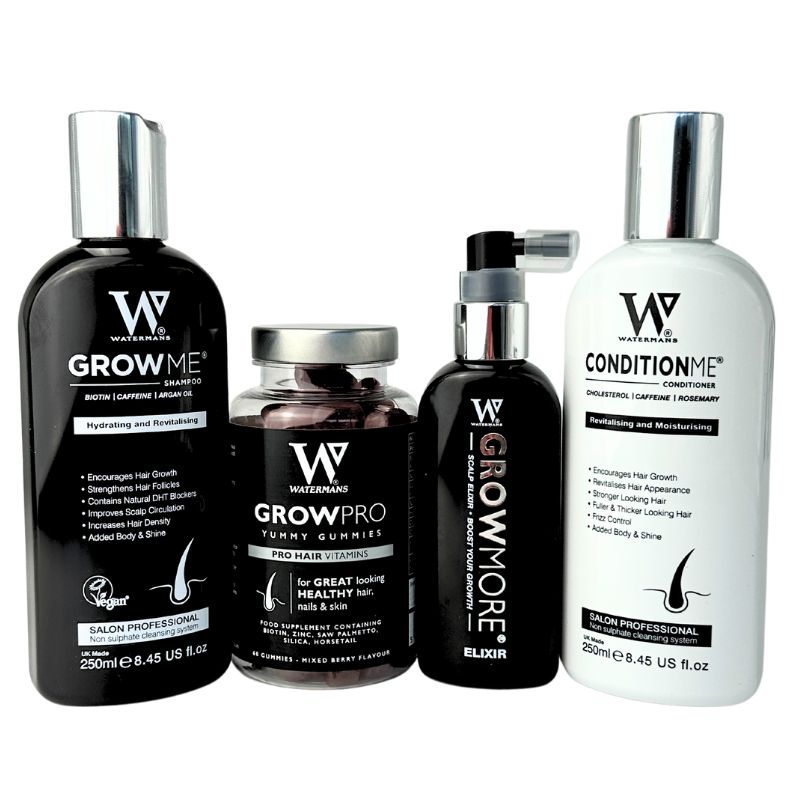
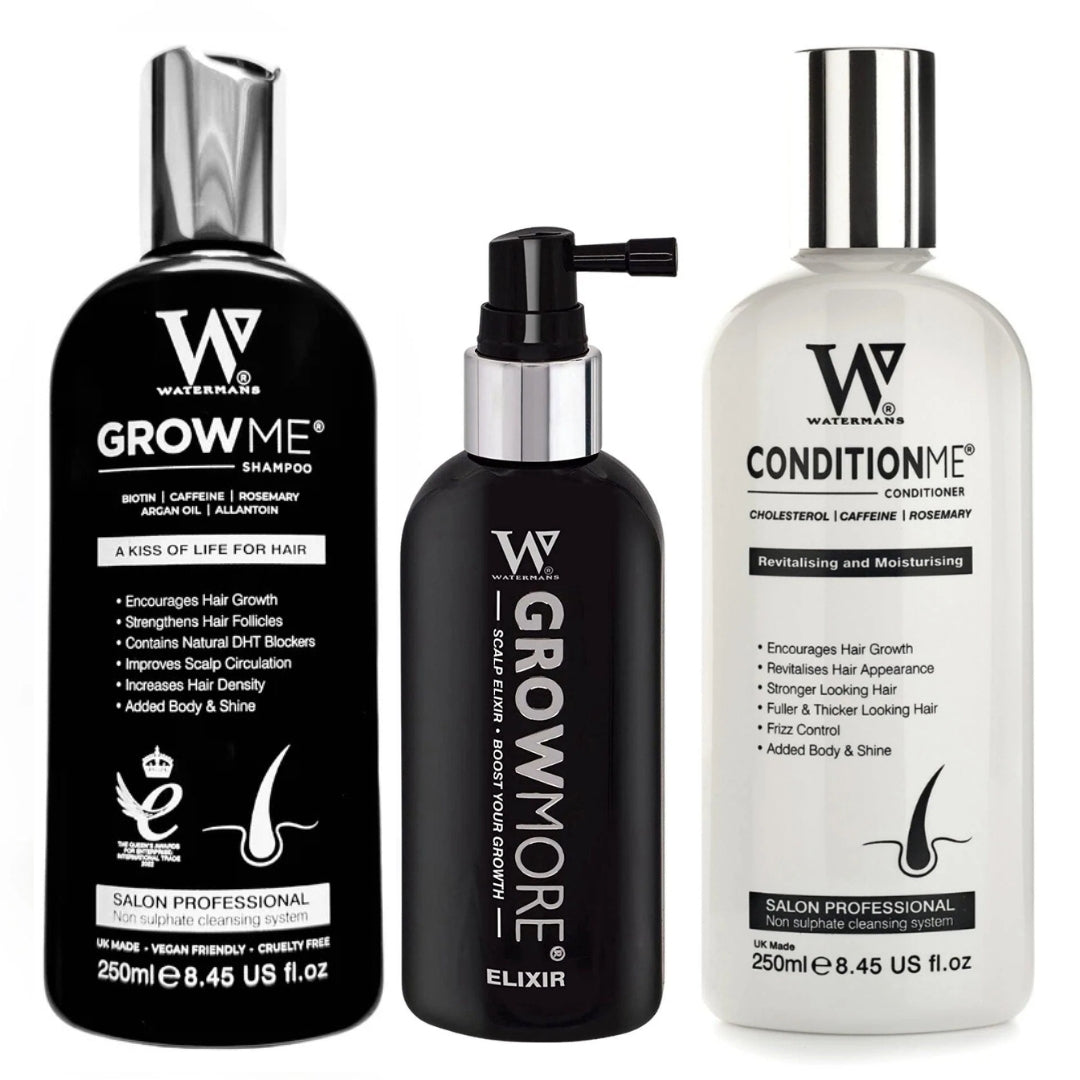
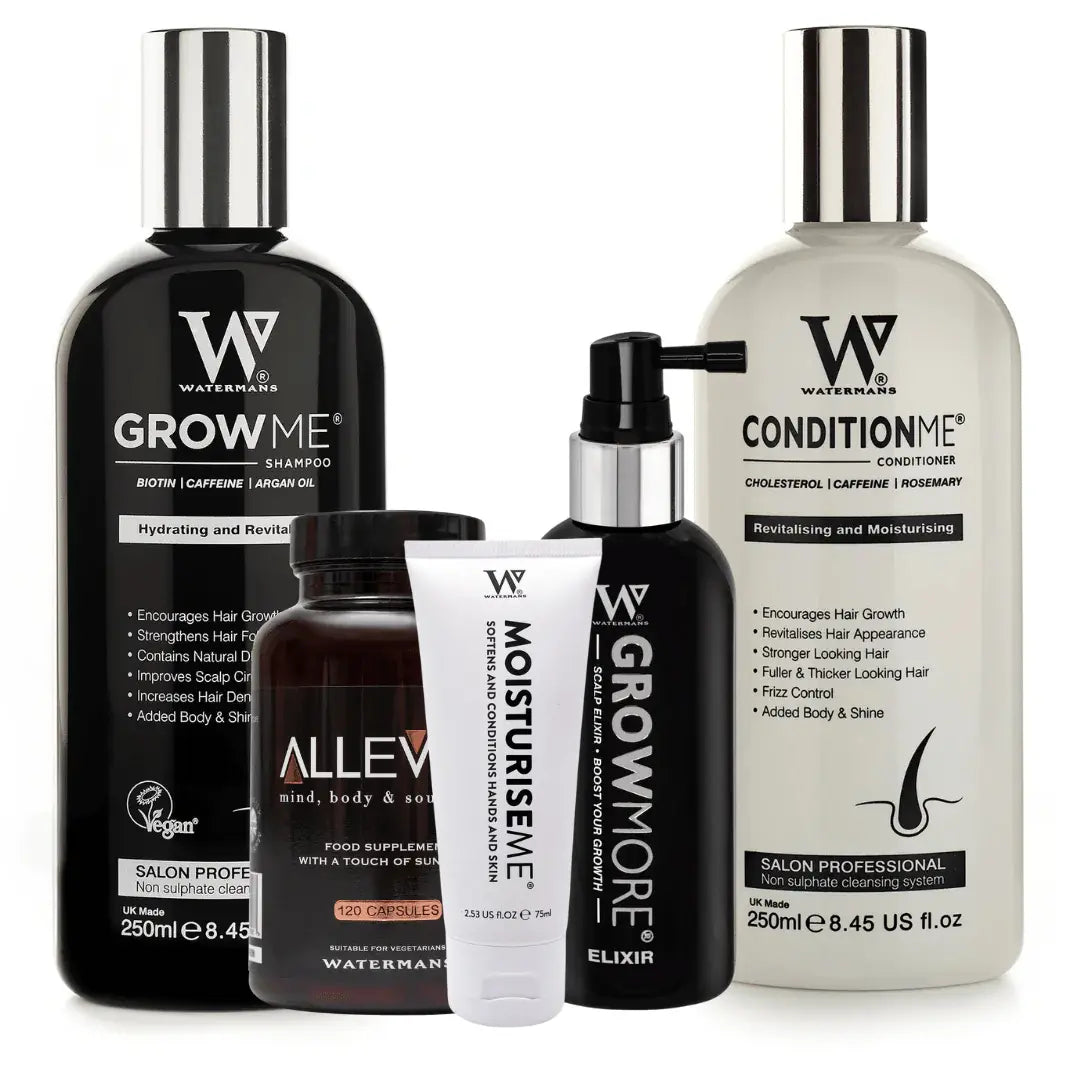
If you need more help, you can get a kit like the Watermans Hair Survival Kit. This kit gives you:
- A matching shampoo and conditioner.
- Extra products to care for your scalp.
- A simple plan instead of mixing many products.
A steady routine is a key step for strong results.
3. Handle Your Hair Gently
When hair is fragile, you must treat it with care. Try to:
- Use a wide-tooth comb when your hair is wet.
- Pat your hair dry rather than rubbing hard.
- Use low heat when styling or a heat protectant.
- Avoid tight styles that pull on the roots.
4. Check Your Diet and Lifestyle
Hair may suffer when your body is strained. Consider:
- Eating enough protein to rebuild hair.
- Getting key nutrients like iron, zinc, vitamin D, and B vitamins.
- Lowering stress through sleep and breaks.
- Drinking enough water.
These steps help your hair slowly improve in strength and look.
Frequently Asked Questions About the Hair Pull Test
1. How do you know if the hair pull test is positive?
A positive test means that more than 6 hairs drop from a bundle of about 40–60 hairs. If you see this in several parts of your scalp, it points to high shedding. You should then check your routine or speak with a doctor.
2. Can you use the hair pull test to diagnose telogen effluvium?
The test may show more loose hairs when telogen effluvium is present. Still, the test by itself does not confirm the condition. A doctor looks at the timing, loss pattern, and health history as well.
3. Is the hair pull test accurate for female pattern hair loss?
In female pattern hair loss, the test may be only slightly positive or negative. Many women see slow thinning rather than heavy shedding. It is best to combine the test with a visual check and, if needed, a doctor’s advice along with a scalp care plan like using Watermans Grow Me Shampoo.
Action Plan: What to Do After Your Hair Pull Test
If you worry after the test, follow this simple plan.
-
Step 1 – Record Your Results
Write down: - The number of hairs from each area. - When you last washed your hair. - Any stress, sickness, or changes in your life during the past 3–6 months. -
Step 2 – Start a Gentle, Growth-Focused Hair Routine
Switch from harsh shampoos to one that cares for your scalp, like Watermans Grow Me Shampoo. You may also try a full set like the Watermans Hair Survival Kit for an easy routine. -
Step 3 – Track Shedding Over Several Weeks
Repeat the test every 2–4 weeks with similar conditions. Watch for changes in: - The hair count. - Hair density and part width. - How strong and full your hair feels. -
Step 4 – Seek Professional Guidance If Needed
If the test stays positive or shedding worsens, talk with a dermatologist or trichologist. Bring your notes and photos that show any changes.
Take Control of Shedding Starting Today
You do not have to wonder if your hair fall is normal. The hair pull test is a simple tool to help you know what is happening on your scalp. It takes just a few minutes.
If the test shows extra shedding, it is a good time to care for your hair with a proven routine. Before you try harsh solutions, start with a growth-focused routine like Watermans Grow Me Shampoo or the full Watermans Hair Survival Kit. With steady monitoring and care, you can work to protect and improve your hair from your very next wash.