testosterone hair loss: 9 Proven Ways to Regrow Thicker Hair
<h1></h1>
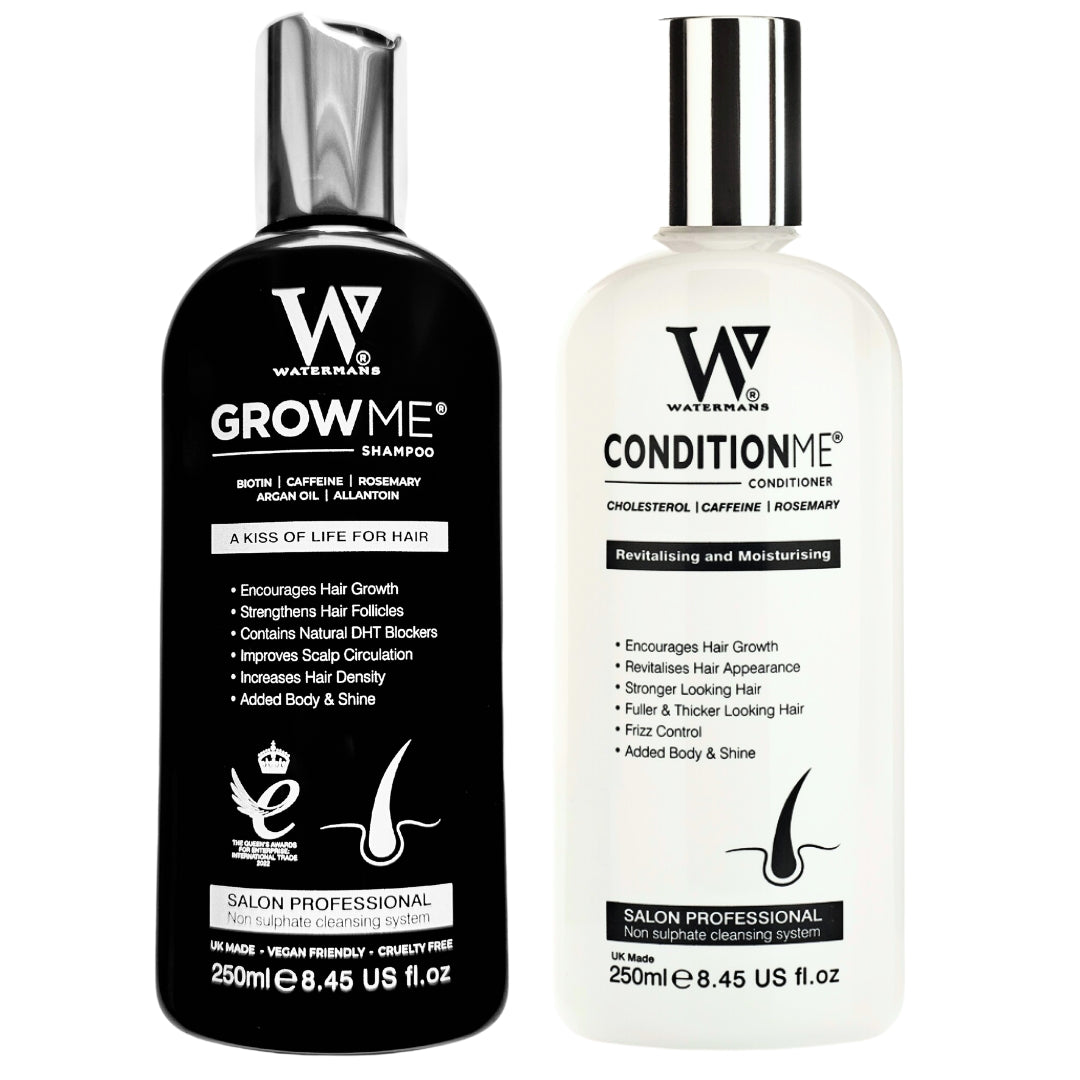
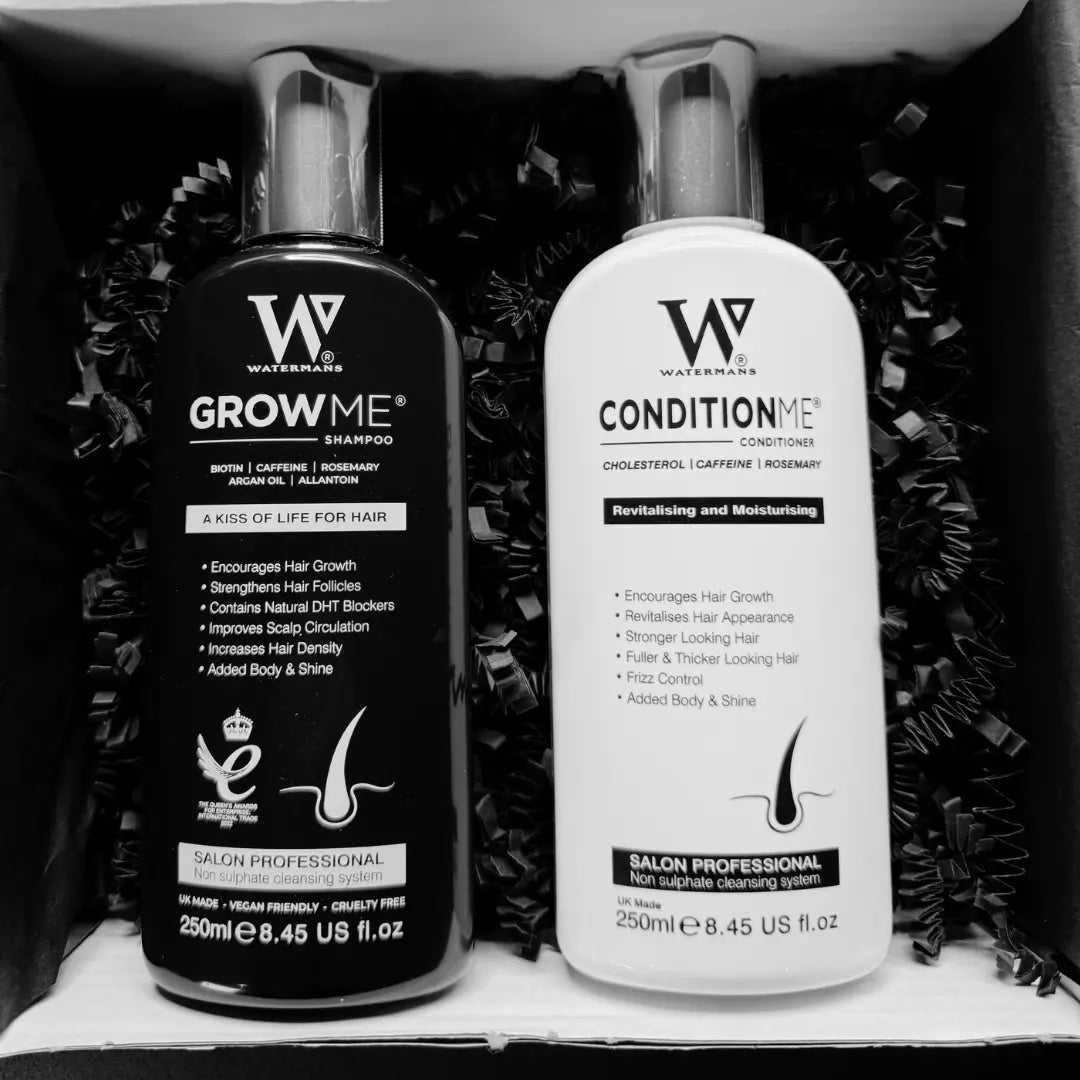
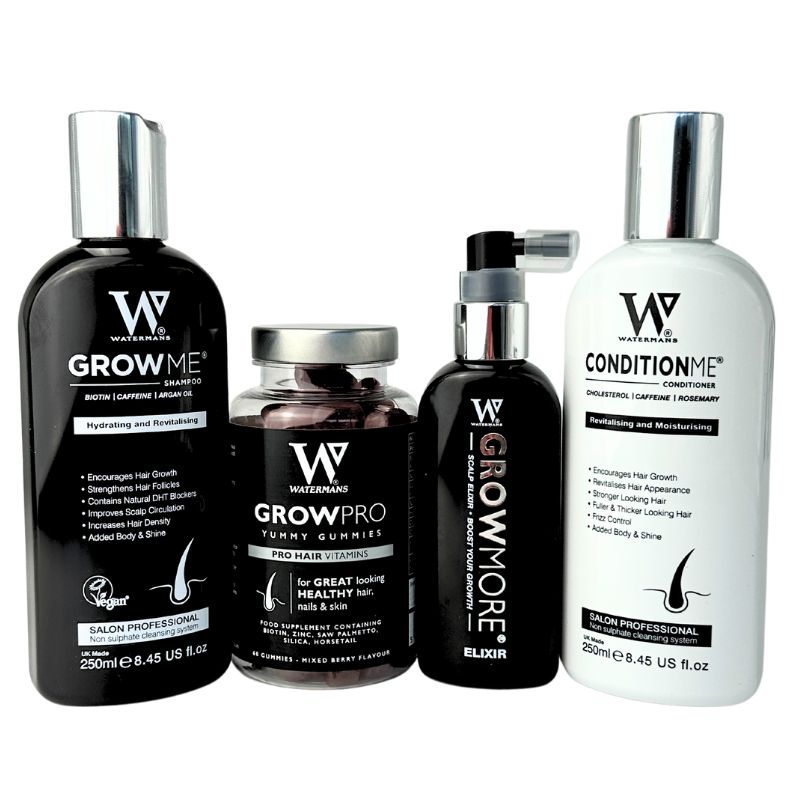
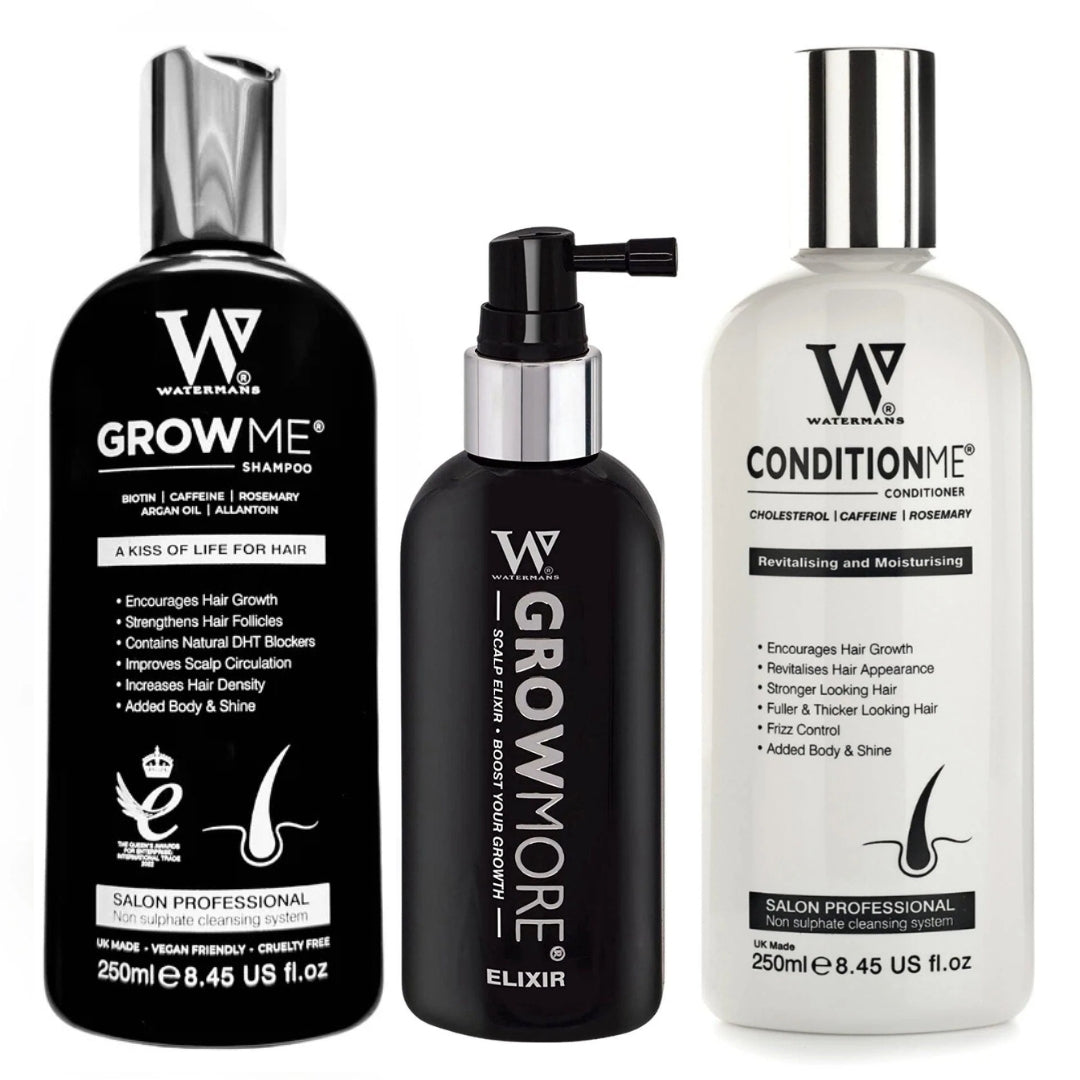
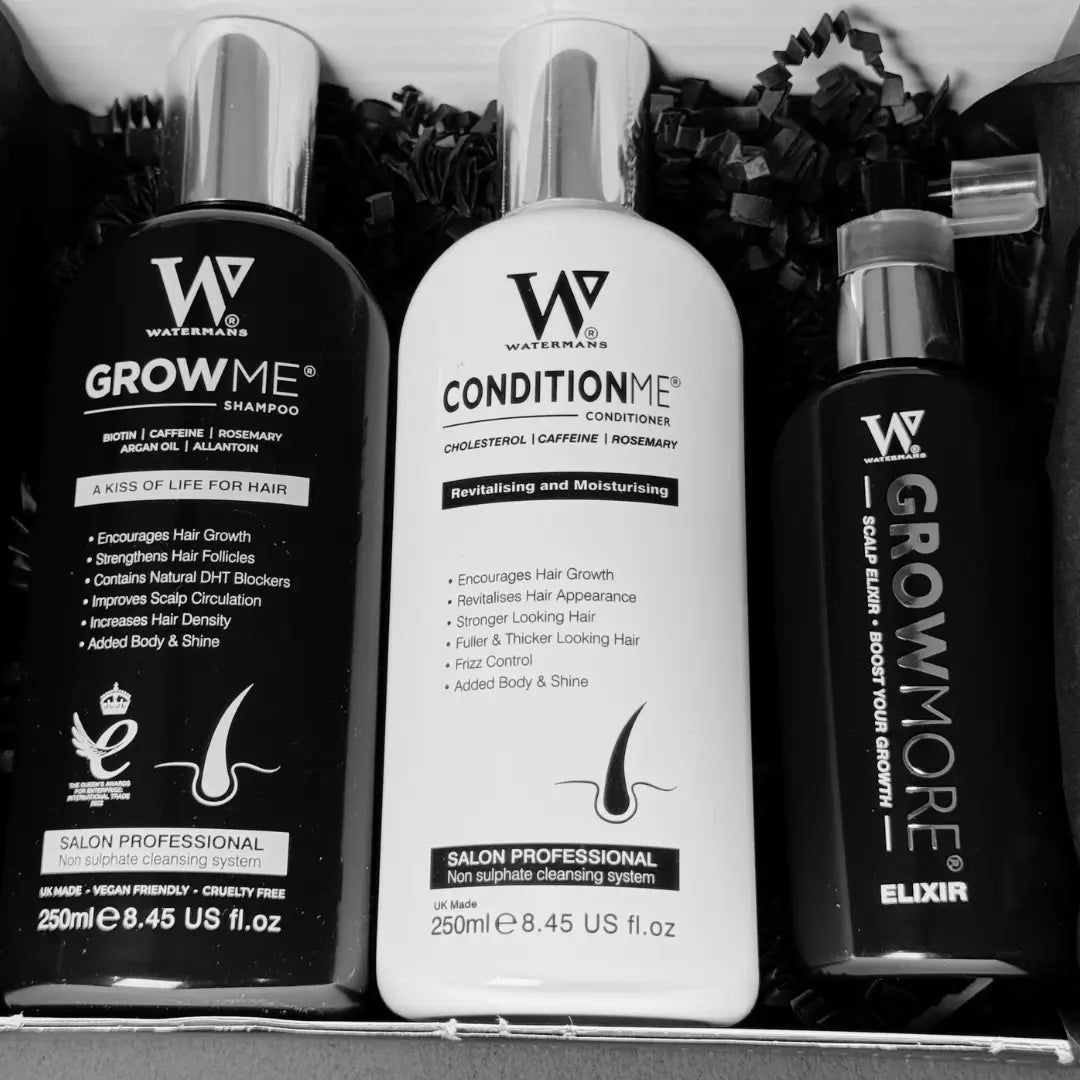
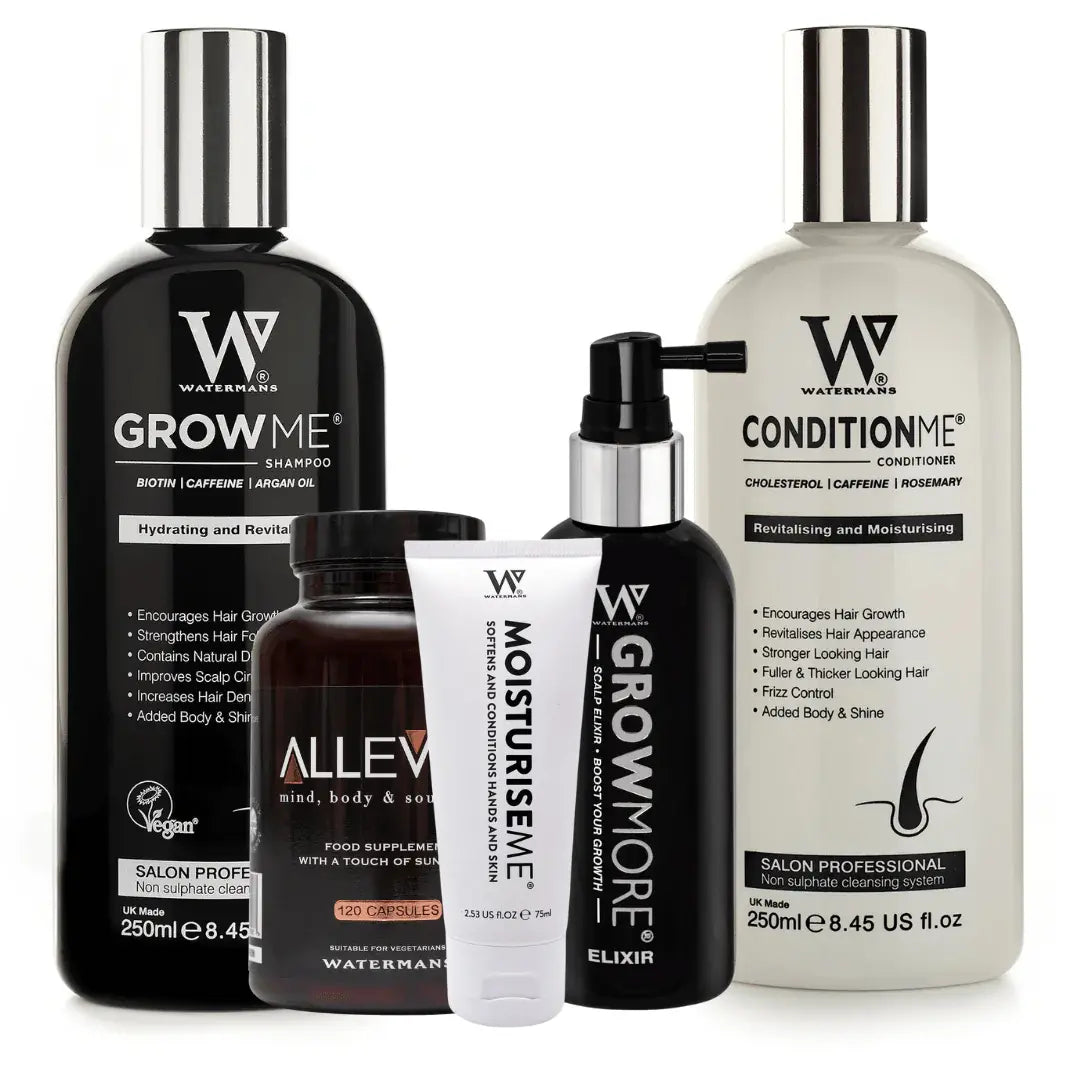
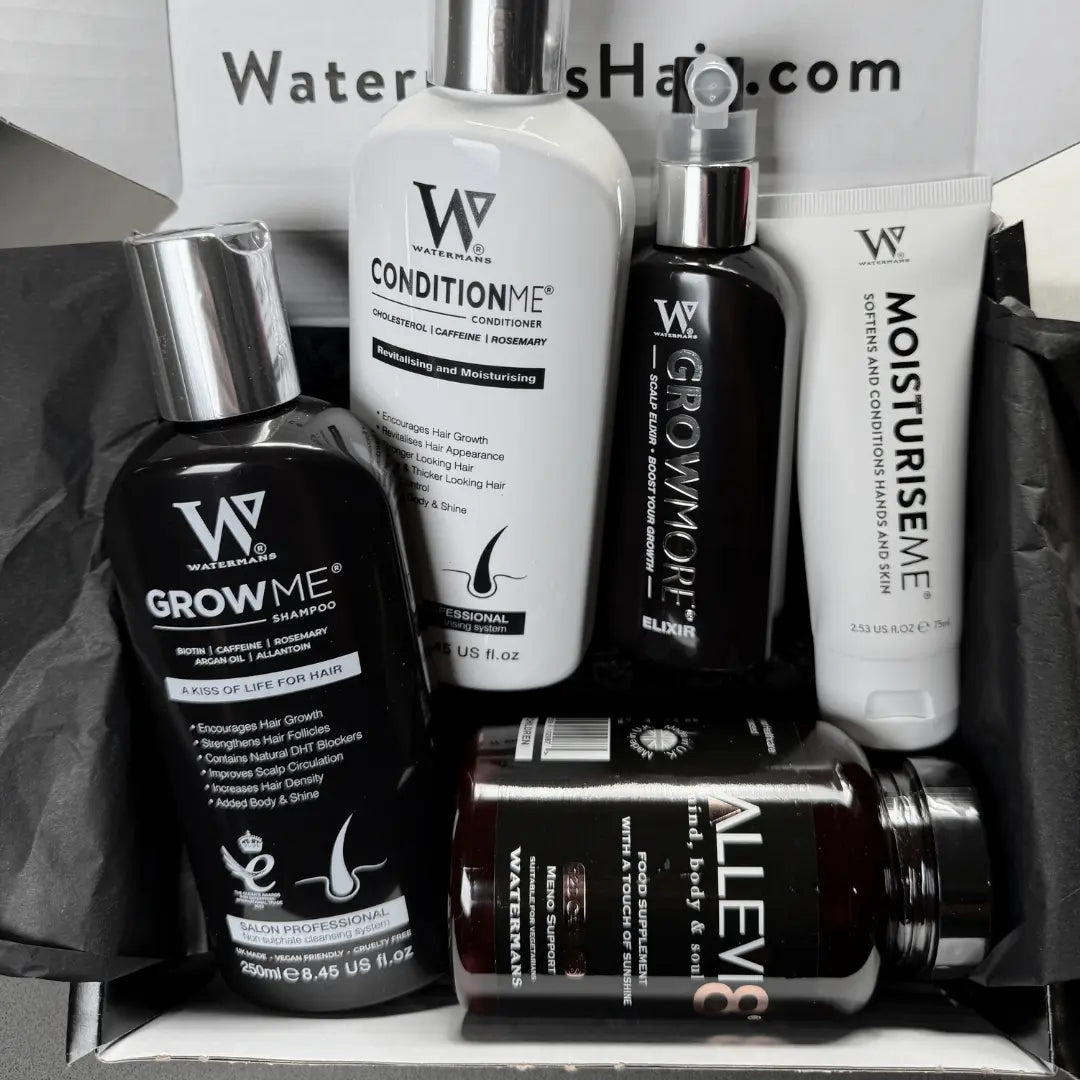
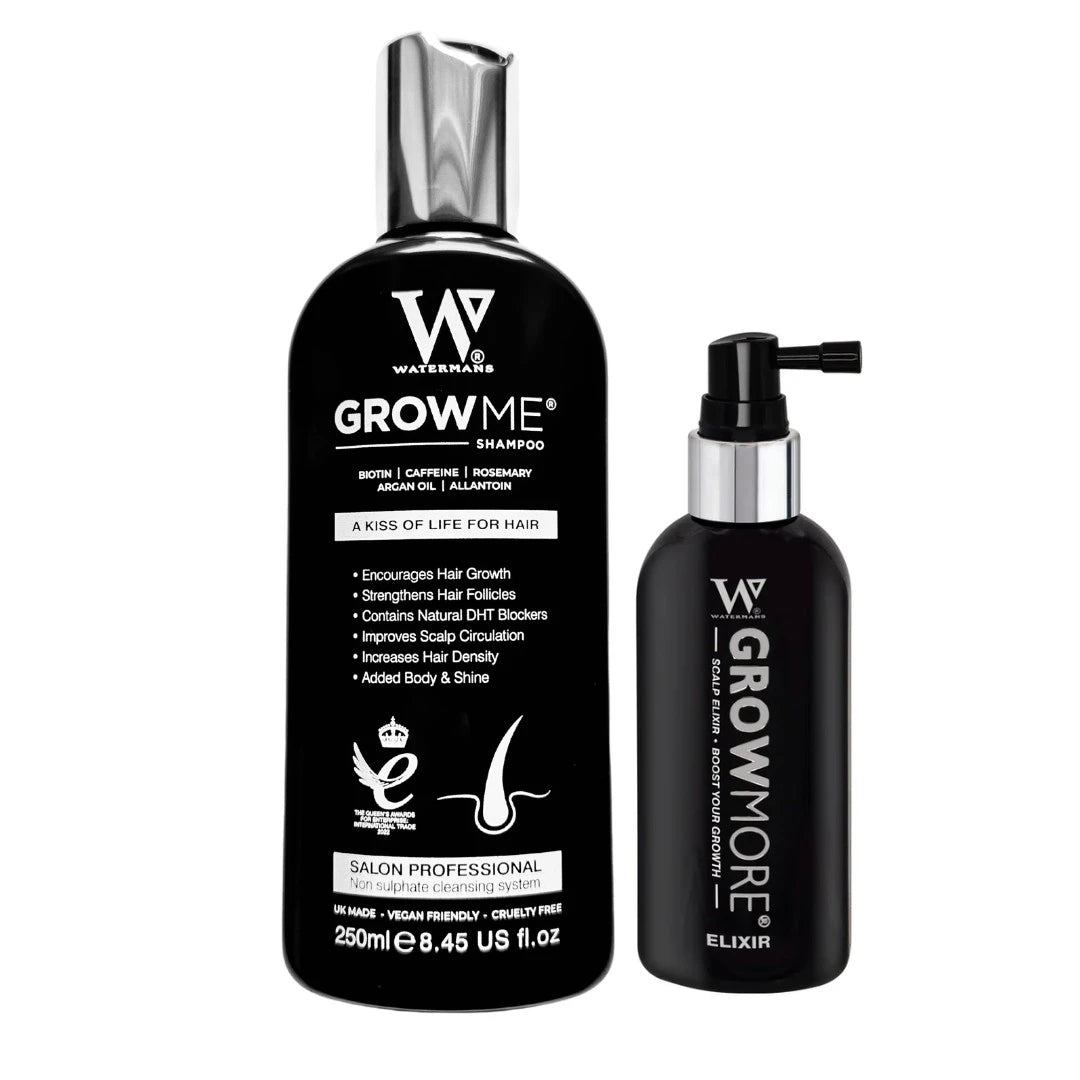
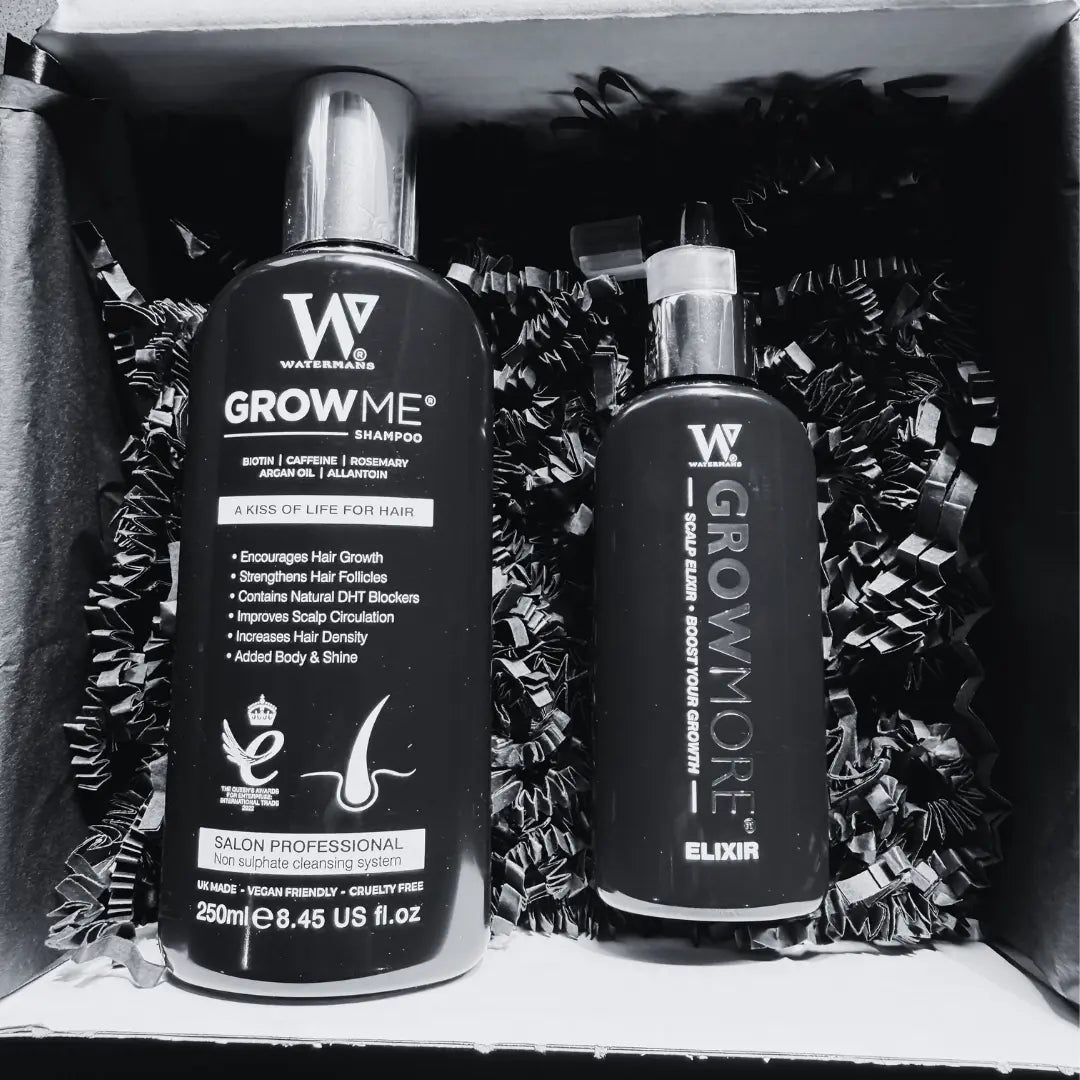
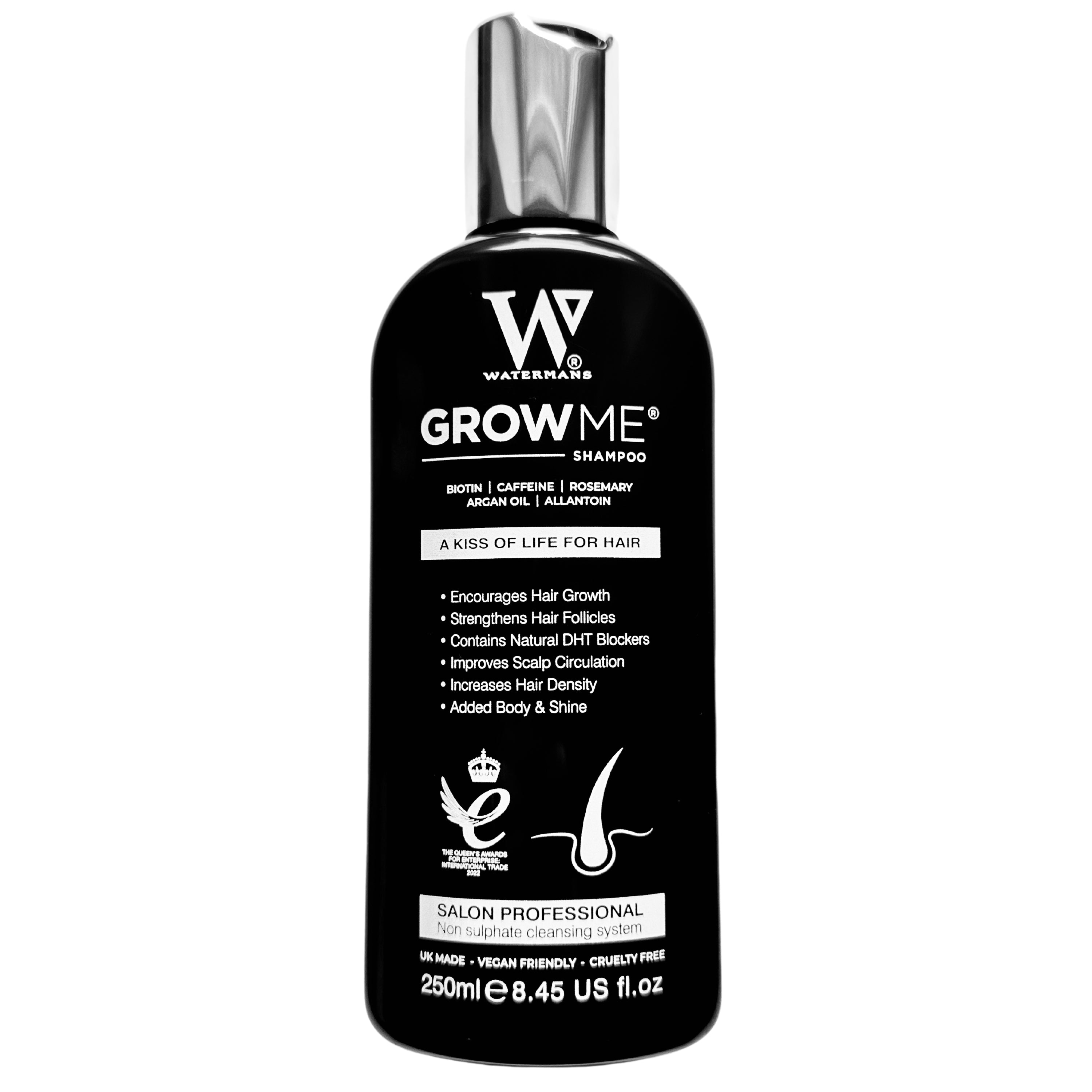
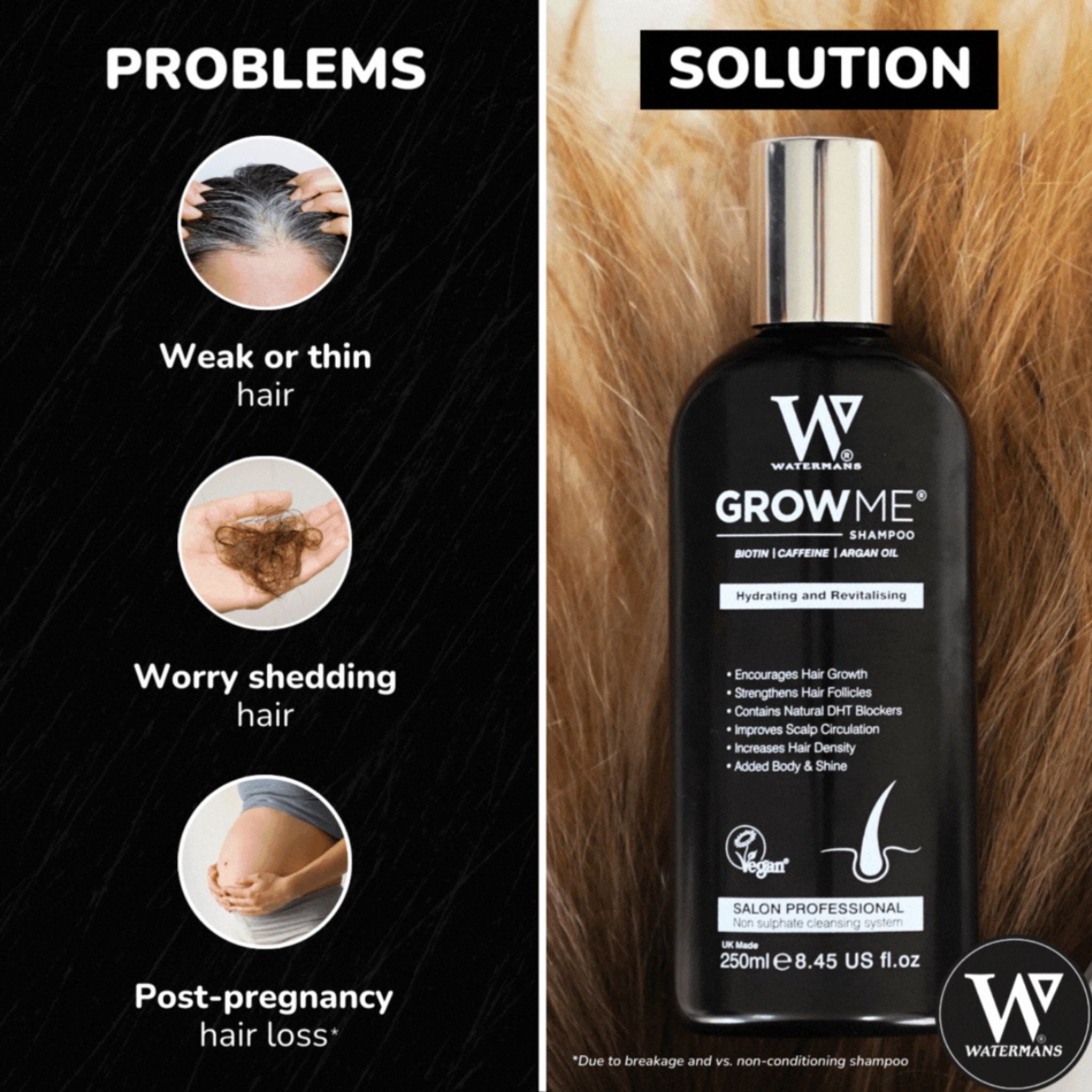
If you see a thinning temple, a widening part, or extra hair in the drain, you may face testosterone hair loss. This loss comes from an androgen effect on the hair. Try a natural plan before resorting to medicine. Watermans Grow Me Shampoo helps wake up the scalp and gives hair a boost at the roots. Learn more or buy it here: https://watermanshair.com/products/best-hair-growth-shampoo-fast-hair-growth. For a full starter set, check the Watermans Hair Survival Kit here: https://watermanshair.com/products/hair-growth-boost-set. The shampoo mixes biotin, rosemary, caffeine, niacinamide, argan oil, allantoin, and lupin protein to keep the scalp in good shape and make hair look thicker.
<h2>What is testosterone hair loss and how does it work?</h2>
Testosterone by itself does not cause the loss. The term "testosterone hair loss" points to thinning that comes when androgens act on the hair. In some hair follicles, DHT (a stronger form made from testosterone) attaches to receptors. This shortens the growth phase and causes hair to thin and shrink. Men usually lose hair at the front and top, while women see thinning around the crown.
Key points:
- DHT comes from testosterone through the enzyme 5-alpha reductase. This step makes hair shrink.
- Some follicles react to DHT because of genes.
- Medical steps like minoxidil and finasteride work on these paths. Many natural steps can cut shedding and boost hair volume.
Groups such as the American Academy of Dermatology set out these methods and treatment plans.
<h2>Signs, diagnosis, and when to see a doctor</h2>
Spotting early signs helps keep hair density high. Look for these common signals:
- A retreating hairline in men or a wider center part in women.
- Hair that feels finer in spots that were thick.
- More hairs on your pillow, comb, or drain.
- A family link to pattern hair loss.
See a doctor if:
- Hair loss happens quickly, in patches, or all over.
- You feel pain, see inflammation, or notice scars on the scalp.
- Other health signs appear such as fatigue or weight changes.
- You want a clear test, like blood work, a scalp check, or sometimes a biopsy.
A hair specialist can confirm pattern loss and rule out other reasons like diet issues, thyroid problems, or autoimmune causes.
<h2>9 proven ways to regrow thicker hair from testosterone-related thinning</h2>
Below are nine well-tested steps to fight testosterone hair loss. You may use them one by one or as a group. Many people combine steps for the best result using a mix of scalp care, daily habits, and medicine if needed.
- <h4>Start with a scalp-stimulating, DHT-friendly shampoo — try Watermans Grow Me Shampoo</h4>
Why it works:
- A clean scalp helps hair grow well. A mix with caffeine, rosemary, niacinamide, and biotin can wake up the scalp and stop breakage. Argan oil and allantoin help soothe and feed the hair.
- Watermans Grow Me Shampoo is made to lift hair at the root and care for the scalp. It drops biotin, rosemary, caffeine, niacinamide, argan oil, allantoin, and lupin protein into the mix. Learn more here: https://watermanshair.com/products/best-hair-growth-shampoo-fast-hair-growth.
How to use:
- Wash wet hair with the shampoo 2–3 times each week. Gently massage into the scalp for at least one minute so the active parts work near the follicles.
- Use a soft conditioner. Stay away from heavy silicones that might weigh hair down.
Why try this first:
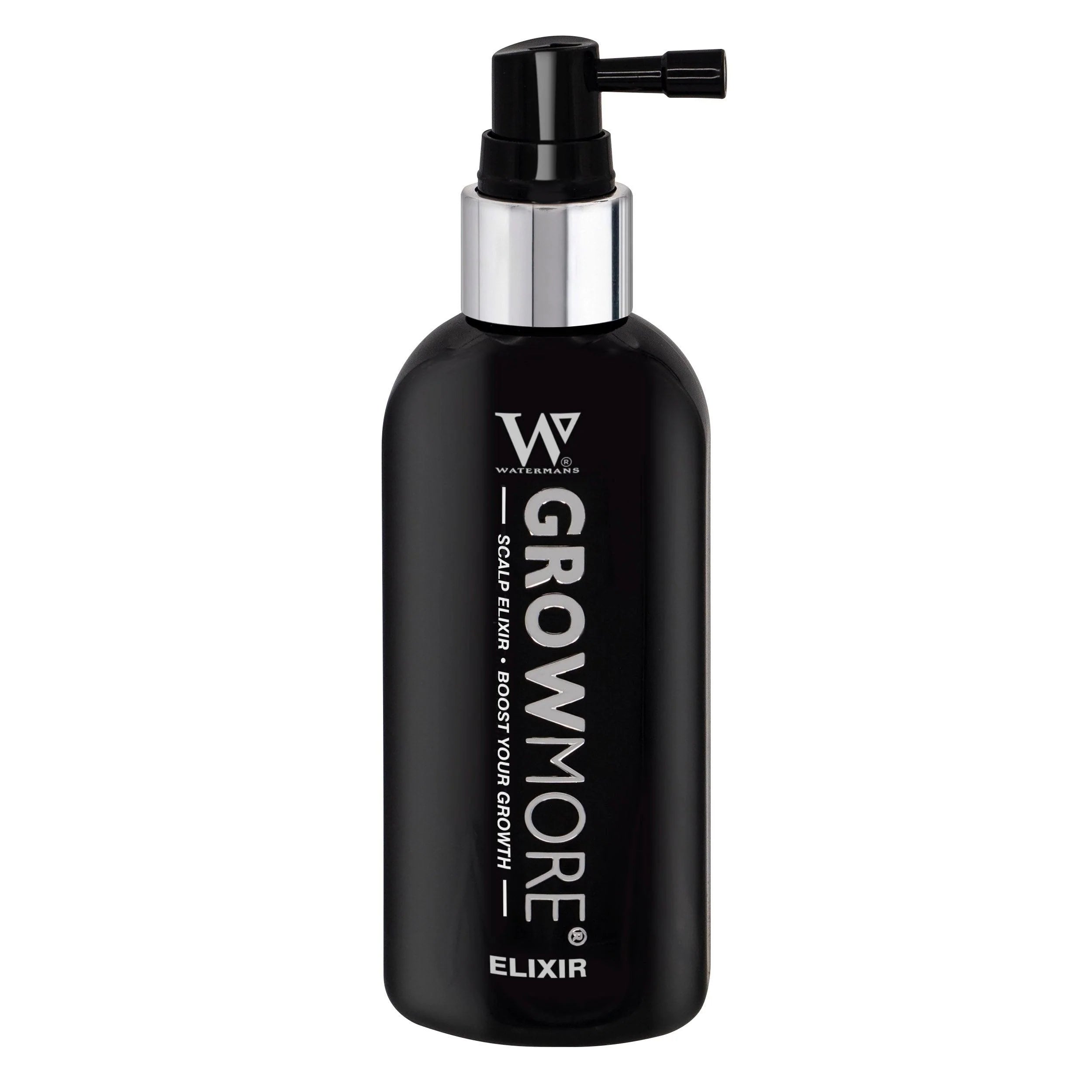
- This step has little risk and cleans up the scalp. It cuts breakage and gives a fast burst of volume as the body begins longer treatments. For more support at home, try the Watermans Hair Survival Kit at https://watermanshair.com/products/hair-growth-boost-set.
- <h4>Topical minoxidil — an FDA-approved option you can buy without a prescription</h4>
What it is:
- Minoxidil (2% or 5%) is a liquid that widens blood vessels. It helps keep hair in its growth phase and makes small hairs appear thicker.
What to expect:
- Many people see fewer hairs falling in 2–3 months. Hair may grow thicker in 4–6 months. Full gains can take up to 12 months.
- It works best on the top and crown but can help elsewhere.
How to use:
- Apply as told each day. Keep a routine. If you stop, the gains may go away.
Side effects:
- Your scalp may feel irritated, and hair might fall more at first. Rarely, unwanted hair may grow on the face.
- <h4>Oral finasteride — a prescription blocker that stops DHT</h4>
What it does:
- Finasteride stops the enzyme that makes DHT from testosterone. This means less DHT on the scalp and slower hair miniaturization.
Who should use it:
- Adult men with pattern hair loss may take it. Women who can become pregnant should not use it.
What to expect:
- Many men see less hair loss in 3–6 months and growth in 6–12 months. Using it long-term keeps the gains.
- Side effects can include changes in sexual drive and mood. Talk with a doctor about the risks.
- <h4>Low-level laser therapy (LLLT)</h4>
How it works:
- LLLT devices (combs or helmets) use red light to spark cell work in hair follicles and improve blood flow. This may help hair grow denser.
What you see:
- Studies show small but steady gains in hair thickness if you use LLLT regularly.
Usage tips:
- Follow the device instructions. Many people use it several times each week for 15–30 minutes. Adding this step to your routine may boost other treatments.
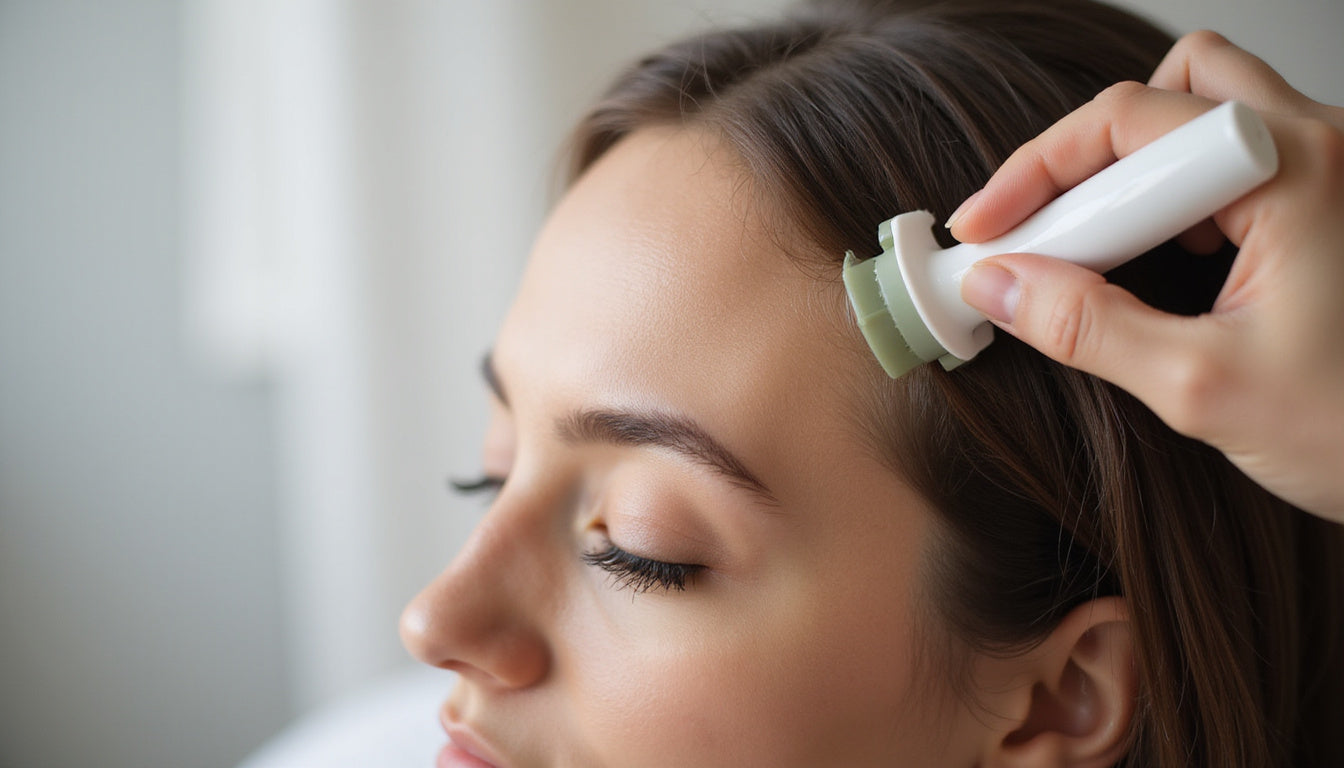
- <h4>Microneedling combined with topical treatments</h4>
What it does:
- Microneedling makes tiny holes in the scalp. This can help drops like minoxidil seep in better. It also sends signals to start growth factors.
What research shows:
- Some tests point out that minoxidil with microneedling works better than minoxidil alone for some people.
Safety and notes:
- Many users do this every 2–4 weeks using a device. It may be best to start with a pro.
- <h4>Optimize nutrition and take key supplements</h4>
Why it matters:
- Hair needs energy and building blocks. Not enough protein or key nutrients can speed up shedding and make hair seem thin.
Key nutrients:
- Protein: Eat enough protein to build keratin.
- Iron: Low ferritin can link with extra shedding. A lab check can help.
- Vitamin D: Low levels may match hair loss. Fixing the level might help.
- Zinc, vitamin B12, omega-3, and biotin help when a shortfall occurs.
Tips:
- Eat a balanced mix of lean proteins, good fats, vegetables, and whole grains.
- Take supplements only when labs or a doctor suggest them.
- <h4>Check and manage your hormones</h4>
Why it matters:
- While DHT acts on hair, some hormone imbalances might worsen the loss.
What to test:
- A check of total and free testosterone, DHT (if you can), SHBG, thyroid levels, and prolactin shows the hormonal state.
What to do:
- A doctor who knows hormones or hair can adjust treatment if needed. For instance, some patients find that hormone management helps save more hair.
- <h4>Sleep well, move your body, and cut stress</h4>
How it helps:
- Ongoing stress can disrupt hair cycles. High cortisol may slow hair growth.
Simple tips:
- Aim for 7–9 hours of sleep each night.
- Do regular exercise such as brisk walks or other moves.
- Use simple stress steps like breathing practice.
- Avoid too much smoking or drinking, as these can cut blood flow.
- <h4>Surgical and advanced medical steps: PRP and hair transplant</h4>
Platelet-rich plasma (PRP):
- PRP injections bring growth parts to the scalp. Some work shows small gains with repeated visits.
Hair transplant:
- If hair loss is high, doctors can move hair from a strong spot to a thinning area. The move holds for a long time but needs the skill of a good surgeon and realistic ideas.
Mixing steps:
- Many mix the DHT blockers or minoxidil with PRP or a transplant for a lasting look.
<h2>Quick reference: 9-step plan to tackle testosterone hair loss</h2>
- Start with a routine that calms the scalp using Watermans Grow Me Shampoo for fresh scalp health and a quick boost.
- Add topical minoxidil if it fits your plan.
- Talk with a doctor about finasteride if you are an adult man who needs a DHT blocker.
- Think about low-level laser therapy for a non-invasive boost.
- Try microneedling with expert care to help treatments sink in.
- Test for and fix any gaps in your nutrition (iron, vitamin D, protein).
- Check your hormone levels with your doctor.
- Keep stress low, get enough sleep, and be active.
- Ask a specialist about PRP or a hair transplant if your loss is strong.
<h2>How to choose the right mix for you</h2>
Select steps that match your needs, loss level, money, and care risk:
- With slight thinning and a wish for natural care: Start with scalp care, good nutrition, and stress steps, then add LLLT.
- With moderate thinning and a wish for drops: Add minoxidil and microneedling.
- With family history and more loss: Talk about finasteride and blend it with drops and LLLT.
- With advanced loss and a wish for long-term change: Check hair transplants while still using drops to support other hair areas.
Keep track with photos every 3 months and work with a hair doctor to shift your steps when needed.

<h2>What to expect: timelines and realistic outcomes</h2>
• Immediately: A scalp that feels cleaner and hair that lifts fast with shampoos like Watermans Grow Me Shampoo.
• 2–3 months: Fewer hairs fall and a small thickening may appear if you stick with your plan.
• 4–6 months: Many see more noticeable hair gain when they keep using the steps.
• 9–12 months: The best results for many non-surgical measures show up. Surgical changes may take 12–18 months to settle.
Be patient and stick with your plan; stopping may return the old pattern.
<h2>Common myths about testosterone and hair loss</h2>
Myth: High testosterone always brings hair loss.
Fact: High testosterone alone does not cause loss. How hair follicles react to DHT and your genes drive the loss more.
Myth: Shaving or keeping hair short stops hair loss.
Fact: Cutting hair changes only the look. It does not change what goes on at your scalp.
Myth: Every hair loss step works fast.
Fact: Hair grows slowly. Most steps need months before you see a change and must be kept up.
<h2>Scalp-care and styling tips to make hair look thicker now</h2>
• Use light, water-based styling creams. Heavy gels or wax may flatten the hair.
• Blow-dry near the roots to lift the hair. Use a heat shield.
• Choose a cut that gives shape and hides thinning spots.
• Cover thinning spots with fibers or tinted sprays for a quick fix.
Combine these quick fixes with long-term steps for a better look and real growth.
<h2>Safety considerations and when to step up care</h2>
• Test any drop on a small patch first to check for a bad reaction.
• Talk with a doctor before you start any prescription medicine like finasteride.
• If loss happens fast, in patches, or if you see pain or lesions, see a doctor soon. These may be signs of another issue.
<h2>Real-world routines — three example plans</h2>
Beginner (non-medical):
• Daily: Use Watermans Grow Me Shampoo (2–3 times weekly) with a mild conditioner.
• Evening: Massage your scalp for 5 minutes.
• Weekly: Try LLLT for 15–30 minutes in a session.
Intermediate (topical + nutrition):
• Daily: Use Watermans Grow Me Shampoo and add minoxidil at night.
• Weekly: Do microneedling every 2–4 weeks as advised.
• Monthly: Check your iron and vitamin D and add supplements if needed.
Advanced (medical + surgical):
• Daily: Use finasteride (by prescription) with minoxidil and Watermans Grow Me Shampoo.
• Add PRP injections and LLLT as extra care.
• Look at hair transplant options once medical treatments keep loss at bay.
<h2>Tracking progress: what to measure and when</h2>
• Snap photos every 3 months from several views.
• Keep an eye on how much hair falls each day.
• Check for changes in hair density and size.
• Write down any side effects and how well you stick to your plan.
<h2>When to consider professional help</h2>
• If there is little change after 6–12 months of steady care.
• If you need lasting change or a big look difference.
• If loss is strong (for example, at higher Norwood levels) where surgery may work best.
<h2>One authoritative reference</h2>
For guidance on pattern hair loss and treatments, see the American Academy of Dermatology’s patient page on pattern loss: https://www.aad.org/public/diseases/hair-loss/men.
<h2>Frequently Asked Questions (FAQ)</h2>
Q1: Can testosterone hair loss be reversed?
A1: Pattern hair loss can slow and sometimes reverse, especially when caught early. Topical minoxidil and oral finasteride (for men) have the most support from studies. Adding a scalp shampoo, good nutrition, and LLLT can help make hair look thicker.
Q2: Does cutting hair stop testosterone loss?
A2: Cutting hair only changes its look. It does not affect the shrinking process in the follicles.
Q3: What is the best natural plan against testosterone loss?
A3: A natural plan starts with a scalp-friendly shampoo like Watermans Grow Me Shampoo, a diet rich in proteins and key vitamins, low stress, and LLLT. This mix can boost scalp health and help hair look thicker while other treatments work.
<h2>Final persuasive call to action</h2>
If you want to fight testosterone hair loss, begin with a plan that puts care into your scalp and stands on natural steps. Try Watermans Grow Me Shampoo. It comes with biotin, rosemary, caffeine, niacinamide, argan oil, allantoin, and lupin protein. This drop wakes up your scalp and lifts hair at the root. Learn more or buy it here: https://watermanshair.com/products/best-hair-growth-shampoo-fast-hair-growth. For a full set of products in one kit, check the Watermans Hair Survival Kit: https://watermanshair.com/products/hair-growth-boost-set. Use these steps, track your progress, and meet a dermatologist when you need more care. The right mix can help you keep and regrow thicker, healthier hair.