Menopause matters for hair loss
For many women, the first time they realise menopause matters for hair loss is in the shower or at the hairbrush. Suddenly there’s more hair in the drain, more scalp peeking through, and a slow, unsettling change in how your hair looks and feels. If this sounds familiar, you are absolutely not alone – and it’s not “just in your head”. Menopause really does matter for hair loss, but understanding why gives you back a sense of control.
This guide explains what happens to your hair during perimenopause and menopause, why some women notice thinning and shedding, and what you can do to support stronger, fuller-looking hair. We’ll cover the science in plain English, practical routines you can start now, and how professional treatments and targeted hair products can fit into your plan.
Whether you are just starting to notice subtle changes, or you’ve been worried about menopause hair loss for a while, this deep dive into why menopause matters for hair loss is designed to help you feel informed – not powerless.
Key takeaway: menopause doesn’t have to mean giving up on your hair. With the right information, routine, and support, many women see less shedding, better scalp health, and visibly improved hair density.
Why menopause matters for hair loss: the hormone–hair connection
Your hair follicles are highly sensitive mini-organs that respond to internal changes – especially hormones. During your 20s and 30s, oestrogen and progesterone help keep hair in its growth phase (anagen) for longer. That’s why many women report thicker, glossier hair in their reproductive years.
As you move into perimenopause and menopause, however, levels of oestrogen and progesterone fall. At the same time, there can be a relative rise in androgens (traditionally called “male hormones”, but women produce them too). This hormonal shift can:
- Shorten the growth phase of the hair cycle, so hairs don’t grow as long or as thick.
- Trigger more hairs to enter the shedding phase (telogen), increasing hair fall.
- Gradually miniaturise hair follicles in women with a genetic tendency to female pattern hair loss.
- Make the scalp more sensitive, dry, or irritated, impacting the hair’s environment.
Put simply: the hormonal changes of menopause matter for hair loss because they directly change the biology of your follicles and the length and quality of your hair’s life cycle.
What menopause hair loss actually looks like
Not everyone will experience menopause-related hair changes in the same way. Some women hardly notice a difference, while others see a significant change to their hair density and texture. Common signs include:
- Diffuse thinning across the top of the scalp (more scalp showing in bright light).
- A wider parting, especially towards the crown.
- A ponytail that feels slimmer or weaker than it used to.
- Increased shedding when brushing, washing, or running fingers through hair.
- Short, wispy “baby hairs” that never seem to grow longer.
- Dryer, more brittle hair that breaks more easily.
These changes can creep up slowly – which is why “menopause matters for hair loss” often becomes clear only when you compare old photos or remember how thick your hair used to feel. Importantly, this type of thinning is usually different from patchy hair loss (alopecia areata) or scarring conditions, which need urgent medical review.
Quick checklist: could your hair changes be linked to menopause?
- You are in your 40s, 50s or beyond, or you’ve gone through early/surgical menopause.
- Your periods have changed or stopped, or you have classic menopausal symptoms (hot flushes, sleep issues, mood changes).
- Thinning is mostly on the top and crown, not in round bald patches.
- Your ponytail feels smaller, but your hairline is largely intact.
- There is a family history of “fine hair” or thinning in women.
If several of these apply, it’s very possible that menopause matters for your hair loss – but there may be additional factors too, such as stress, illness, low iron, thyroid issues, or aggressive styling habits. A GP or dermatologist can help rule out other causes.
Did you know? Official health resources such as national menopause guidance highlight hair changes as a recognised symptom of the hormonal transition, alongside well-known signs like hot flushes and night sweats. You’re not imagining it, and you don’t have to downplay your concerns.
Common mistakes women make with menopause hair loss
- Waiting too long – assuming “it’s just age” and delaying action until hair density has significantly reduced.
- Over-washing or under-washing – stripping the scalp with harsh cleansing one week, then leaving oil and buildup for too long the next.
- Tight styles – relying on tight ponytails, buns, or extensions to hide thinning, which can cause traction damage.
- Crash dieting – sudden calorie cuts or protein deficits can dramatically increase shedding.
- Using any random “hair vitamin” – without checking for evidence, safe ingredients, or whether you actually need supplementation.
The science of the hair growth cycle (and why timing matters)
Every strand of hair on your head cycles through three main phases:
- Anagen (growth) – lasts 2–7 years for scalp hair; this is when your hair actively grows.
- Catagen (transition) – a brief “switching off” phase where growth stops.
- Telogen (rest and shed) – the hair prepares to fall out and make way for a new one.
During menopause, the anagen phase can shorten and more hairs can shift into telogen at once. That’s why you may see a sudden spike in shedding. Because each follicle runs on its own clock, it can take months for lifestyle changes and targeted hair products to show visible results. This is why consistency is crucial when menopause matters for hair loss – you are working with biology, not against it.
Real-world example: how one woman took back control of menopause hair loss
Sarah, 52, noticed her parting widening and more shedding in the shower just as hot flushes and disrupted sleep began. She initially blamed stress, but a routine blood test showed she was post-menopausal. Her GP checked her thyroid and iron, which were normal, and suggested a structured approach:
- Switching to a gentle, scalp-focused shampoo and conditioner routine.
- Adding a targeted hair growth tonic and massaging her scalp a few minutes each evening.
- Increasing protein, iron-rich foods, and omega-3s in her diet.
- Using heat protection and avoiding tight styles.
After around three months, Sarah noticed less hair in the plughole and more baby hairs around her parting. At the six-month mark, her hairdresser commented that her hair felt fuller at the roots. Her hair wasn’t magically “back to 25”, but the combination of scalp care, nutrition, and targeted products made a visible difference – and, importantly, so did the feeling that she was doing something proactive.
Supportive lifestyle steps when menopause matters for hair loss
- Feed your follicles – Include lean protein (fish, eggs, beans), iron-rich foods (leafy greens, lentils), and healthy fats (olive oil, nuts, seeds). Hair is made of keratin – it needs building blocks.
- Manage stress – Menopause often coincides with major life stressors. Mindfulness, walking, breathing exercises, or yoga can help reduce stress-related shedding.
- Sleep smart – Hot flushes and insomnia can affect hair due to raised cortisol. Cooling bedding, layered nightwear, and a calming bedtime routine can help.
- Check your bloods – Ask your doctor about tests for iron, vitamin D, thyroid function, and B12 if you’re noticing hair changes.
- Be gentle – Use soft hair ties, avoid aggressive towel drying, and limit high-heat styling tools.
Evidence-based menopause resources provided by official bodies, such as national health services and government-backed women’s health portals, can also give reliable guidance on symptoms and treatment options. For example, you can explore menopause overviews on trusted government-backed health sites like NHS menopause information to better understand the wider picture of hormonal changes.
How targeted haircare can support thinning hair in menopause
When menopause matters for hair loss, your haircare routine needs to do more than just cleanse and condition – it needs to create the best possible environment for growth. A targeted routine often includes:
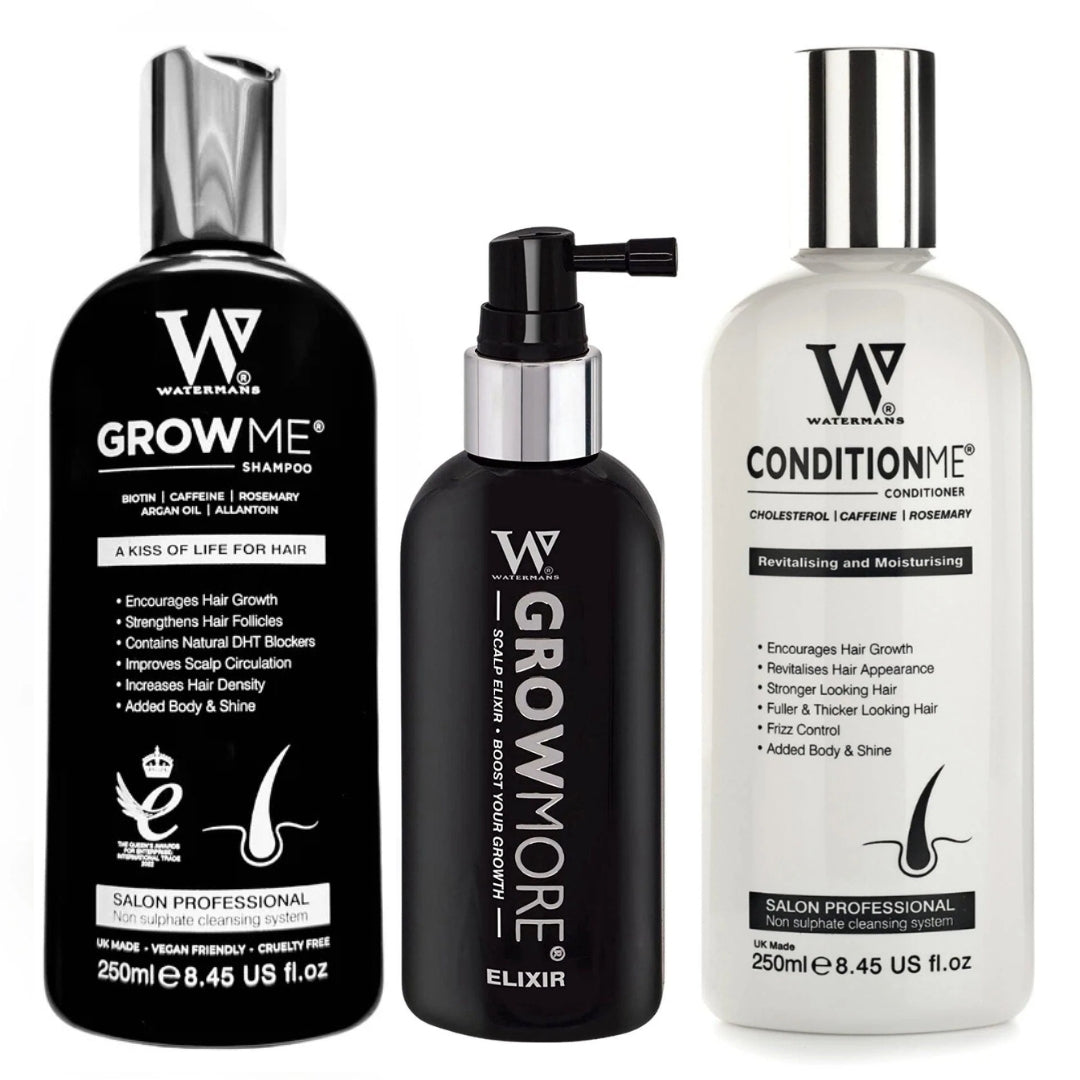
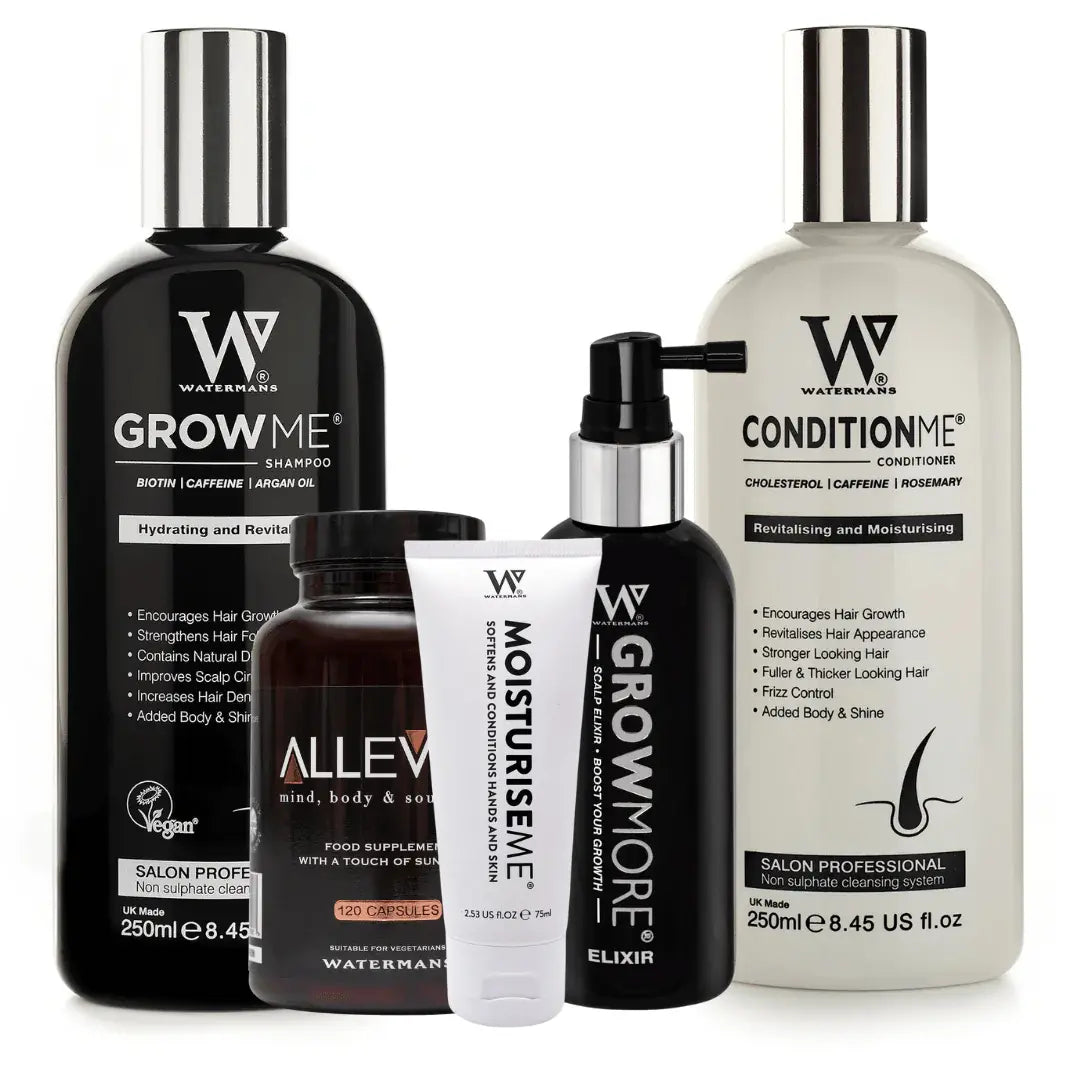
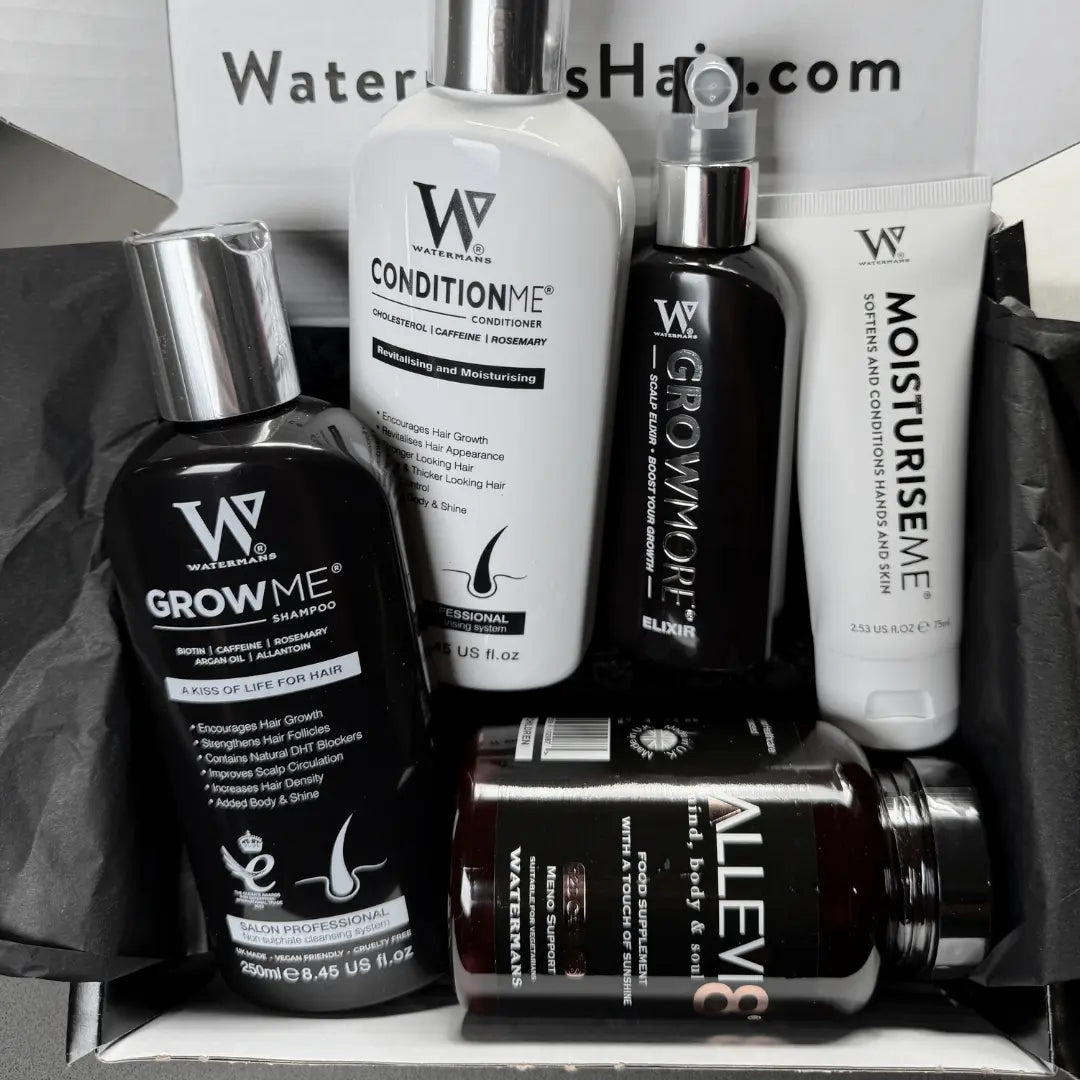
- Scalp-cleansing shampoos that remove buildup without stripping natural oils, helping follicles “breathe”.
- Nourishing conditioners that strengthen the hair shaft and reduce breakage without weighing hair down.
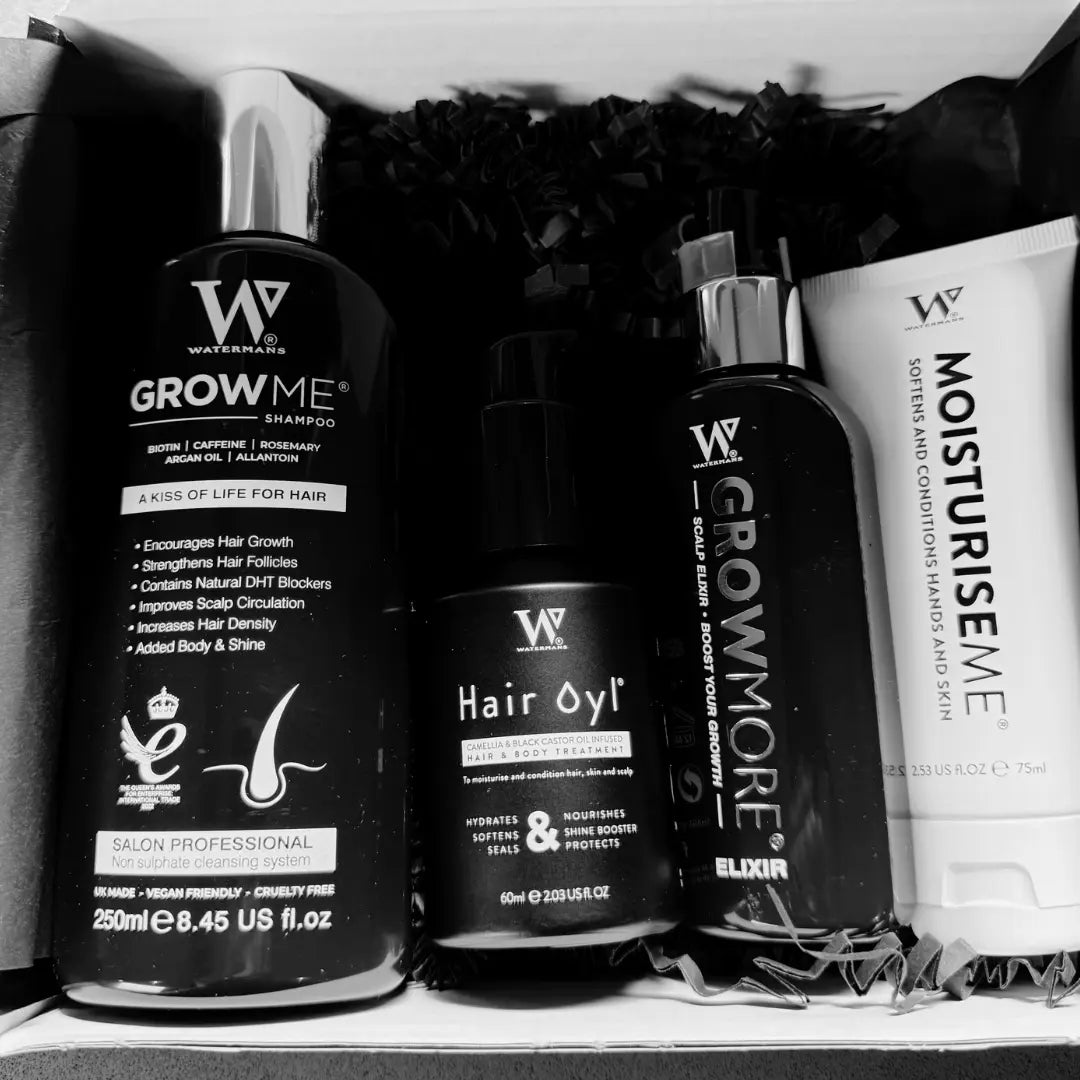
- Topical growth tonics or serums designed to support the scalp and follicles with amino acids, vitamins, and circulation-boosting ingredients.
- Leave-in treatments and heat protectors to shield fragile hair from daily damage.
The aim is to tackle multiple angles at once: improving scalp circulation, reducing breakage, supporting hair fibre strength, and keeping follicles in the growth phase as long as possible. Consistency – using the right products regularly, not occasionally – is where many women begin to see a difference.

Medical treatments and when to see a professional
While a smart haircare routine and lifestyle upgrades are powerful, they are not a substitute for medical advice. Consider speaking to your GP or a dermatologist if:
- Your hair loss is sudden or severe.
- You have patchy bald spots or scarring.
- You notice other symptoms such as weight changes, fatigue, or skin changes.
- You have a strong family history of early, significant hair thinning.
Potential medical approaches can include:
- Topical or oral hair-loss medications for female pattern hair loss, where appropriate.
- Hormone replacement therapy (HRT) – which may indirectly help hair in some women by stabilising hormone levels, but is not a dedicated hair treatment.
- Treating underlying issues such as thyroid disease, anaemia, or nutritional deficiencies that may worsen shedding.
- Procedural options like platelet-rich plasma (PRP) or, in advanced cases, hair transplantation, discussed with a specialist.
Because menopause is a complex hormonal transition, decisions about HRT or prescription treatments should always be personalised. A professional can weigh your medical history, risk factors, and hair goals to create a safe plan.
Menopause hair loss myths – busted
- “Nothing will help, it’s just ageing.” While we can’t fully rewind the clock, many women do see improved thickness, shine, and reduced shedding with the right interventions.
- “If I cut my hair short, it will grow back thicker.” Cutting changes how hair looks, not the number of follicles. Healthy growth starts at the scalp.
- “Washing your hair less stops hair loss.” The hairs you see in the shower were ready to shed anyway. A clean, balanced scalp is better for growth.
- “Supplements alone can fix everything.” Supplements help only if you have a deficiency – they’re one tool, not a magic cure.
FAQ: Common questions when menopause matters for hair loss
Q: Is menopause hair loss permanent?
A: Some degree of density change is common with age, but menopause-related hair loss is not always permanent. Many women stabilise shedding and improve fullness with early intervention, scalp care, nutrition, and – where appropriate – medical treatment. However, very advanced thinning can be harder to reverse, which is why acting sooner is better.
Q: When should I worry about my hair loss?
A: See your doctor promptly if you notice sudden, patchy bald spots, scalp pain, redness, or if you’re losing handfuls of hair. If your hair has been slowly thinning over months or years, it’s still worth discussing, but it’s usually less urgent and more likely related to hormonal and genetic factors.
Q: Do I have to go on HRT for my hair to improve?
A: No. Some women choose HRT for overall symptom relief, and a few notice benefits for their hair, but others manage menopause hair loss with lifestyle changes, scalp-focused haircare, and non-hormonal treatments. HRT is a medical decision, not a requirement for addressing hair issues.
Q: How long will it take to see results from a new haircare routine?
A: Because hair grows slowly, most women need at least 3–6 months of consistent routine before they see noticeable changes in density or texture. Early signs like less shedding, a calmer scalp, or more baby hairs along your parting can show up sooner.
Q: Can colouring or styling my hair make menopause hair loss worse?
A: Gentle colouring and styling are usually fine, but harsh bleaching, frequent high-heat styling, and tight styles can cause extra breakage and make thinning more obvious. Choose kinder techniques, protect hair from heat, and give fragile strands rest days where possible.
Mini glossary: key terms when talking about menopause and hair
- Anagen: The active growth phase of the hair cycle.
- Telogen: The resting and shedding phase, when old hairs fall out.
- Androgens: A group of hormones (including testosterone) that can influence hair growth patterns.
- Female pattern hair loss: A common form of hereditary thinning on the top and crown of the scalp.
- Perimenopause: The transition period leading up to menopause, when hormone levels begin to fluctuate.
Bringing it all together: why menopause really does matter for hair loss
Menopause matters for hair loss because hormones and hair are deeply connected. As oestrogen and progesterone fall and androgens become relatively more dominant, the way your follicles grow, rest, and shed is recalibrated. For some women, that means only a subtle change; for others, it can mean distressing thinning and loss of confidence.
The good news is that you are not powerless. By understanding what’s happening in your body, choosing scalp-first, targeted haircare, supporting your nutrition and stress levels, and seeking medical advice where needed, you can give your hair the best possible chance to stay fuller and stronger for longer.
Menopause matters for hair loss – but it doesn’t get the last word. With informed choices, consistent routines, and, when needed, professional help, many women successfully reduce shedding, improve scalp health, and feel more confident in their hair through midlife and beyond.