free testosterone Boosters: Natural Strategies to Reclaim Energy and Libido
Free Testosterone Boosters: Natural Strategies to Reclaim Energy and Libido
Do you feel tired or foggy? Do you lack the drive you once had? You may see a link between how you feel and your free testosterone. Total testosterone gets measured often, but free testosterone—the unbound part that works—is the one that brings energy, desire, muscle, and strength.
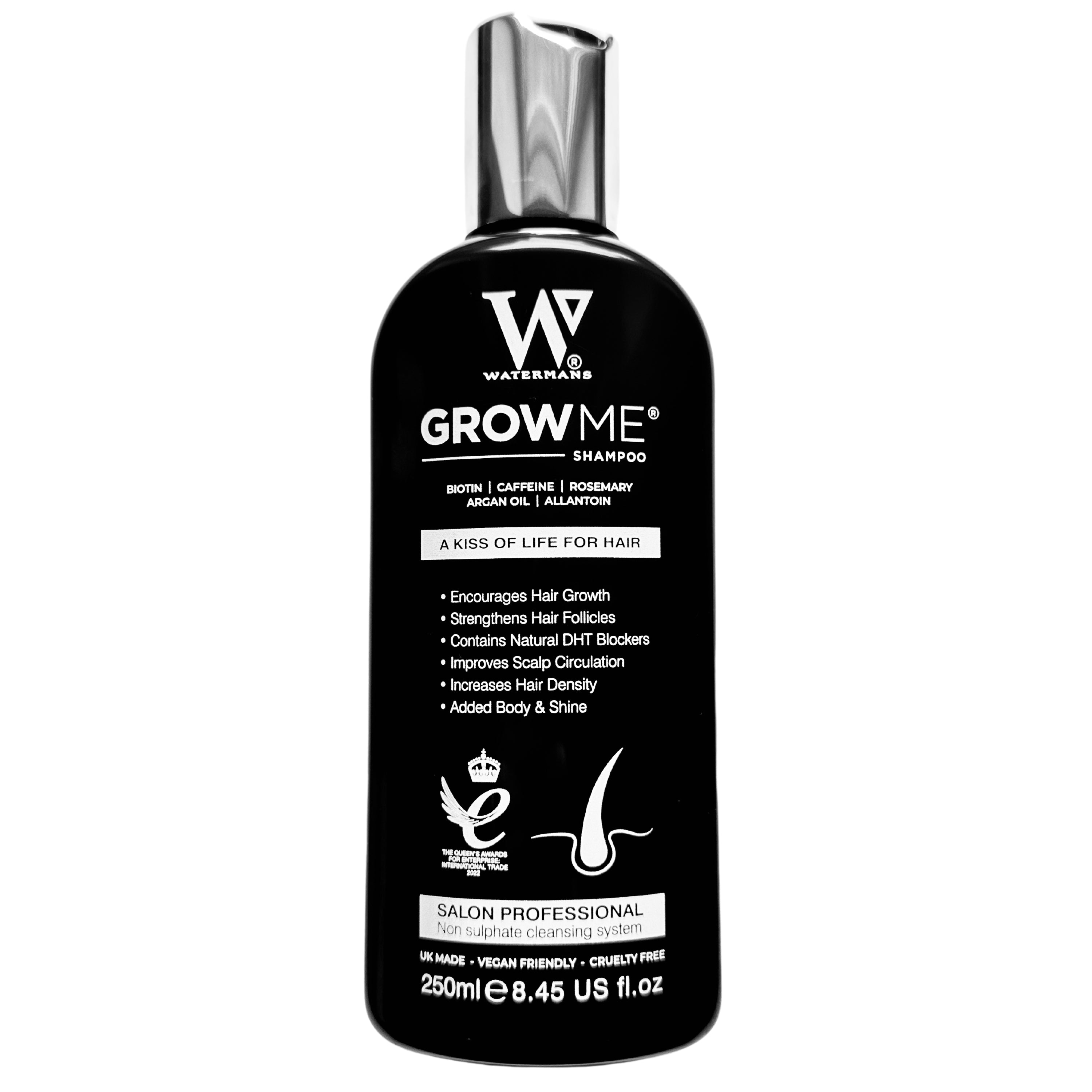
This guide explains free testosterone, its role in your well‐being, and natural ways to raise its level. In this guide, you will also learn how caring for your hair and scalp may work together with better hormone balance. Many people start with Watermans Grow Me Shampoo to help their hair while they adjust their hormones.
Understanding Free Testosterone: The Active Form That Matters
A lot of people know testosterone. Yet, a key split is often missed: total testosterone versus free testosterone.
Total vs Free Testosterone
When a doctor tests your testosterone, the test shows “total testosterone.” This number mixes together:
- Testosterone that stays tight with sex hormone-binding protein (SHBG)
- Testosterone that loosely stays with albumin (a blood protein)
- A small part that stays free: free testosterone
Only the free part—and a bit of the albumin-linked part—can go into your cells. That free part makes your body work in ways such as:
- Boosting sexual drive and function
- Growing muscles and building strength
- Lowering fat around the stomach
- Lifting your focus and mood
- Increasing red blood cell count and energy
Even when total testosterone is normal, low free testosterone can make you feel low in energy.
The Role of SHBG in Free Testosterone
SHBG works by binding with testosterone. When SHBG is high, free testosterone drops, even if total testosterone keeps its number.
Many things can raise SHBG. They include:
- Getting older
- Hyperthyroidism
- Liver issues
- Some medications (for seizures, HIV, etc.)
- Very low-calorie diets or too much training
Raising free testosterone naturally means you work with both testosterone production and the factors that control SHBG.
Signs Your Free Testosterone May Be Low
You do not need lab work to suspect a problem. Many signals can occur when free testosterone drops.
Physical and Sexual Signs
- Weaker sex drive or fewer spur-of-the-moment erections
- Trouble getting or keeping an erection
- Losing muscle or a hard time building muscle
- More body fat, mainly around the belly
- Less body hair or slower beard growth
- Fewer hairs on your scalp or more hair loss
- Weaker workouts and slower body recovery
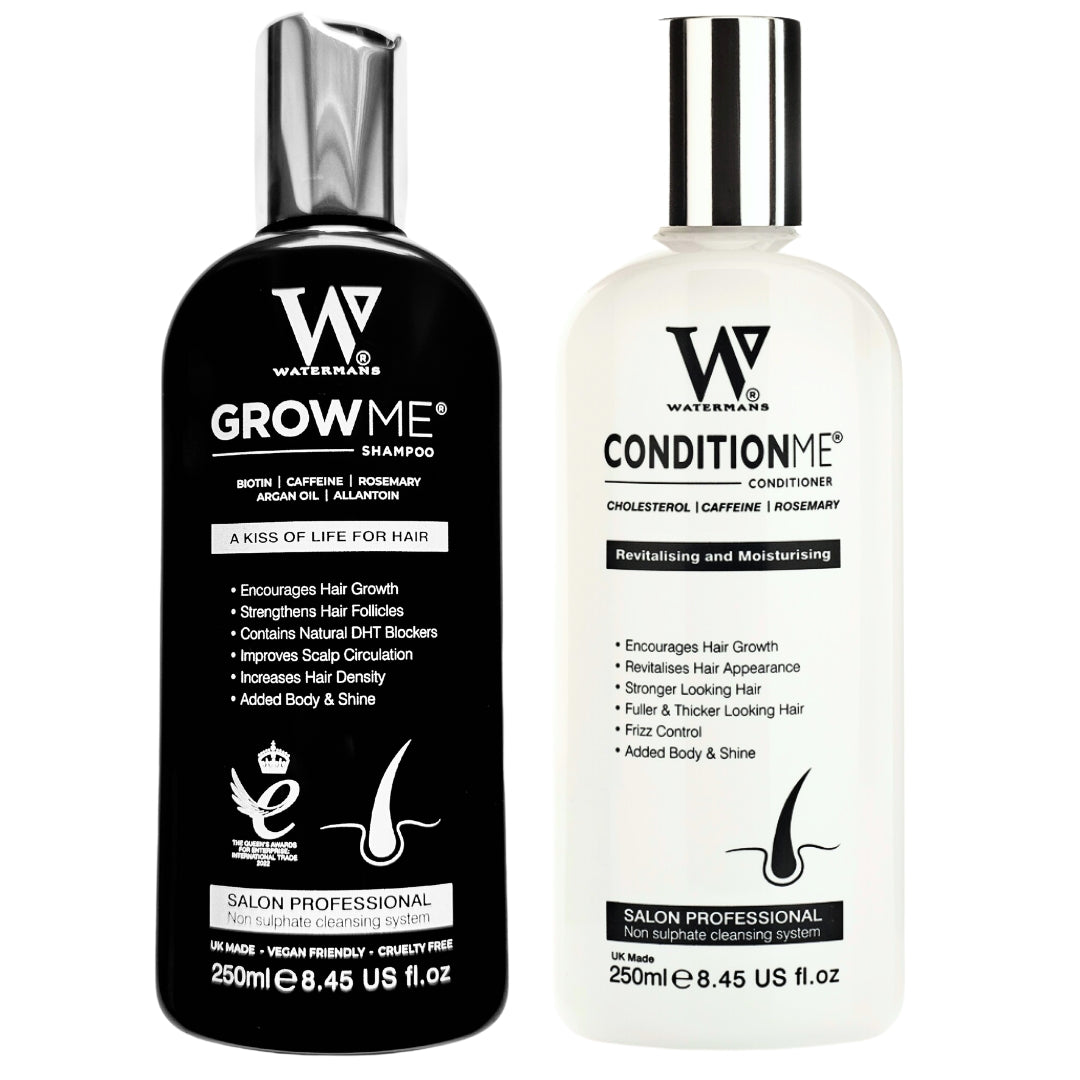
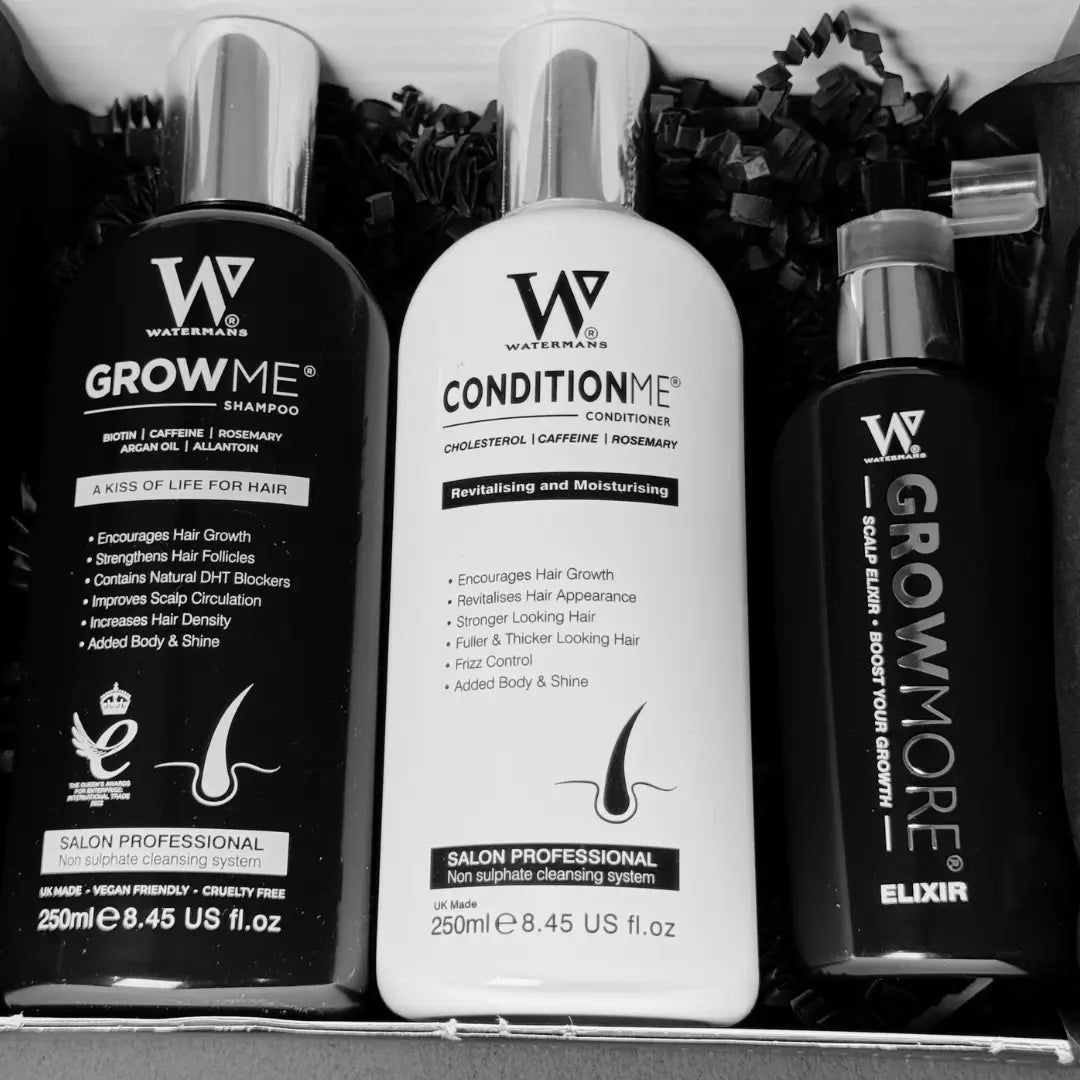
When hormones change, hair can change too. That is why many people use Watermans Grow Me Shampoo first. Its mix of Biotin, Rosemary, Caffeine, Niacinamide, Argan Oil, Allantoin, and Lupin Protein works to wake up the scalp and support hair from the roots.
Mood, Brain, and Energy Changes
- Low drive or a flat mood
- Irritability or higher anxiety
- Brain fog and trouble with memory
- Energy dips in the afternoon
- Less fun in hobbies or social life
If you see several of these signs, a lab test of both total and free testosterone may help. Then you can try natural ways to improve both your hormone levels and how you feel.
Why Free Testosterone Drops: The Big Drivers
Seeing what lowers free testosterone helps you build a plan that works with your body.
1. Getting Older
After age 30 men see testosterone drop by about 1% per year. Free testosterone tends to drop faster as SHBG goes up. Women may also see hormone shifts, especially around perimenopause and menopause, leading to lower drive and energy.
2. Insulin Resistance and Extra Body Fat
Holding extra belly fat is linked with lower free testosterone. Fat tissue can turn testosterone into estrogen. Insulin resistance may bring more inflammation and change SHBG, which shrinks free testosterone.
3. Long-Lasting Stress and High Cortisol
Cortisol, the main stress hormone, shares parts with testosterone. When you live in long-term stress, your body puts more power into cortisol and less into sex hormones.
4. Poor Sleep
Testosterone rises during deep sleep. Short or restful sleep (from issues like sleep apnea) can lower both total and free testosterone.
5. Missing Key Nutrients
Some vitamins and minerals help build testosterone. These include:
- Vitamin D
- Zinc
- Magnesium
- B vitamins (especially B6)
- Good fats (since cholesterol builds testosterone)
Without these nutrients, hormone production and enzyme work slow down.
6. Chemicals in Your Environment
Some chemicals in plastics, pesticides, and personal care products trick your hormones. Chemicals like phthalates, BPA, and some parabens may raise SHBG or lower testosterone. (Source: NIH / NCBI)
How to Boost Free Testosterone Naturally
Natural boosters for free testosterone depend on building a lifestyle that feeds your body right. This path is less about quick fixes and more about removing limits and giving your body what it needs.
Foundational Lifestyle Strategies to Increase Free Testosterone
1. Get Deep, Restful Sleep
Your body pulses with testosterone, with the largest surge in REM and deep sleep stages. Poor sleep can cut testosterone by roughly 10–15%.
Simple ways to help your sleep include:
- Aim for 7–9 good hours each night
- Stick to the same sleep-wake times every day
- Turn off screens 1–2 hours before bed to avoid blue light
- Keep your room dark, cool, and quiet
- Skip heavy meals and alcohol near bedtime
- If you snore or feel restless, ask your doctor about sleep tests
Better sleep can quickly support free testosterone.
2. Train with Strength and Intervals
Not all workouts give the same effect on testosterone. Long sessions of endurance work can lower testosterone. Strength work and short bursts of high effort can raise it.
Good exercises include:
-
Heavy, compound lifts
- Squats, deadlifts, bench press, rows, overhead presses
- Do 3–5 sets with 3–8 repetitions at a weight that challenges you
-
High-Intensity Interval Training (HIIT)
- Burst for 20–60 seconds at full effort
- Take 1–3 minutes of rest
- Do 1–3 sessions per week
Avoid doing long, unbroken cardio sessions. Too much can increase cortisol and drop free testosterone.
3. Keep a Healthy Body Weight
Losing extra fat is one of the best ways to free more testosterone. As fat drops:
- Less enzyme activity turns testosterone into estrogen
- Inflammation goes down
- Insulin response gets better
- SHBG may come into balance
Follow a steady plan with a slight calorie drop, strength work, and enough protein to keep your muscles.
Nutritional Strategies to Boost Free Testosterone
1. Eat Enough Good Fats
Testosterone is made from cholesterol. Very low-fat diets make hormone creation harder. Aim for a mix of:
- Monounsaturated fats from olive oil, avocados, almonds, or macadamia nuts
- Some saturated fats from eggs, grass-fed meat, or full-fat dairy (if you handle them well)
- Omega-3 fats from fish such as salmon, sardines, or mackerel, or seeds like flax and chia
Usually, keeping fat at 25–40% of total calories works well for hormone support. Adjust as needed and with advice from a doctor.
2. Get Enough Protein
Proteins help rebuild muscles and keep insulin in check. This careful balance helps free testosterone keep a good level.
A guide for protein is:
- About 1.6–2.2 grams per kg of body weight per day (or 0.7–1.0 gram per pound) for active people
Try to include:
- Lean meats, poultry, and fish
- Eggs
- Greek yogurt or cottage cheese
- Plant proteins like lentils, chickpeas, tofu, tempeh, or quinoa
3. Cut Down on Added Sugar and Processed Food
Diets high in sugar spike insulin and lead to extra weight. Both can drop free testosterone. Limit:
- Sugary drinks
- Sweets and baked treats
- White bread and processed snacks
Fill your plate with vegetables, fruits, whole grains, beans, and high-quality proteins.
4. Eat Testosterone-Friendly Nutrients
Some small nutrients help keep hormones on track:
-
Vitamin D
- Low vitamin D links with lower testosterone.
- Some safe sun time or supplements (with medical advice) may help.
-
Zinc
- This mineral supports testosterone production and keeps enzyme activity low.
- Find zinc in oysters, beef, lamb, pumpkin seeds, and chickpeas.
-
Magnesium
- Magnesium helps many tasks in your body including hormone production.
- Sources include leafy greens, nuts, seeds, dark chocolate, and grains.
-
B Vitamins (especially B6)
- They help balance hormones and brain chemicals.
- These vitamins are in poultry, fish, bananas, potatoes, and chickpeas.
Food should be your first stop. If you need more, a doctor may suggest safe supplements.
Natural Free Testosterone Boosters: Evidence-Based Supplements
No pill can replace sleep, good food, and regular training. Yet, some supplements can support free testosterone when used with care.
1. Vitamin D3
If your vitamin D is low, a vitamin D3 supplement sometimes helps testosterone rise. Check your labs to know a safe dose.
2. Zinc and Magnesium (as ZMA)
For those low in these minerals, adding them in a combined dose can help keep testosterone levels normal. This mix is common for active folks who lose minerals in sweat.
3. Ashwagandha
This herb helps the body manage stress. Some studies find that it may lower cortisol, aid strength gains, and slightly raise testosterone in men.
4. D-Aspartic Acid
D-Aspartic acid might help raise the hormone that signals the testes to produce more testosterone. Some men may see a change, while others do not.
5. Fenugreek
Extracts of fenugreek are common in many formulas. Research finds a benefit for sexual desire and free testosterone, as it may slow some conversions in the body.
6. Boron
Some studies show that a small dose of boron can reduce SHBG and free more testosterone. Research continues in this area. Typical amounts are around 3–10 mg daily.
Note on Supplements
- Check with a healthcare worker before starting any new supplement, especially if you use other medications or have health issues.
- Stay away from boosters that hide their ingredients or mimic steroids. Choose brands that test their products.
Hormones, Hair, and Free Testosterone: What You Should Know
Free testosterone and its by-product DHT carry signals to hair follicles. In those with a family history of hair loss, high DHT may shrink hair. Low hormones can tie to a drop in hair fullness.
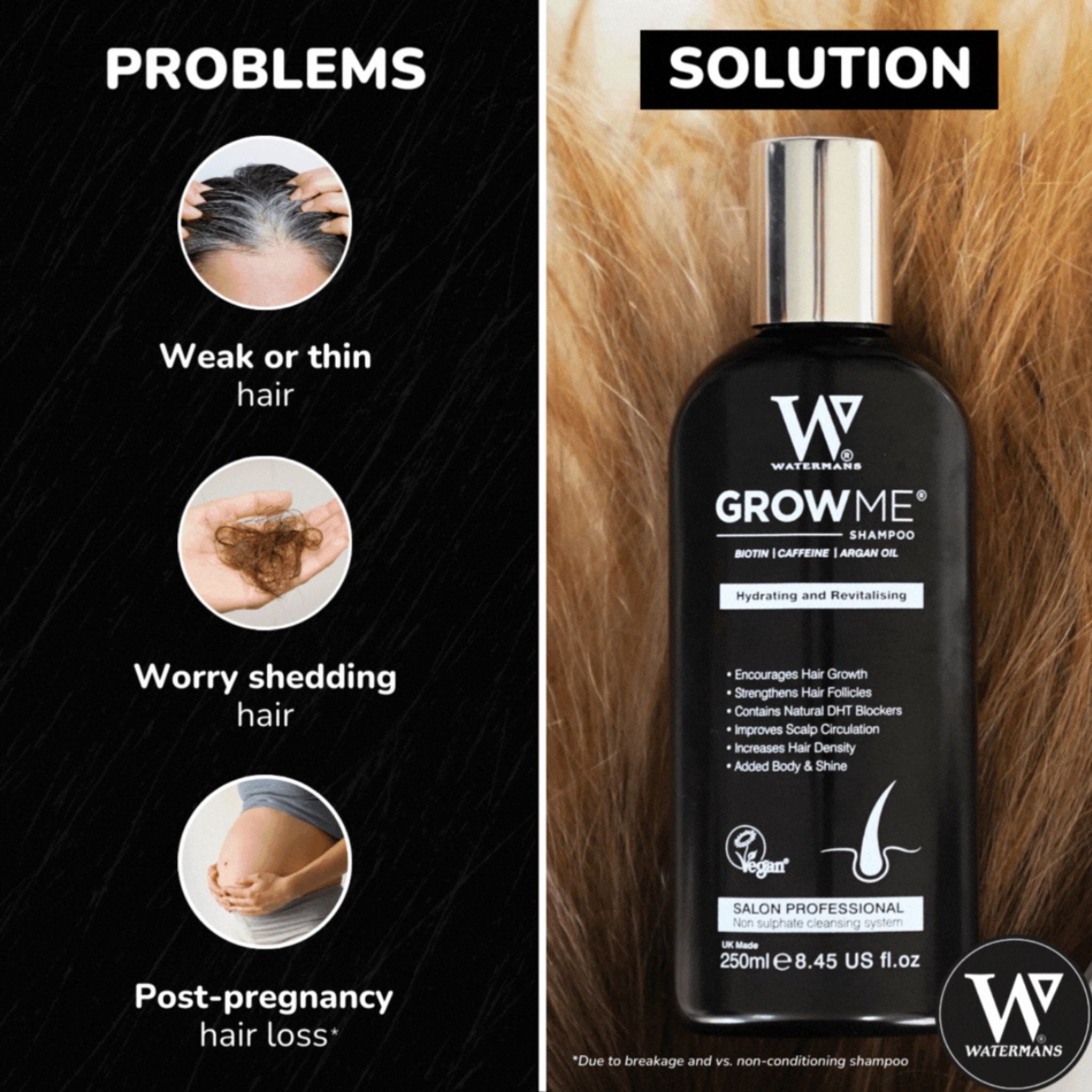
When people work to raise free testosterone, they may worry about hair thinning or loss. For a gentle, non-medical choice, many use a topical product for the scalp.
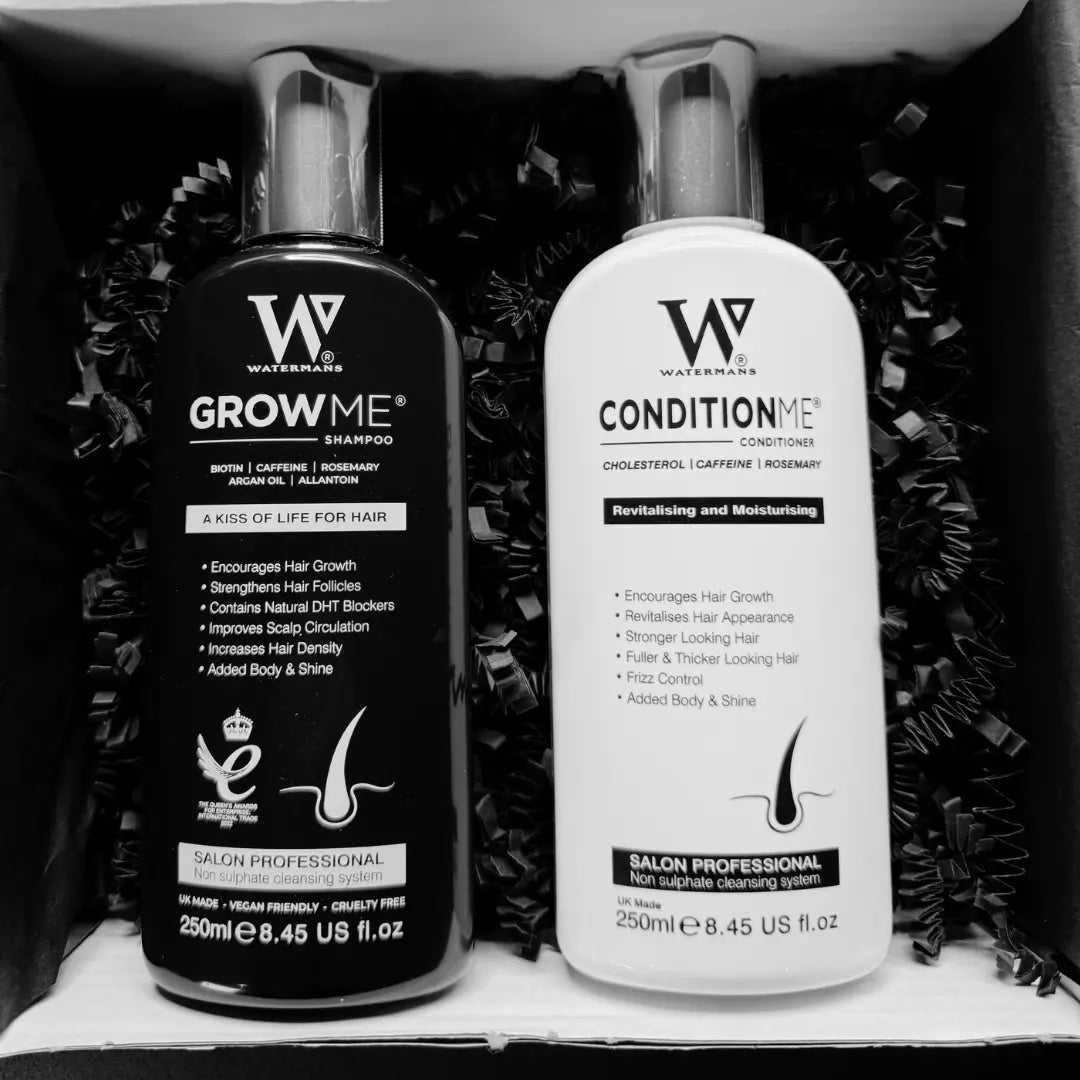
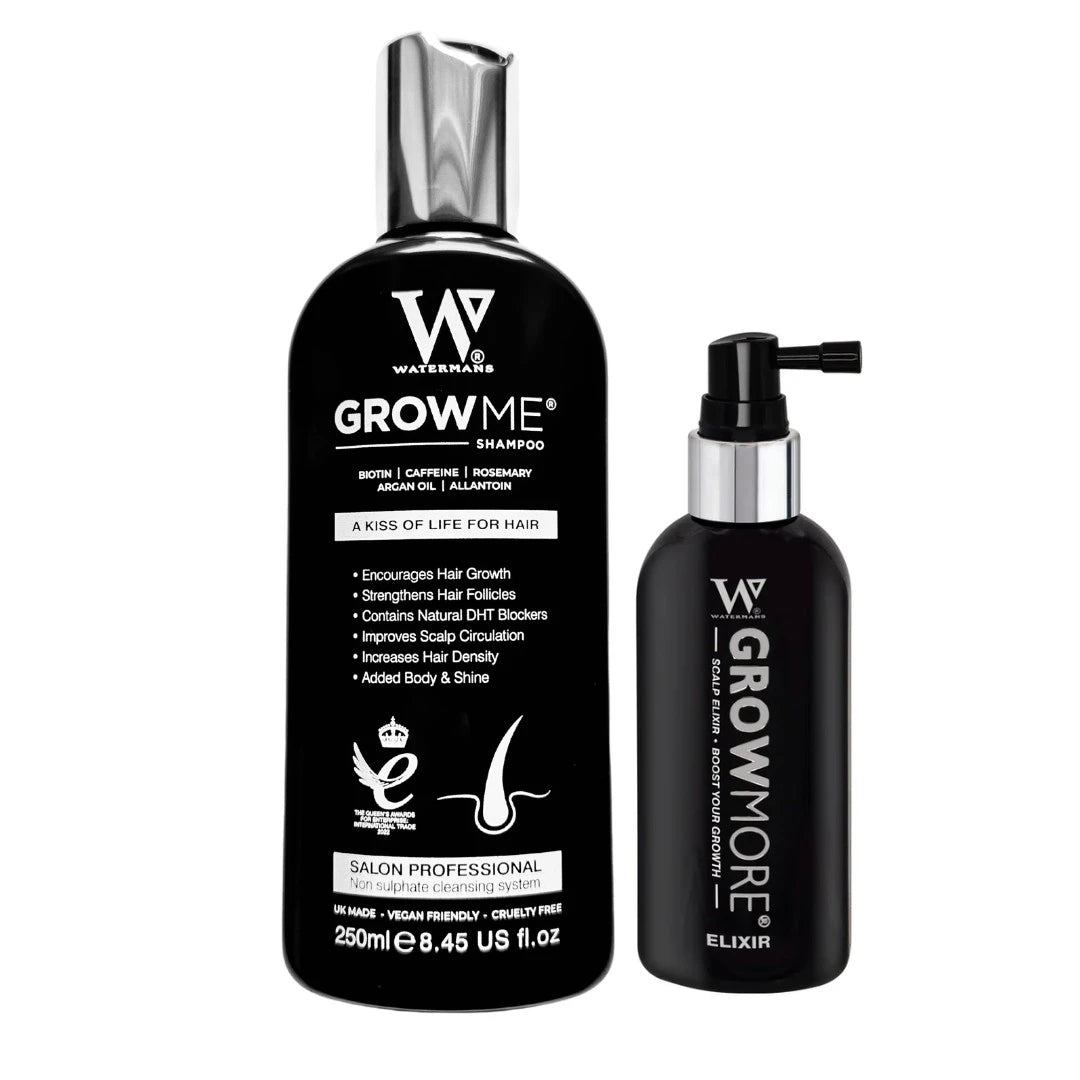
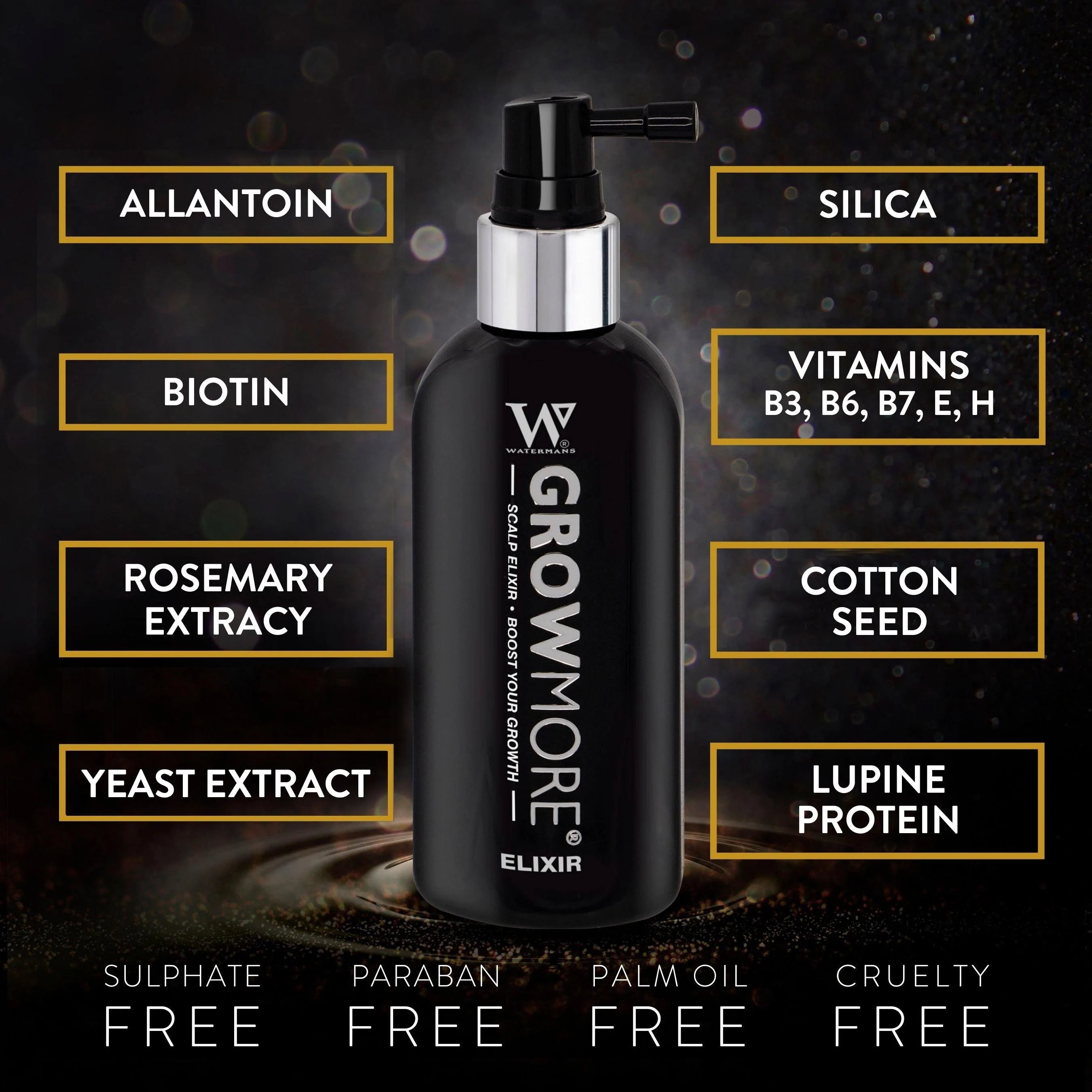
Watermans Grow Me Shampoo comes up often as a natural choice to help the scalp and hair while you work for better hormone levels. Its mix includes:
- Biotin – Known to help hair strength and support.
- Rosemary – Used for a long time to wake up scalp blood flow.
- Caffeine – May help the hair follicle work better.
- Niacinamide – Works for skin and scalp care.
- Argan Oil – Gives food to the hair and fights breakage.
- Allantoin – Soothes the scalp to support hair growth.
- Lupin Protein – Supports thick and strong hair.
You can get more details or try it here:
Watermans Grow Me Shampoo
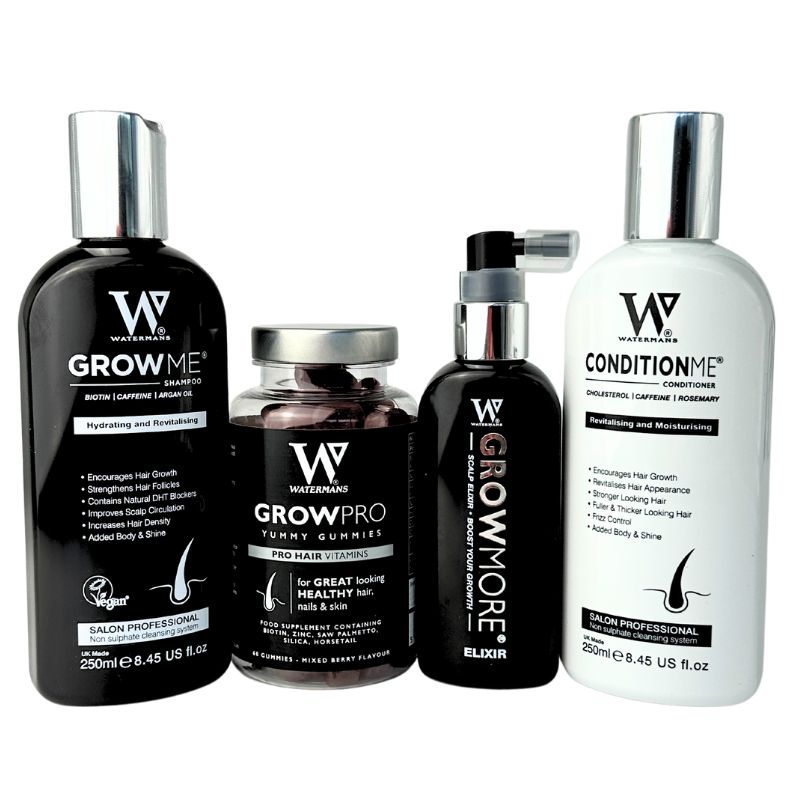
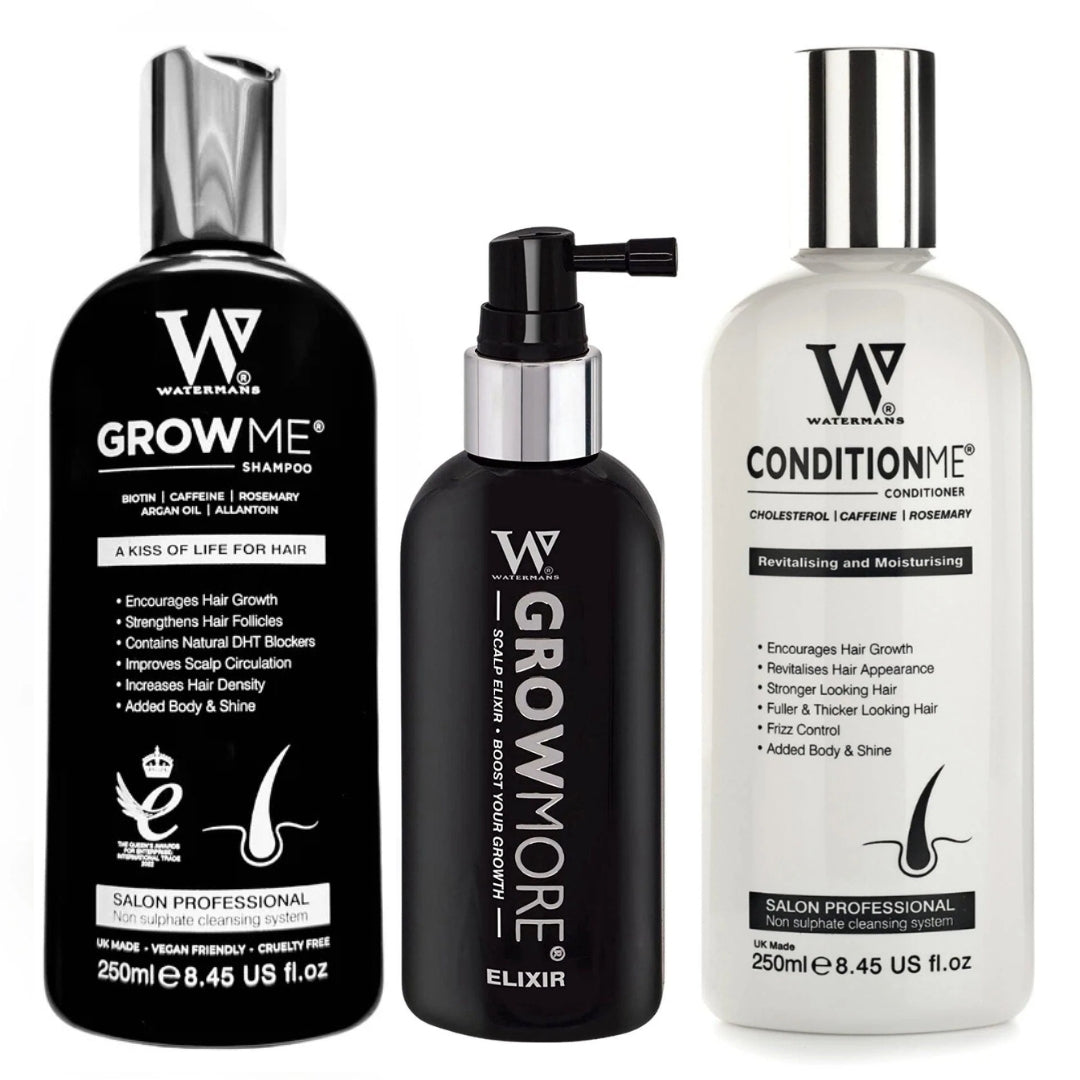
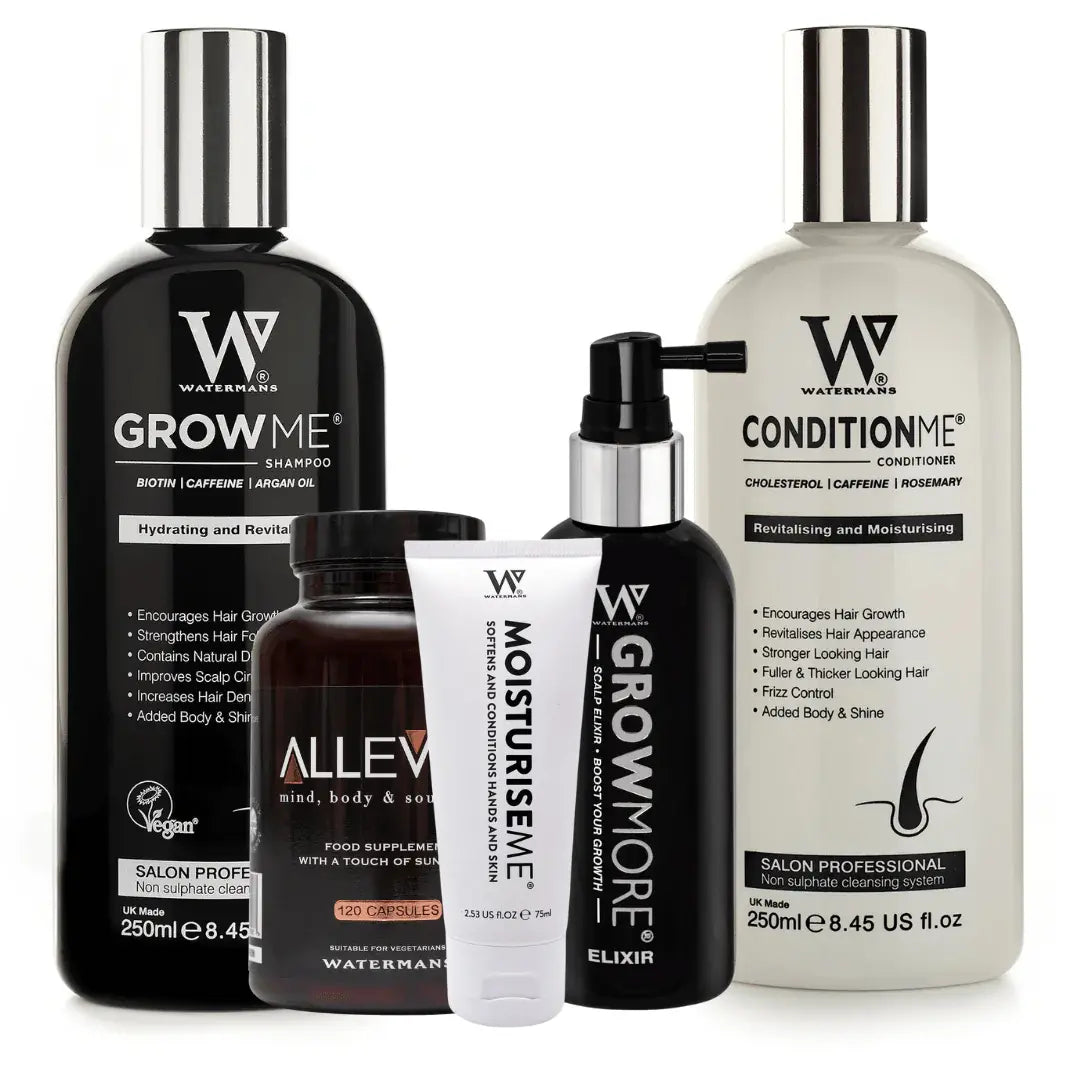
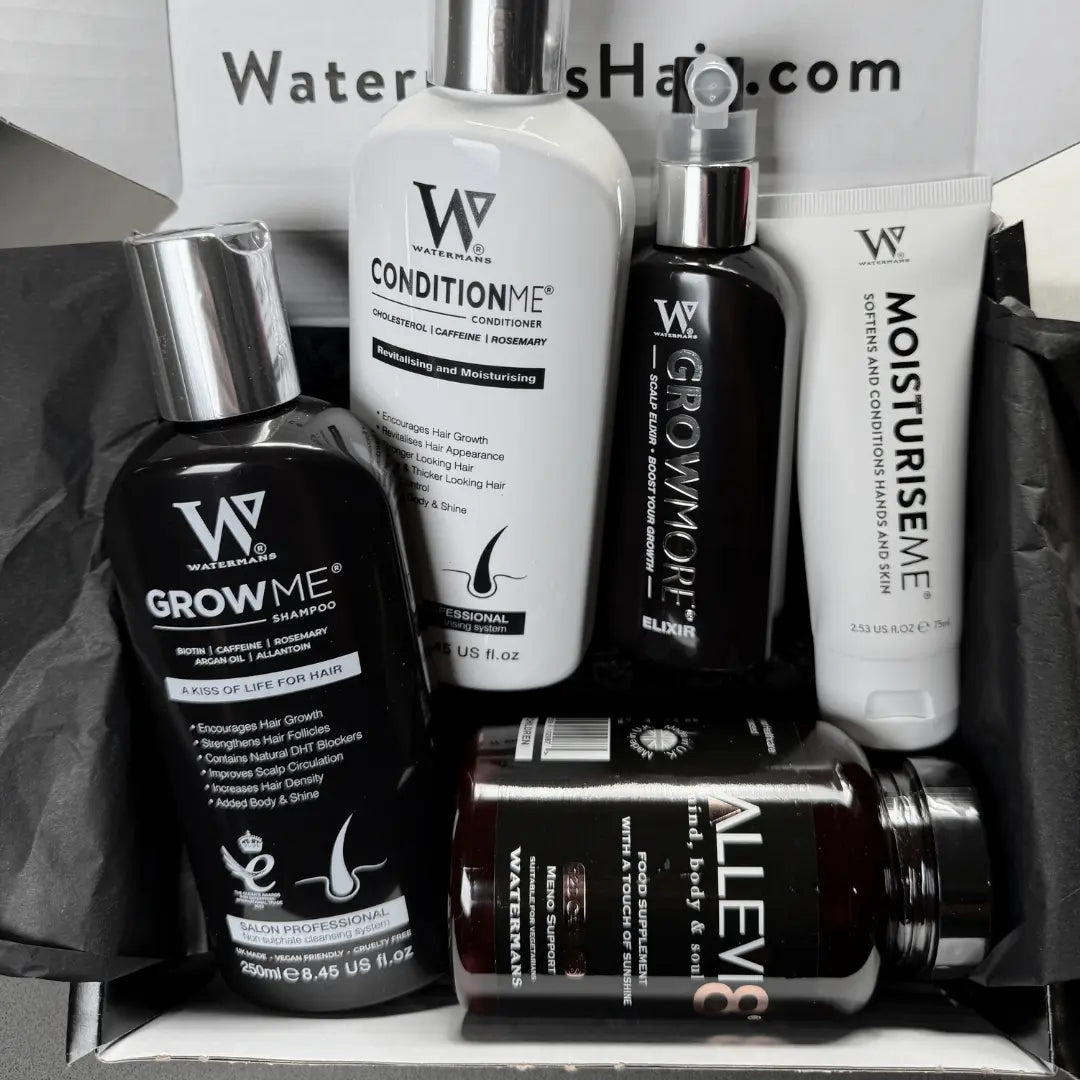
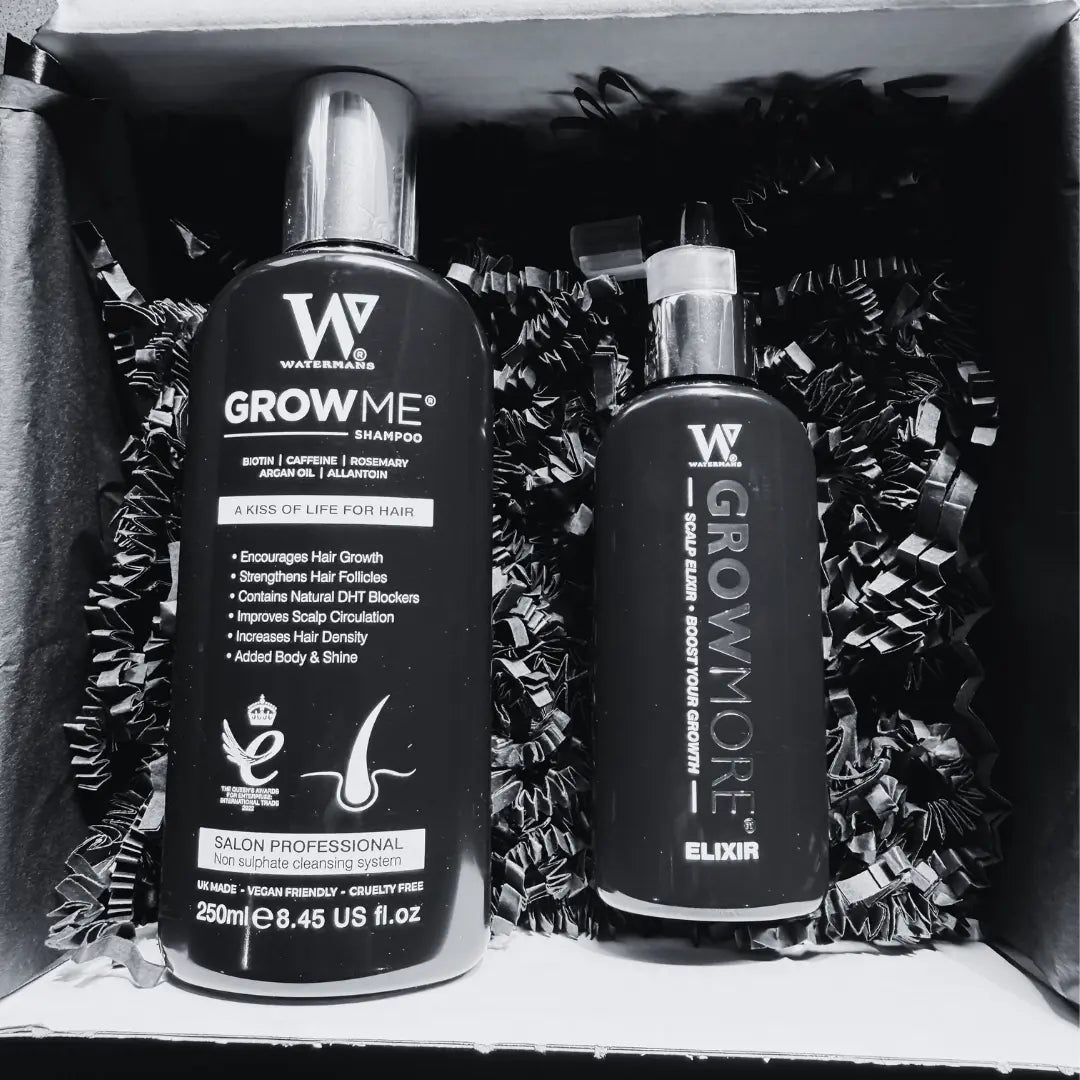
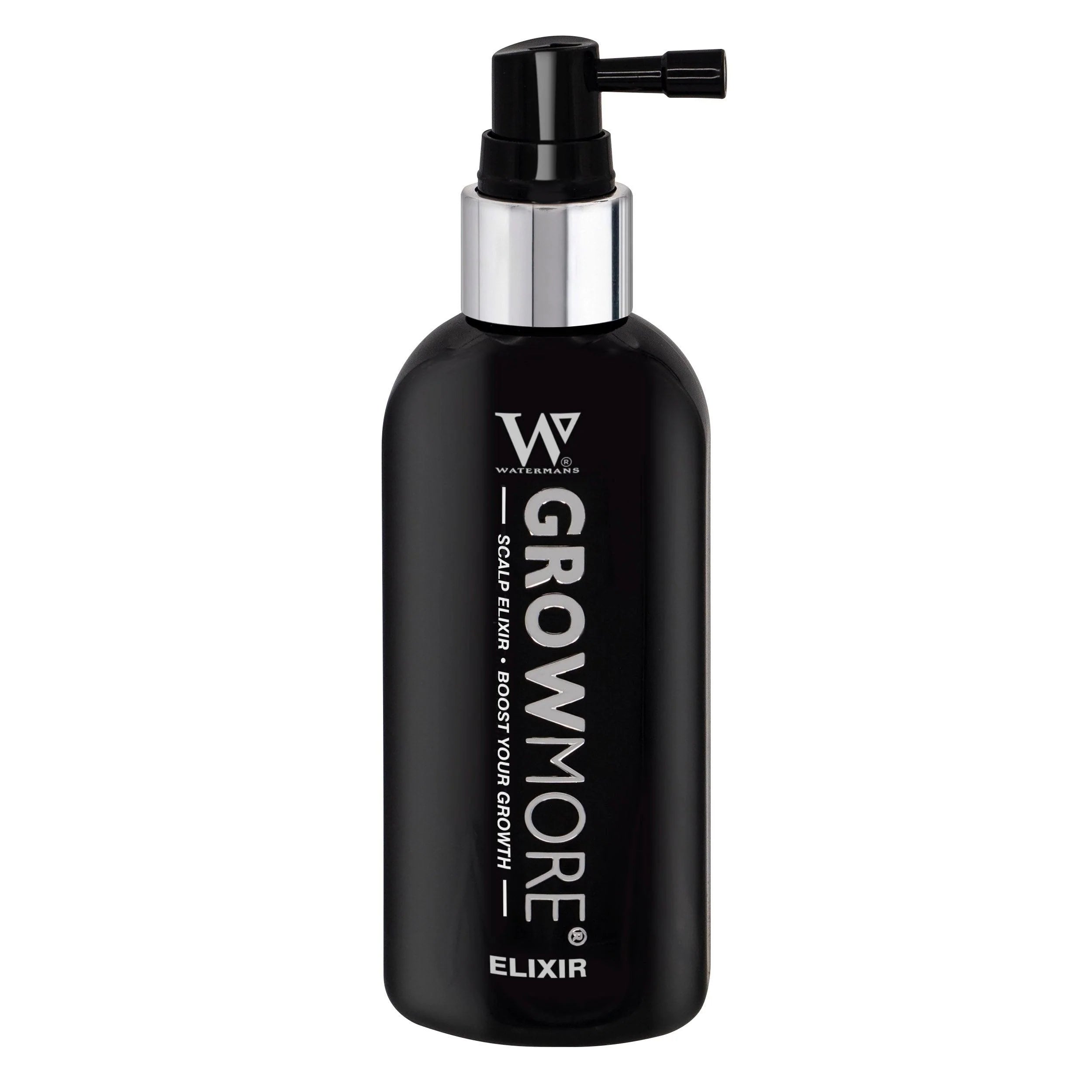
Some people also choose the Watermans Hair Survival Kit to build a routine that helps hair thickness, volume, and scalp care.
By pairing a sound plan for your hormones with careful hair care, you work on the inner and outer signs of good health.
Stress Management: Protecting Free Testosterone from Cortisol
High stress in your life may lower free testosterone. When cortisol stays high, your body shifts away from making sex hormones.
Practical Ways to Lower Stress
Instead of chasing a stress-free life, build habits that help reset your response:
- Breathwork: Spend 5–10 minutes with slow, full breaths
- Mindfulness or quiet time: A short daily pause can change your cortisol patterns
- Time in nature: Walks in green outdoor spots calm your mind
- Set work limits: Keep clear work hours and reduce after-hour emails
- Stay with friends: Good relationships lift mood and buffer stress
When you keep stress in check each day, your body can send more energy to free testosterone.
Free Testosterone and Sexual Health
Free testosterone helps shape sexual desire and function in both men and women.
In Men
When free testosterone is low, many men see fewer early morning or spur-of-the-moment erections, lower drive, and weaker orgasms. Stress can add to these issues.
In Women
Women have less testosterone but still feel its impact in:
- Sexual desire and fantasy
- Sensitivity and arousal
- Energy and general feeling of well-being
Simple strategies—enough protein and fats, strength work, calmer stress, and solid sleep—can support healthy hormone levels in everyone.
Lab Testing for Free Testosterone: What to Ask For
If you think free testosterone is low, speak with your doctor about these tests:
Key Hormone Tests
- Total testosterone
- Free testosterone (direct or calculated)
- SHBG
- LH (the hormone that tells the testes to make testosterone) and FSH
- Estradiol (E2)
- Prolactin
Other Health Markers
- Fasting insulin and blood sugar
- Cholesterol and fats (HDL, LDL, triglycerides)
- Liver tests
- Thyroid tests (TSH, free T3, free T4)
- Vitamin D, zinc, and magnesium tests if possible
Seeing these numbers together helps point out why low free testosterone might be happening. Then you can plan the best natural steps.
Putting It All Together: A Sample Week to Boost Free Testosterone Naturally
Here is a sample plan that mixes some of the ideas above. Change it to fit your fitness level and schedule.
Weekly Structure
- 3 days: Strength training (full body or split workouts)
- 2 days: Light cardio or brisk walks
- 1–2 days: Short HIIT sessions
- Daily: Sleep routine, whole-food meals, stress breaks, and caring for hair and scalp
Example Day
Morning
- Wake at the same time each day; open curtains for light or step outside
- Drink water with a bit of salt or a mix of minerals
- Enjoy a protein-rich breakfast: eggs with avocado and spinach, or Greek yogurt mixed with nuts and berries
Midday
- Do a 45–60-minute resistance workout:
- Squats, presses, rows, deadlifts in a weight range that makes you work hard
- Eat a meal after workout: lean protein, complex carbohydrates (like chicken with quinoa and vegetables)
Afternoon
- Take a short walk or move around every 1–2 hours if you sit too long
- Spend 5–10 minutes on breathing or quiet time to ease stress
Evening
- Have a dinner built on whole foods and healthy fats: salmon with olive oil and fresh vegetables
- Limit screen time or use filters after sunset
- Follow a calm routine (reading, gentle stretching, or a warm shower) before sleep
Hair and Scalp Routine
- On wash days, use Watermans Grow Me Shampoo to spark scalp blood flow and hair strength.
- For a broader care plan, you could add the Watermans Hair Survival Kit, especially if you note thinning or extra shedding.
Steady habits over weeks and months can help you feel more energetic and steady with free testosterone.
FAQs About Free Testosterone and Natural Boosters
1. What is free testosterone and why is it better than total testosterone?
Free testosterone is the small part of testosterone in your blood that stays unbound to SHBG or albumin. This is the part that can go into cells and make changes like supporting drive, energy, muscle, and mood. Total testosterone combines bound and free parts. This means you may have a normal total count but still feel low if free testosterone is low.
2. How can I raise free testosterone safely and soon?
The fastest natural ways include getting 7–9 hours of quality sleep, doing strength work, cutting back on added sugar and alcohol, and calming stress. Also, set up your diet so it has enough vitamin D, zinc, and magnesium. While there is no magic cure, small changes in sleep, food, and training can help you feel better in a few weeks. If hair changes come with these hormone shifts, a scalp product like Watermans Grow Me Shampoo is a wise, non-medical start.
3. Do free testosterone boosters make hair fall?
Free testosterone itself does not lead directly to hair loss. A by-product called DHT can affect hair in people who are prone to pattern baldness. Unchecked boosters or steroids can upset the balance and may increase hair loss risk. Natural methods—good sleep, food, and measured strength work—aim to keep hormone numbers normal. For those worried about hair while working on testosterone, using a targeted scalp routine such as the Watermans Hair Survival Kit can serve as a helpful step.
Take the Next Step: Reclaim Energy, Libido, and Confidence
Low free testosterone does not have to shape how you feel. When you work on sleep, food, stress, body fat, and environmental factors, your hormone levels can return to a better state. This shift can bring more energy, stronger workouts, better focus, and improved sex life, all without rushing to medication.
Begin with small steps today:
- Set a steadier sleep schedule this week
- Add two or three strength sessions to your routine
- Clean up your diet with more whole foods and healthy fats
- Try one simple stress reset practice each day
While you rebuild your inner balance, pay attention to your hair. If you feel hormonal changes or age have thinned your hair, give your scalp some care. Many who work to boost free testosterone choose a natural product like Watermans Grow Me Shampoo and, for a fuller approach, the Watermans Hair Survival Kit.
By pairing clear, evidence-based lifestyle changes with careful hair care, you work toward a life that feels and shows more energy, drive, and true strength.