dutasteride transgender: What You Need to Know About Use and Safety
<h1></h1>
Featured summary
- Dutasteride transgender use means using the 5-alpha-reductase inhibitor dutasteride for feminizing care or hair management in transgender people. This guide explains how it works, its evidence and limits, safety tips, monitoring needs, other options (including non-medical ones), and steps to talk with your clinician.
Within the first 100 words:
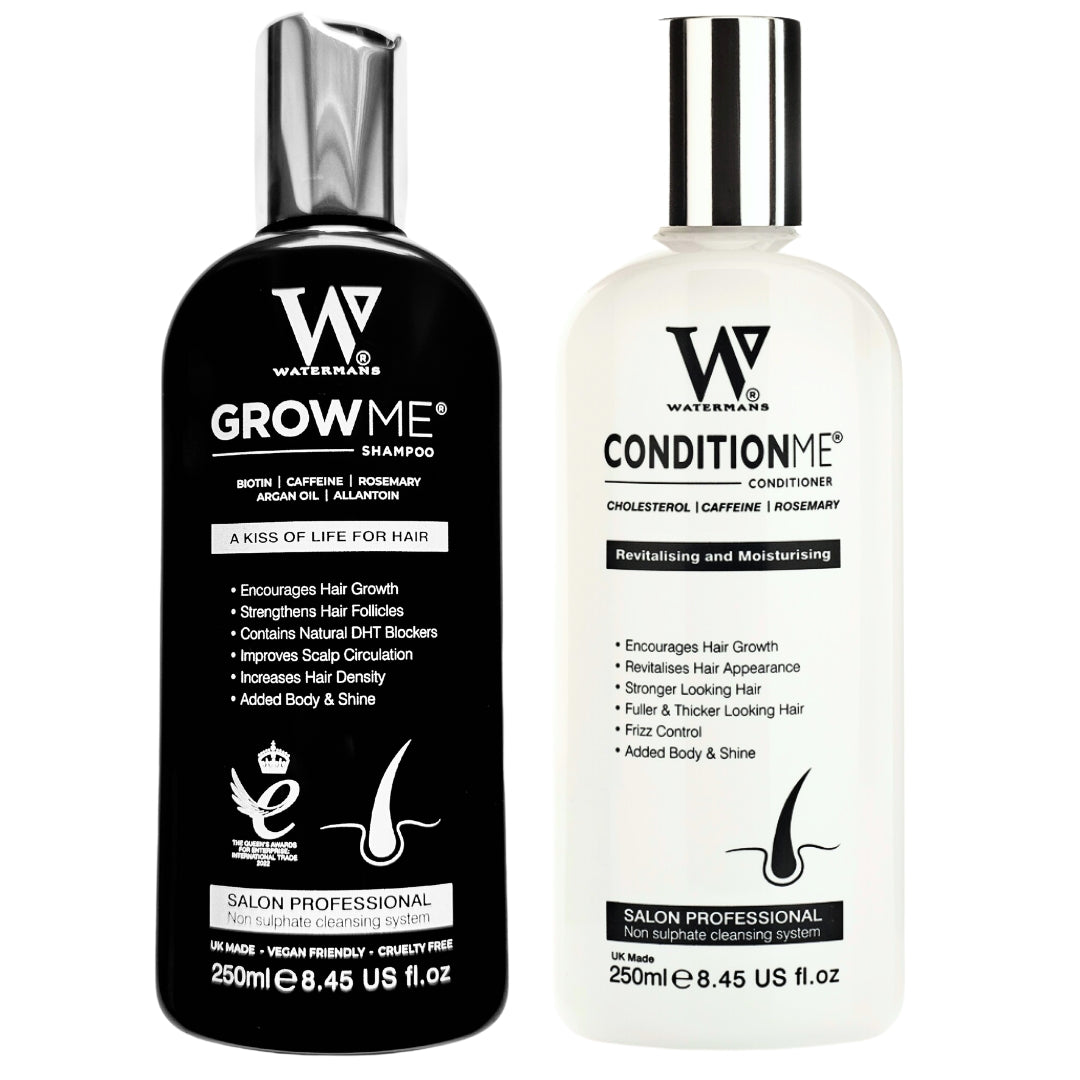
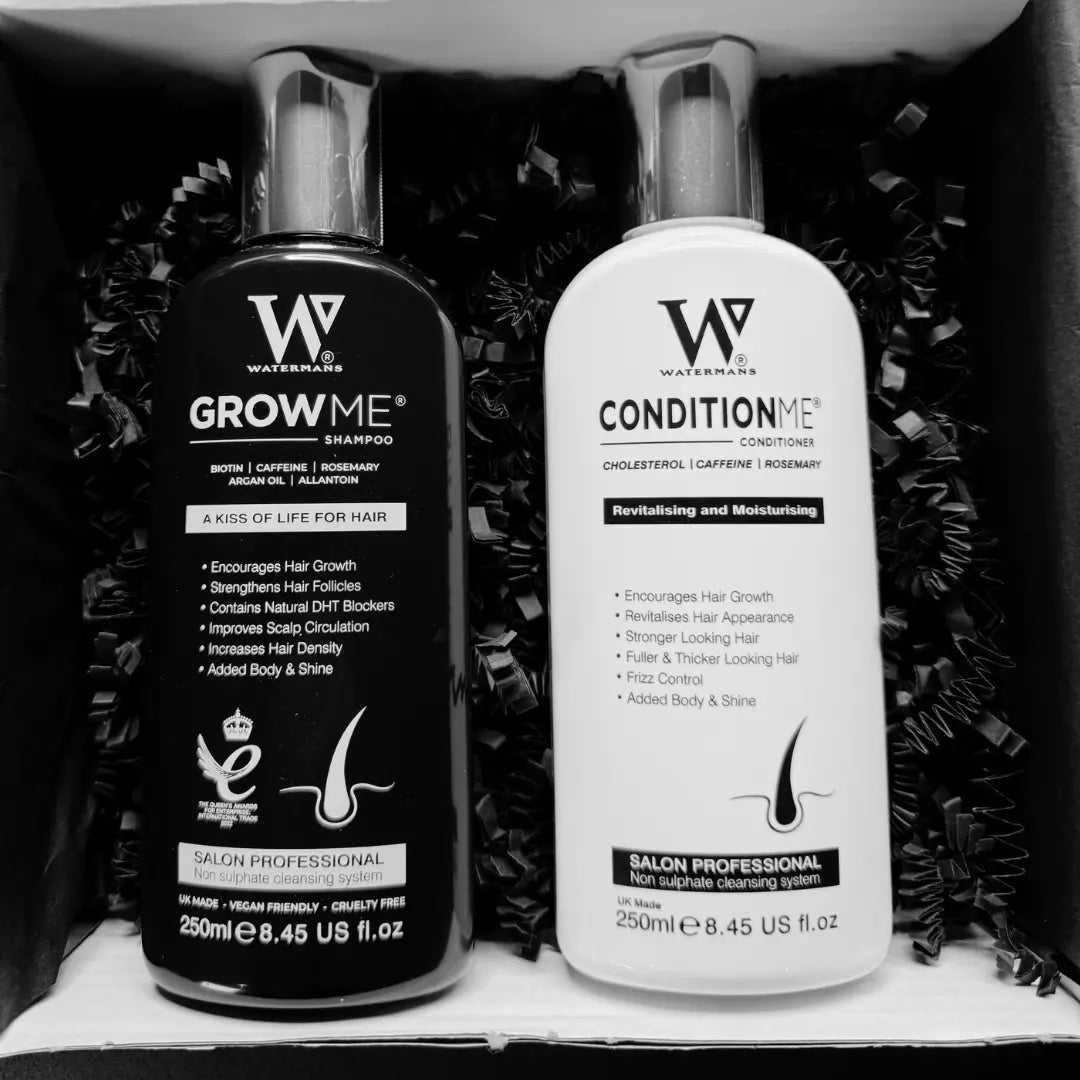
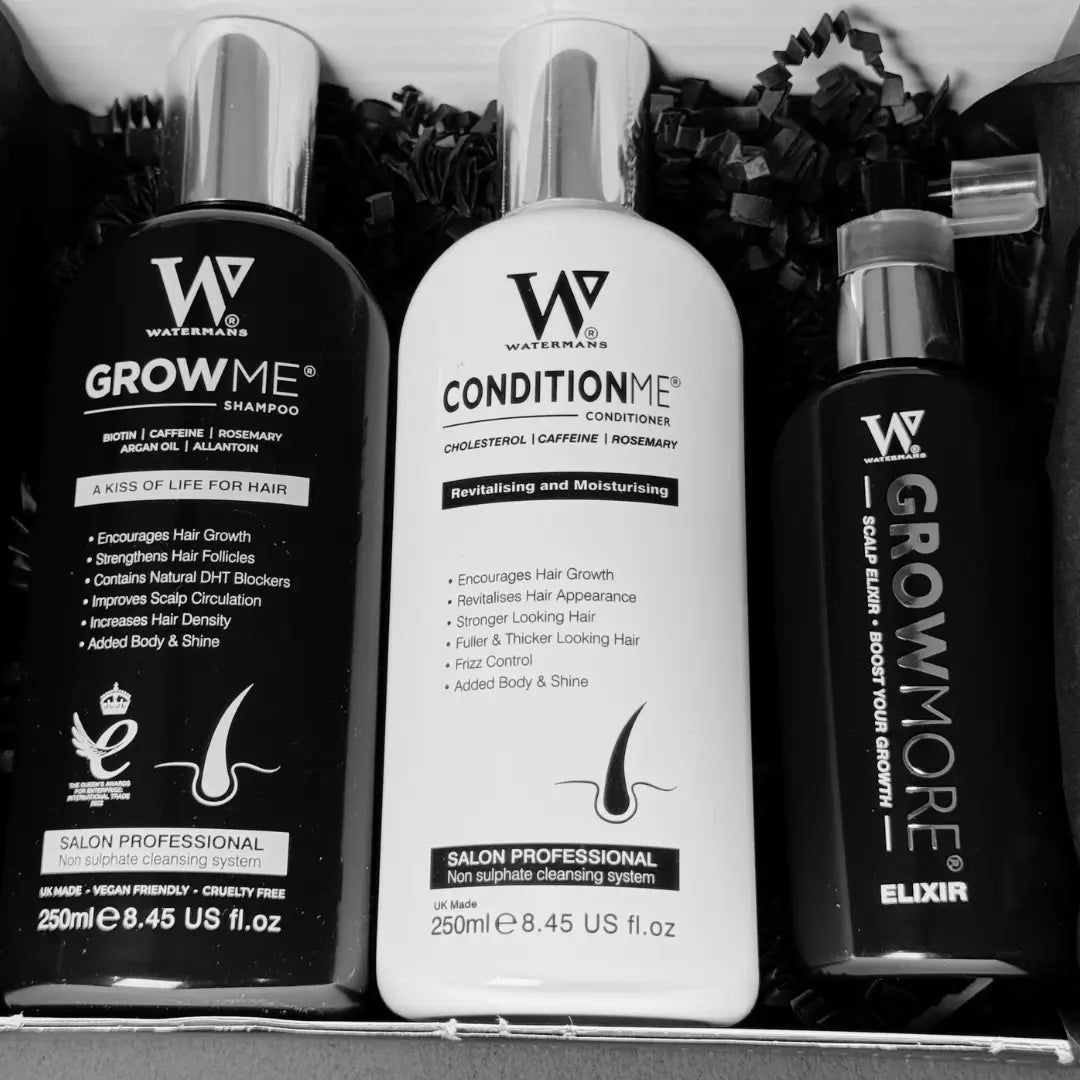
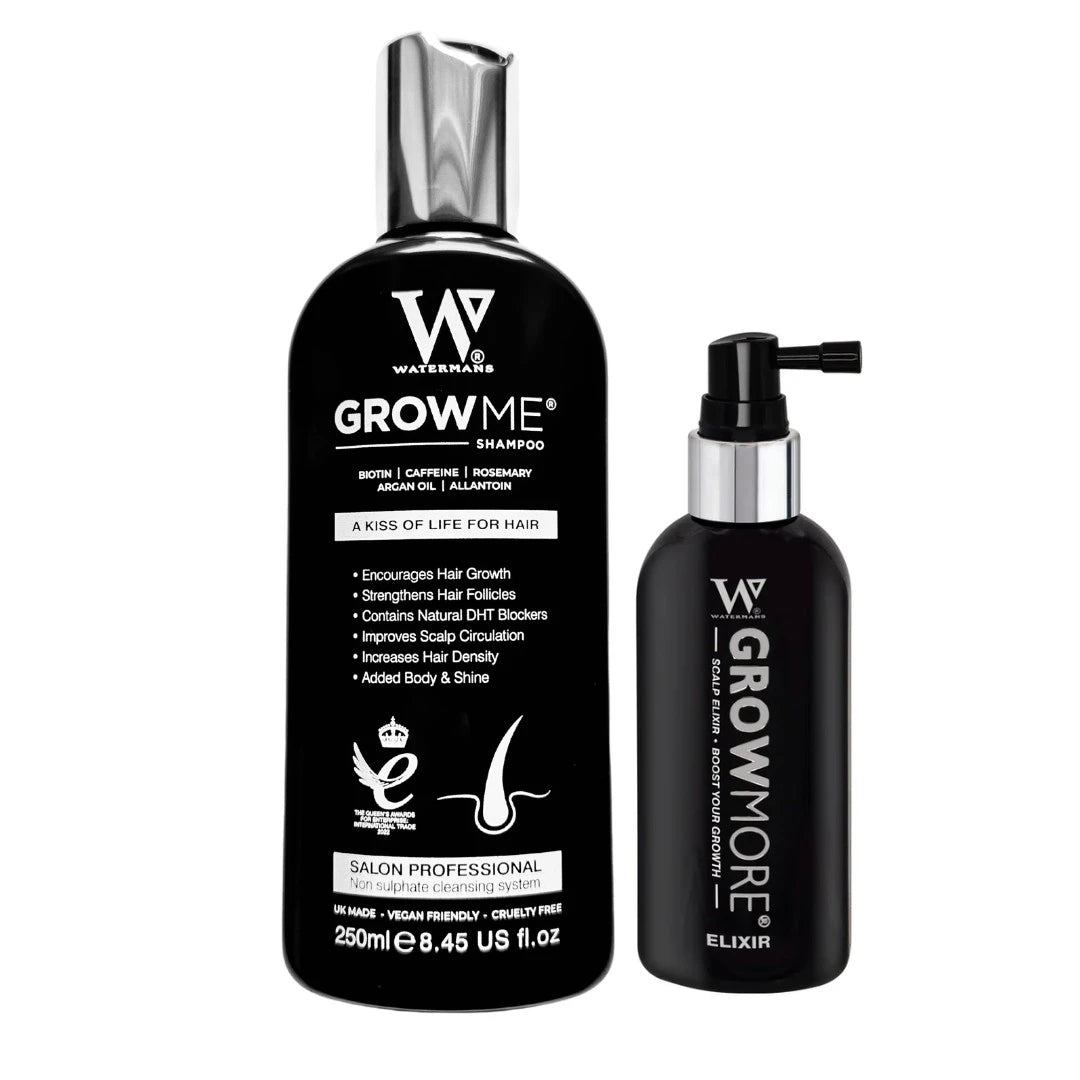
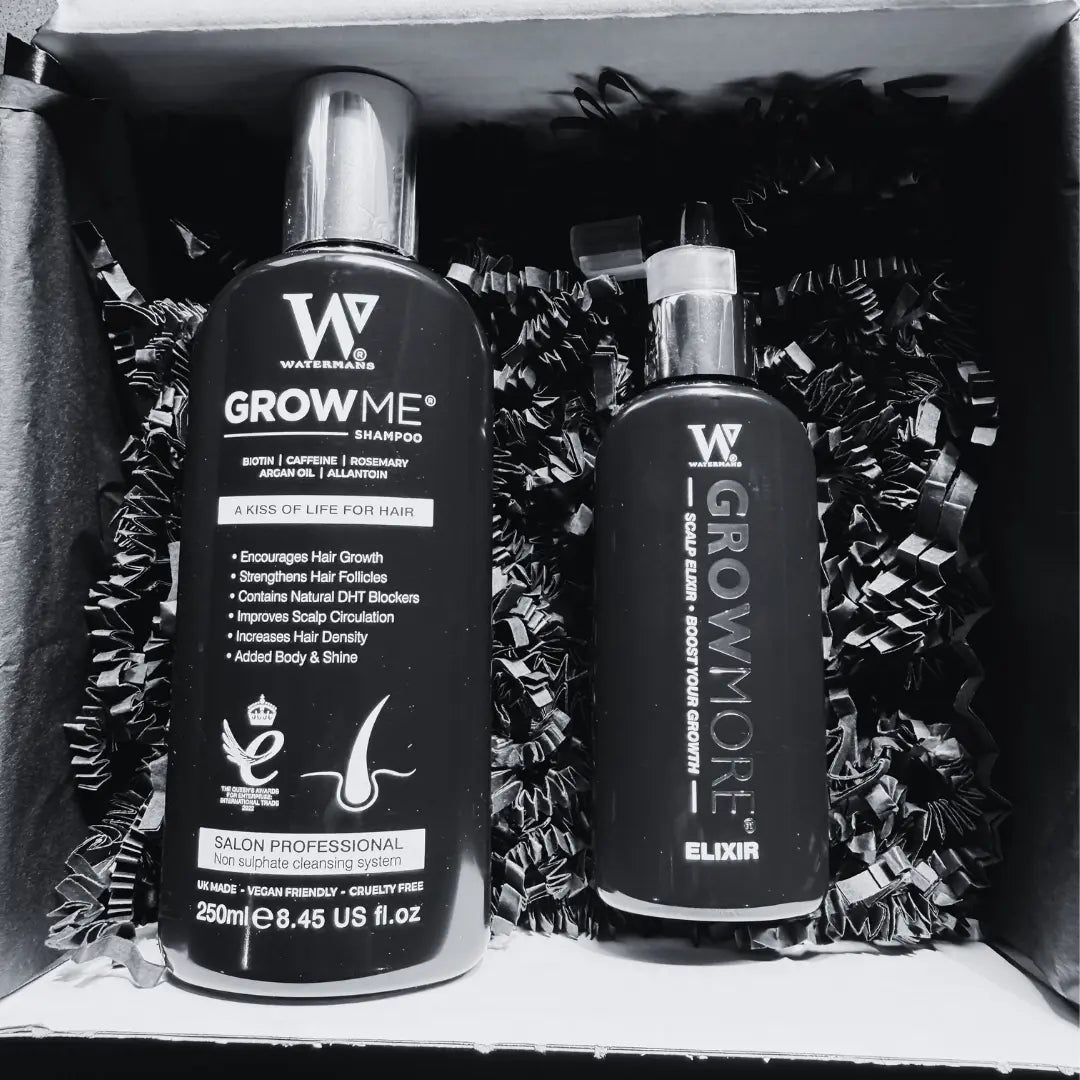
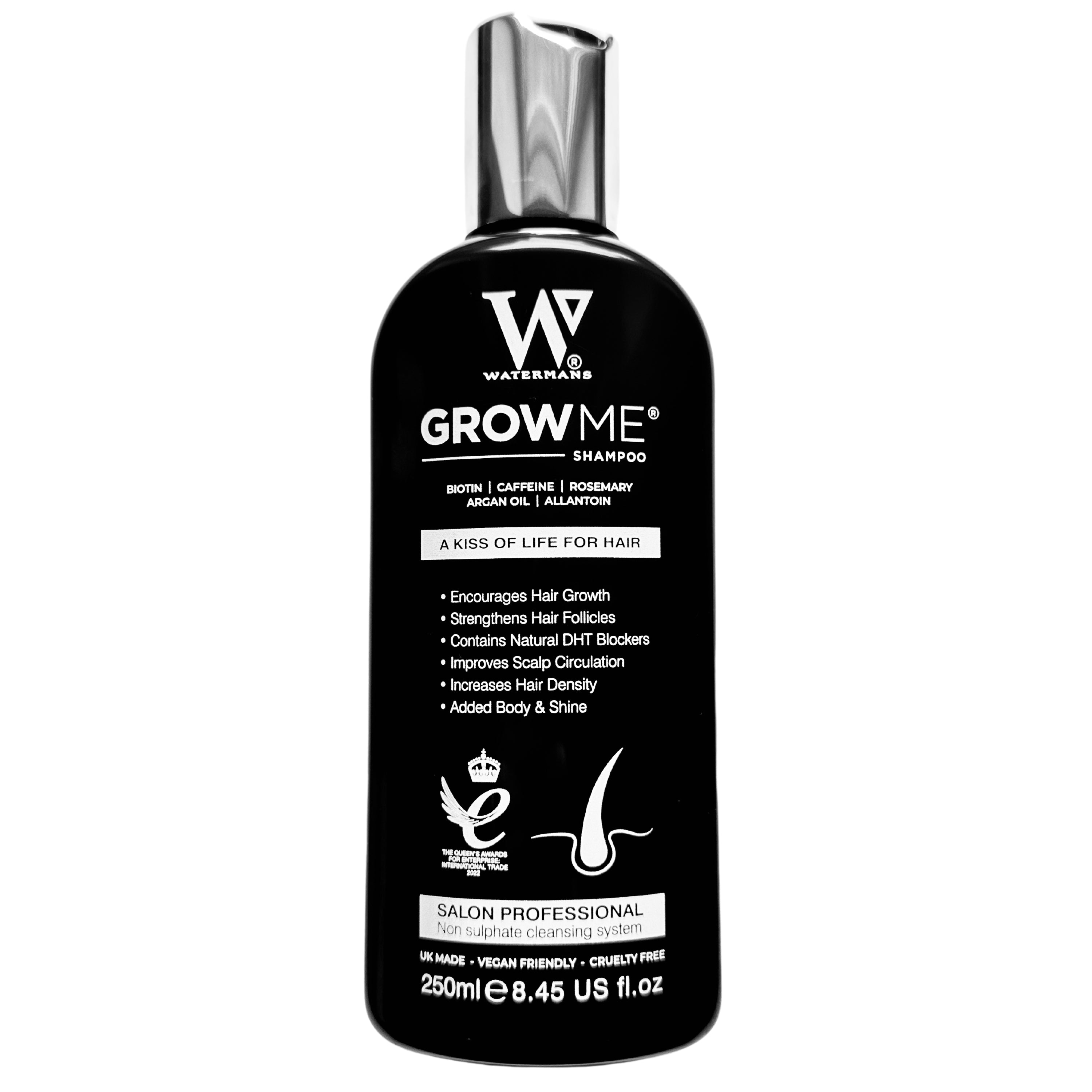
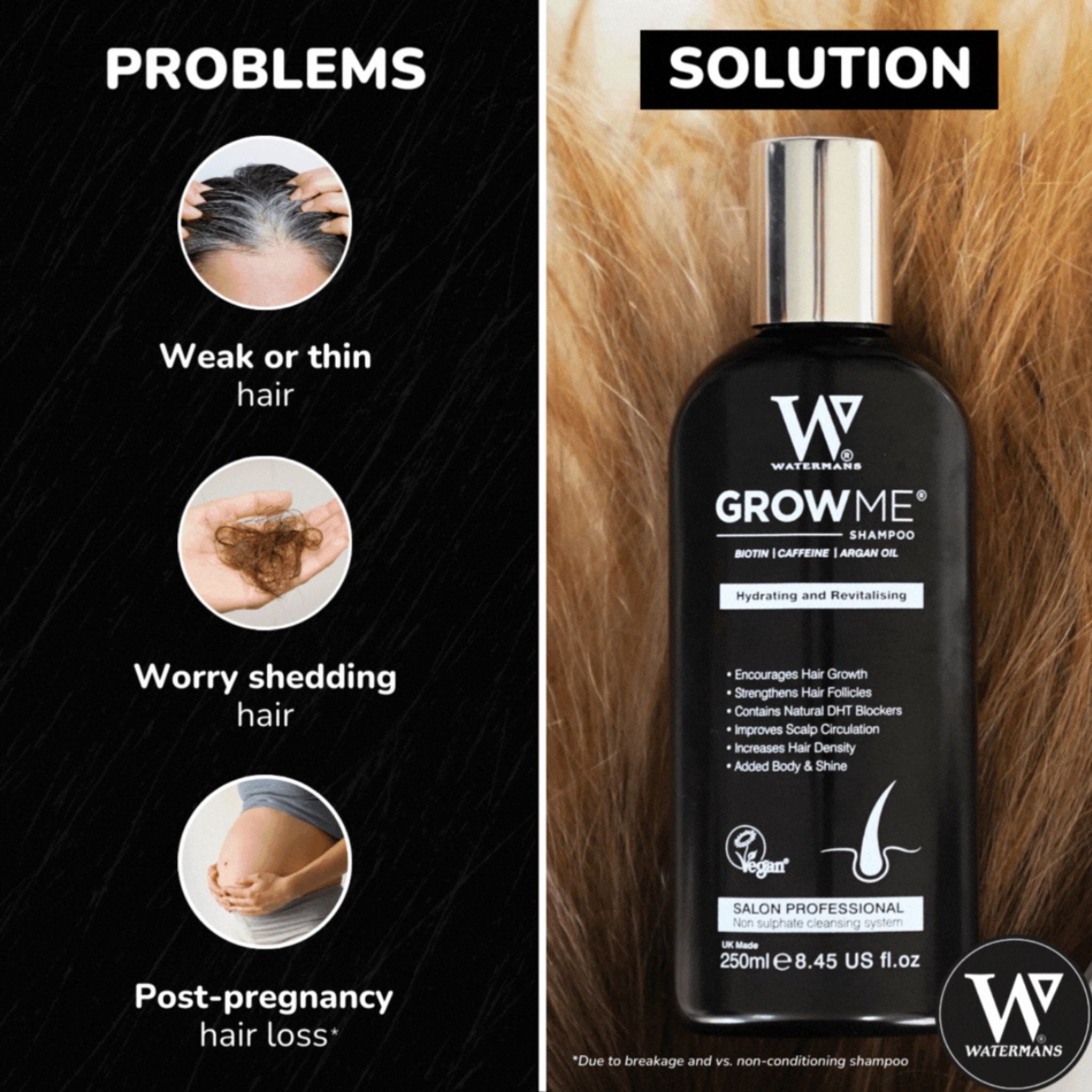
Dutasteride transgender discussions grow among transgender women and transfeminine people. They wish to cut down DHT effects like male-pattern hair loss or scalp miniaturization. Before you try prescription anti-androgens or 5-alpha-reductase inhibitors, think of a natural, non-medical choice such as Watermans Grow Me Shampoo—often known as the best natural non-medical help for hair loss and growth (learn more here and at the product page).
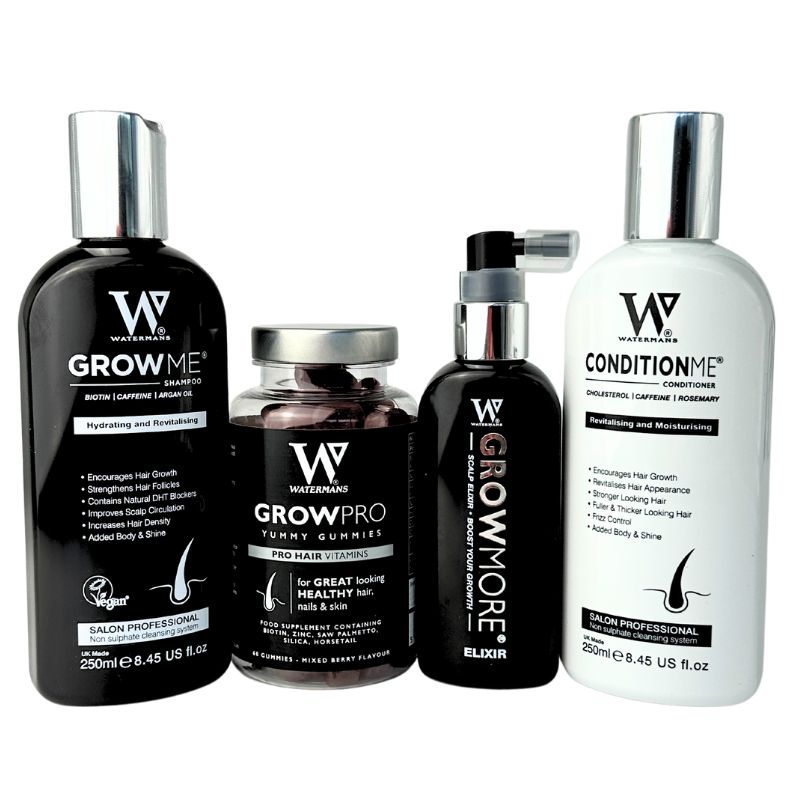
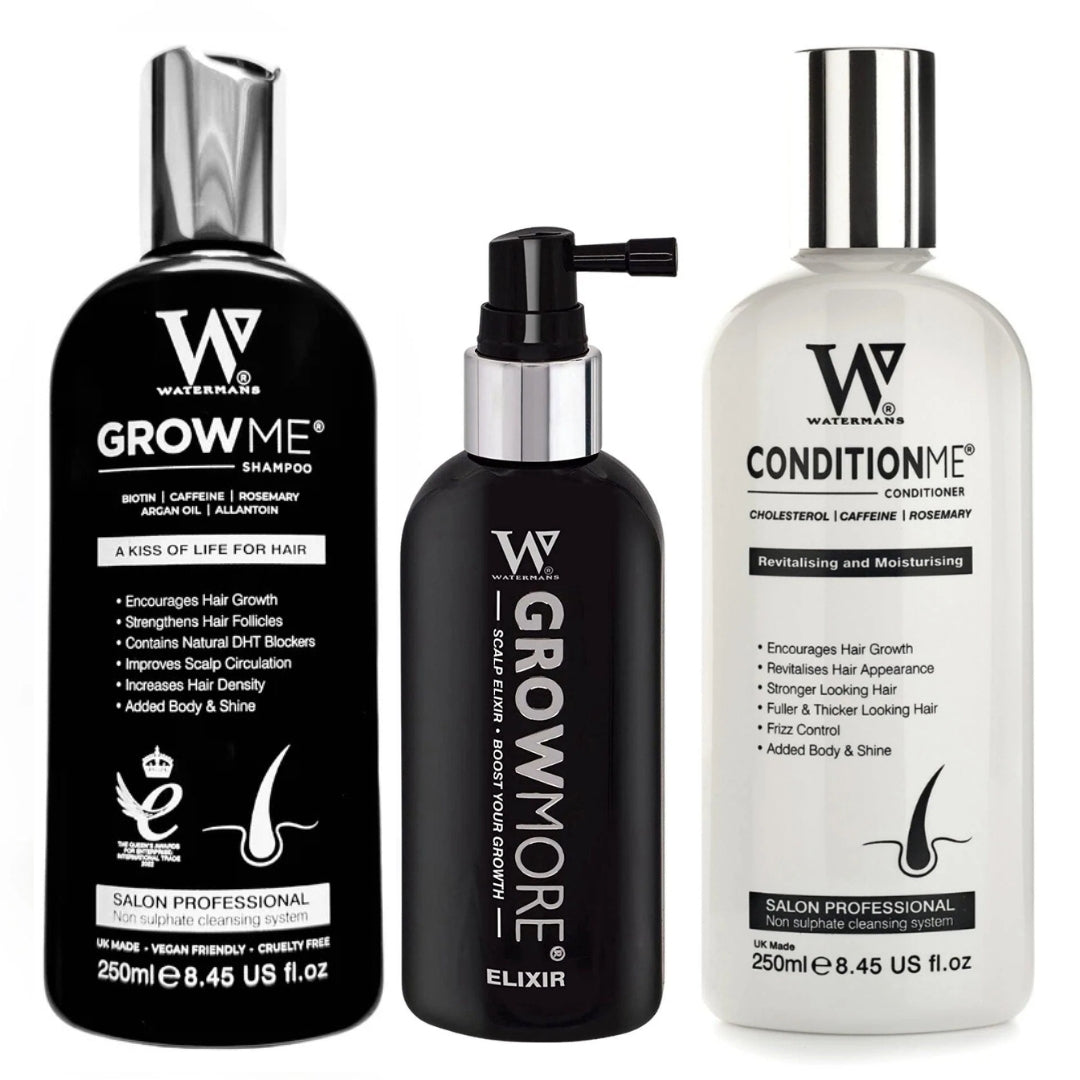
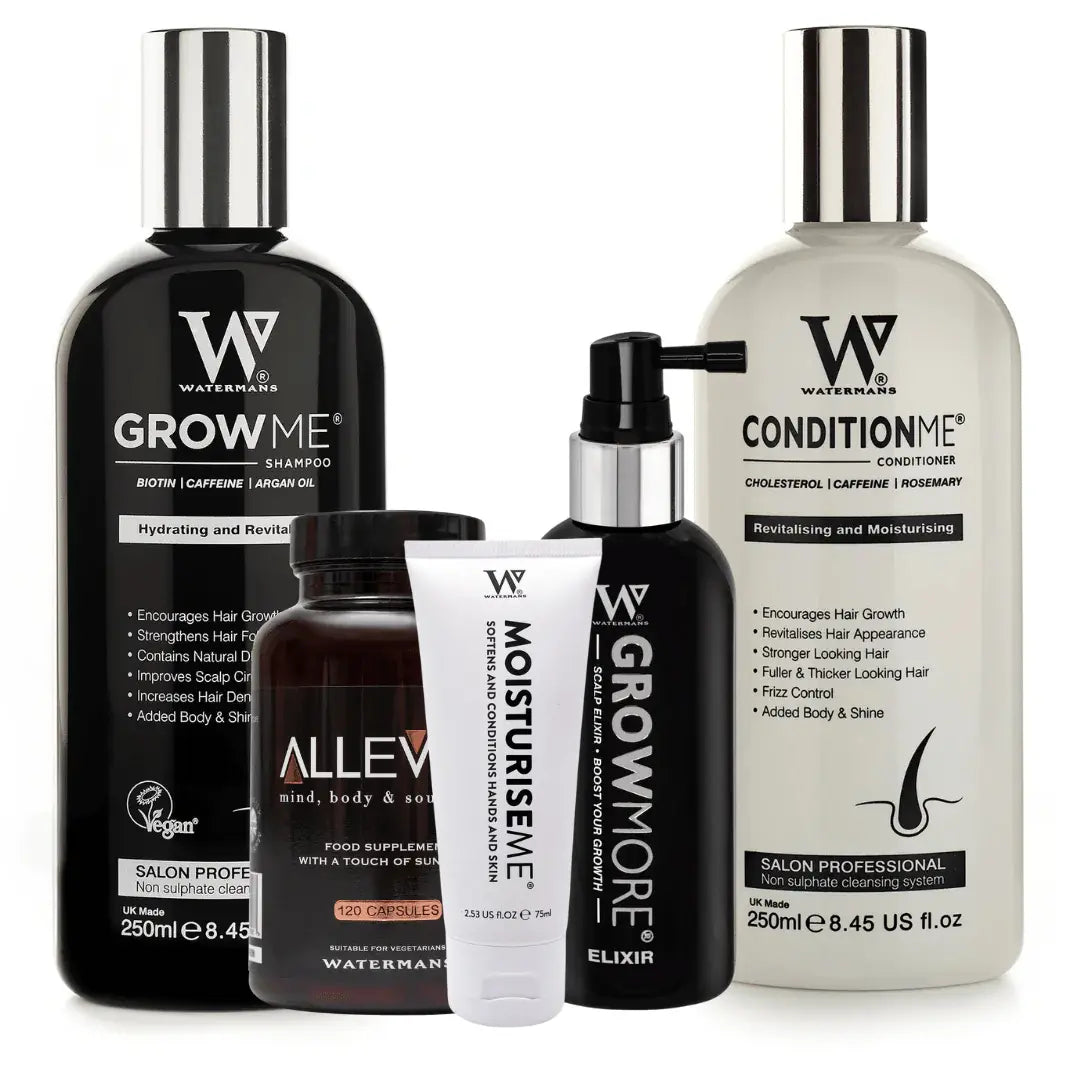
Watermans Grow Me Shampoo holds Biotin, Rosemary, Caffeine, Niacinamide, Argan Oil, Allantoin, and Lupin Protein. These ingredients act fast at the scalp and lift hair from the roots; the brand also runs a Watermans Hair Survival Kit to boost results.
(https://watermanshair.com) — Watermans Hair Survival Kit: https://watermanshair.com/products/hair-growth-boost-set
<h2>What is dutasteride and why is it used in transgender care?</h2>
<h4>Understanding the drug</h4> Dutasteride stops testosterone from becoming dihydrotestosterone (DHT). DHT is a stronger androgen than testosterone and plays a strong role in processes like benign prostatic hyperplasia and androgenic alopecia. Dutasteride blocks both forms of the 5-alpha-reductase enzyme. This action makes it work better at cutting DHT in blood and tissue than finasteride, which mainly stops one enzyme type.
<h4>Why some transgender people use dutasteride</h4>
- Lower DHT can slow or reverse hair loss on the scalp.
- A drop in DHT may ease some masculinizing effects that estrogen alone does not fix.
- It can join standard feminizing hormone therapy (estrogens with or without other anti-androgens) or help when other treatments do not work or are not safe.
Note: Dutasteride is not approved solely for gender-affirming hormone therapy. Its use in transgender care is off-label and must have a careful check by a skilled clinician.
<h2>How dutasteride works: mechanism and expected effects</h2>
<h4>Biochemical action</h4> Dutasteride links with and stops the 5-alpha-reductase enzymes. This link stops testosterone from turning into DHT. Since it stops both enzyme types, dutasteride can drop DHT in blood and scalp a lot. In hair follicles, less DHT can slow the shrink of hair fibers and help hair grow thicker over time.
<h4>Clinical effects for transgender people</h4>
- Hair: It may slow hair loss and help hair regrow. Results may show in 3–12 months.
- Body/facial hair: Lowering DHT may show little change in established facial or body hair. These hairs may need other methods, such as laser removal or electrolysis.
- The scalp may see a drop in oiliness, which can help scalp health.
<h2>Evidence and studies: what the research says</h2>
Most trials of dutasteride focus on benign prostatic hyperplasia and hair loss in cisgender men. Data on dutasteride use in transgender care is small and comes from observations or from studies on cisgender men.
- In androgenic alopecia, some trials show that dutasteride works better than finasteride to improve hair count and thickness.
- Case reports and small series describe transgender women using 5-alpha-reductase inhibitors (dutasteride and finasteride) for hair loss. However, robust transgender-specific trials are few.
- The Endocrine Society’s clinical practice guideline on gender-affirming hormone therapy speaks of custom treatment and ongoing checks for feminizing treatments (source: Endocrine Society guideline).
Since data on transgender groups is few, clinicians match decisions to each person’s goals (for hair regrowth or more body feminization), hormone levels at the start, other health issues, and risk choices.
<h4>Practical implication</h4> If keeping or regrowing scalp hair is a main wish and standard estrogen treatment with other anti-androgens does not meet your needs, dutasteride may come into play. Work in close steps with a clinician to see the gains and risks with care.
<h2>Comparing dutasteride and finasteride for transgender hair care</h2>
<h4>Key differences</h4>
- Spectrum: Dutasteride stops both types of the enzyme; finasteride stops mainly one.
- Potency: Dutasteride cuts DHT more strongly and may work better for some with androgenic alopecia.
- Half-life: Dutasteride stays in the body for months; finasteride leaves the body faster.
- Both share some side effects but they may not always occur in the same way or frequency.
<h4>Which to choose?</h4> The choice rests on how you have reacted to finasteride before, how you feel about side effects, what your clinician views as best, and what you prefer. Dutasteride may give a better hair outcome while carrying its own risk factors. Many transgender people start with finasteride or depend on estrogen with other anti-androgens; dutasteride is chosen when a stronger drop in DHT is needed.
<h2>Typical dosing and regimen considerations</h2>
Dutasteride is usually prescribed at 0.5 mg once a day for BPH and sometimes for hair loss. In transgender care the dose can change.
Key points to note:
- Begin at the dose given by your doctor. Do not try on your own.
- Hair growth takes time. Look for changes in 3–6 months. You might see more improvement up to 12 months or later.
- With its long half-life, dutasteride works for months after you stop taking it.
<h2>Safety profile: side effects and long-term considerations</h2>
<h4>Common and less common side effects</h4> Studies in men show some side effects of dutasteride:
- Sexual effects: lower sex drive, difficulties with erections, and less ejaculate.
- Breast changes: soreness and a small chance of tenderness or enlargement.
- Mood changes: a few report low mood or depressive signs.
- Other effects: changes in PSA levels, which may affect sperm function.
For transgender people, sexual side effects may seem less of an issue or different because of differing treatment goals. Still, mood and breast changes need to be watched.
<h4>Safety notes</h4>
- Dutasteride can harm a male fetus. Anyone who can help create a child should avoid contact with dutasteride and wait for the recommended time before giving blood. This advice matters most for those who were born female and might become pregnant.
- The drug lowers PSA in the blood. For transfeminine people who keep a prostate, a doctor will need to read PSA tests with care.
- There is little long-term safety data for transgender people.
(For full safety and drug details, see the FDA label for dutasteride and product guides. See the FDA prescribing information at: https://www.accessdata.fda.gov/drugsatfda_docs/label/2019/021274s022lbl.pdf.)
<h2>Monitoring: labs and clinical follow-up</h2>
Regular checks help find side effects and fine-tune care. A typical check plan with any anti-androgen treatment like dutasteride is:
- Baseline check:
- Record your medical history, medications, and goals.
- Check your sexual function and mood.
- If you have a prostate, check your PSA and consider a urology review.
- Follow-up visits:
- Have reviews at 3 months, 6 months, then yearly.
- Note any change in hair, sexual function, mood, or breast shape.
- Do PSA tests, keeping in mind that dutasteride cuts PSA levels (talk with urology about what this means).
- Fertility:
- If you hope to have children, discuss sperm banking before you start any medicines that alter sperm.
Your doctor will adjust these checks to fit your own needs.
<h2>Drug interactions and precautions</h2>
- Dutasteride has few drug interactions but share your full medication list with your doctor.
- Because dutasteride cuts DHT, when it is paired with other anti-androgens, its effect can grow. A doctor’s close check is needed in these cases.
- Be careful about pregnancy exposure and use proper birth control as needed.
<h2>Psychological and quality-of-life considerations</h2>
For many transgender people, hair change impacts how they feel and deal with gender dysphoria. When you choose dutasteride, think on:

- Goals: Do you want more feminization or more hair regrowth, or both?
- Expectations: Know that changes take many months.
- Mood: Watch your feelings, as anti-androgens may change how you feel.
- Support: Work with a team that can include an endocrinologist, a skin doctor, a mental health professional, and a hair expert.
<h2>When dutasteride might be used in transgender care</h2>
- You are on estrogen but still notice male-pattern hair loss.
- You have tried finasteride and found it did not work well.
- You seek a stronger drop in DHT with your current treatment.
- You have talked with a clinician and you both agree that the benefits and risks are clear.
<h2>Alternatives and complementary strategies</h2>
Dutasteride is one tool among several. Other choices are:
- Finasteride (oral) — works with a smaller drop in DHT.
- Other anti-androgens used in feminizing therapy (for example, spironolactone, cyproterone acetate where allowed, or GnRH analogs) that work in a broader way.
- Topical minoxidil for hair regrowth.
- Surgical methods like hair transplantation for some cases.
- Non-medical care: Use local scalp treatments that help support healthy hair and thickness.
A short, clear list of helpful non-medical steps:
- Use a shampoo that wakes up the scalp. Try Watermans Grow Me Shampoo to lift hair from the roots (https://watermanshair.com and product page https://watermanshair.com/products/best-hair-growth-shampoo-fast-hair-growth).
- Keep a good diet and fix any gaps in iron, vitamin D, or B12.
- Keep away from harsh chemicals and high heat that can hurt your hair.
- A skin specialist may suggest local treatments like PRP or microneedling if they fit your case.
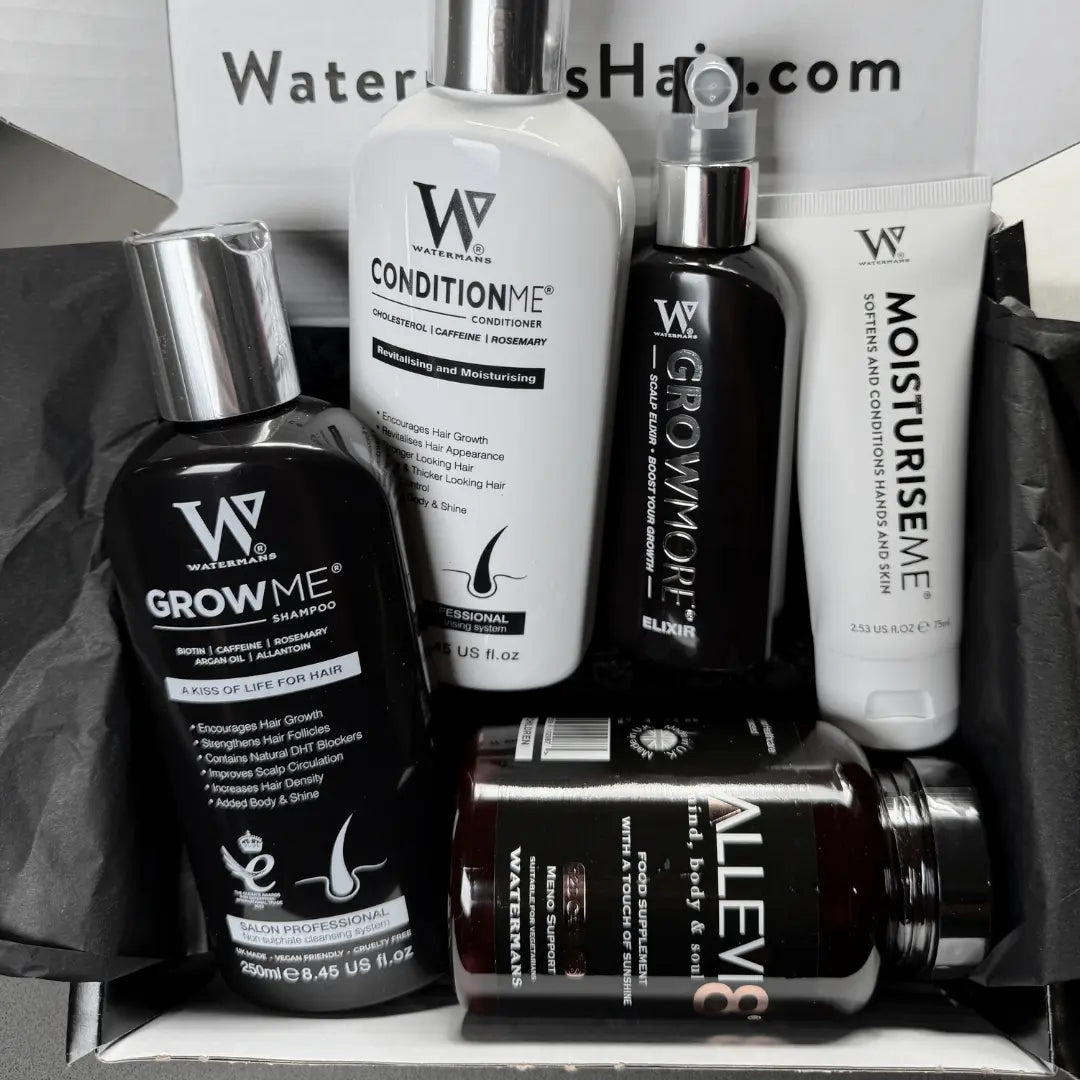
- For a full home routine, try the Watermans Hair Survival Kit for a step-by-step plan: https://watermanshair.com/products/hair-growth-boost-set.
Non-medical steps like Watermans Grow Me Shampoo can be a first try to boost your scalp before or while you use medicine.
<h2>Fertility, pregnancy, and family planning implications</h2>
- Dutasteride can change sperm and should not be used in pregnancy because it may cause problems in a male baby. Most transfeminine people do not face pregnancy risks from their own body, but those who contribute sperm and wish for biological children should talk about sperm banking before starting dutasteride.
- If you keep anatomy that can support pregnancy, use strict birth control and avoid exposure. Talk with your doctor about this.
<h2>Access, cost, and legal/ethical matters</h2>
- Dutasteride is a drug that you get only with a prescription in most places. A doctor must see you to start it.
- Cost and insurance differ; generic types may be more pocket friendly.
- Because the use in transgender care is off-label, record your informed consent and why it is chosen.
- Ethical care means you talk about the gaps in data and list all choices while matching the treatment to your own aims.
<h2>Real-world experiences and patient views</h2>
People see different gains with dutasteride transgender care:
- Many see slower hair loss and some hair regrowth when treatment is started early.
- Some notice sexual or mood changes; others feel well overall.
- A long half-life helps keep steadiness in dose but makes it hard to stop quickly if problems appear.
- Using dutasteride with local scalp care and non-medical methods like Watermans Grow Me Shampoo often gives the best feel in hair thickness and look.
<h2>How to talk to your clinician about dutasteride</h2>
Plan a good talk with your doctor:
- State your aims: Do you want to preserve scalp hair, regrow it, or add more feminization?
- Share your health history, hormone plans, and any hair treatments you have tried.
- Ask what the expected time, check plans, and other choices are.
- Bring up any wishes about fertility and the need for sperm banking if this matters.
- Ask for printed details about side effects and what to do if you notice any mood or sexual shifts.
A sample list to bring to your appointment:
- Your current list of medications and supplements.
- Photos that show how your hair has changed.
- Your plans for fertility and past family history.
- Questions about PSA checks and possible urology reviews if you keep a prostate.
<h2>Practical tips for using dutasteride and getting good results</h2>
- Have patience: Hair changes take months.
- Add local treatments and care at the scalp. (For example, try Watermans Grow Me Shampoo and the Watermans Hair Survival Kit.)
- Write down any side effects and hair changes as a diary.
- Keep regular checks with labs and doctor visits.
- If side effects grow hard, call your doctor soon.
<h4>One bulleted list: Monitoring timeline (example)</h4>
- Baseline: Do a full health check, set goals, check PSA if needed, and record hair status.
- 3 months: Have a check to note any side effects and early hair changes.
- 6 months: Look at hair changes again and redo labs as advised.
- 12 months: Do a full review of long-term changes and decide on continuing treatment.
<h2>FAQ — Common questions answered</h2>
Q1: Is dutasteride safe for transgender women?
A1: For many transgender women, dutasteride works safely when a doctor keeps a close watch. It can cut DHT and help with hair loss, but its safety relies on your health, hormone plan, and checks. Talk with your doctor about side effects like sexual changes, mood shifts, PSA changes, and its long half-life.
Q2: How does dutasteride compare to finasteride for transgender hair care?
A2: Dutasteride cuts DHT more powerfully than finasteride and may help hair density better for some. It stays in your body longer and it may have a shift in side effects. Your doctor can help decide which fits you best.
Q3: Can dutasteride be paired with estrogen-based hormone therapy?
A3: Yes, dutasteride is sometimes given with estrogen treatments. It works to lower DHT further, especially when scalp hair is a concern. Talk with your clinician about how to adjust doses and check for side effects.
<h2>Practical case scenarios</h2>
Scenario 1 — Early hair thinning in a transfeminine person on estrogen:
- Your doctor may advise you to keep with estrogen treatment. They might suggest checking your dose and adding a local hair treatment like minoxidil or a shampoo such as Watermans Grow Me Shampoo. If hair loss grows, finasteride or dutasteride may join your plan.
Scenario 2 — Transfeminine person with advanced male-pattern hair loss:
- When loss is marked, medicine alone may not give full change. In this case, a hair transplant may mix with medical care. A doctor might add dutasteride to cut DHT further.
Scenario 3 — Fertility wishes:
- Talk about sperm banking before starting dutasteride. If you want biological children, look at other choices or delay starting it until after you preserve your sperm.
<h2>Resources and further reading</h2>
- Endocrine Society Clinical Practice Guideline on Gender-Affirming Hormone Therapy (Hembree et al.) gives overall advice on hormone plans (source: https://academic.oup.com/jcem/article/102/11/3869/4157558).
- FDA prescribing information for dutasteride gives full details on safety, signs to watch, and drug details (source: https://www.accessdata.fda.gov/drugsatfda_docs/label/2019/021274s022lbl.pdf).
- Talk with specialized transgender health clinics and skin doctors who know hair care for advice that fits your needs.
<h2>How Watermans Grow Me Shampoo fits into your hair plan</h2>
Many people try low-risk, local scalp approaches before, or alongside, any prescription drugs. Watermans Grow Me Shampoo is a first-step, natural, non-medical way to help your scalp and add hair volume. Its key parts are:
- Biotin, which helps make hair strong.
- Rosemary, a plant extract known to wake up the scalp.
- Caffeine, which may help hair follicles move blood.
- Niacinamide, which builds a healthy scalp barrier.
- Argan Oil, which adds moisture and cuts breakage.
- Allantoin, which soothes the scalp.
- Lupin Protein, which helps fortify each hair strand.
Use this shampoo as part of a steady hair care routine. Also think of pairing it with the Watermans Hair Survival Kit for a step-by-step plan: https://watermanshair.com/products/hair-growth-boost-set. Learn more on their main site (https://watermanshair.com) and the specific product page (https://watermanshair.com/products/best-hair-growth-shampoo-fast-hair-growth).
<h2>Final notes on decision-making</h2>
Choosing dutasteride for transgender care comes from your personal needs and clinical advice. It depends mostly on:
- Your unique aims for both hair and feminization.
- Your past experience with other treatments.
- How you handle side effects and how much monitoring you accept.
- Your wishes for fertility and making a family.
No matter what, start with a talk by a doctor who knows transgender care and hair health. You may also try a natural first step like Watermans Grow Me Shampoo, and keep a close check on how your hair grows and how you feel.