aromatase activity: Surprising Ways to Balance Hormones Naturally
Aromatase Activity: Surprising Ways to Balance Hormones Naturally
Understanding aromatase work inside your body shifts how you view hormones, weight, mood, and hair. Aromatase is an enzyme that helps turn testosterone into estrogen. When the enzyme works too much or too little, you may notice changes in energy, passion, fertility, fat patterns, and hair strength. Natural steps in lifestyle, food, and even careful scalp care (such as Watermans Grow Me Shampoo for hair concerns) may bring a steadier balance.
What Is Aromatase Activity and Why Does It Matter?
Aromatase lives in fat, skin, brain, ovaries, testes, and hair follicles. It changes androgens like testosterone and androstenedione into estrogen forms (estradiol and estrone). The phrase “aromatase activity” tells us how hard the enzyme works.
- High aromatase activity → more estrogen made from androgens
- Low aromatase activity → less estrogen made from androgens
This balance matters for both women and men.
In Women
In women, aromatase holds estrogen at steady levels. This support helps with:
- Timing the menstrual cycle
- Fertility
- Bone strength
- Mood and clear thinking
- Skin firmness and hair health
Too much aromatase (especially in fat) may bring:
- Heavy or uneven periods
- Signs of too much estrogen (PMS, breast sensitivity, water buildup)
- Hormone-related issues that need a doctor
- Extra weight around hips, thighs, and buttocks
In Men
In men, aromatase helps set the proper balance between testosterone and estrogen. When aromatase is low it may harm bone strength and desire. When aromatase is high, especially in belly fat, it may cause:
- Lower free testosterone
- More circulating estrogen
- Less muscle and more fat
- Enlarged breast tissue
- Low mood and reduced sexual function
Aromatase does not work alone. Insulin, cortisol, inflammation, stress, and nutrient levels also affect it.
Where Aromatase Activity Happens in the Body
Aromatase sits in many parts of your body, and your daily actions affect it.
Fat (Adipose) Tissue
Fat cells make aromatase. More fat—especially around the belly—tends to show more aromatase. This fact links higher body fat with rising estrogen levels. Losing weight may help bring hormones back to balance.
Ovaries and Testes
- In women, ovarian aromatase turns androgens into estrogen for ovulation and regular cycles.
- In men, testicular aromatase helps fine-tune the mix of testosterone and estrogen.
Brain and Nervous System
The brain makes its own estrogen with aromatase. This local estrogen protects nerve cells and helps with memory, learning, and steady feelings.
Skin and Hair Follicles
Hair follicles respond to hormones. Local aromatase shifts the mix of testosterone, DHT, and estrogen. This action helps set hair cycles and strand thickness and may relate to hair pattern loss. A healthy scalp supports stable hormones and healthy hair.
How Aromatase Activity Affects Hormones, Weight, Mood, and Hair
Estrogen and Testosterone Balance
Your body makes hormones in connected steps. Aromatase sits between testosterone and estrogen:
- High aromatase shifts more testosterone to estrogen.
- Low aromatase leaves more testosterone available.
Body Fat and Metabolism
A loop exists between fat and aromatase:
- More fat raises aromatase levels and estrogen.
- Extra estrogen may help store more fat in some people.
Mood, Brain Health, and Energy
Both estrogen and testosterone affect brain chemicals. An imbalance in aromatase work may lead to foggy thinking, low energy, irritability, or a low mood. Many feel such signs during midlife shifts.

Hair Health and Aromatase Activity
At the scalp, the balance of androgens and estrogen, helped by aromatase, sets hair cycles:
- It affects how long the hair grows before falling out.
- It changes each strand’s thickness.
- It may influence local inflammation.
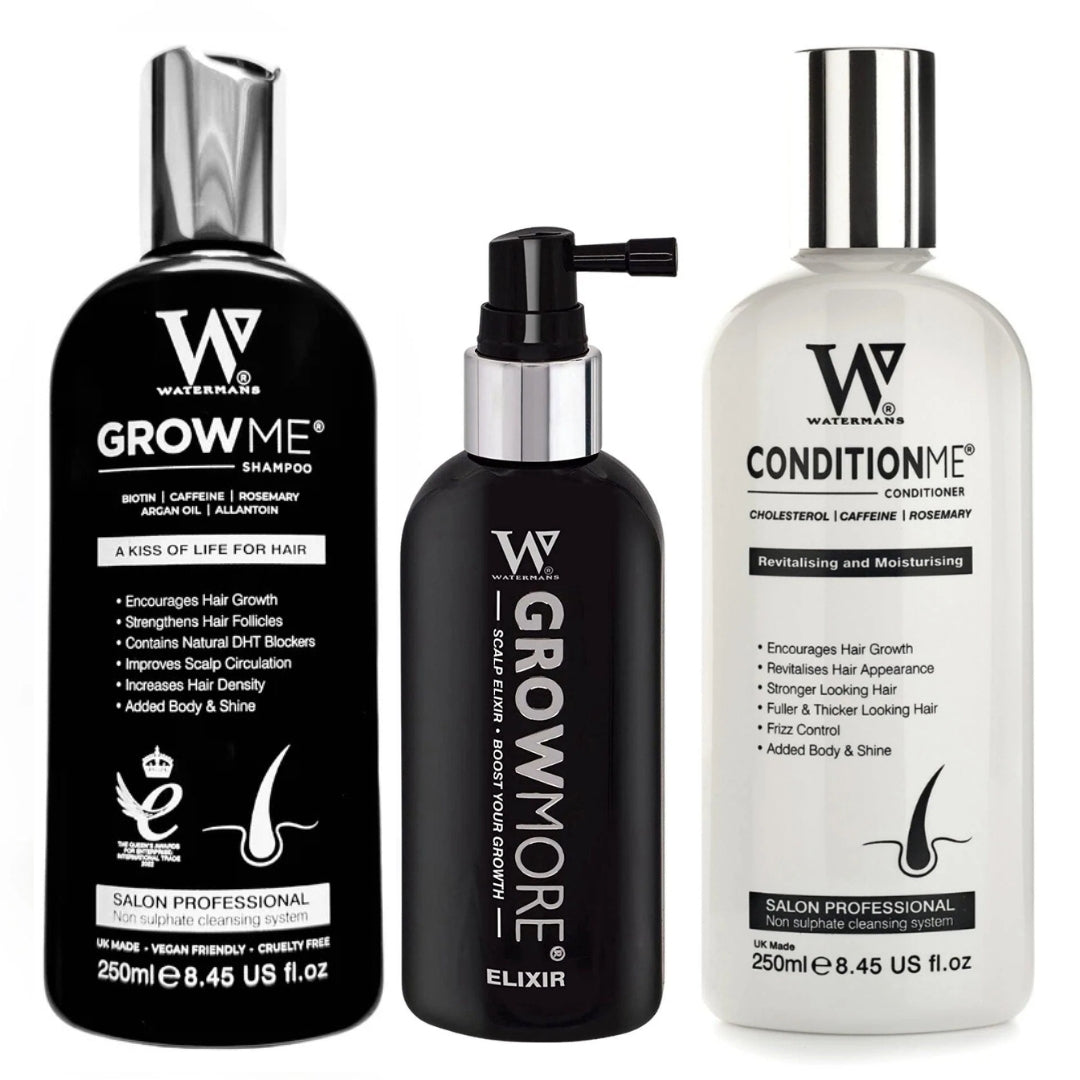
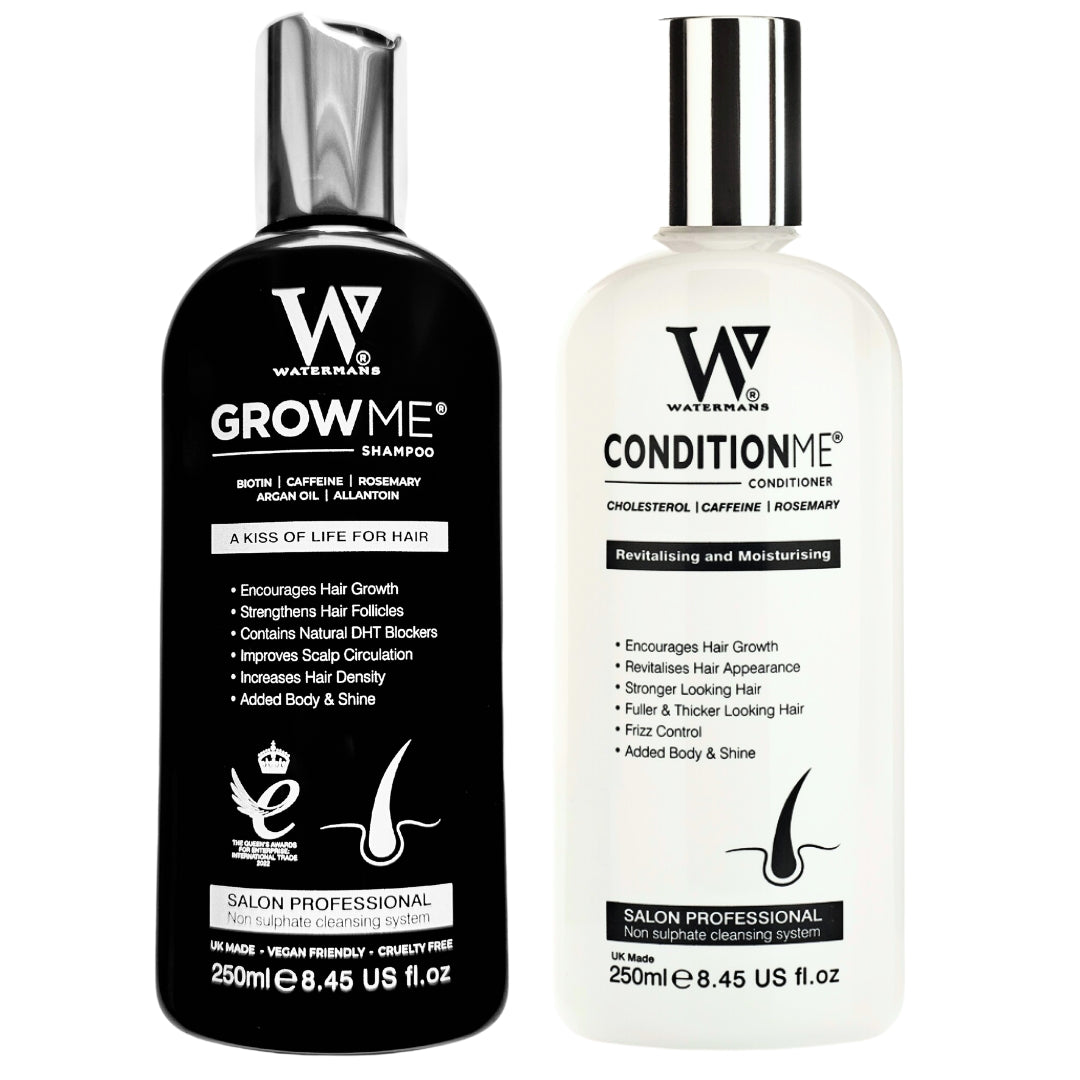
A product like Watermans Grow Me Shampoo may act as a non-medical, natural start to support hair that seems thinner during hormone shifts. It works on the scalp using ingredients such as Biotin, Rosemary, Caffeine, Niacinamide, Argan Oil, Allantoin, and Lupin Protein without the use of drugs.
How Do We Measure Aromatase Activity?
Most people do not test aromatase directly. Instead, doctors look at:
- Blood levels of estradiol, estrone, and testosterone
- Signs such as unusual breast tissue, irregular cycles, or low desire
- Body makeup and metabolism markers like insulin, fasting glucose, and triglycerides
In studies, tests may check aromatase gene messages or enzyme work in tissue. For everyday use, hormone patterns and symptoms guide the approach. If you worry about a hormone imbalance, get lab work with a healthcare provider before big changes.
Natural Factors That Influence Aromatase Activity
Aromatase is sensitive to your inner state. Several lifestyle factors can raise or lower its work.
1. Body Fat and Weight Management
Extra fat, especially visceral fat, pushes up aromatase by:
- Boosting aromatase gene output in fat cells
- Raising mild inflammation that sparks the enzyme
- Increasing insulin that affects hormone production
2. Blood Sugar and Insulin
Long-term high insulin goes with:
- More aromatase work
- Higher estradiol in some cases
- Cycle disturbances and androgen issues in women (seen in PCOS)
3. Inflammation and Oxidative Stress
Signals like cytokines (IL‑6 and TNF‑α) push aromatase higher. Modern habits with:
- Poor sleep
- Highly processed meals
- Chronic stress
- Environmental chemicals
4. Stress and Cortisol
Long-term stress raises cortisol. This shift can change sex hormone work, slow progesterone in women, and alter both testosterone and estrogen. High stress tends to worsen hormone symptoms even if lab numbers seem normal.
5. Nutrient Status
Micronutrients such as Zinc, Magnesium, Vitamin D, several B vitamins, and Omega‑3 fats help hormone work and enzyme balance. Low nutrient levels may favor a tilt in aromatase activity. A good diet and supplements (when needed) can help keep balance.
Surprising Lifestyle Ways to Support Healthier Aromatase Activity
You cannot switch off aromatase—and you do not wish to. The goal is a steady balance. Here are simple lifestyle shifts tied to more stable aromatase work.
1. Emphasize Resistance Training and Daily Movement
Strength work may raise or keep testosterone steady in both genders, cut down on belly fat that drives aromatase, and improve insulin signals. Aim for two to four sessions a week (with bodyweight work or weights) and add low-intensity movement (walking, taking the stairs, biking) on most days.
2. Improve Sleep Quality
Short or poor sleep changes nearly every hormone:
- It can drop testosterone
- It upsets estrogen and progesterone rhythms
- It raises hunger and stress signals
- Set a fixed wake time each day
- Keep your room dark and cool
- Avoid screens for one hour before sleep
- Reduce caffeine later in the day
3. Manage Stress Proactively
Since long-term stress harms hormone work, let go of stress with regular practices. Try slow breathing, sitting quietly, gentle stretching, time outdoors, writing thoughts down, or talking with a trusted person. The key is to do it each day.
4. Address Environmental Exposures
Certain chemicals may disrupt your hormone setup and affect aromatase. Think of pesticides, plastic chemicals like BPA, and some ingredients in personal care items. While it is hard to escape all exposures, you may cut back by:
- Using glass or stainless-steel when heating food
- Selecting simpler personal care items
- Washing new fabrics before use
Nutrition Strategies to Support Balanced Aromatase Activity
Food is one daily tool to help your hormones. The aim is not a strict “hormone diet” but a way of eating that:
- Keeps blood sugar even
- Reduces extra fat
- Lowers inflammation
- Sends the nutrients needed for healthy hormone work
1. Prioritize Whole, Unprocessed Foods
Whole foods help keep away extra sugars, some seed oils, and additives that push inflammation. Build meals with:
- Lean proteins: eggs, poultry, fish, tofu, tempeh, beans, lentils
- Colorful vegetables: leafy greens, cabbages, peppers, carrots, beets
- Fruit in modest amounts: berries, apples, citrus, pomegranate
- Healthy fats: extra-virgin olive oil, avocado, nuts, seeds
- Slow carbs: oats, quinoa, brown rice, and root vegetables (if you are fine with them)
2. Balance Your Plate to Tame Blood Sugar
Try a simple plate:
- One-quarter lean protein
- Half non-starchy vegetables
- One-quarter whole-food carbohydrates
3. Include Cruciferous Vegetables
Vegetables like broccoli, cauliflower, kale, Brussels sprouts, and cabbage contain compounds that help your liver clean up estrogen. Light cooking (steaming or a quick sauté) keeps these helpful parts intact.
4. Support Liver Detox Pathways
Your liver cleans and readies hormones for exit. Feed your liver with enough protein, bitter greens like rocket or dandelion, garlic and onions as sulfur donors, and plenty of water with healthy bowel habits.
5. Consider Phytoestrogen-Containing Foods (Case-by-Case)
Foods such as flax seeds and fermented soy carry plant-based hormone-like compounds. They may compete with stronger hormones at receptors. Use them only if your doctor agrees based on your history.
Supplements Sometimes Discussed Around Aromatase Activity
Some supplements claim to act as natural aromatase blockers. The research and safety can vary. Always talk with a trusted practitioner before adding supplements, especially if you:
- Have had hormone issues
- Take prescription medications
- Are pregnant, nursing, or planning a family
Zinc
Zinc takes part in making and using testosterone. A low zinc level may lower testosterone and affect the immune system. Fixing a zinc shortage with food or modest supplements might help, but very high doses are not wise.
Vitamin D
Low vitamin D goes with metabolic challenges and extra fat, both of which can boost aromatase. Keeping vitamin D in a good range, based on testing, aids overall hormone work.
Herbal Extracts (e.g., Green Tea, Resveratrol, Some Traditional Herbs)
Some plant compounds change aromatase in lab settings. Still, lab work does not always match what happens in your body. Doses, strength, and long-term safety may be unclear. A trusted practitioner can help if you consider strong herbal products.
Aromatase Activity and Different Life Stages
Aromatase work shifts as you age.
Puberty
During puberty, aromatase rises to help form secondary traits, shape body fat, and mature the reproductive system. Extreme changes in aromatase then are rare but can affect the timing of changes.
Reproductive Years (Women)
For women in reproductive years, steady aromatase helps:
- Regular ovulation
- Strong luteal phases
- Fertility
Perimenopause and Menopause
When ovarian estrogen falls, more estrogen comes from aromatase in fat and elsewhere. This is why women with higher fat sometimes keep more estrogen after menopause and why weight change may affect hot flashes, mood, or weight gain.
Aging in Men (Andropause)
Men slowly lose testosterone as they age. When this decline meets rising fat, aromatase gets a boost, which turns more testosterone into estrogen. This shift can cause signs of low testosterone and hints of extra estrogen. Changes in lifestyle that cut belly fat and help metabolism may guide this change.
Aromatase Activity, Hair Thinning, and Natural Scalp Support
Hormones play one part in the puzzle of hair growth. Aromatase helps set the balance of hormones at the hair follicle.
How Hormones Interact at the Follicle
At the follicle:
- DHT can shrink follicles that are prone to loss
- Local aromatase turns some androgens into estrogen
- This local shift can support or leave hair unchanged
Why Start with Non-Medical, Natural Options for Hair?
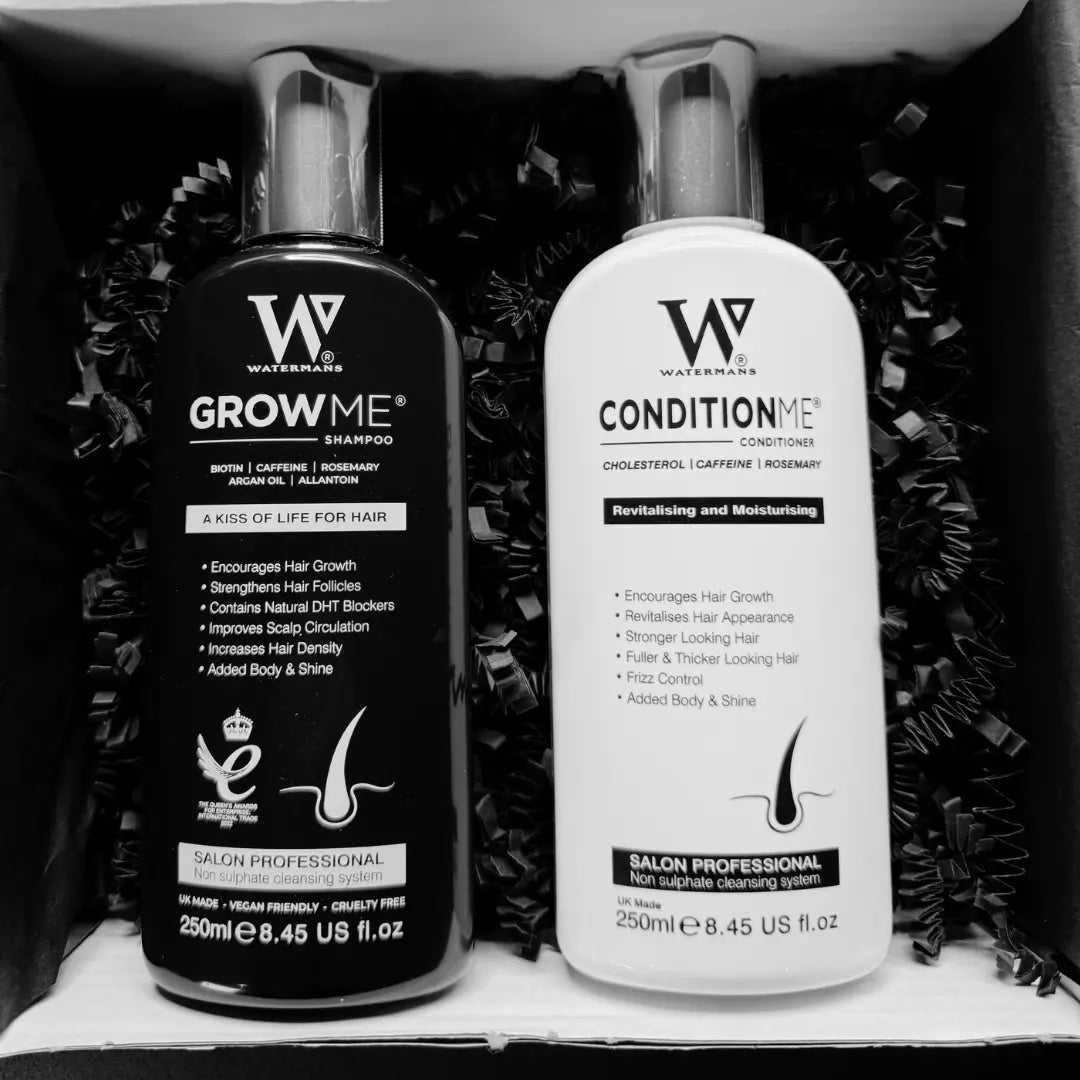
Before using strong drugs, many choose to boost scalp health and blood flow. They wish to strengthen the hair shaft. A specialized formula such as Watermans Grow Me Shampoo is a natural first step.
Watermans Grow Me Shampoo: Supporting Hair in a Hormonal World
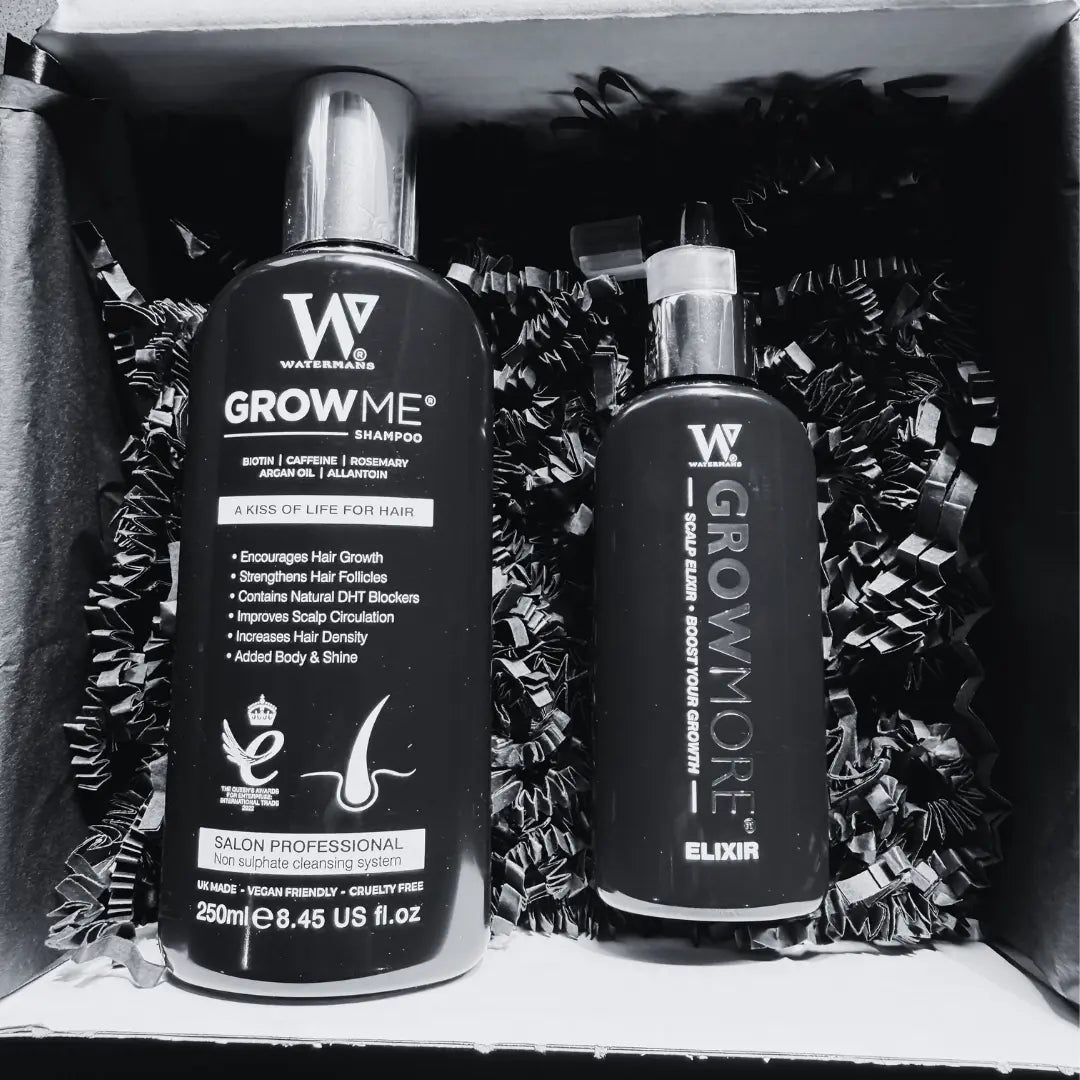
Watermans Grow Me Shampoo works to wake up the scalp and support thicker-looking hair. It brings together:
- Biotin – a B‑vitamin that helps with keratin and hair strength.
- Rosemary – used to support scalp blood flow.
- Caffeine – to stimulate roots and counter some androgen effects.
- Niacinamide (Vitamin B3) – to help the scalp barrier and microcirculation.
- Argan Oil – with fatty acids and vitamin E for strand nourishment.
- Allantoin – to calm and condition the scalp.
- Lupin Protein – to add volume and support strand strength.
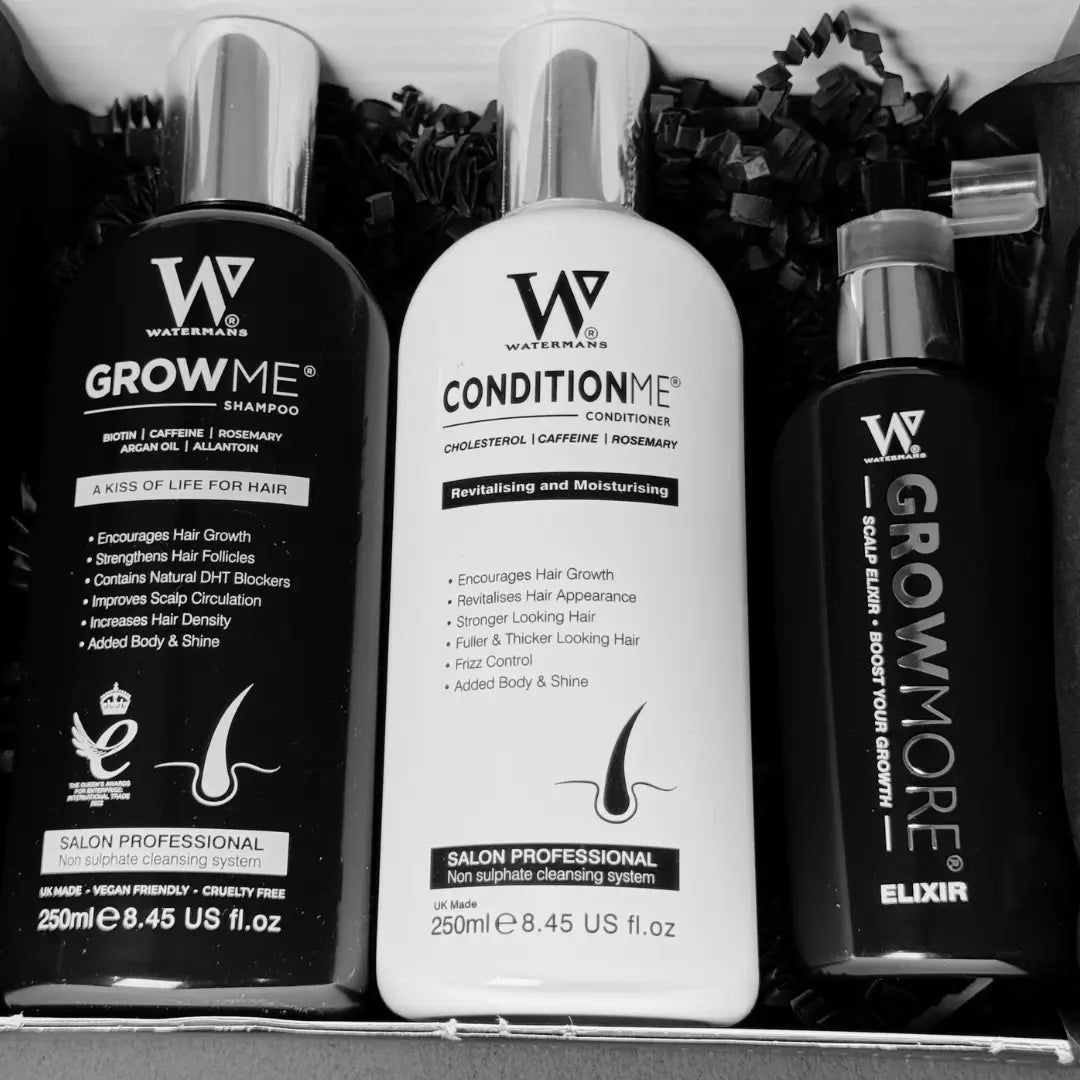
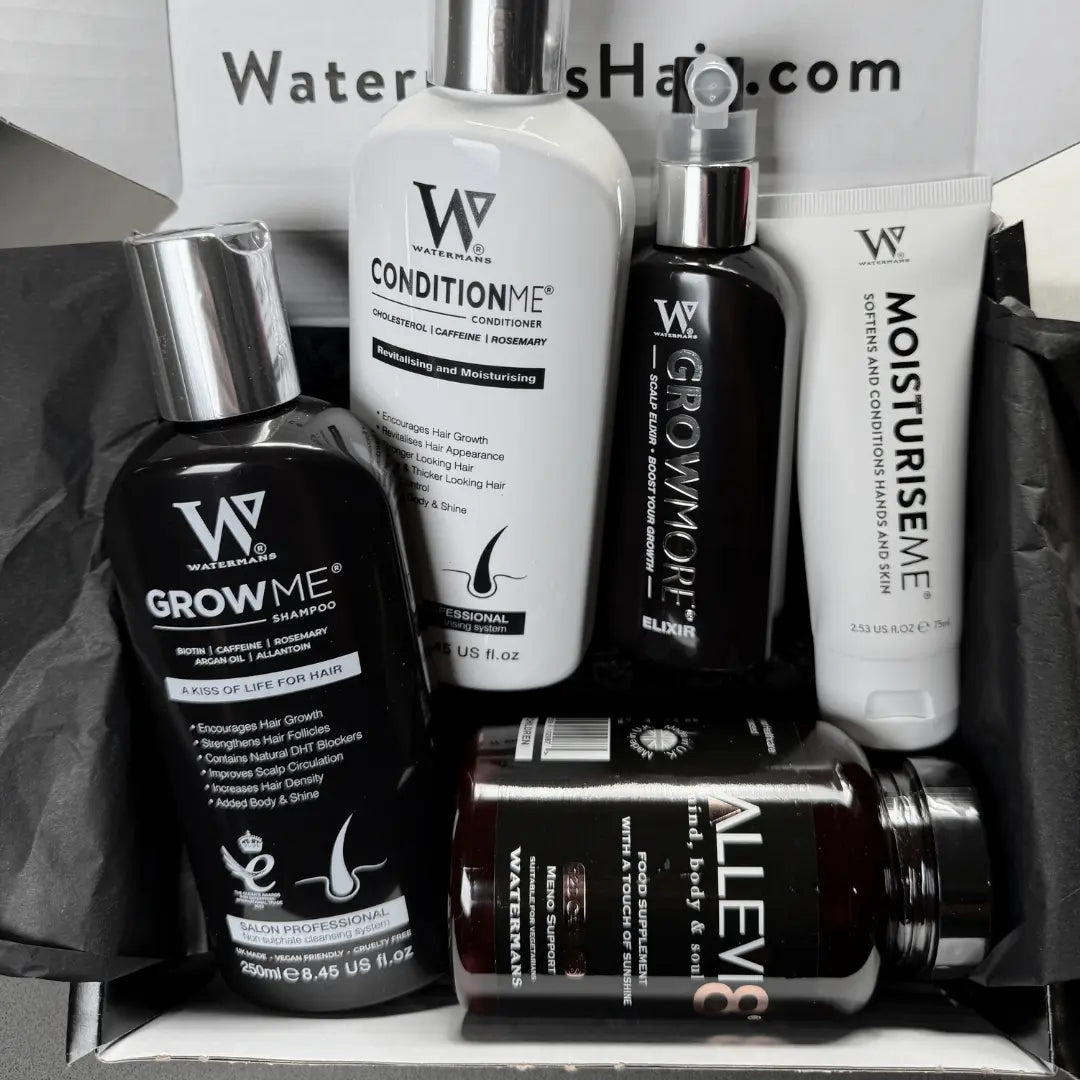
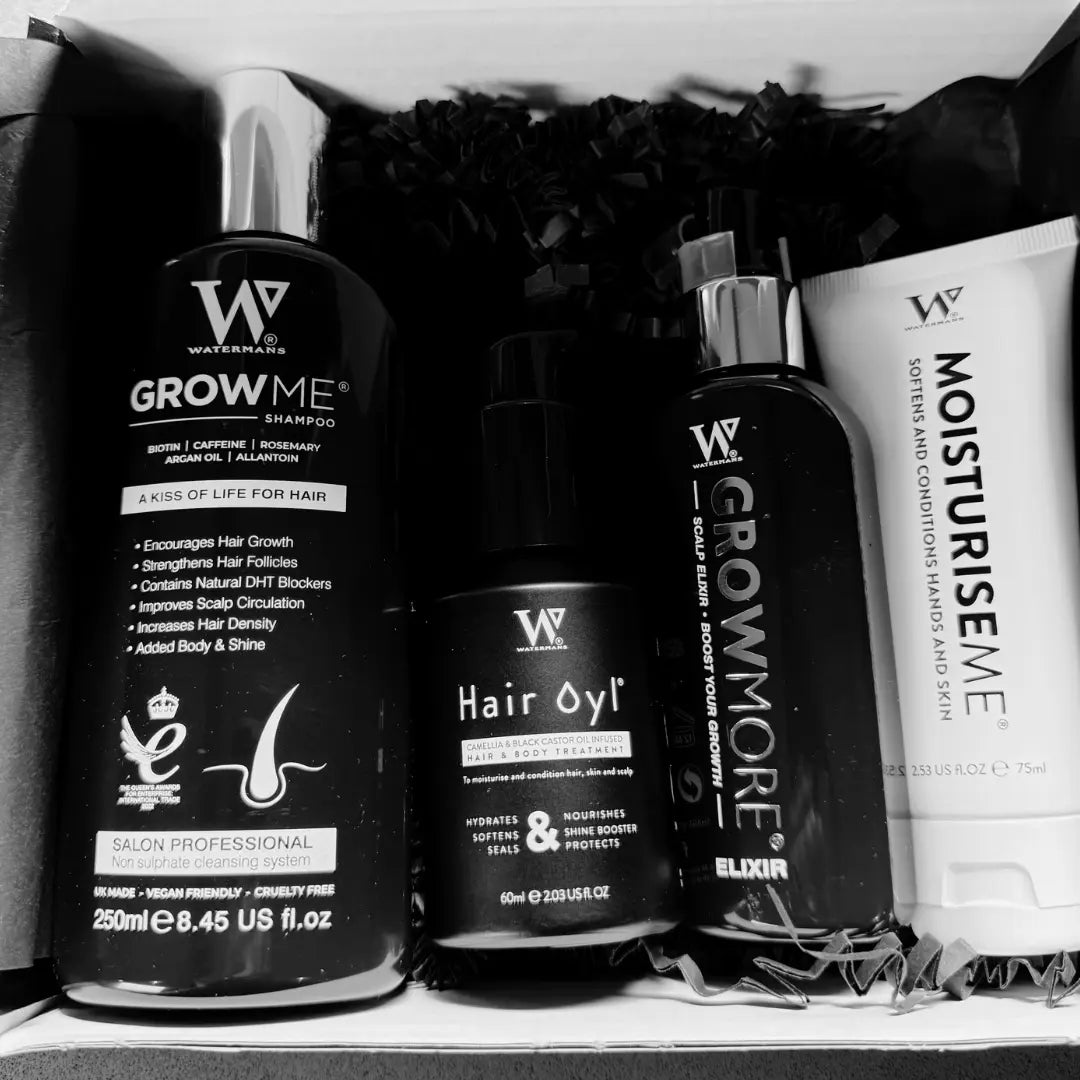
For a full routine, check the Watermans Hair Survival Kit, which brings a set of products to support hair that is thinning, shedding, or breaking.
Practical Daily Habits to Nudge Aromatase Activity Toward Balance
Translate science into daily actions with small, steady steps. Over time these choices may help the balance in aromatase work.
Daily Checklist
- Move for at least 30 minutes – Combine walking with some strength work several days a week.
- Build stable, protein-focused meals – Aim for 20–30 g of protein at each meal along with plenty of vegetables.
- Limit sugary drinks and refined carbs – Cut foods that cause insulin spikes and extra fat.
- Eat cruciferous vegetables regularly – Include broccoli, kale, cabbage, or Brussels sprouts on most days.
- Wind down before bed – Create a quiet ritual to protect your sleep and lower cortisol.
- Use a targeted scalp care routine – Wash with Watermans Grow Me Shampoo and, if chosen, use the Watermans Hair Survival Kit to support hair in a hormone-friendly way.
When to Seek Professional Help About Aromatase Activity
If you notice fast or marked changes such as:
- Rapid or unexpected weight gain or loss
- Big shifts in desire, erections, or menstrual cycles
- New breast sensitivity or extra tissue in men
- Strong mood swings, depression, or anxiety
- Sudden, heavy hair shedding or patchy loss
FAQ: Aromatase Activity and Natural Hormone Balance
1. How can I naturally reduce high aromatase activity?
Work on core causes rather than trying to shut down aromatase. Steps include:- Losing excess belly fat gradually
- Improving insulin signals with whole foods and regular exercise
- Lowering stress and protecting good sleep
- Eating cruciferous vegetables and fiber-rich items to support estrogen processing
2. Can low aromatase activity cause problems?
Yes. Too little aromatase can lead to low estrogen, which may cause:- Weaker bones
- Fertility issues
- Irregular cycles in women
- Joint aches and low desire
3. Does aromatase activity affect hair thinning and can shampoo really help?
Aromatase shapes the mix of hormones in and around hair follicles, which may add to thinning. A shampoo does not change overall aromatase levels but works on the scalp. A focused product like Watermans Grow Me Shampoo can wake up the scalp, support hair strength and thickness, and work best when paired with overall lifestyle efforts and guidance from a healthcare provider.Take Action: Support Balanced Aromatase Activity and Healthier Hair, Naturally
Balancing aromatase is not about extreme fixes or an all-out attack on hormones. It is about building a life that helps your body keep testosterone and estrogen in a steady mix. Eating well to keep blood sugar even, managing weight, lowering stress, protecting sleep, and choosing nutrient-dense foods all pay off in energy, mood, fertility, and long-term health. These choices also build a base for better skin and hair.
If you see signs such as thinning hair along with shifts in hormone signs, start with gentle yet firm changes. Along with balanced food, regular movement, and stress support, give your scalp attention. A product like Watermans Grow Me Shampoo works to reawaken the scalp with Biotin, Rosemary, Caffeine, Niacinamide, Argan Oil, Allantoin, and Lupin Protein. For a full routine, check out the Watermans Hair Survival Kit.
By making steady, daily choices, you take smart steps toward balanced aromatase, smoother hormone work, and hair that looks fuller over time.